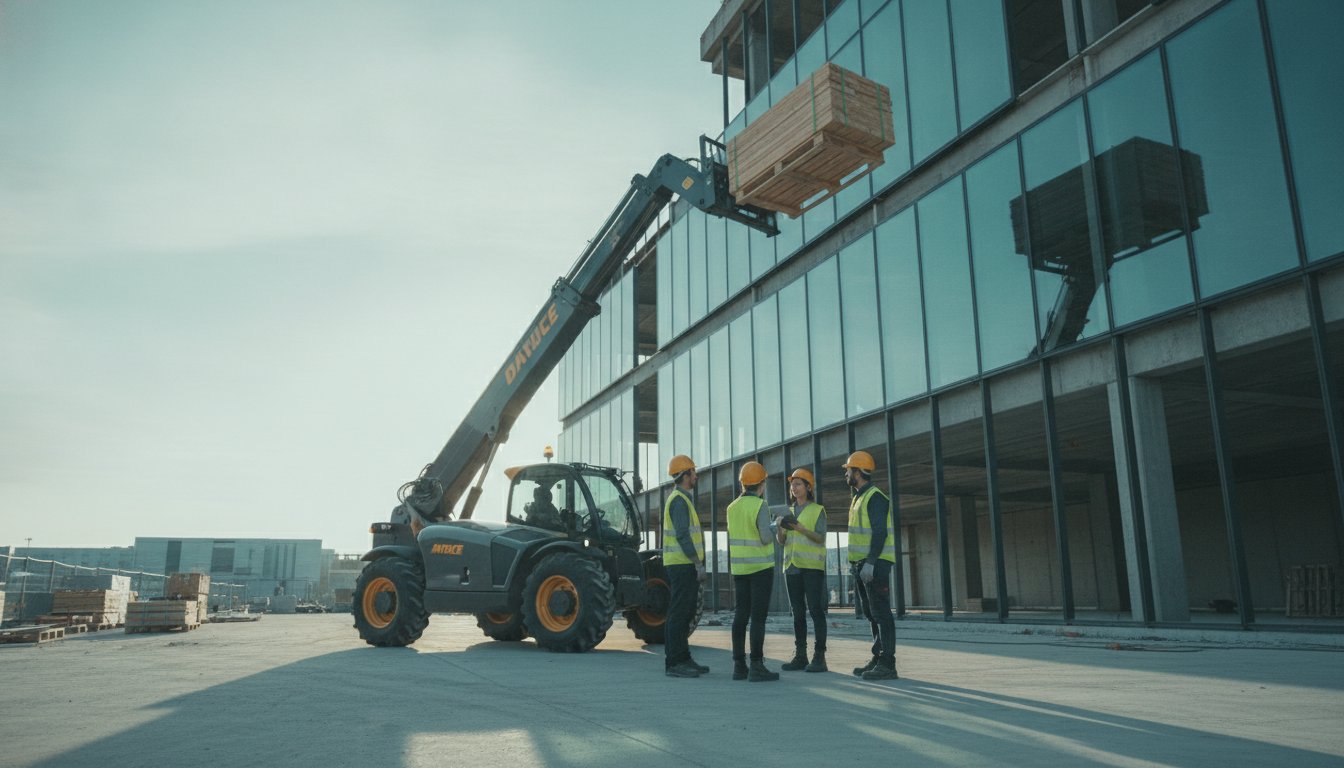
Telehandler Rental Guide: Finding the Right Reach Forklift in 2026
Fred Agbator
July 27, 2026
Why do most local projects get stuck behind the red tape of massive rental corporations? It's frustrating to deal with opaque pricing and technical jargon when you just need to move some materials for a weekend. You might find that a standard telehandler rental from a large yard comes with unexpected delivery costs and rigid schedules that don't fit your life.
You'll learn how to identify the exact lift capacity you need and why peer-to-peer platforms are a sensible alternative to traditional equipment yards. This approach helps you avoid the "corporate tax" while getting the same technical capability for your project. We'll also cover the 2026 safety requirements to ensure your work stays within the current OSHA 29 CFR 1910.178 standards.
Life4Rent makes this process more transparent by connecting you directly with equipment owners who understand the value of a well-maintained machine. You can find flexible terms that corporate providers simply won't offer. This guide breaks down the essential specs and safety rules so you can get to work without the typical rental headaches.
Why a telehandler is the right tool for heavy lifting and high reach
A Telescopic handler, or telehandler, bridges the gap between a standard forklift and a mobile crane. It's built for versatility on sites where a simple vertical lift isn't enough. These machines use a boom that extends forward and upward, which gives you much more control over where you place your materials. You'll find that this flexibility is essential when you're working on a site with multiple levels or restricted access.
You'll often see them on job sites where space is tight or the ground is uneven. Standard warehouse forklifts fail on soft soil, but a telehandler rental provides the four-wheel drive and large tires needed for muddy residential lots. It's a practical choice for anyone who needs to move heavy loads across a site without the machine sinking into the grass. These machines are designed to stay stable even when the terrain is less than ideal.
To better understand this concept, watch this helpful video:
Most projects require more than just lifting a pallet straight up. You might need to reach over a parked truck or a newly built wall to get supplies to the crew. Telehandlers allow for both vertical and horizontal movement, which saves time and reduces the risk of damaging existing structures. This dual capability is what makes them so popular for modern construction and renovation tasks in 2026.
Common applications on the residential job site
Residential work often involves awkward angles, making a telehandler rental a smart investment for a weekend project. Homeowners find these machines useful for lifting heavy shingles directly onto a roof or positioning an HVAC unit on a second-story platform. You can also use them to move pallets of stone across a lawn during a landscaping project. Steel beams for a home extension are much easier to manage when you have the reach and stability of a telehandler. These machines handle the heavy lifting that would otherwise require a large crew or a much more expensive crane hire.
Why reach matters more than lift height
Lift height tells you how high the boom goes vertically, but it doesn't tell the whole story. Reach is different because it measures how far forward the boom can extend from the front of the tires. This matters if you can't park the machine right next to the target area. You'll need reach to place materials over a fence, across a flower bed, or into the middle of a foundation. Prioritize the reach spec if your site has obstacles that prevent close access to the building. You must also understand the load chart for reach, as the capacity drops the further you extend the boom away from the machine's center of gravity.
Essential specs to check before you book a rental
You shouldn't just grab the first machine you see in a listing. Capacity and reach are the two pillars of a successful telehandler rental, and getting them wrong can stall your project or create a safety risk. It's better to spend ten minutes with a tape measure now than to realize your machine can't reach the roof once it's already on-site.
Models in 2026 range from compact 3,000 lb units to heavy-duty machines that handle over 17,000 lbs. For most residential work, a lift height between 19 and 35 feet is usually sufficient. You need to weigh your heaviest pallet before you start your search. If you're lifting a 4,000 lb load of stone, don't rent a machine with a 4,000 lb maximum capacity. You'll likely need to extend the boom, and that's where the math changes.
Capacity and lift height basics
Standard residential units often focus on the 19-foot to 35-foot range. This covers most two-story homes and small commercial builds. You must remember that capacity is not a fixed number. It drops significantly as the boom extends further away from the machine's base. A telehandler that can lift 5,000 lbs near the ground might only handle 1,500 lbs when the arm is fully extended. You can check the available equipment on Life4Rent to compare these specs across different local listings before you make a decision.
Understanding the load chart
Every machine has a load chart located inside the cab. You must read and understand this grid before you lift anything. It shows exactly how much weight you can safely handle at various boom angles and extension lengths. The chart is your primary tool for preventing the machine from tipping over. You should never guess the weight of a load when the boom is extended. Even a small error in judgment can shift the center of gravity and cause a serious accident. If your load is near the limit shown on the chart, you need to find a larger machine or break the load into smaller pieces.
Attachments also play a huge role in how you use the machine. You can swap standard forks for buckets or work platforms to increase the utility of your rental. Just keep in mind that the weight of the attachment itself must be factored into your capacity calculations. Most modern machines make these swaps easy, but you should always confirm which attachments are included with the owner before you book.
Traditional rental yards vs. peer-to-peer platforms
You might think a big rental yard is the only place to find heavy machinery. These companies often require you to set up a commercial account or pass a credit check before they even talk about a telehandler rental. This overhead makes sense for large construction firms, but it's a massive hurdle for a homeowner who just needs a lift for a Saturday afternoon. You could spend days on paperwork before you even see the machine on your site.
Corporate yards often prioritize long-term contracts with major construction firms over small projects. This means a residential rental might be at the bottom of their list if a big client needs the equipment at the same time. You could find yourself waiting for a delivery that never arrives because a higher-paying job took priority. These businesses have high overhead costs, and they pass those expenses down to you through rigid pricing and extra fees.
Peer-to-peer platforms change how you access specialized tools by cutting out the middleman. You'll find machines owned by local contractors or farmers who aren't using them every day. This model usually offers more flexibility because you're talking to a person who understands your project needs. It's a more direct way to get the gear you need without the corporate red tape and long-term commitments.
The convenience of local P2P rentals
You can often find a machine in your own neighborhood or town. It is easier to negotiate pickup and drop-off times with an individual owner when your project schedule shifts. Peer-to-peer platforms like Life4Rent make peer to peer equipment rental accessible for everyone. Local owners often have machines closer to your job site, which can cut down on the delivery fees that are common in 2026.
Logistics without the corporate headache
You don't need to open a commercial account to rent through a marketplace. The direct messaging feature allows for quick questions about the machine's maintenance history or specific attachments. Digital rental agreements keep the process transparent and secure for both sides. You're renting from someone who relies on good reviews, which creates a level of accountability you don't always find with a massive fleet manager.
Protection plans and insurance vary significantly between these two models. Corporate yards might bundle insurance into a high daily fee, while P2P platforms often offer separate, clear-cut protection options. You should always check what's covered before you sign the digital agreement. In New York, where daily rates for a telehandler often range from $300 to $600, knowing your liability is essential for staying on budget and protecting your project.
Basic safety and site prep for your telehandler
Safety starts before you even turn the key. You're dealing with a machine that can weigh several tons, and that weight shifts as you move the boom. You must understand that a telehandler rental isn't just about moving a lever; it's about managing physics in real-time. In 2026, OSHA has increased enforcement of standard 29 CFR 1910.178, and serious violations can carry penalties up to $16,550. A safe telehandler rental starts with a clear understanding of the machine's limits and the environment where it will operate.
Daily inspections are mandatory for a reason. You'll want to look for hydraulic leaks, tire wear, and any damage to the boom structure before you start your shift. Employers and individual operators must document these pre-shift inspections to stay compliant with 2026 regulations. If you find a frayed hose or a low tire, don't use the machine until it's fixed. Even a minor drop in hydraulic pressure can affect how the boom handles a heavy load at height. Tires also need careful attention; a puncture or loss of pressure on one side can cause the machine to lean dangerously during a lift.
Checking ground stability and site access
You should look for underground utilities or septic tanks before you drive across a yard. These machines exert massive pressure on the ground, and a hidden tank lid won't support that weight. Soft mud is another common trap for operators. Even with rough terrain tires, a heavy telehandler can sink and get stuck if the soil isn't firm enough. You need to clear a path that is wide enough for the machine's body and its outriggers if the model uses them. Stable ground is the only way to ensure the machine doesn't tip when the boom is extended. Make sure the area is free of overhead power lines as well, as the boom can reach heights that are easy to misjudge from the cab.
Choosing the right fuel and attachments
Diesel units remain the standard for excavators rental and outdoor heavy lifting tasks. They provide the torque needed for rough terrain and long workdays. Electric models are becoming more common in 2026 for indoor warehouse work or residential renovations where exhaust fumes are a problem. You might also need to swap your standard forks for a material bucket if you're moving loose gravel or debris. Check the available options on Life4Rent to find a machine with the right fuel type and attachments for your specific job site. Direct communication with the owner can help you confirm if they have the specific fork extensions or work platforms you need for your project.
How to use Life4Rent to find or list a telehandler
Life4Rent operates as a peer-to-peer marketplace that simplifies the search for heavy equipment across 17 different categories. You can browse local listings to find a machine that fits your specific project timeline and budget. This model removes the rigid barriers found at corporate yards and lets you deal with people in your own community. It's a practical way to source specialized gear without the typical overhead of a massive fleet manager.
Owners and renters communicate directly through the platform to coordinate the details of the telehandler rental. You don't have to worry about the opaque pricing structures that often come with large-scale rental companies. It's a more transparent way to access the tools you need for residential or commercial work. You can discuss the specific requirements of your site before any money changes hands.
Listing your own machine for passive income
You might own a reach forklift that sits idle between your own construction projects. It is easy to create a listing on the platform to start earning back some of the machine's purchase price. You have the freedom to set your own daily or weekly rates based on what people in your area are willing to pay. This is a sensible way to turn a high-cost asset into a source of income rather than letting it take up space in your yard.
Most owners find that clear photos and honest descriptions of the machine's condition lead to more successful bookings. You can explain the maintenance history and any specific attachments you have available to help potential renters make an informed choice. Owners keep the majority of the booking fee, which makes it a sustainable model for small businesses or individual contractors. You can manage your availability calendar to ensure the machine is only listed when you don't need it for your own work.
Booking your first rental on Life4Rent
You should start by checking the owner's reviews and the machine's maintenance history before you send a request. The platform's direct messaging system allows you to ask technical questions about the equipment to ensure it meets your needs. You can verify if the forks are the right length or if the machine has the necessary outriggers for your site. This direct line of communication helps prevent the technical misunderstandings that often occur with corporate call centers.
The platform handles the payment securely, so you don't have to carry cash or deal with complicated invoicing on the day of the project. It is a straightforward way to get a tool on rent without the typical administrative delays. This organized process ensures that both the owner and the renter are protected throughout the duration of the project. You'll receive a digital agreement that keeps the terms of the rental clear and professional.
The platform keeps your communication and rental dates in one place. You can manage your project schedule without digging through old emails or paper receipts. This organization is helpful when you're balancing multiple contractors and material deliveries. It ensures everyone stays on the same page regarding when the equipment arrives and when it needs to be returned to the owner.
Getting your project off the ground with the right machine
Your choice of telehandler rental depends on matching the reach and capacity to your specific site obstacles. You've seen how ground stability and understanding load charts are the most important factors for staying safe and compliant with 2026 OSHA standards. It's better to verify these technical details early so your work stays on schedule and within budget.
Peer-to-peer platforms provide a flexible way to find specialized equipment without the corporate overhead or rigid schedules of traditional yards. Direct communication with owners ensures you get the right attachments for the job, whether you're lifting HVAC units or moving pallets of stone. This model keeps the process transparent and helpful for everyone involved in the project.
You can browse local telehandler rentals on Life4Rent to see what's available in your neighborhood across 17 different categories. This secure marketplace makes it easy to rent or list your own machinery for extra income. You'll find that the right equipment makes even the most difficult residential builds feel manageable and organized.
Frequently Asked Questions
Do I need a special license to rent a telehandler for personal use?
You don't need a commercial driver's license for personal projects on private property, but safety remains a priority. OSHA requires all professional operators to be trained and certified under standard 29 CFR 1910.178. If you're renting for a DIY project, the machine owner might ask for proof of experience or provide a brief orientation to ensure you can handle the controls and load charts safely.
How much does it cost to rent a telehandler for a day?
Rates for a telehandler rental depend on the machine's capacity and your specific location. While industry data from early 2026 shows a wide range of prices across North America, the best way to find a fair price is to compare local listings on a marketplace. You should also factor in delivery fees and fuel costs, which can vary based on how far the machine has to travel to your site.
What is the difference between a telehandler and a standard forklift?
A telehandler uses a telescopic boom that extends both forward and upward, while a standard forklift only moves loads vertically on a mast. This design allows the telehandler to reach over obstacles or place materials onto high rooftops. Most models also feature four-wheel drive and large, off-road tires, which makes them much more effective on rough terrain than a typical warehouse forklift.
Can a telehandler be driven on the road to reach a job site?
Most of these machines are not street-legal and require a trailer for transport. While some models have basic lights and mirrors, they usually lack the registration and safety features required for public roads. You typically need a "Slow Moving Vehicle" sign and specific local permits if you plan to drive even a short distance on a public street. It's almost always more practical to arrange for professional delivery.
What attachments are commonly available with a telehandler rental?
Standard pallet forks are the most frequent choice, but you can also find material buckets, work platforms, and truss booms. These tools allow the machine to function like a small crane or a loader depending on your project's needs. You should always confirm which attachments are included with the owner before you finalize your booking. Swapping attachments is usually straightforward, but it requires following the manufacturer's safety procedures every time.
Is insurance included when I rent through a peer-to-peer platform?
Protection plans are typically offered as an add-on during the checkout process to cover damage to the equipment itself. These plans are different from general liability insurance, which covers accidents or damage to the property around the machine. You should read the digital agreement carefully to understand your deductible and what specific incidents are covered. It's a sensible way to protect yourself and the owner from unexpected repair costs.
How much weight can a small telehandler safely lift?
Compact models generally have a maximum lift capacity between 3,000 and 6,000 pounds. You must keep in mind that this limit only applies when the boom is fully retracted and at a low angle. The safe lifting capacity drops quickly as you extend the boom forward or upward. You'll find a load chart in the cab that shows exactly how much weight the machine can handle at different extension levels.
What should I do if the machine breaks down during the rental period?
You should stop operating the machine immediately and message the owner through the platform. Don't try to fix mechanical or hydraulic issues yourself, as this can lead to safety risks or disputes over the equipment's condition. The owner will work with you to arrange a repair or a replacement so you can get back to your project. Documenting the issue with photos can help keep the process organized and transparent for both sides.
Life4Rent
Rent it. Earn from it. Own less, access more.
Browse peer-to-peer rentals near you, or list what you own and start earning — all protected by Life4Rent Protect.
About the author
Fred Agbator
London, United Kingdom
Fred covers rental technology, app features, and platform mechanics for the Life4Rent Renting Academy. With a background in fintech journalism, he specialises in breaking down how digital rental platforms work — from payment protection and identity verification to smart pricing and booking management.