Tool on Rent: How to Save Money and Space on Your Next Project (2026)
March 30, 2026
Published by Life4Rent · Operated by Brohf Software OÜ
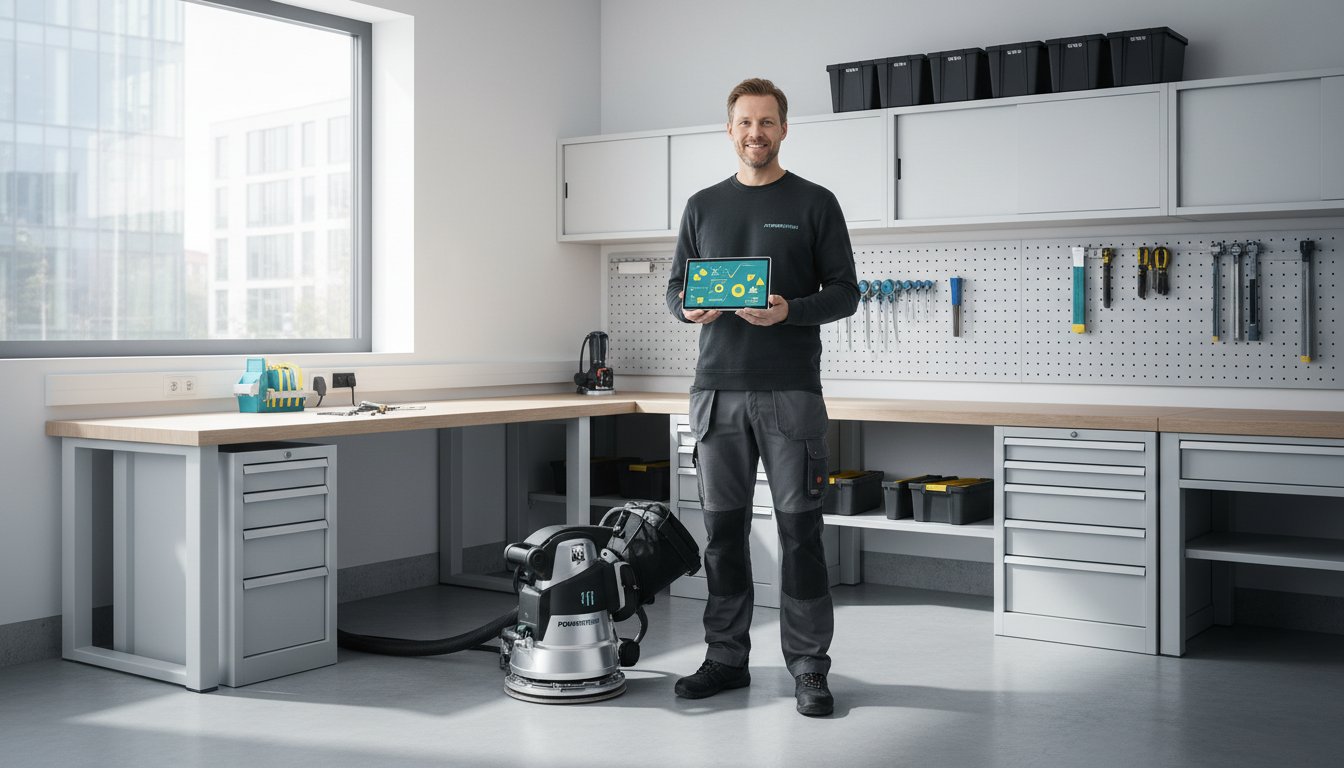
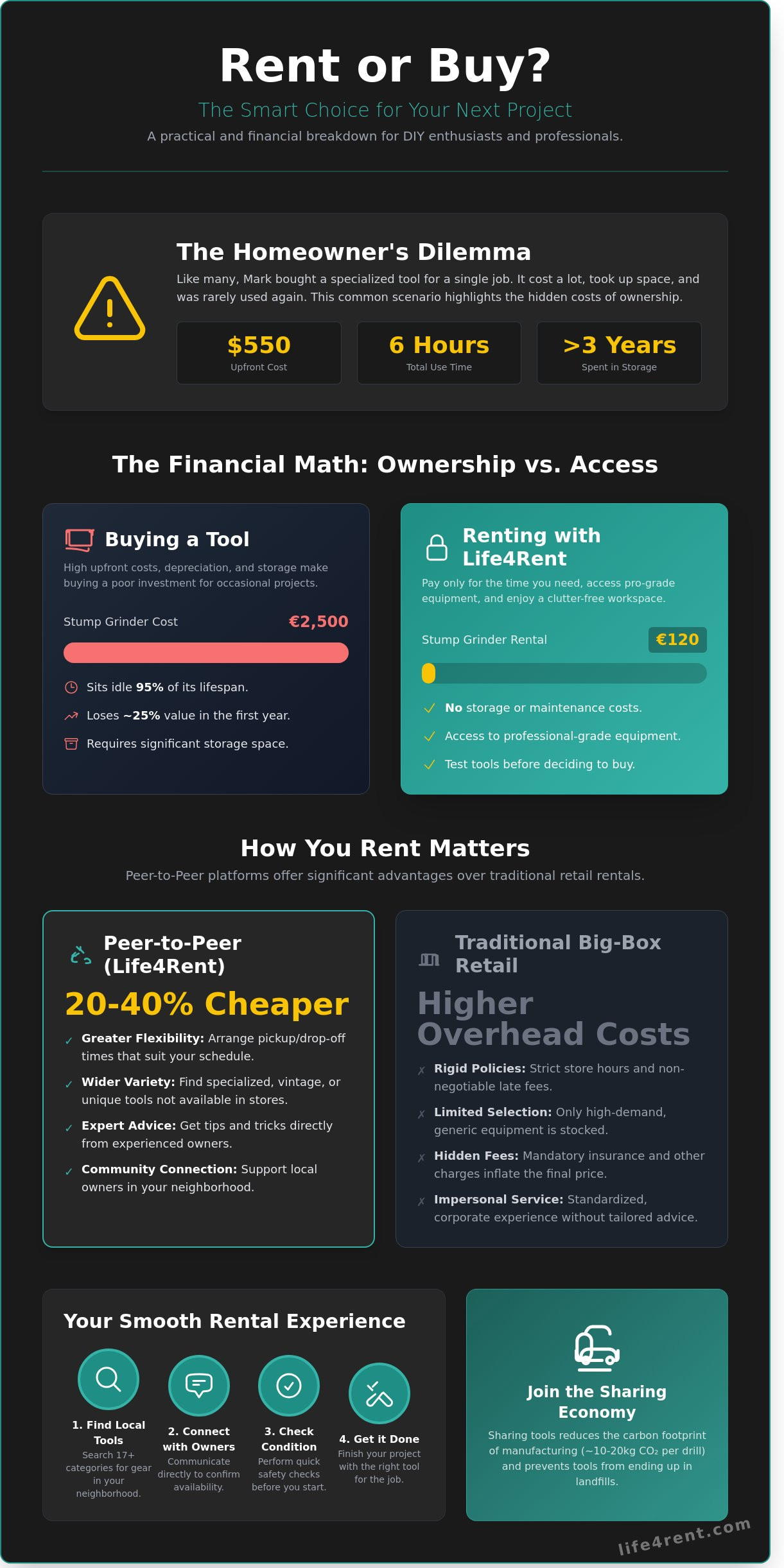
Last Tuesday, Mark spent forty minutes clearing a cramped corner in his garage for a $550 industrial floor sander he only needed for a single six hour job. He realized that the heavy machine would likely sit unused for the next three years, gathering dust next to a tile cutter he bought back in 2022. It's a common frustration for anyone who wants professional results without the permanent clutter or the steep upfront cost. A high-quality tool on rent from a local owner solves this logistical headache while keeping your workspace organized.
Most homeowners agree that owning specialized gear feels like a win until the maintenance bills and storage issues start to pile up. You'll learn how to access professional-grade equipment for a fraction of the retail price through the Life4Rent marketplace. Simple steps to verify tool conditions and understand insurance basics show why renting often beats buying for your 2026 home improvements. We provide the practical details needed to find reliable equipment nearby so you can finish your project without a $1,200 hole in your budget.
Reasons to choose a tool on rent instead of buying
A high-quality SDS Max rotary hammer often retails for over €500 in 2026. Most DIY users only need this level of power for a single afternoon to remove an old tiled floor. You can secure a professional tool on rent for roughly €35, which keeps your project budget under control. It's a better financial choice to pay a small fee for a weekend project than to let a heavy machine gather dust for years.
Storage space is a hidden cost of ownership. Large items like plate compactors or floor sanders take up significant square footage in a garage or shed. You avoid the headache of organizing and protecting heavy machinery from rust or dust by returning the equipment once the job is done. Your home stays organized and free of bulky objects that you might not use again for another decade.
Rental shops provide gear that outperforms standard consumer models found in big-box stores. Professional-grade equipment handles heat better and finishes tasks with more precision. A tool on rent provides the necessary power for tough tasks without a heavy upfront investment. You don't have to worry about a motor burnout halfway through your renovation.
Maintenance remains the responsibility of the rental provider. They handle oil changes, blade sharpening, and safety inspections. You get a piece of equipment that works immediately without spending your Saturday morning hunting for replacement parts or specialized lubricants. If a part fails during normal use, the rental platform usually handles the replacement process.
The financial math of tool rentals
A new petrol-powered stump grinder can cost upwards of €2,500. Depreciation hits these machines hard, often stripping 25% of their resale value within the first year. If you rent the same machine for €120, your cost per use stays low and predictable. Most power tools sit idle for 95% of their lifespan, making the retail price a poor investment for occasional projects.
Environmental impact of the sharing economy
The manufacturing process for a single cordless drill generates approximately 10kg to 20kg of CO2. When multiple neighbors share one high-quality unit through a platform like Life4Rent, the total carbon footprint of the community drops. This approach prevents low-grade, disposable plastic tools from ending up in landfills. Community-based models support a circular economy where resources stay in use longer and waste is minimized.
Peer-to-peer platforms vs. traditional retail rentals
You usually have two choices when you need a specific tool on rent for a weekend project. Big-box retailers offer a standardized experience; however, peer-to-peer (P2P) marketplaces like Life4Rent focus on community assets. The price gap is often 20% to 40% because individual owners don't carry the massive overhead costs of a physical storefront or a large corporate staff.
Availability varies significantly between these two models. Retailers stock high-demand items like floor sanders or hammer drills, but they rarely keep niche or vintage equipment in their inventory. You can often find specialized woodworking planes or discontinued high-quality masonry tools on P2P platforms that stores stopped carrying years ago. This variety allows you to select the exact piece of equipment required for a delicate task rather than settling for a generic alternative.
Pros and cons of big-box retail
Corporate rental centers provide a predictable level of maintenance for their fleet. You know the machine was likely serviced according to a strict internal schedule. This reliability comes with a higher price tag. Staffing costs and real estate taxes in major European cities mean you pay more for the same hour of use compared to a private rental.
Bureaucracy is a frequent drawback with large retailers. Late fees are often non-negotiable and can equal a full day's rental even if you're only two hours behind schedule. Return windows are tied to store hours, which rarely aligns with a late-night project finish. A standard tool on rent from a retail chain often includes mandatory insurance fees that further inflate the final bill.
Advantages of using Life4Rent
Local owners offer a level of flexibility that a corporation cannot match. You can often arrange a pickup at 8:00 PM on a Sunday or extend your rental with a quick message. Most owners are happy to see their equipment used and will set competitive prices to stay active in the marketplace. This direct connection makes the process feel more like a neighborly favor than a cold transaction.
You get more than just the hardware when you choose a peer-to-peer option. Owners frequently share specific tips on how to handle the machine's quirks, which saves you time during setup. If you want to see what gear is available in your neighborhood, you can browse local listings to compare prices. Community ratings ensure that you only deal with reliable people who maintain their gear properly and provide honest descriptions.
Essential checks before you commit to a tool rental
You should always treat a tool on rent like a used car purchase. A quick five-minute inspection saves hours of frustration once you get back to the job site. First, look at the power source. If it's a cordless tool, check the battery indicators. Lithium-ion batteries manufactured after 2024 usually have a four-bar status light; ensure it holds a full charge before you leave the pickup point.
Safety is your next priority. Examine the power cord for any copper showing through the insulation. Frayed wires caused 15% of electrical accidents in home workshops according to 2023 safety reports. You must flip every toggle and press every emergency stop button. If a guard sticks or a trigger feels mushy, ask for a different unit. It's better to be picky at the counter than to have a machine fail mid-cut.
Check the box for all promised accessories. Rental kits often lose small parts like chuck keys or depth gauges. You don't want to pay a replacement fee for a 10-euro part that wasn't there when you arrived. Confirming these details takes seconds but protects your deposit.
Technical specifications to verify
Most European households run on 230v, but heavy-duty breakers or industrial saws might require a 110v transformer. You should confirm the plug type matches your outlets. Don't forget to ask about consumables. Sandpaper, diamond blades, and fuel are rarely included in the base price. A standard 125mm angle grinder disc costs about 5 euros, so factor these extras into your budget. Measure your trunk space too. A plate compactor usually measures 50cm by 70cm and weighs over 60kg, which might exceed the limit for a small hatchback.
Documentation and condition reports
Digital proof is your best insurance policy. Take four clear photos of the tool from different angles before you put it in your car. Focus on existing scratches or cracks in the plastic housing. You should also clarify the breakage policy. Most peer-to-peer platforms distinguish between fair wear and tear and negligent damage. If a motor burns out during normal use, you shouldn't be liable for the repair. Finally, read the cleaning requirements. Some owners charge a 20-euro cleaning fee if a tool on rent like a concrete mixer isn't hosed down immediately after use.
Steps to follow for a smooth rental experience
You can start by browsing the Life4Rent platform for the specific tool on rent you need for your project. Filters help you find items based on your current location and budget. Most users find a suitable match within 10 minutes of searching. This peer-to-peer approach connects you directly with neighbors who have the gear you're missing.
Communication with the tool owner
Message the owner to check if the equipment is ready for use. Ask about the tool's history or any specific quirks it might have before you commit. Coordination of pickup and drop-off locations in Tallinn or Chicago should happen early to avoid traffic delays. Most owners require about $50 for smaller items to cover potential minor damages.
Insurance options appear during the checkout phase on the site. Life4Rent provides basic coverage, but you might want extra protection for high-value items like industrial floor sanders. This step prevents unexpected costs if a component fails during normal usage. You'll find that having this safety net makes the project much less stressful.
Safe handling and usage
Ask for a two-minute demonstration when you meet the owner for the pickup. A quick visual check confirms the tool starts and stops correctly so you don't struggle later at your job site. Always follow the manufacturer's manual to avoid damaging the internal motors. To ensure a smooth handoff, follow these steps:
- Take photos of existing scratches or wear before leaving the pickup spot.
- Test the power switch and any safety locks in front of the owner.
- Confirm the presence of all accessories, chargers, or carrying cases.
Maintenance is your responsibility while the tool is in your possession. Use a damp cloth or a brush to remove dust and debris from the vents before returning it. Owners often charge a $20 cleaning fee if they have to scrub the equipment themselves. Clean gear shows respect for the owner's property and ensures you remain in good standing on the platform.
Timely returns prevent extra charges on your credit card. Finish the process by returning the tool on rent at the agreed time and leaving an honest review. This feedback helps the next person know if the owner is reliable and the equipment is well-maintained.
Life4Rent: A simpler way to access tools in your neighborhood
Life4Rent operates as a peer-to-peer marketplace where you can find exactly what you need without a trip to a massive hardware store. The platform organizes equipment into 17 distinct categories, ranging from heavy-duty construction gear to specialized gardening equipment. You'll find everything from hammer drills to industrial carpet cleaners listed by people in your own zip code. This variety ensures that finding a tool on rent doesn't require a commercial contract or a massive deposit.
Owners earn money from items that usually sit in a garage, while renters save up to 70% compared to buying new. Security is handled through a built-in system that protects both the equipment and the payment. Every transaction is logged; the platform uses a secure escrow-style payment method to ensure funds only move when the job is done. This setup reduces the risk of damage or non-payment that often plagues informal lending between acquaintances.
You can turn your own idle inventory into a steady stream of passive income. A high-quality miter saw or a professional-grade pressure washer can pay for itself after just five or six rentals. Most active owners on the platform see a return on their initial investment within the first 12 months of listing their gear.
Building community trust through sharing
Trust is the foundation of any peer-to-peer system. Life4Rent uses verified identities and detailed user profiles to make sure everyone is who they say they are. In cities like Tallinn, the network grew by 40% in 2024 because neighbors preferred borrowing from someone three streets away rather than driving to an industrial park. These local connections turn a simple transaction into a way to strengthen the neighborhood while keeping high-quality equipment in active use.
Getting started with your first rental
The setup process takes less than five minutes. You only need a valid ID and a payment method to begin browsing the local listings. Search filters allow you to sort by distance, price, or specific technical specs to find a tool on rent that fits your project requirements. You can even filter for "instant book" items if you're in a hurry for a specific part. You should explore tools for rent near you to see what’s currently available in your area.
Plan Your Next Project with Confidence
A well-maintained tool on rent helps you avoid the high costs of ownership and the clutter of a crowded garage. You can choose from 17 different rental categories to find exactly what you need for specific tasks. It's often more practical to borrow a specialized item for a few days than to let it sit unused for years.
Peer-to-peer platforms like Life4Rent make these transactions secure for both parties. You'll find active communities already sharing equipment in cities like Tallinn and Chicago. It's a straightforward way to access high-quality gear while keeping your budget under control. You don't have to worry about maintenance or storage when the job is done.
Check the availability of items near you to see how much you can save on your next home improvement task. Browse available tools in your neighborhood on Life4Rent and connect with local owners today. You'll likely find that the right equipment is just a few blocks away.
Frequently Asked Questions
Is it cheaper to rent a tool than buy a budget version?
You'll often save money by choosing a high-quality rental over a cheap purchase. Current 2026 pricing trends show a budget hammer drill might cost €45 but fail on hard masonry, while a professional model costs just €12 per day. You get the power of a €500 machine without the storage hassle or the risk of a low-end tool breaking mid-project.
What happens if a tool on rent breaks while I am using it?
You must contact the owner immediately if the equipment stops working. Most peer-to-peer agreements on Life4Rent separate mechanical failure from accidental damage. If a 5-year-old motor dies under normal use, you aren't liable for the cost. However, you'll likely pay for repairs if the damage results from dropping the item or using it incorrectly. Always take a photo of the tool at the moment it fails.
Do I need to bring my own safety gear when I rent a tool?
You should provide your own personal protective equipment for every project. Owners don't supply gloves, masks, or ear protection because of hygiene and fit requirements. If you pick up a tool on rent like a concrete saw, check that your own gear meets the 2024 safety standards before you start the engine. This ensures your safety gear fits correctly and offers the right level of protection for your specific body type.
How do security deposits work on peer-to-peer platforms?
Platforms block a pre-set amount on your credit card to cover potential issues. This deposit usually stays between €40 and €250 based on the replacement cost of the gear. You won't see a charge on your statement, and the bank releases the hold within 72 hours once the owner signs off on the return. Check your available balance before booking to ensure the hold doesn't interfere with your other expenses.
Can I rent out my own tools to other people on Life4Rent?
You can list your own equipment on the marketplace to offset your initial costs. The registration takes about 10 minutes and requires a few clear photos of the item. Recent 2025 platform data shows that owners who list professional-grade lawn mowers often recover their full investment after 14 weekend rentals. This creates a steady stream of extra cash from items that usually sit in your garage.
How do I know if a rental tool is safe to use?
You need to perform a quick visual check before you accept the item. Look for frayed wires or loose parts and verify the safety certification date from within the last 12 months. If you see an expired inspection sticker or rust on moving parts, it's better to cancel the booking than to risk an injury. Reliable owners will be happy to show you that the guards work as intended.
What should I do if the tool owner is not available for the return?
You should take clear photos and a video of the equipment at the agreed drop-off point. Upload these files to the platform chat within 30 minutes to prove the condition of the tool on rent at the time of return. This digital trail protects you from claims of damage that might occur after you've left the premises. Make sure the timestamp is visible on your media to avoid any confusion.
Are there any tools that are better to buy than to rent?
You'll benefit more from buying tools that you use more than 5 times every year. Basic items like a claw hammer, a tape measure, or a 18V cordless drill are worth owning. If the daily rental fee is more than 20% of the shop price, you're better off purchasing the item for your permanent collection. Keep these essentials at home to save the time spent on multiple trips to pick up and return common hardware.
Related guides on Life4Rent
Ready to rent instead of buy? See all tools & equipment available to rent on Life4Rent →
Life4Rent
Rent it. Earn from it. Own less, access more.
Browse peer-to-peer rentals near you, or list what you own and start earning — all protected by Life4Rent Protect.
About the author
London, United Kingdom
Fred covers rental technology, app features, and platform mechanics for the Life4Rent Renting Academy. With a background in fintech journalism, he specialises in breaking down how digital rental platforms work — from payment protection and identity verification to smart pricing and booking management.