Stump Grinder Rental: A Practical Guide to Safe and Efficient DIY Removal
April 4, 2026
Published by Life4Rent · Operated by Brohf Software OÜ
Last Saturday, a homeowner in Berlin spent €210 on a stump grinder rental from a major hardware chain, only to find the machine lacked the power for a 30-inch oak base. Most people assume that the biggest price tag guarantees the best results. You probably feel that those weathered stumps in your garden are more than just an eyesore; they're a constant tripping hazard for your family. It's frustrating when you want a clear yard but feel stuck between high professional fees and confusing rental options.
You can handle this project yourself without overspending or risking your underground utility lines. Knowledge of engine displacement and wheel diameter ensures you don't get underpowered gear for your specific tree type. We'll also cover the specific safety checks you need for gas lines and wires before you ever start the engine. Peer-to-peer platforms offer a practical way to find reliable equipment at a lower cost than traditional commercial outlets, giving you a clear plan for your weekend task.
Understanding your stump grinder rental options
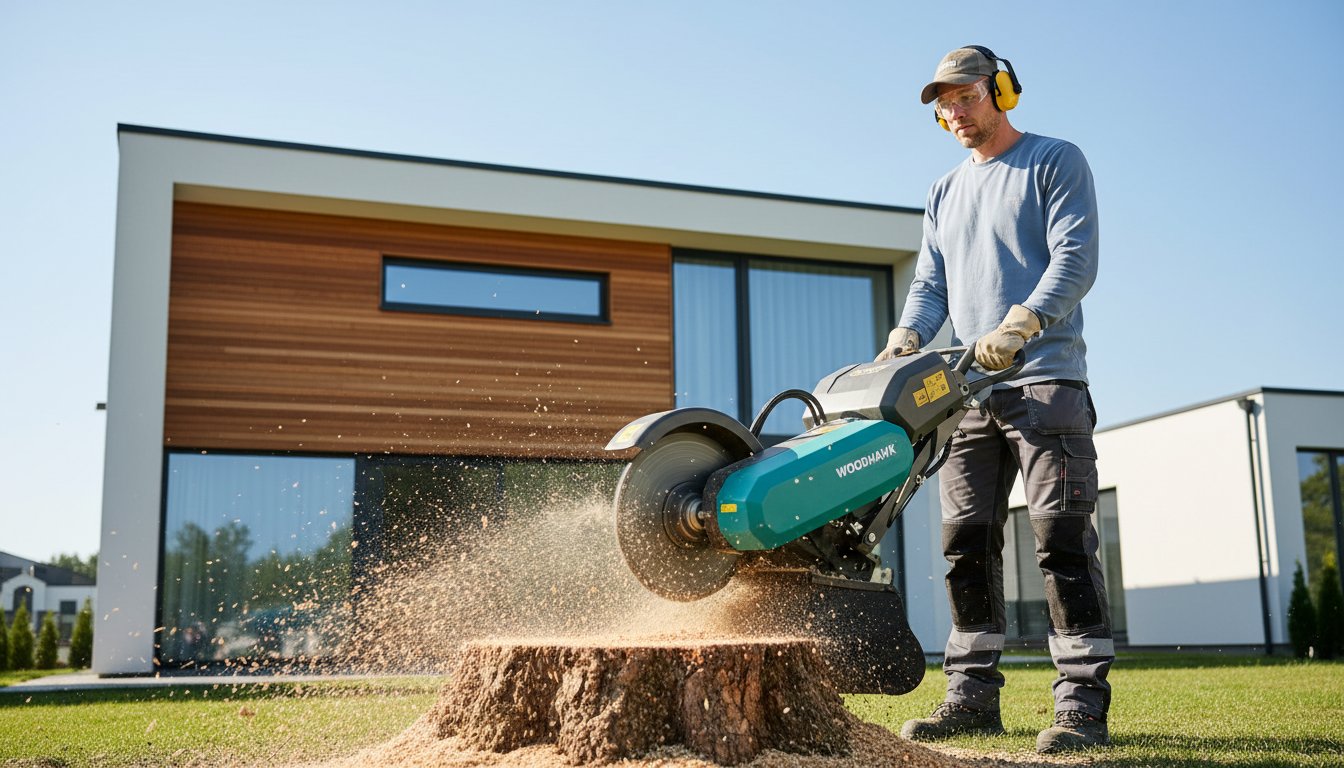
A stump grinder is a heavy-duty machine that removes tree remains by using a high-speed, rotating vertical disc. This disc features fixed carbide teeth that act like a saw to chip wood into small mulch fragments. Most residential users find that a stump grinder rental is the most practical way to clear a lawn without the physical strain of manual digging. These machines are designed to chew through wood fibers and root systems until the stump sits well below the soil line.
To better understand how these machines operate in a real-world setting, watch this helpful video:
You shouldn't book a machine until you know the exact scale of the job. Measure the diameter of your stump at its widest point, usually where the root flare meets the grass. If the stump is 24 inches wide, a small hand-held unit won't have the reach or power to finish the job efficiently. Correct measurements ensure you don't end up with a machine that's too weak for the task or too large for your garden gate.
The different classes of grinders
Hand-held grinders are the smallest option and work best for soft-wood stumps under six inches in diameter. These are easy to transport in a standard car trunk but require significant physical effort to sweep across the wood. Walk-behind or "handlebar" models are the standard for most backyard oak or maple removals. They offer more weight and stability, which prevents the machine from bouncing during the grinding process. For large-scale projects or stumps located on a 15-degree slope, a self-propelled track grinder is a better choice. These units use hydraulic systems to move, so you don't have to manually push a 400-pound machine uphill.
Why a rental beats buying for this project
A professional-grade grinder is a significant investment that rarely pays off for a single property owner. New entry-level units often start around $2,500, while commercial models can exceed $15,000. Maintenance is another hurdle because the carbide teeth require sharpening after every few hours of use in rocky soil. A tool on rent allows you to use high-end equipment without worrying about hydraulic fluid leaks or engine winterization. You also avoid the hassle of finding garage space for a bulky machine that you might only use once every five years. Peer-to-peer platforms make it easy to find a well-maintained stump grinder rental near your home for a daily rate that fits a DIY budget.
Preparation steps for a smooth project day
You need to clear every rock, brick, and piece of metal from around the base of the stump before you start. These objects will dull the carbide teeth of the machine almost immediately. Most owners on the Life4Rent marketplace check the condition of the cutter wheel before and after the rental period. Damaged or broken teeth often result in extra charges, sometimes costing $12 to $18 per tip depending on the specific model you choose.
Take your chainsaw and cut the stump as close to the ground as possible. This simple step reduces the total volume of wood you need to grind by up to 30 percent. It saves you significant time and reduces the amount of fuel you'll consume during the stump grinder rental period. You should also use a shovel to expose the root flare where the trunk meets the soil. This shows you exactly where the wood ends, so you don't spend hours grinding through heavy dirt and buried stones.
Locate underground utility lines
You must call your local utility hotline at least 72 hours before you plan to dig or grind. Gas lines, water pipes, and internet cables often run surprisingly close to the surface near mature trees. In some residential areas, these lines sit less than 18 inches deep. Mark the area with bright spray paint to create a visible safe zone. A utility strike is costly; marking the ground prevents a dangerous situation and a repair bill that can easily reach $2,500.
Gather your safety gear
Stump grinding generates a massive amount of high-velocity wood chips. These fragments can fly out at speeds exceeding 50 miles per hour. You should wear impact-resistant safety goggles and a full-face shield to provide two layers of protection for your eyes and face. Following Best Practices for Stump Grinder Operations is the most effective way to manage these risks on your project day.
Heavy-duty work boots and ear protection are essential when you use this loud machinery. Most grinders operate at noise levels above 90 decibels, which can cause hearing damage without proper muffs. You should have the following items ready:
- Impact-rated safety glasses and a clear face shield.
- Ear muffs with a Noise Reduction Rating (NRR) of 25 or higher.
- Steel-toed or heavy leather work boots.
- Snug-fitting work gloves.
Don't wear loose-fitting jackets, hoodies with strings, or hanging jewelry. These items can easily get tangled in the rotating cutting wheel or the drive belts. You'll find that a stump grinder rental is much easier to manage when you aren't worried about your safety equipment failing. Proper preparation ensures you return the machine on time and without any unexpected maintenance fees.
How to operate the grinder safely
You need to position the machine so the cutting wheel sits directly over the front edge of the stump. Most units for a stump grinder rental in Europe weigh between 110kg and 250kg, so take your time to align it correctly before you engage the blade. Once the machine is stable, start the engine and let it warm up for about 60 seconds. You should set the throttle to the speed recommended by the owner; higher RPMs are necessary for hardwoods like beech or oak, while softer woods like spruce are more forgiving.
Lower the wheel slowly into the wood. It's best to take small bites rather than trying to remove large chunks at once. Move the wheel in a steady side-to-side arc to shave the wood away. You should only advance the machine forward after you have cleared a depth of about 5 to 8 centimeters across the entire width of the stump. This step-by-step approach prevents the machine from jumping or kicking back toward you.
A stump grinder rental gives you the power to handle tough jobs, but the machine requires a steady hand. Keep your feet firmly planted and maintain a wide stance for balance. If the machine starts to vibrate excessively, stop and check if the teeth have hit a rock or a piece of metal. Safety is about consistency and patience, not speed.
Master the side-to-side technique
Pivot the machine on its wheels instead of trying to push it through the wood with your arms. The design uses the wheels as a fulcrum, which makes the work much easier on your back. Let the weight of the motor do the grinding.
You're just there to guide the arc. Check the depth every few minutes to ensure you're reaching at least 15 centimeters below the grass level. This depth is standard for ensuring the remaining roots won't damage lawnmower blades later.
Common mistakes to avoid
Don't force the wheel into the stump too quickly. If the engine sound changes or the RPMs drop significantly, you're pushing too hard and might stall the motor. Avoid working in the dark or when the grass is wet.
Wet conditions reduce your footing and can make the heavy machine slip on slopes. You must never leave the machine running while you clear away the wood chips. Turn the engine off and wait for the blade to stop spinning completely before you use a shovel to tidy the area.
Life4Rent vs. commercial rental yards
Commercial rental yards usually stick to rigid 4-hour or 24-hour windows. You might find yourself rushing back to avoid a late fee that doubles your daily cost. Peer-to-peer rentals through Life4Rent offer more breathing room. Owners often agree to pickup times that work around your commute or weekend plans.
Prices on a marketplace are typically 20% to 30% lower than traditional commercial yards. An average day rate for a stump grinder rental at a big-box store might hit €115, while a local owner might list theirs for €85. These savings add up if your garden project takes two or three days to complete. Commercial yards also tend to add hidden costs like cleaning fees or mandatory damage waivers that inflate the final bill.
Owners on Life4Rent provide specific insights that a store clerk cannot offer. They know the exact machine you're taking home. They can explain how the engine handles heavy loads or if the pull-start has a specific trick. This personal knowledge prevents frustration once you get to the job site. You aren't just getting a tool; you're getting advice from someone who actually uses it.
Logistics and transport realities
A standard stump grinder weighs between 100kg and 150kg. You can't just lift this into a car trunk. You need a ramp and a van or a trailer to move it safely. This differs from scissor lift rental logistics which always require a heavy-duty trailer due to extreme weight. Many owners on Life4Rent include a small trailer in the rental price. Always verify the hitch type on your vehicle before you arrive for pickup. Use ratchet straps to secure the machine so it doesn't slide during transit.
Insurance and protection plans
Review the item protection plan offered by the marketplace before you confirm your booking. You should protect yourself against unexpected mechanical failures. Take clear photos of the cutting teeth before you start the engine. These teeth are the most expensive part to replace if they break on a hidden rock. Ensure the rental agreement covers accidental damage during normal use. Proper documentation of the machine's condition at the start prevents disputes later. It's also smart to check if the owner has a spare set of teeth you can purchase if things go wrong.
Check the available stump grinders on Life4Rent to find a machine near you.
Cleanup and site restoration
Once the engine stops, you'll face a surprisingly large pile of debris. A standard 20-inch stump handled by a stump grinder rental typically produces a volume of wood chips roughly three times the size of the original wood. You'll likely fill a 6-cubic-foot wheelbarrow four or five times before the ground is clear. Shovel the mulch into your containers immediately after the machine is turned off to keep the workspace tidy. It's much easier to move the material before it settles into the soil or absorbs moisture. You don't want to leave a mess that could blow across the neighbor's yard during the night.
Manage the leftover mulch
Fresh wood chips are naturally acidic and can strip nitrogen from the soil as they decompose. You shouldn't use this material immediately around sensitive flowers or young vegetable starts because it can stunt their growth. Instead, use the chips as a sturdy base layer for a new compost pile or to create a 2-inch thick woodland path. Fill the remaining hole with a 50/50 mix of topsoil and mulch. This combination allows for natural settling over the next 8 to 12 months without leaving a massive dip in your lawn. If you plan to plant grass right away, use 100% topsoil and save the chips for another project.
Clean the machine thoroughly before you head back to the owner. Most hosts on the Life4Rent platform charge cleaning fees between €25 and €60 if the equipment returns covered in mud and sap. Use a stiff brush to clear the debris from the grinding wheel, the safety guards, and the engine cooling fins. Inspect the cutting teeth for any chips or breaks that might have occurred if you hit a hidden stone or a piece of rebar. A quick check now prevents disputes later and ensures the next person gets a working tool. If you notice a tooth is missing, tell the owner so they can replace it before the next booking.
Return the equipment
Refill the fuel tank to the exact level agreed upon when you picked up the stump grinder rental. Most of these machines run on standard 95 octane petrol, but always verify this with the owner first to avoid engine damage. Report any mechanical issues or odd noises honestly when you hand back the keys. This transparency is vital for peer-to-peer platforms where safety depends on clear communication between users. Leave a detailed review of your experience to help other people in your neighborhood make an informed choice. It takes five minutes and keeps the local rental market reliable and professional for everyone involved.
Get Your Yard Ready for New Growth
You'll find that clear ground makes the actual grinding process much faster. Remove rocks and debris from the base of the stump before you start to protect the machine's teeth. Most residential projects require about three to four hours of active machine time depending on the wood type and root depth.
Safety remains the priority throughout the job. Wear eye protection and sturdy boots to stay safe while you work through the layers of the stump. A stump grinder rental through a peer-to-peer platform often provides a more relaxed experience than rushing to meet a commercial yard's strict 8:00 AM return deadline.
You can connect with verified local owners who understand the specific needs of your area. Life4Rent uses secure peer-to-peer payments so your money stays protected until the job is done. These flexible rental periods mean you can work at your own pace without the pressure of a ticking clock at a corporate rental shop.
Find a stump grinder for rent in your neighborhood on Life4Rent
It's a straightforward way to reclaim your outdoor space and prepare for your next landscaping project.
Frequently Asked Questions
Do I need a special license to operate a rental stump grinder?
You don't need a special license to operate a standard stump grinder for residential use in most European regions. Rental shops usually provide a 15-minute safety briefing and a manual before you take the machine home. Most DIY projects use machines under 250kg, which require no formal certification.
If you're towing a larger unit, you must check if your car's towing capacity matches the machine weight and your driving license category. Most users stick to walk-behind models to avoid these extra legal requirements.
How deep should I grind a tree stump for a new lawn?
You should grind the stump at least 15cm below the surface if you plan to plant grass. This depth provides enough space for topsoil and root development for a standard lawn. Most rental machines can reach depths of 30cm below ground level if you need to plant a new shrub later.
You'll find that 20cm is the standard depth for most landscaping projects to ensure the wood doesn't interfere with future growth. This also prevents the remaining wood from causing fungal issues in your soil.
Can a stump grinder remove roots that spread into the garden?
Surface roots that sit above or just below the soil line are easy to remove with this machine. You can maneuver the cutting wheel over visible surface roots to mulch them into the ground. It won't reach deep vertical taproots or those hidden 40cm underground.
For widespread root systems, you'll likely need to grind them individually at 20cm intervals along the lawn. This process prevents the roots from sprouting new growth or causing trip hazards in your garden beds.
What happens if I hit a rock with the rental machine?
You'll likely damage the cutting teeth if the machine hits a rock during operation. Most rental agreements include a wear-and-tear fee, but replacing a broken tooth can cost between €15 and €45 per tip. You should clear a 50cm radius around the stump before starting.
If you hear a loud metallic clank, stop the engine immediately to inspect the wheel for damage. Continuing to work with dull or missing teeth will cause excessive vibration and can damage the machine's drive belt.
Is it cheaper to rent a stump grinder or hire a professional?
It's usually more cost-effective to secure a stump grinder rental if you have three or more stumps on your property. A professional might charge €150 for a single stump, while a daily rental often costs between €80 and €120. You also save on the €50 to €80 call-out fees professionals typically charge.
If you only have one small stump, the rental transport and fuel costs might exceed the price of a pro. Always calculate the total cost, including delivery and safety gear, before deciding.
Will a stump grinder fit through a standard backyard gate?
Most walk-behind models fit through a standard 80cm garden gate without any issues. These machines usually measure between 65cm and 75cm in width. You should measure your narrowest access point before you pick up the machine to avoid a wasted trip.
If your gate is smaller than 70cm, you'll need to look for a micro-grinder or remove a fence panel for access. Some professional-grade machines are wider, so always check the specific machine dimensions on the rental listing.
How do I transport a 150kg machine without a ramp?
You need a trailer with a ramp or a van with a hydraulic lift to transport a 150kg grinder safely. Manual lifting of a machine this heavy is dangerous and often results in back injuries or equipment damage. Most rental companies offer delivery for a flat fee of €30 to €50.
If you use your own vehicle, ensure it has at least four tie-down points to secure the unit during transit. Never attempt to use wooden planks as a ramp, as they can snap under the weight.
What is the difference between a stump grinder and a wood chipper?
A stump grinder rental is used for shaving down fixed wood in the ground, while a wood chipper processes loose branches. The grinder uses a vertical spinning wheel with teeth to turn a stump into mulch. A wood chipper uses internal blades to pull in loose debris and turn it into chips.
You can't put a stump into a chipper, and a grinder won't help you get rid of the pile of branches already sitting on your lawn. They are distinct tools for different stages of the tree removal process.

Life4Rent
Rent it. Earn from it. Own less, access more.
Browse peer-to-peer rentals near you, or list what you own and start earning — all protected by Life4Rent Protect.
About the author
Tallinn, Estonia
Philip leads editorial at the Life4Rent Renting Academy, overseeing guides on peer-to-peer rental, platform safety, and consumer finance across 25 markets. He has spent over a decade covering the sharing economy and digital marketplaces, helping renters and owners navigate the shift from ownership to access.