Monetize Your Belongings: P2P Renting Guide (2026)
Michael Wright
September 10, 2026
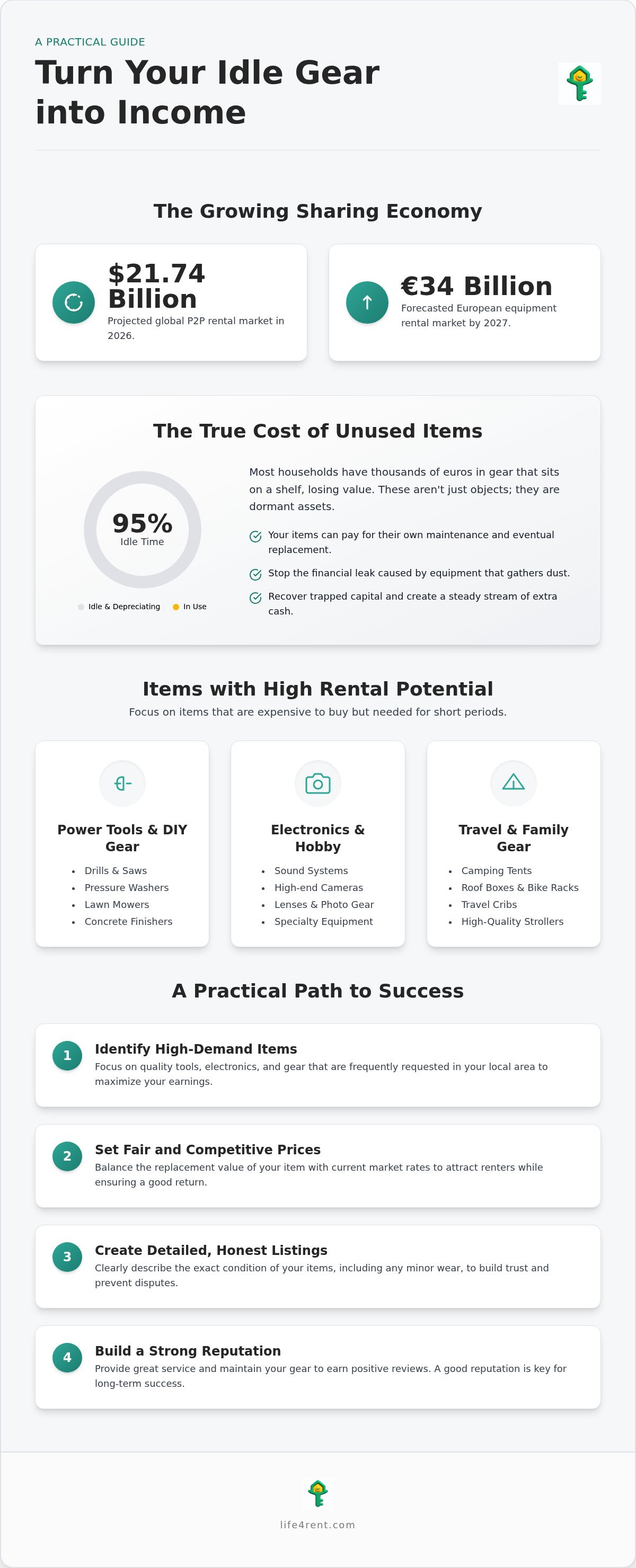
Did you know the global market for peer-to-peer rental apps is projected to reach $21.74 billion in 2026? Most of us have a garage or spare room filled with quality tools, electronics, or camping gear that sits idle for most of the year. You can safely monetize your belongings by using established platforms that handle the logistics and provide clear frameworks for local sharing.
It's understandable if you feel hesitant about letting strangers use your property, especially with concerns about potential damage or the effort involved in listing. We've outlined how to identify high-demand items across 17 categories like baby gear and power tools. You'll also find a practical workflow to set fair prices and manage your listings without it becoming a second full-time job.
The process focuses on security and efficiency so you don't have to worry about the safety of your items. European rental trends show exactly what renters are looking for right now, which helps you target the right audience. You don't need a massive inventory to start seeing a return on the things you already own.
The Reality of the Peer-to-Peer Rental Market in 2026
Consumer habits across Europe have undergone a significant transformation. High-quality equipment is expensive to buy and maintain; many people now prefer to pay for access only when they need it. This shift has turned the sharing economy into a practical tool for managing household budgets. You can easily monetize your belongings by tapping into this massive demand for temporary use.
The European equipment rental market is forecasted to reach a total value of €34 billion by 2027. Most households hold thousands of euros in gear that sits on a shelf for 350 days a year. These items don't just take up space; they lose value every month. Listing them on a platform like Life4Rent turns these dormant objects into active sources of income.
Market trends in 2026 show a clear move toward professionalization. Success for individual owners depends on the quality of their listings and their ability to meet specific local needs. You have the opportunity to provide value across 17 distinct categories, including tools, electronics, and baby gear. This variety ensures that almost any functional item in your home has the potential to generate revenue.
Local Demand Trends in European Cities
City dwellers often face a common problem: a lack of storage space. It's hard to justify owning a bulky mitre saw or a roof box when you live in a small apartment in Berlin or Paris. You'll see the highest demand in these densely populated areas where residents value convenience over storage. Short-term needs for specific tasks drive the majority of rental requests.
The Cost of Idle Equipment
Every piece of gear you own has a constant depreciation cost. Even if a camera or a drill stays in its box, its market value drops as newer models arrive. You should view your belongings as assets that can pay for their own maintenance and eventual replacement. Unused items represent trapped capital that you can recover through a P2P marketplace.
When you monetize your belongings, you stop the financial leak caused by items that simply gather dust. This approach allows your gear to fund your next upgrade or simply cover its own storage costs. It's a reliable way to offset rising costs while helping your neighbors finish their projects.
Items with the Highest Potential for Daily Earnings
Proper selection of your inventory is the first step toward a successful rental strategy. You can monetize your belongings more effectively by focusing on objects that are expensive to purchase but only needed for short periods. This logic applies to everything from industrial-grade tools to specialised hobby gear that usually gathers dust in a closet.
Academic research on Peer-to-Peer Rental Markets suggests that market dynamics favor owners who list durable, high-utility goods. These items provide consistent returns because the cost of ownership outweighs the cost of a one-day rental for most users. You don't need a huge inventory to start; a few well-chosen pieces of equipment can create a reliable income stream.
Power Tools and Home Improvement Gear
Drills, saws, and concrete finishing tools are staples for DIY enthusiasts who don't want to store bulky machinery. Heavy equipment often commands higher daily rates, provided you keep the units well-maintained and clean. Seasonal items like pressure washers or lawn mowers see a massive spike in demand during the spring and summer months.
Electronics and Specialised Hobby Equipment
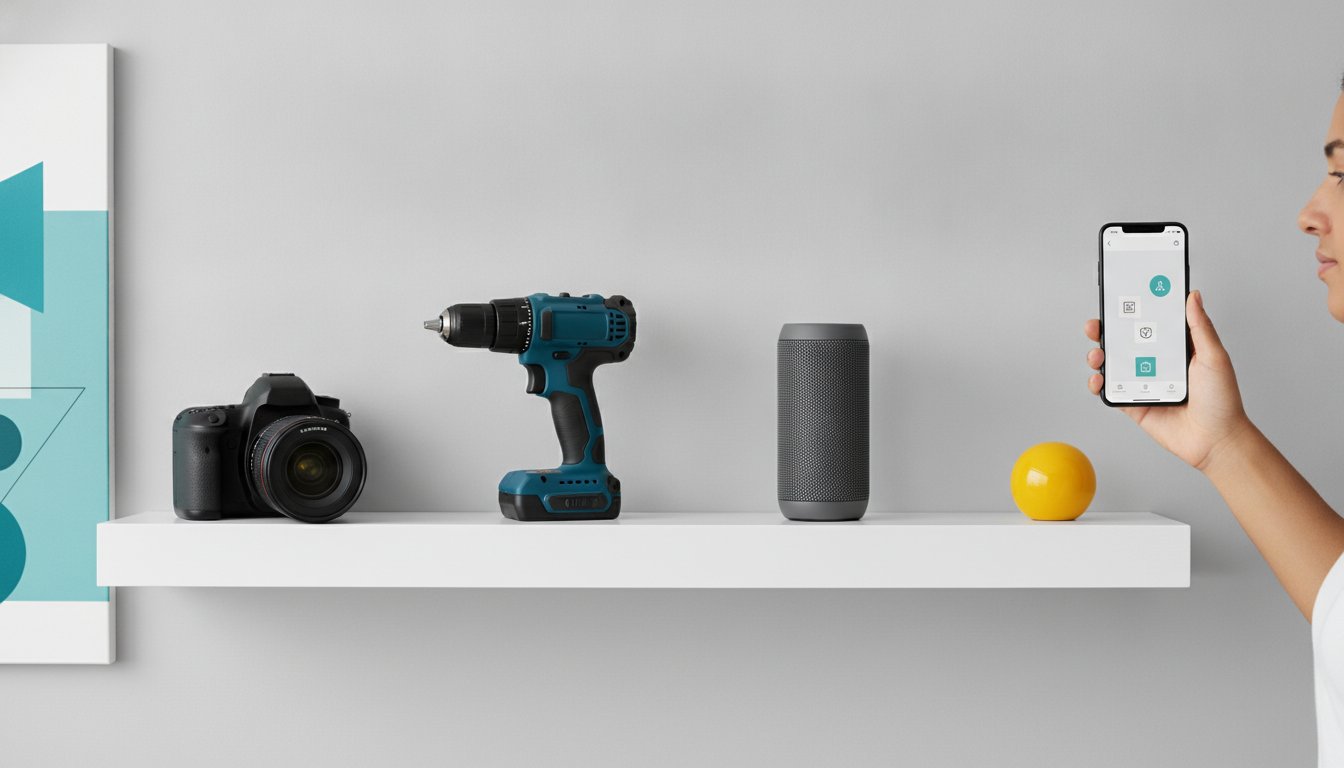
Event planners and hosts often look for temporary solutions for gatherings. Many people prefer to rent a sound system for a weekend party instead of investing in professional audio gear. High-end cameras and lenses also fit perfectly into a peer to peer equipment rental strategy because of their high market value and portability.
Families on the move represent another significant opportunity. Baby gear, such as travel cribs and high-quality strollers, is often in high demand for visiting relatives or holiday travelers. You can also look at outdoor items like camping tents, roof boxes, and bike racks, which are essential for seasonal trips but take up too much space in most city apartments.
You'll find 17 distinct categories to explore when you browse the current listings on the marketplace. You should check your storage areas for items that fit these descriptions to see which of your possessions could start paying for themselves today.
Fair Pricing and Safety Measures for Your Gear
Success in the rental market depends on finding the right balance between profit and protection. You can effectively monetize your belongings if you treat your gear as a small business asset rather than just a spare tool in the shed. This involves calculating a daily rate that covers your time and maintenance while remaining competitive enough to attract steady bookings.
Security is the most common concern for new owners, but the right precautions make the process predictable. You don't have to guess when it comes to protecting your property. Check the listing’s deposit and return conditions.
Market Research for Competitive Daily Rates
You should check similar listings in your specific city to find a realistic price point to monetize your belongings effectively. A price that is too high will often result in zero bookings, as renters will simply look for a cheaper alternative or buy the item themselves. Conversely, a rate that is too low might not be worth the effort of meeting a renter for the hand-off.
Condition and age play a significant role in how much you can charge. You'll likely see more success if you offer a 10% or 15% discount for weekly rentals, as this appeals to professionals or DIYers with longer projects. This strategy secures a larger lump sum and reduces the frequency of cleaning and checking your equipment between users.
Managing Risk and Security Deposits
Clear communication is your best defense against disputes. You must document the condition of your item with clear, timestamped photos before every rental period begins. This practice provides undeniable proof if an item returns with new damage and makes the claims process much faster.
A security deposit remains the most effective way to ensure renters treat your property with respect. Most platforms hold these funds during the rental period to cover minor wear or late returns. It's also worth reading up on consumer safety in P2P rentals to understand the broader landscape of protection and liability in the sharing economy.
Protection plans and insurance are essential for high-value assets like pro-grade cameras or heavy machinery. You should verify what the platform covers before you list an item worth more than a few hundred euros. If you feel ready to start, list your first item to see how the security features work in practice.
Practical Steps for a Successful First Rental
Success with your first listing comes down to thorough preparation. You can effectively monetize your belongings by thinking like a renter who wants to avoid any unpleasant surprises. A clear, detailed post reduces the number of back-and-forth messages and sets the foundation for a five-star review.
This initial effort pays off when your profile starts attracting more interest based on your reputation for reliability. You don't need to be a professional photographer or a writer to get this right. You just need to be honest and responsive to the people who are interested in your gear.
Honest Item Descriptions and Quality Photos
Accuracy is your best tool for building trust. You should list the exact model name and specify every accessory included in the rental. If your power tool comes with a specific carrying case or a spare battery, include those details in the text so people know exactly what they're paying for.
Potential renters need to know if your gear requires specific expertise or safety equipment to operate. Mention if items like goggles, gloves, or ear protection are necessary. Photos are the most persuasive part of your listing, so take them in a bright, well-lit area. Use multiple angles to show the actual item in its current condition, including any minor scratches. These images help you monetize your belongings without facing condition-based disputes after the rental ends.
Communication and Handover Logistics
Fast response times are essential in a competitive marketplace. Most people look at several options simultaneously and will usually book with the owner who replies first. You don't need to be available 24/7, but checking your notifications a few times a day can significantly increase your booking rate. Quick communication shows that you are a professional and reliable owner.
Clear logistics make the physical exchange stress-free for everyone involved. Set a specific meeting point and time that is easy to find, such as a local landmark or a safe public space. Use the handover moment to explain any quirks, like a specific sequence to start a motor or a trick to folding a travel stroller. This brief demonstration ensures the renter feels confident and is more likely to return your property in good condition.
You can create your first listing today to see how easy it is to manage your own rental process.
Long-term Growth on the Life4Rent Marketplace
Consistency is the key to transforming occasional rentals into a predictable financial stream. You can monetize your belongings on a larger scale once you establish a reputation for quality and reliability. This transition requires a shift in mindset from simply clearing out a garage to managing a small portfolio of assets that work for you.
The marketplace rewards owners who treat their gear with professional care. You don't need a massive inventory to see results, but you do need a plan for the future. By focusing on long-term goals, you ensure that your items continue to provide value without requiring constant oversight.
Reviews and Trust Building
Positive reviews are the most valuable asset you have in the sharing economy. Renters look for owners with a history of punctuality and honest descriptions before they commit to a booking. You should encourage every person who uses your gear to leave a detailed review once the item is back in your hands.
Professionalism in the face of occasional issues is also a major factor in your long-term success. You should address any neutral or negative feedback with a solution-oriented approach rather than getting defensive. A high overall rating eventually gives you the leverage to justify slightly higher daily rates compared to new, unverified listings.
Maintenance and Item Care
Longevity of your equipment depends entirely on how well you look after it between bookings. You should clean every item thoroughly and check for signs of wear before it goes out to the next person. This practice maintains the value of your gear and ensures that every renter has a positive first impression of your service.
A simple logbook is a practical way to track the usage and service history of your high-yield items. You'll know exactly when a power tool needs new brushes or a camera sensor needs professional cleaning. You must retire any gear that shows signs of becoming unsafe or unreliable to protect your reputation and the safety of your users.
The data from your first few months will show you which items are worth a further investment. If your pressure washer is booked every weekend, it might be worth adding a second unit or a related attachment to your profile. You'll find that you can monetize your belongings more effectively when you focus on the specific categories that show the highest local demand in your city.
Get More Value from Your Household Assets
The peer-to-peer rental market provides a straightforward way to offset your living expenses by using what you already own. You can effectively monetize your belongings by identifying which of your items in the 17 available categories are most needed by your neighbors. Success depends on clear communication and honest descriptions to build a profile that people trust.
Thousands of owners across Europe have already turned their idle equipment into a reliable source of extra cash. This secure peer-to-peer marketplace handles the logistics so you can focus on providing a great experience for your renters. You don't need a large inventory to begin seeing the benefits of this sharing model.
You can start listing your items on Life4Rent today and see how your unused gear can pay for its own maintenance. It's a practical step toward a more efficient way of living that benefits both your wallet and your community.
Frequently Asked Questions
Is it safe to let strangers rent my expensive tools?
You'll find that renting to strangers is manageable when you use a structured platform that handles agreements and identity verification. Most owners use security deposits to ensure that renters treat their high-value tools with respect. You should also take clear photos of your equipment before every hand-off. This documentation provides a solid record in case any disputes arise later.
How much money can I realistically make from renting out my belongings?
Your potential earnings depend on the type of items you list and the local demand in your city. High-value equipment like professional cameras or heavy-duty power tools typically command higher daily rates than smaller household goods. You can monetize your belongings more effectively by researching what similar items cost to rent in your area. Consistency and positive reviews also help you justify better pricing over time.
Do I need special insurance to rent out my items on Life4Rent?
You should check the specific protection plan details provided by the platform for the current year. While some peer-to-peer marketplaces offer coverage for high-value assets, you may also want to review your existing home insurance policy. Many owners find that the platform's built-in security measures and deposit systems provide enough peace of mind for daily rentals. Always verify the coverage limits before you list expensive gear.
What happens if a renter damages my equipment?
Damages are typically handled through the security deposit you set during the listing process. You must have clear photos taken before the rental to prove that the damage occurred while the item was away. The platform facilitates the agreement management to help you recover costs for repairs or replacements. It's helpful to explain any quirks of the item during the handover to prevent accidental damage from misuse.
How do I handle the taxes on my rental income?
Income earned from renting your personal gear is considered taxable in most European countries. It's a good practice to set aside roughly 20% of your gross revenue to cover potential tax obligations at the end of the year. You should keep a simple log of your earnings and any expenses related to maintenance. Consult a local tax professional to understand the specific regulations in your region.
Which categories of items are currently in the highest demand?
High-demand categories often include heavy power tools, specialised electronics, and seasonal outdoor gear. You'll also see frequent requests for baby products like travel strollers and car seats, especially in urban areas. Life4Rent covers 17 distinct categories, so you have plenty of options to find what works best. Items that are expensive to buy but only needed for a few days tend to perform the best.
Can I rent out items that I still use occasionally myself?
You have complete control over when your items are available for rent. You can monetize your belongings by simply blocking out the dates on your calendar when you need the items for your own projects. This flexibility allows you to generate extra income without giving up the convenience of owning your equipment. Most owners find that renting out gear during their idle periods is an easy way to offset the cost of ownership.
Life4Rent
Rent it. Earn from it. Own less, access more.
Browse peer-to-peer rentals near you, or list what you own and start earning — all protected by Life4Rent Protect.
About the author
Michael Wright
Dublin, Ireland
Michael covers consumer rights, rental law, and EU platform regulation for the Life4Rent Renting Academy. He has reported on digital market policy and renter protections across Europe, and brings a clear, practical perspective to topics like deposit disputes, insurance, and the legal rights of renters and owners.