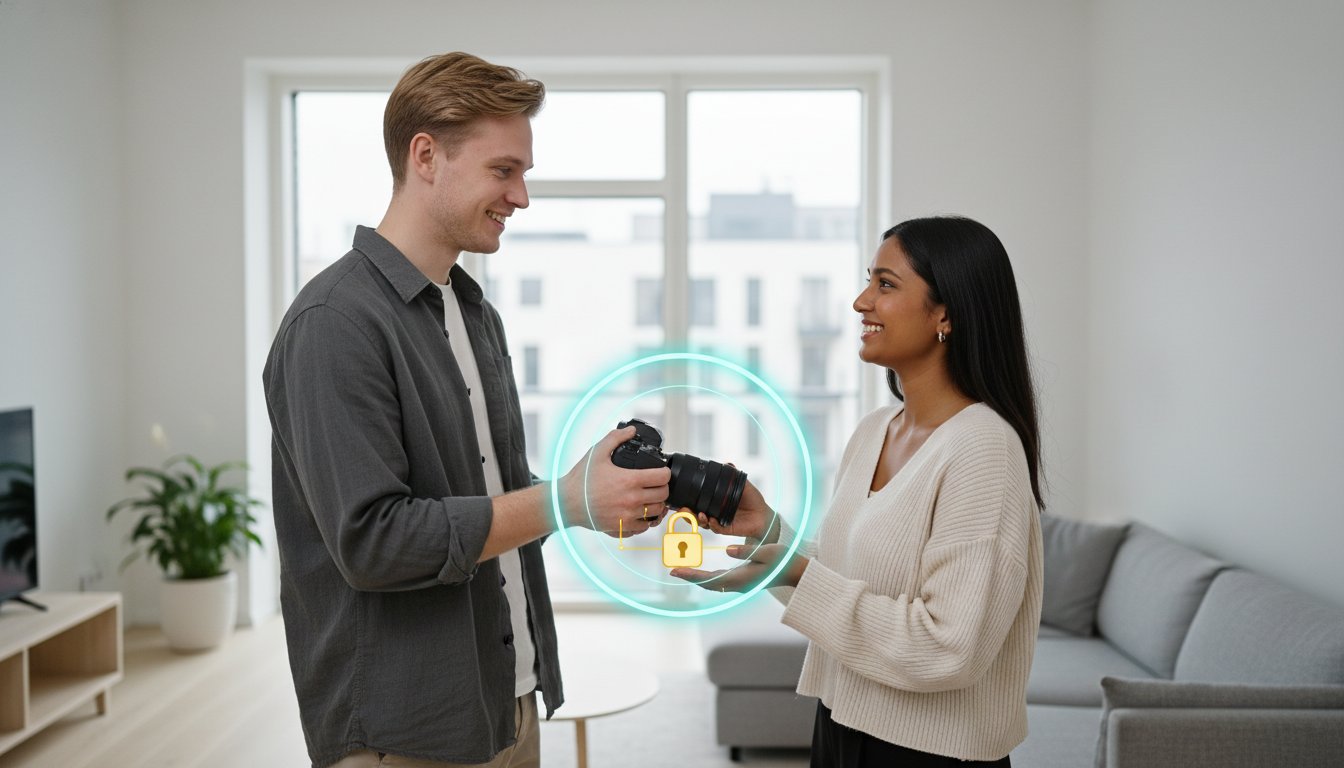
Is Renting Out Stuff Safe? A Practical Look at P2P Security in 2026
May 3, 2026
Published by Life4Rent · Operated by Brohf Software OÜ
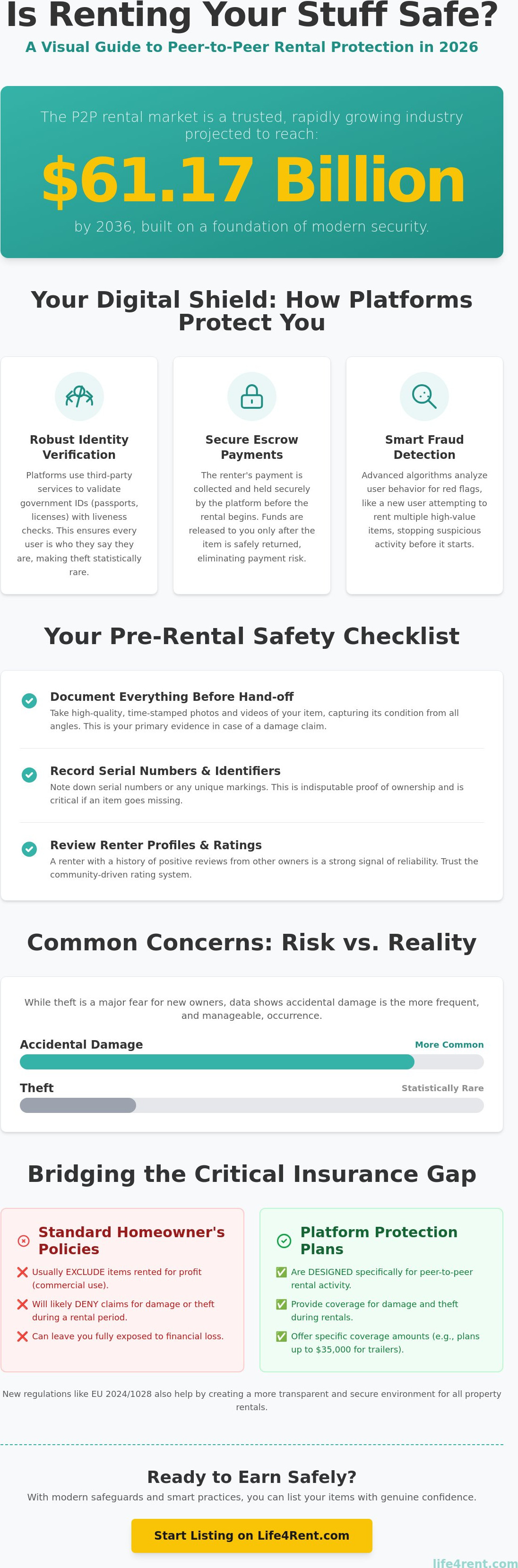
The peer-to-peer rental market is projected to reach $61.17 billion by 2036, which suggests that millions of people have already moved past the initial "what if" phase. You've likely wondered, is renting out stuff safe when it involves expensive equipment or personal property? It's a valid concern, especially when you think about the risk of a stranger damaging a piece of gear you've worked hard to buy. You want to earn extra cash, but you don't want to lose your investment in the process.
We agree that the fear of a broken item or a complex insurance claim is the biggest hurdle for most new hosts. You'll learn how to protect your belongings using specific platform safeguards and the latest protection products available in 2026. Specific tools like the towlos Protect+ plan now offer up to $35,000 in coverage for trailers, while EU Regulation 2024/1028 creates a more transparent environment for all property rentals. A practical checklist will help you minimize risk so you can list your first item with genuine confidence.
The Real Risks and Rewards of Peer-to-Peer Renting
People often hesitate before listing their first item because they wonder, is renting out stuff safe? It's a natural reaction to the thought of a stranger taking your camera or power tools. However, the data suggests that the vast majority of these exchanges happen without any major issues. Most users on these platforms are just like you; they want access to quality gear without the high cost of ownership.
To better understand how this logic applies to larger assets, watch this helpful video:
The growth of the sharing economy has forced platforms to build better security layers. Theft is statistically rare, especially on sites that mandate government identity verification. You aren't just handing your keys to a random person from the street. You're dealing with a verified user whose digital footprint is tracked by the platform.
Safety isn't just a single button you click on a website. It's a process that starts with how you write your listing and ends with the return inspection. When you realize that 66.4% of P2P rental users in 2026 are individual consumers looking for specific solutions, the "stranger danger" starts to fade. You're part of a community that relies on mutual trust and high-quality ratings to function.
The rewards of this model go beyond just the extra cash in your bank account. You're helping someone complete a project or experience a hobby they couldn't otherwise afford. This creates a cycle where high-quality items stay in use instead of gathering dust in a garage. Owners who follow the platform rules often find that the income easily covers the cost of maintenance and even helps fund their next equipment upgrade.
Common Concerns for New Owners
Theft usually tops the list of worries for owners of high-value electronics or professional tools. While it's a scary thought, accidental damage is actually a more frequent occurrence. A renter might drop a lens or scratch a trailer during a weekend trip. Liability concerns also arise if someone gets hurt while using your equipment. These are real risks, but they're manageable if you treat safety as a continuous process rather than a one-time setting.
How the Sharing Economy Has Changed
Technology has made it much harder for dishonest people to hide. Modern platforms use community ratings to create a transparent history for every participant. If a renter has five stars from ten different owners, they've proven they can be trusted. Digital paper trails now record every message and agreement; this gives you a solid record if a dispute happens. By 2026, the industry has moved toward total transparency, making it much easier to verify who you're dealing with before the rental starts.
Technical Safeguards That Keep Your Items Secure
Modern technology has changed the way we answer the question: is renting out stuff safe? You don't have to rely on a handshake or a gut feeling anymore. Platforms now use several layers of digital protection to make sure your equipment and your money stay secure throughout the entire process.
These systems work in the background to filter out people who shouldn't be there. You'll find that these technical barriers act as a powerful deterrent against misuse. If you're curious about how these protections look on a live platform, you can explore current listings to see the verification badges on user profiles.
The Role of Identity Verification
Platforms use specialized third-party services to validate passports, driver's licenses, and national ID cards. This isn't just a simple photo upload. The software checks for security features on the ID and often requires a liveness check or a selfie to match the face to the document. This process ensures that every person you interact with is exactly who they claim to be.
Fraud detection algorithms also play a massive part in your safety. These systems monitor account behavior for red flags, such as a brand-new user trying to rent multiple high-value items within minutes of joining. By flagging these patterns early, the platform can block suspicious activity before it ever reaches your inbox. Verified profiles give you the peace of mind that a real, accountable person is behind every request.
Secure Financial Transactions
Money is handled through secure payment gateways that use an escrow-style model. This means the platform collects and holds the renter's funds before the rental period even begins. You won't have to chase people for payment or worry about a bank transfer failing. The system confirms the money is available, giving you the green light to proceed with the hand-off.
Credit card holds often serve as a soft security deposit. The platform can place a temporary freeze on a specific amount of the renter's credit limit. This acts as a financial guarantee if there are minor issues or late returns. Once the item is back and you've confirmed its condition, payouts are sent directly to your bank account. This digital paper trail is much safer than dealing with cash and provides a clear record for your own bookkeeping.
Automated contracts and internal messaging systems add the final layer of security. The contract clearly outlines the responsibilities of both parties, so there's no confusion about who pays for what if something breaks. Internal messaging keeps your private contact details, like your phone number or personal email, hidden until you're comfortable sharing them. Review systems then act as a long-term filter, ensuring that only reliable users remain active in the community.
Practical Steps to Protect Your Belongings
Technical safeguards provide a strong foundation, but your personal routine makes a massive difference in the final outcome. A few minutes spent documenting your gear properly removes most of the stress from the process. If you ever need to ask is renting out stuff safe, the answer often depends on how well you've prepared your evidence before the item leaves your sight.
Record the serial numbers of every item you list and keep them in a secure digital folder or a cloud-based spreadsheet. This simple step is vital if an item is lost or if you need to prove ownership for an insurance claim later. You should also consider adding discreet markings, such as a small UV-ink signature or a tiny sticker in an inconspicuous spot, to help you identify your gear if it gets mixed up with similar equipment.
Documentation and Condition Reports
Take at least five high-resolution photos from different angles right before you hand the item over to the renter. You want to capture the current state of the item, including any existing wear, so there's no room for debate when the rental period ends. A clear shot of the screen, the battery compartment, or the structural joints can save hours of back-and-forth if a dispute arises.
Video the item in operation to prove it works perfectly before the hand-off. If you're renting out a drone, show it powering on and the rotors spinning; if it's a camera, take a quick burst of photos to show the sensor is clean. Use a standard checklist to note any minor scratches or cosmetic marks, and have the renter acknowledge these details. This level of transparency protects both parties and sets a professional tone for the entire transaction.
Safe Exchange Practices
Public locations that are well-lit and busy are the gold standard for peer-to-peer exchanges in 2026. Coffee shops, busy plazas, or even designated "safe exchange zones" at local police stations are much better choices than your front porch. These environments provide natural surveillance and make everyone feel more comfortable during the meeting. You don't have to invite strangers to your home to run a successful rental listing.
Ask the renter to show their government-issued ID when you meet so you can match it against their platform profile. Most people expect this and won't mind the extra ten seconds it takes to verify their identity in person. Use this time to explain any specific quirks or safety rules for the equipment. A quick demonstration of how to lock a trailer hitch or change a lens can prevent accidental damage caused by a simple lack of experience.
Disputes and Damage Management
Even with the best preparation, you might eventually face a situation where an item returns in a different state than when it left. This is the moment when most people ask is renting out stuff safe in a more urgent way. You don't have to jump straight to legal action or feel helpless; instead, you should rely on the platform's established dispute resolution framework. Clear communication often fixes 90% of minor issues before they ever need a formal claim.
Contracts are designed to define the specific difference between cosmetic marks and actual functional failure. You'll find that having a written agreement through the platform protects you much better than a verbal one. If you notice a problem, you should report it to the support team immediately. Most platforms have a 24-to-48-hour window for reporting damage after a rental ends, so don't wait to inspect your gear.
Wear and Tear vs Damage
You need to accept that normal wear and tear is a standard part of the rental business model. Minor scuffs on a tool on rent, like light scratches on a drill casing or dust in a vacuum filter, are usually considered acceptable use. These marks don't affect the performance of the item and are simply the cost of doing business as an owner.
Actual damage involves broken components, missing parts, or any issue that stops the item from working correctly. This is why your photos from the start of the rental are your primary evidence. If you can show a clear "before" and "after" comparison, the platform can easily validate your claim. You'll have a much harder time proving your case if you didn't document the condition properly at the hand-off meeting.
The Mediation Process
Platforms act as a neutral third party to review the evidence provided by both the owner and the renter. They don't just take sides; they look at the photos, the messages, and the contract terms to make a fair decision. Security deposits held by the payment gateway can often be used to cover repair costs quickly without you needing to chase the renter for cash yourself.
Legal templates provided by the platform simplify the resolution process significantly. You don't need to hire a lawyer for a scratched lens or a dented trailer. The mediation team handles the heavy lifting, which is a much more efficient path than the small claims court route often suggested on social media. If you're ready to see how a professional marketplace handles these details, you can check our current security protocols to learn more about our owner protections.
The Safety Net: Item Protection and Insurance
You might still feel a bit uneasy about the financial side of the sharing economy. You've seen the tech safeguards and documented your gear, but the big question remains: is renting out stuff safe if a total loss occurs? You shouldn't rely on your standard homeowners insurance for the answer. Most personal policies specifically exclude any activity that generates a profit, which means they'll likely deny a claim if your gear is stolen while under a rental contract.
Platform-provided protection plans act as the necessary bridge between your personal coverage and the reality of peer-to-peer business. These plans aren't traditional insurance, but they limit your financial exposure by covering accidental damage or theft during the rental period. For example, some equipment platforms in 2026 charge around 15% of the rental cost to provide these safeguards. This small fee ensures that your out-of-pocket expenses are capped at a specific deductible if something goes wrong.
Specialized "off-platform" insurance for P2P hosts is also an option in 2026, with premiums starting as low as $20 per month for those who want an extra layer of security. New products like the Protect+ plan for trailer rentals now provide up to $35,000 in coverage for accidental physical damage. You can choose between different plans with deductibles ranging from $500 to $1,500 depending on your comfort level with risk.
Liability protection is another critical layer you shouldn't overlook. If a renter claims they were injured while using your ladder or power tool, you could face significant legal challenges. Modern marketplaces often include liability coverage that protects the owner from these types of third-party claims. This safety net allows you to list your items without worrying that a simple accident will lead to a personal lawsuit.
Platform-Specific Safeguards
Life4Rent includes built-in protections for many categories of gear to help you get started with confidence. You should always check the terms for specific exclusions, as high-end jewelry or certain motorized vehicles might require separate, specialized coverage. Deductible amounts can vary based on the value of the item, so you'll want to understand these numbers before you publish your first listing. You'll find the entire experience much more predictable when you know exactly how much you're responsible for in a worst-case scenario.
Choosing the Right Protection
High-value items like audio equipment rental packages need extra scrutiny because of their technical complexity. You must verify if the protection plan covers total theft and loss or if it only applies to accidental damage during use. Keep your original purchase receipts in a digital file to prove the replacement value of your items if you ever need to file a claim. The combination of platform protections and thorough documentation turns a potential risk into a manageable part of your side business.
Manage Your First Listing with Confidence
Success in the peer-to-peer market comes down to using the tools already at your disposal. You've seen that the answer to is renting out stuff safe depends on your commitment to documentation and the platform's verification layers. Verified user profiles, secure payment processing, and a community-driven rating system now work together to keep your assets protected.
You can minimize most risks by following the simple steps of taking condition photos and recording serial numbers. These habits, combined with platform protection plans, ensure that a single accident doesn't ruin your financial goals. The sharing economy in 2026 is built on transparency and mutual accountability rather than just good luck.
If you have gear sitting idle in your garage, you can turn it into a reliable income stream without unnecessary stress. You'll find that the process is straightforward when you have the right support behind you. Start listing your items safely on Life4Rent today and see how easy it is to share your equipment with others.
Frequently Asked Questions
Is it safe to rent out my expensive camera to a stranger?
You can safely list your high-end camera if the platform requires government ID verification for every user. Most owners find that is renting out stuff safe when they interact with verified individuals who have a clear digital footprint. You're dealing with individual consumers who represent 66.4% of the market and simply need quality gear for a specific project.
What happens if a renter breaks my tools?
You should notify the platform support team within the required 24-to-48-hour window if your tools are returned broken. The mediation team will review your pre-rental photos and the current state of the item to determine a fair resolution. Security deposits held by the payment gateway can often cover these repair costs without any extra hassle for you.
Does my homeowners insurance cover items I rent out?
You'll find that standard homeowners insurance policies almost always exclude items used for profit or business. You need to rely on platform-specific protection plans or buy specialized P2P insurance, which can cost as little as $20 per month. These plans are designed to fill the coverage gaps that personal insurance leaves behind in the sharing economy.
How do I know if a renter is trustworthy?
You should check the user's star rating and read previous reviews from other owners to gauge their reliability. Platforms also use fraud detection algorithms to monitor account behavior and block suspicious users before they can message you. A verified profile badge is your best indicator that the person is exactly who they claim to be.
Can I refuse a rental request if I feel uneasy?
You have the right to decline any rental request that makes you feel uncomfortable for any reason. You don't have to justify your decision to the renter or the platform. It's your property, and maintaining your peace of mind is a vital part of running a successful and sustainable rental listing over the long term.
What should I do if my item is not returned on time?
You should first message the renter through the internal system to see if they're simply running late. If you don't get a response, contact platform support immediately to start the recovery or insurance process. Most contracts include late fee clauses that compensate you for the extra time your item is away from your possession.
How can I prove an item was damaged by the renter?
You can prove damage by presenting the high-resolution photos and operation videos you took right before the hand-off meeting. These time-stamped files act as your primary evidence during the platform's mediation process. Without this documentation, it's much harder to show that the specific issue didn't exist before the rental period started.
Is it better to meet in person or use a drop-off point?
Public meetings in well-lit spaces like coffee shops offer the highest level of security for both the owner and the renter. You can verify the renter's ID in person and demonstrate how to use the equipment safely. While drop-off points are convenient, they don't allow for the immediate condition check that protects your financial interests.
Life4Rent
Rent it. Earn from it. Own less, access more.
Browse peer-to-peer rentals near you, or list what you own and start earning — all protected by Life4Rent Protect.
About the author
London, United Kingdom
Fred covers rental technology, app features, and platform mechanics for the Life4Rent Renting Academy. With a background in fintech journalism, he specialises in breaking down how digital rental platforms work — from payment protection and identity verification to smart pricing and booking management.