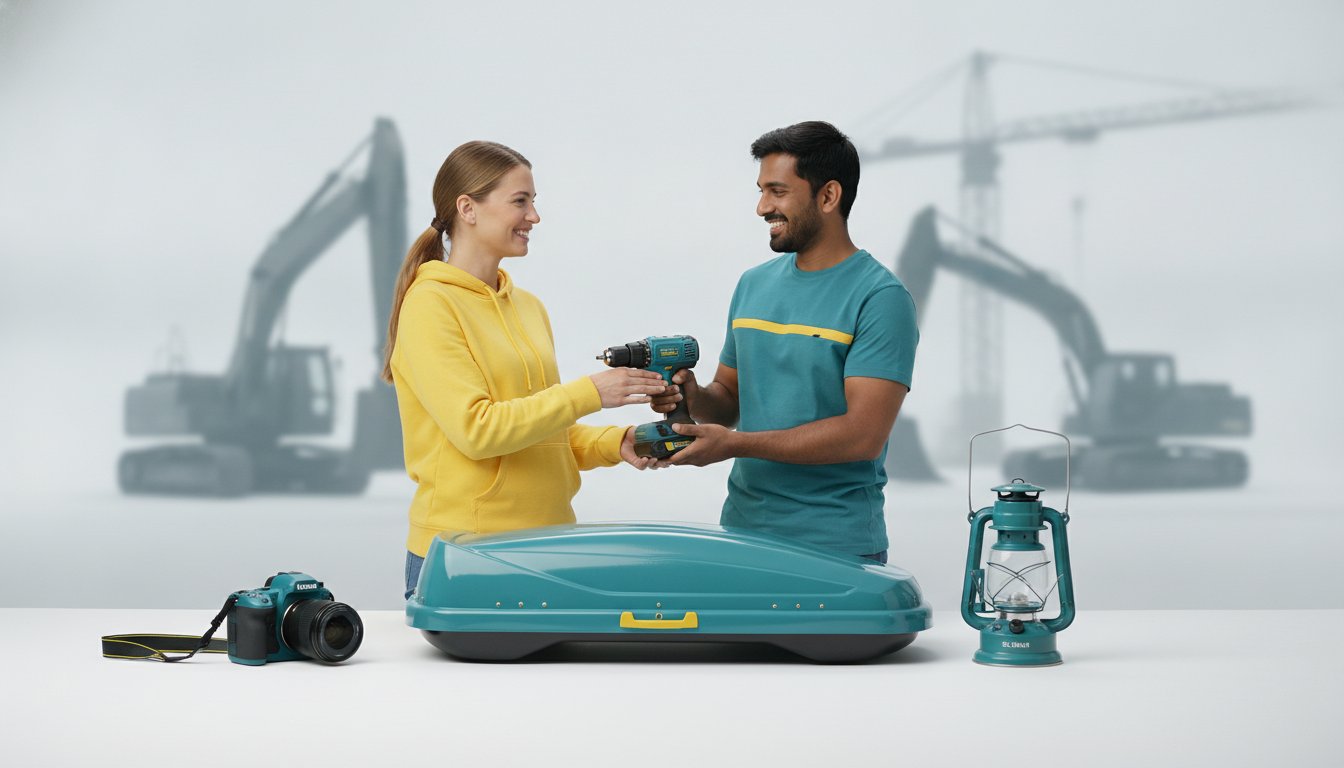
2Quip vs. General Peer-to-Peer: A Practical Rental Platform Comparison
August 16, 2026
Published by Life4Rent · Operated by Brohf Software OÜ
A complex AI equipment finder might actually make your weekend project more expensive and slower than a simple local listing. It's frustrating to spend an hour setting up an account only to find hidden subscription tiers or a $3,000 insurance deductible. This peer to peer rental platform comparison evaluates how specialized tools stack up against general marketplaces like Life4Rent to save you from those surprises.
You probably want a rental process that feels like borrowing from a neighbor, not managing a corporate fleet. Most people just need a reliable drill or a roof box without navigating complex AI interfaces or paying for features they don't use. Specific details on insurance and fee structures help you decide where your money and gear are safest.
Real-world trade-offs exist between 2Quip’s automated systems and the diverse, 17-category approach of a general marketplace. A clear view of high-tech features versus straightforward utility helps you choose the right tool for your next project.
The Basics of 2Quip and General Peer-to-Peer Platforms
Peer-to-peer rental works by letting you rent out items you already own to people in your local community. It's an honest way to make extra money from a lawnmower or a pressure washer that usually sits in the garage for months. This peer to peer rental platform comparison shows that your experience changes significantly depending on whether you choose a niche site or a broad marketplace.
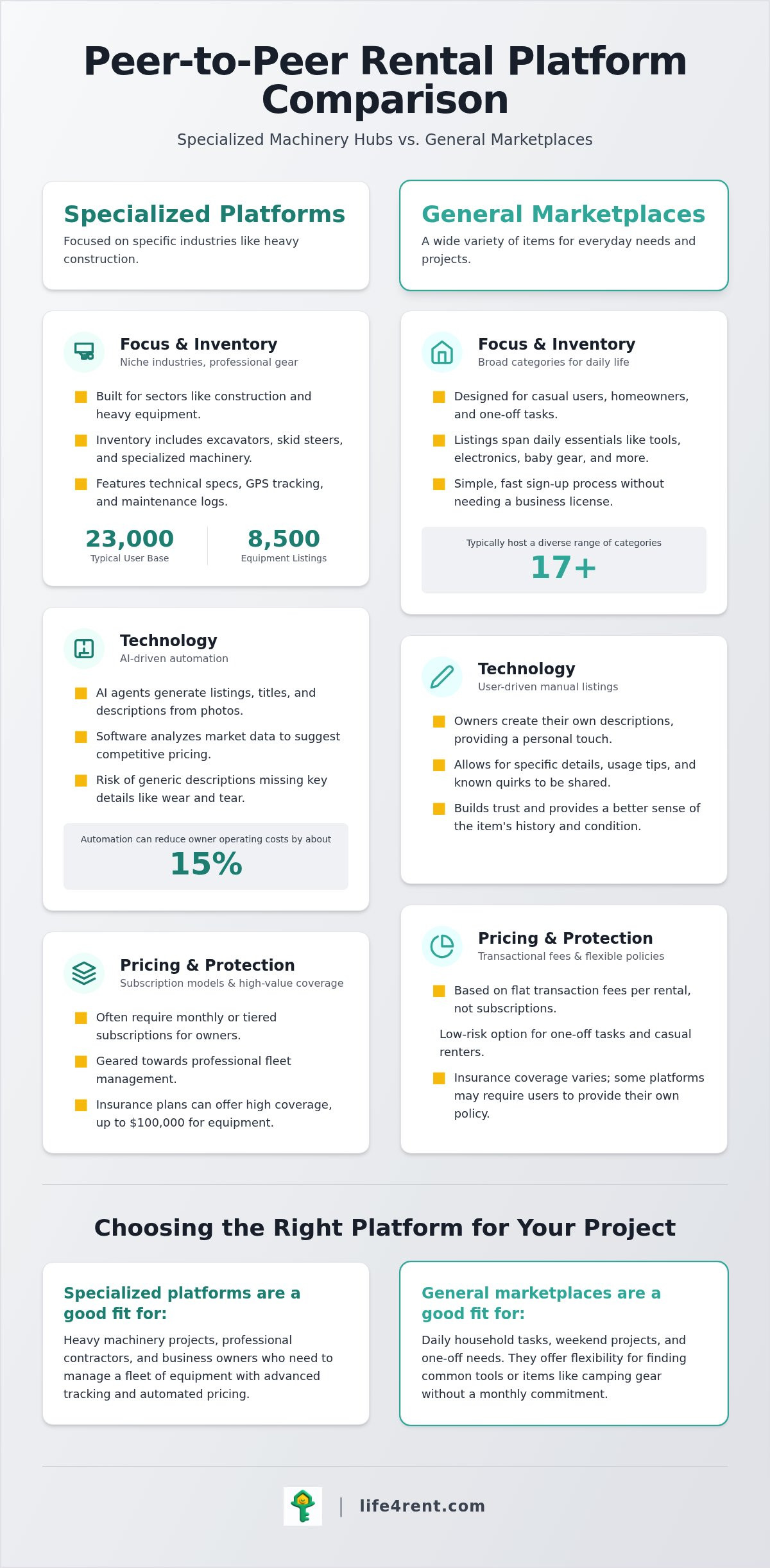
2Quip focuses heavily on the construction and heavy gear sector. It currently manages about 8,500 equipment listings for its 23,000 users. You'll find that these specialized platforms prioritize machinery like excavators or skid steers. They're built for professional contractors who need specific technical specs and long-term reliability for job sites. You will notice that specialized platforms often cater to professional contractors rather than typical homeowners.
Life4Rent takes a different path by hosting 17 distinct categories for daily essentials. You can find baby gear, electronics, and camping equipment alongside standard power tools. It's designed for daily life, so you don't need a business license or a complex subscription to get started. This flexibility makes it a practical choice for someone who needs a ladder for one day or a projector for a movie night, though for professional-grade advertising displays and large-scale events, a specialized provider like Advent.lt is often preferred.
What Defines a Specialized Rental Platform?
Niche sites focus on one industry, such as heavy construction or high-end audio equipment. They often include technical features like GPS tracking or telematics to help owners monitor expensive machinery. This specialized approach is also common in luxury transport, where providers like Delta Rentals Dubai offer high-performance supercars with a focus on precision and vehicle health. This focus is helpful for professionals, but it often means the inventory is limited if you just need a car roof box. You might find the interface more technical than a standard shopping site because it tracks engine hours and maintenance logs.
The Role of General Marketplaces
General marketplaces provide a single location for diverse needs. You can rent a high-chair for a visiting relative and a hammer drill for a home project in the same afternoon. These platforms usually offer a faster sign-up process because they cater to casual users rather than industrial fleets. You can learn more about peer to peer equipment rental to understand how these diverse networks function for different projects. The lack of mandatory subscriptions for individual renters makes them a low-risk option for one-off tasks.
Comparing the Tech: AI Agents vs. User-Driven Marketplaces
Technology shapes how you find and list gear in the modern market. This peer to peer rental platform comparison highlights a major shift toward automation in the industry. 2Quip uses an AI model called Alex to generate listings and analyze pricing for equipment owners. It's a tool designed to help owners manage their inventory without spending hours on data entry.
These AI tools can help owners set competitive rates based on local market data. The software analyzes thousands of data points to suggest a price that matches current demand. Some industry reports suggest this automation can reduce operating costs for owners by about 15%. However, it's not always clear if those savings are passed down to the person renting the equipment.
How AI Listing Generation Works
Owners upload a photo, and the AI suggests a title and description based on what it sees. The system pulls technical specifications from a database to fill in the blanks. This speed is helpful for professional fleets, but errors can happen if the AI doesn't recognize a specific model or age. You should always check actual photos even if an AI wrote the description to ensure the item matches your needs.
Automated descriptions can sometimes miss critical details like specific wear and tear or missing accessories. A generic description might say a generator is in "good condition," but it won't mention a loose handle or a finicky starter cord. These small details matter when you're on a deadline and need the tool to work immediately. Accuracy in these descriptions is a key part of consumer protection in the sharing economy.
The Value of Manual Listings
User-driven platforms like Life4Rent rely on owners to provide manual descriptions of their gear. These listings often contain specific tips from the owner on how to use the tool effectively. You get a better sense of the item history and condition from a human writer who knows the tool's quirks. Potential issues are much easier to spot when the description isn't a pre-written template.
A neighbor might tell you that a certain lawnmower works best on a specific height setting or that a tent has a trick to the zipper. This personal touch builds trust and helps you avoid frustration during your project. If you want a platform where descriptions feel like a real conversation, you can check out current listings to see how local owners describe their items. This manual approach keeps the focus on the actual utility of the item rather than just its technical specs.
Protection and Insurance: What You Need to Know
Safety is a core pillar of any peer to peer rental platform comparison. You need to know exactly who is responsible if a machine breaks or goes missing before you hand over your keys. 2Quip provides up to $100,000 in theft and damage protection per transaction, but this coverage only applies to payments made via credit card through Stripe. A $3,000 deductible applies to these claims as of 2026, so you should calculate if the rental fee justifies that potential out-of-pocket cost.
Most people don't realize that standard insurance often distinguishes between someone stealing your gear and you willingly giving it to someone who never returns it. This distinction, known as voluntary parting, is a major factor in the economics of the sharing economy. You must verify if your chosen platform covers both scenarios because many basic policies only protect against forced entry or traditional theft. Clear photographic evidence acts as your primary defense during a dispute, so don't skip the pre-rental inspection.
Understanding the Fine Print of Rental Coverage
Coverage often depends on strict technical requirements that are easy to miss in the terms of service. For example, 2Quip requires a specific GPS tracker to be active on heavy machinery for the insurance to remain valid during the rental period. Owners must also document the condition of the gear with clear photos both before and after the handover. Claims can be denied if you don't follow the platform's specific delivery and return process exactly as instructed.
Security Features for Every Renter
Reliable platforms use third-party services like Stripe for mandatory ID verification to vet every user. This step ensures that everyone on the platform is who they claim to be before they can book or list an item. Secure payment gateways hold the funds in escrow until the rental is successfully completed, which protects both parties from fraud. The escrow process ensures that the owner doesn't get paid until you confirm the item is in the promised condition upon arrival.
You can find a tool on rent more safely by checking community ratings and previous user reviews. These systems help you identify the most reliable owners in your local area without any guesswork. High ratings usually indicate that the owner maintains their equipment well and responds quickly to messages. A transparent review system is the best way to build trust in a marketplace where you're dealing with individual neighbors rather than big corporations.
Pricing and Fees: The Real Cost of Renting
The math behind your rental is just as important as the tool itself. This peer to peer rental platform comparison reveals that cost structures vary wildly between niche and general sites. Most platforms take a percentage of the total rental price to cover their operational costs. 2Quip typically charges hosts a fee between 2% and 10%, while renters encounter a flat 10% transaction fee.
Specialized platforms often introduce subscription tiers for users who want more features. These plans provide access to AI agents or fleet management tools for a monthly fee. You'll need to decide if these professional tools are worth the recurring expense for your specific project; if you are looking for a more comprehensive way to organize your ventures, you can check out LifeOS™ by Venturis 13. Some users find that a monthly bill creates unnecessary pressure if they don't have a steady stream of rental income.
Subscription models are helpful for businesses that rent out dozens of items and need to lower their per-transaction costs. A monthly fee can provide better margins if you're managing a large inventory of high-value equipment. Casual owners who only list a few items a year will find these fees quickly drain their earnings. You should calculate your expected monthly volume before committing to a paid plan.
Pay-as-you-go models are a more honest fit for the average person. Life4Rent doesn't require mandatory business subscriptions for individual renters or owners. This approach keeps the process simple and ensures you only pay when a transaction actually happens. It's a low-risk way to test the market with a single item like a pressure washer or a camping tent.
Hidden Costs to Watch For
Service fees are the most common extra cost, and they can reach up to 25% on some platforms. You must also account for the $3,000 deductible mentioned in previous sections if you're using 2Quip's protection plan. These costs can turn a cheap daily rate into an expensive total bill.
Delivery charges can add a significant amount to your total if the owner has to transport heavy machinery. Owners might also include cleaning fees or penalties for returning gear with an empty fuel tank. You can browse local listings to see how different owners handle these extra costs in their descriptions. Transparency in the listing helps you avoid awkward conversations during the return.
Consumables like drill bits, sandpaper, or specialized fluids are rarely included in the base rental price. You should always ask the owner if these items are provided or if you need to buy them separately. A quick check of these details before you book prevents a mid-project trip to the hardware store. Small items like these are often better to buy yourself so you know they are fresh and ready for use.
Choosing the Right Marketplace for Your Project
Your final decision depends on the scope of your project and the specific items you need to acquire. This peer to peer rental platform comparison shows that niche tools and everyday gear require different approaches. Heavy machinery projects benefit from specialized tracking and AI pricing, but simple home tasks don't need that level of complexity.
Neighborhood-focused marketplaces are often more convenient for small, local items. You'll find that these platforms prioritize community trust over complex industrial features. This emphasis on local reliability mirrors the values of traditional family businesses like Juwelier Risch, where master craftsmanship and personal service are maintained across generations. A local owner can often provide more flexibility with pick-up times than a large equipment yard.
Professional contractors who need an excavator or a skid steer should consider a platform built for industrial use. The AI management tools are a practical choice if you have a large inventory of high-value machines to track. These systems help you manage engine hours and maintenance logs across multiple job sites.
You should check an excavators rental guide if you are planning a heavy earthmoving project soon. The technical focus ensures that you get equipment capable of handling professional workloads without unexpected breakdowns. It's a reliable path for those who need to manage a fleet rather than a single tool.
When to Use a General Marketplace
General sites are better for electronics, camping gear, or standard home renovation tools that don't require industrial tracking. The intuitive interfaces make these platforms a better fit for people who don't work in the construction industry every day. You can find a local owner who is happy to show you how a camera or a power sander works.
Life4Rent allows you to list items across 17 categories without the need for a professional business license or a monthly subscription. This flexibility is ideal for people who want to clear out their garage or find a specific item for a weekend trip. While renting gear locally is great for the trip itself, frequent flyers and hotel rewards members can find further community support through Nomadipity.com. You don't have to worry about complex tiers or business-only requirements when you just need a ladder.
A choice that matches your technical comfort level will save you more time than any automated listing tool. Large-scale international expansion is a common goal for many tech platforms, but it often overlooks the value of local community connections. A neighborhood marketplace focuses on making rentals easy between people who live in the same zip code.
This proximity reduces travel time and makes it simpler to return items on schedule. You don't always need an AI agent to tell you the price when you can see what your neighbors are charging for similar gear. Stick to the platform that offers the most direct path to the tool you actually need.
A thorough peer to peer rental platform comparison shows that the best tool depends on the scope of your work. Heavy machinery owners might benefit from AI fleet management, but casual users shouldn't have to pay for those features. You'll find that skipping complex subscriptions saves money when you only need a specific item for a few days. The trade-off between technical automation and straightforward local access is clear once you look at the total cost of ownership.
Life4Rent offers a secure P2P environment with 17 diverse rental categories ranging from baby gear to power tools. It's a practical choice because there are no mandatory monthly subscriptions for individuals. You can explore the Life4Rent marketplace for your next project to find reliable local gear without the high overhead of industrial platforms. This approach prioritizes neighborhood connections and honest utility over corporate software tiers.
The right choice keeps your project moving forward without unnecessary costs or technical hurdles. You'll enjoy the flexibility of finding exactly what you need in your own community.
Frequently Asked Questions
Is 2Quip better than a traditional rental yard?
It depends on your specific budget and how far you're willing to travel. 2Quip often offers lower prices because you're renting from individuals who don't have the high overhead of a commercial business. Traditional yards might have more consistent maintenance schedules for every machine. You'll find that peer-to-peer options are usually closer to your job site, which saves you significant time and fuel on transport.
How does the AI assistant Alex help with my rental?
Alex automates the listing process for owners by suggesting titles and technical descriptions directly from photos. It also analyzes local market data to recommend competitive pricing for equipment in your area. This tool helps owners manage their inventory without spending hours on manual data entry. Renters benefit from more accurate search results because the AI categorizes gear based on specific model numbers and technical capabilities.
What happens if the equipment I rent breaks during use?
You must document the damage immediately with clear photos and contact the platform's support team. 2Quip offers a protection plan for these situations, but a $3,000 deductible applies to most claims as of 2026. Most platforms require photos from before the rental to prove the original condition. If the break is due to normal wear and tear, the owner is typically responsible for any necessary repairs.
Can I use 2Quip for small household tools like drills?
You can find smaller items on the site, but the platform is heavily optimized for heavy machinery and construction gear. Most of the 8,500 listings on 2Quip are larger industrial items like excavators or skid steers. If you need a simple drill or a ladder, a general marketplace is often more practical. These broader sites focus on 17 categories of daily essentials rather than professional fleets.
Are there monthly fees for using peer to peer rental apps?
Most general marketplaces don't charge monthly fees for individual users who only rent occasionally. Life4Rent operates on a simple percentage fee per rental with no mandatory subscription for individuals. This peer to peer rental platform comparison shows that 2Quip offers a free tier but also has paid subscriptions for businesses. Casual users should stick to pay-as-you-go models to avoid recurring costs that eat into their project budget.
How do I know if a renter is trustworthy?
Reliable platforms use mandatory ID verification through services like Stripe to vet every participant before they can book. You should always check the rating system to see feedback and photos from previous owners. High ratings and detailed reviews are the most honest indicators of a responsible user. Direct messaging also allows you to ask specific questions and gauge their responsiveness before you agree to the rental.
Does 2Quip provide insurance for all types of equipment?
Insurance coverage is generally limited to transactions paid by credit card via Stripe on the platform. 2Quip provides up to $100,000 in theft and damage protection, but strict rules apply to the handover process. You must follow the platform's delivery and return protocols exactly as instructed to keep the coverage valid. Some specialized items might be excluded if they don't meet the platform's specific safety or tracking requirements.
Is peer to peer rental available in Europe?
Yes, several platforms operate across European markets with localized listings for different regions. Life4Rent is designed to serve users across the continent with a focus on 17 specific categories for better organization. This peer to peer rental platform comparison highlights that you'll find a wide range of items from tools to baby gear in major European cities. Always check the local availability in your specific region before you plan your next home project.
Life4Rent
Rent it. Earn from it. Own less, access more.
Browse peer-to-peer rentals near you, or list what you own and start earning — all protected by Life4Rent Protect.
About the author
Tallinn, Estonia
Philip leads editorial at the Life4Rent Renting Academy, overseeing guides on peer-to-peer rental, platform safety, and consumer finance across 25 markets. He has spent over a decade covering the sharing economy and digital marketplaces, helping renters and owners navigate the shift from ownership to access.