Wood Chipper Rental: Practical Guide for Your Project (2026)
August 27, 2026
Published by Life4Rent · Operated by Brohf Software OÜ
Last weekend, a neighbor in our community looked at a massive pile of fallen branches and a professional removal quote that exceeded $900. He opted for a wood chipper rental through a local peer-to-peer platform instead, finishing the entire cleanup in four hours for much less. Most of us have stood in that same spot, feeling stuck between an expensive service and a yard full of debris that won't fit in a green bin.
It's common to feel a bit nervous about handling heavy machinery or confused by the different sizes available at rental shops. You'll learn how to select the right chipper capacity for your specific debris, operate the machine without risking injury, and find a local rental that fits your actual needs. Clear guidance on machine sizes and safety protocols ensures you get the job done efficiently.
A thorough look at electric versus gas-powered models and the 2026 safety standards helps narrow down your options. Local listings often provide more flexible pickup times and lower costs than traditional commercial yards. You can turn those messy brush piles into useful mulch while keeping your weekend budget intact.
How a Wood Chipper Works and Why You Need One
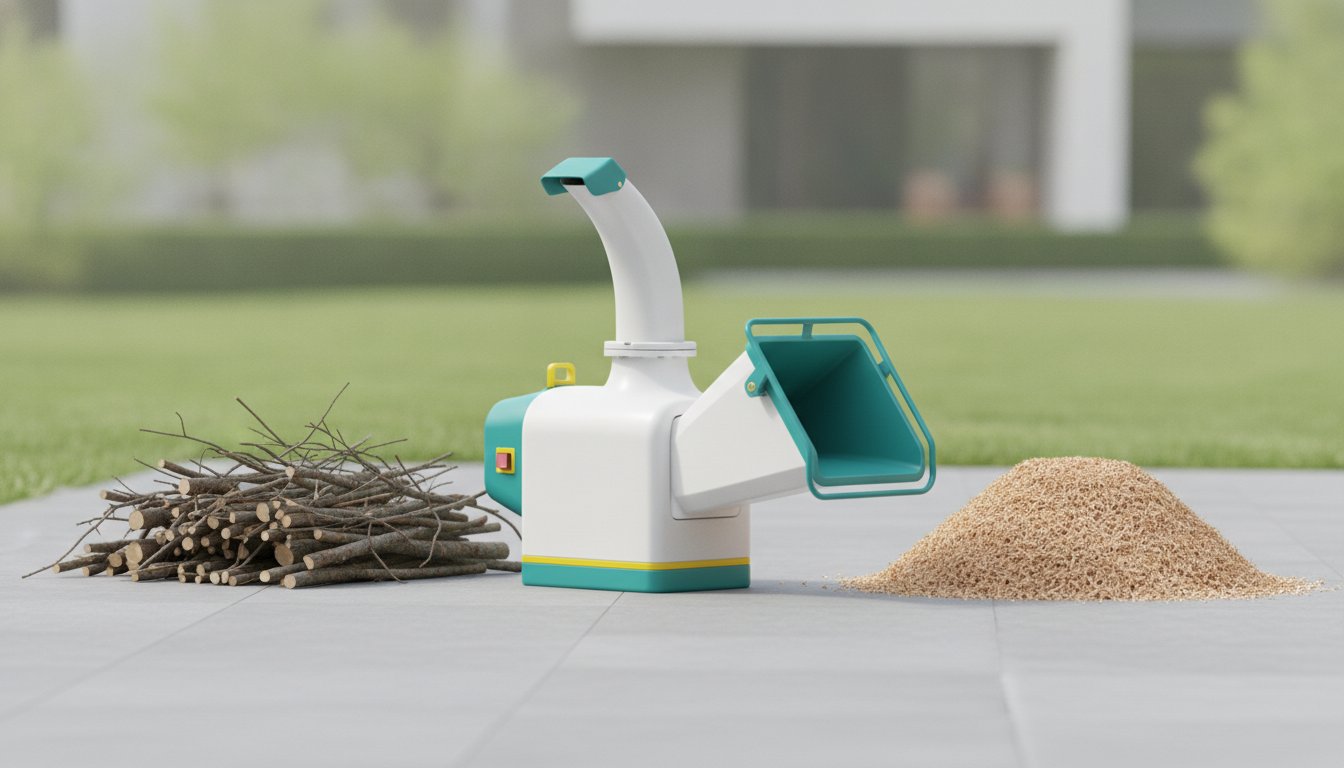
A wood chipper is essentially a high-powered disposal unit for your yard. It takes bulky piles of branches, twigs, and garden waste and processes them into small, manageable chips in seconds. This transformation is useful because it turns a messy debris pile into a valuable resource for your landscape. Most residential units you'll find through a wood chipper rental are designed to handle branches between three and four inches in diameter. A local wood chipper rental through a platform like Life4Rent provides the power you need without the long-term storage hassle. You save hours of manual labor by avoiding the need to chop or bundle brush for curbside pickup.
The core of the machine relies on a set of internal blades that spin at high speeds to shear through wood fibers with mechanical precision. This process is the foundation of how a Wood Chipper Works, allowing it to shred organic material almost instantly. You can then use the resulting output as mulch or ground cover in your garden beds. This helps retain soil moisture and suppresses weed growth without the added expense of buying bagged mulch from a nursery. It's a practical way to keep nutrients on your property instead of hauling them away to a landfill.
Power Sources for Modern Chipper Units
Electric models serve well for small suburban yards where you only need to process light debris like hedge trimmings or thin twigs. These units are quieter and require less maintenance than their gas counterparts. However, gas-powered engines offer the mobility needed for larger properties where an extension cord won't reach. You should choose a gas unit if you're dealing with thicker waste. These engines typically provide the torque necessary to prevent the blades from stalling when they hit a dense knot in the wood.
Disc Versus Drum Cutting Mechanisms
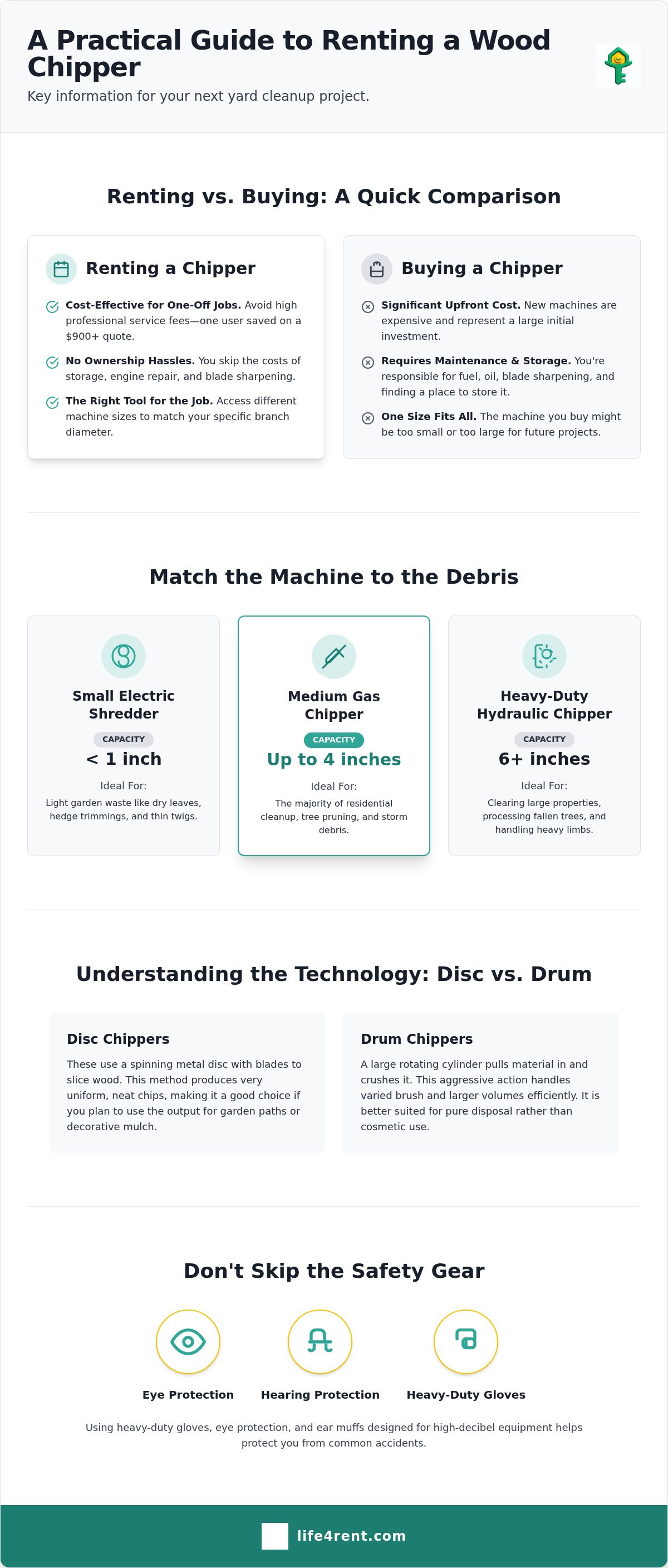
Disc chippers feature a large metal wheel with blades mounted on its surface. As the wheel spins, the blades slice through the wood like a deli slicer, which often produces very uniform chips. Drum chippers operate differently by using a large, rotating cylinder equipped with blades. This cylinder draws the material in and crushes it against a stationary plate. You'll find that drum chippers are often more aggressive with varied material and can handle larger volumes of brush. Disc models remain the standard when you want a specific aesthetic for your garden paths or flower beds.
Select the Right Wood Chipper for Your Specific Task
You'll find that choosing the wrong equipment often leads to frustration or a stalled project. Small electric shredders are ideal if you're only dealing with dry leaves and tiny twigs. These lightweight machines are easy to move around a patio or small garden, but they won't handle actual wood limbs. If you try to feed them anything thicker than a finger, the motor will likely burn out or the blades will jam.
Medium-sized gas units handle the majority of residential tree pruning waste. These are the workhorses for most weekend projects involving fruit trees or overgrown hedges. You must match the chipper capacity to the largest branch in your pile to avoid damaging the internal components. A wood chipper rental that handles up to four inches is usually the sweet spot for a standard backyard cleanup.
Heavy-duty hydraulic chippers are necessary for clearing large lots or processing entire fallen trees. These machines use powerful hydraulic feed rollers to pull in heavy material, which reduces the physical effort required from the operator. You don't have to manually force the wood into the blades, as the machine does the gripping for you. You can find these powerful tools on the Life4Rent marketplace, often listed by local owners who have already done the heavy lifting for their own land.
Residential Versus Commercial Grade Units
Residential units are designed with the homeowner in mind. You'll find they're often towable by a standard car or SUV equipped with a basic hitch. This makes transport much simpler than dealing with industrial machinery. Commercial machines might require a heavy truck for transport and specialized licenses in some European regions. You will save money by selecting a wood chipper rental that isn't too large for your needs, as fuel consumption and rental fees increase significantly with size.
Size Requirements for Your Project
A 3-inch capacity is usually enough for standard garden maintenance like yearly pruning. You should choose a 6-inch model if you're dealing with mature tree limbs or storm damage. Experts at the Ohio State University Extension suggest reviewing wood chipper operational safety before you decide on a machine size, as larger capacities require more careful handling. Always round up your size requirement by at least an inch to avoid jamming the machine with an oddly shaped branch. If your largest branch is exactly three inches, a four-inch chipper will provide the extra clearance needed for knots and bends. This extra space prevents the engine from bogging down when you feed it a branch with multiple offshoots.
Compare the Costs of Rental Versus Buying
A new wood chipper can cost thousands of dollars for a quality model that won't break down after its first season. For most homeowners, this initial investment is hard to justify when you realize the machine spends most of the year sitting idle. You also have to account for engine maintenance, regular blade sharpening, and the cost of replacement parts. A wood chipper rental removes these long-term financial burdens while providing the power you need for a specific weekend project.
You only pay for the machine when you actually have work to do. This strategy is a practical way to handle a tool on rent because you avoid the steep depreciation that hits heavy machinery. Rental units on peer-to-peer platforms are often the pride of their owners, meaning they're kept in excellent working condition. You get the benefit of a professional-grade tool without having to worry about oil changes or spark plug replacements yourself.
The Financial Reality of Tool Ownership
Calculate how many times a year you will actually use the chipper before you reach for your credit card. Most homeowners find that they only need a chipper once or twice annually for seasonal cleanup. Ownership involves constant costs like fuel stabilization and the logistical headache of winter storage in a crowded shed. These expenses might seem small individually, but they represent a significant commitment of both money and space over the life of the machine.
The Flexibility of Local Rentals
Different projects require different levels of power. You can rent a compact unit for light garden waste one week and then choose a larger wood chipper rental for heavy branches the next. Peer-to-peer platforms like Life4Rent often offer more competitive daily rates than traditional commercial yards because there's less overhead involved. Local owners often provide more flexible pickup and drop-off times. You don't have to rush to a storefront before it closes at 5:00 PM on a Saturday, which makes your project much less stressful.
Follow These Safety Protocols to Prevent Accidents
A machine that shreds solid oak in seconds requires your full attention and the correct protective gear. You must wear eye protection and heavy-duty gloves at all times to shield yourself from high-velocity splinters and sharp bark. Ear protection is vital because these machines operate at high decibel levels that can lead to permanent hearing loss after even short periods of use. You should also keep a clear perimeter around the discharge chute to ensure that processed material doesn't strike bystanders or property.
Never reach into the hopper while the engine is running, even if a branch seems just out of reach. If you need to nudge a piece of wood into the blades, use a long branch or a dedicated push tool instead of your hands. A wood chipper rental provides professional-grade power, but that mechanical force demands constant respect for the machine's limits. You can find reliable gear and get advice on safe operation when you rent a wood chipper from an experienced local owner.
Personal Protective Equipment Requirements
Sturdy work boots are essential to prevent slips while you feed the machine on damp or uneven garden terrain. You must avoid loose clothing, hoodies with drawstrings, or dangling jewelry that could get caught in the internal blades. These items can pull you toward the hopper faster than you can react. A hard hat is a smart addition if you are working directly under trees or processing large limbs that might shift or fall as you clear the area.
How to Handle Machine Jams Safely
Turn off the engine and remove the spark plug wire before you attempt to clear any internal blockage. This extra step ensures the blades won't move if the engine's compression releases while you're working near the cutting head. Use a long stick to push material through rather than your hands, even when the power is completely disconnected. You should feed the machine slowly and allow the engine to return to full speed between branches to prevent the motor from stalling. This deliberate pace keeps the wood chipper rental running efficiently and reduces the likelihood of a dangerous jam.
Find an Affordable Wood Chipper Rental on Life4Rent
Life4Rent connects you with local owners who have the heavy equipment you need for seasonal yard work. You can browse listings in your own neighborhood to save on travel time and avoid the logistical nightmare of driving across the city. This peer to peer equipment rental model keeps money in your local community while providing access to high-quality tools. Reviews from other renters help you choose a reliable and well-maintained machine before you commit to a booking.
A local wood chipper rental through this platform is often more personal than a corporate transaction. You aren't just a number on a spreadsheet; you're a neighbor borrowing a tool from another neighbor. This connection often leads to better machine care and more detailed advice on how to handle specific tasks. Owners who list their gear frequently take pride in the maintenance of their engines, ensuring you get a tool that actually works.
The Mechanics of Peer-to-Peer Sharing
Search for wood chippers in the tools category on the Life4Rent platform to see what is available near you. You can communicate directly with the owner to ask about specific attachments or the machine's history with certain types of wood. Many owners are happy to give a quick demonstration of the controls when you arrive for pickup. This interaction ensures you feel comfortable with the engine and safety features before you leave. You can also discuss flexible pickup times that don't always align with the rigid schedule of commercial rental yards.
Inspection Tips for Rental Units
Check the oil level and the sharpness of the blades before you start your project. Dull blades will slow you down and put unnecessary strain on the motor. You should take photos of the machine at the start of the rental period to document its condition. This practice protects both you and the owner in case there's a misunderstanding about existing wear and tear.
Make sure the fuel tank is full if your specific agreement requires it to be returned at that level. You should also inspect the discharge chute for any old debris that might cause a clog during your first few minutes of operation. A quick check of the tires and the hitch assembly is also a good idea if you're towing the unit home. These small steps ensure your wood chipper rental experience is smooth and productive from the moment you pull into your driveway.
Transform Your Property with the Right Equipment
Success in any landscaping project depends on choosing tools that match the scale of the task. You've learned that a wood chipper rental offers a practical way to manage debris without the long-term costs of maintenance and storage. Most residential cleanup jobs are handled efficiently when you select a machine with a capacity slightly larger than your thickest branch. It's also clear that following safety protocols, such as using the correct ear and eye protection, keeps the process productive and injury-free.
Local owners in your community provide a wide range of landscaping tools through a secure peer-to-peer marketplace. You can find listings across your neighborhood that offer flexible pickup times and honest advice on machine operation. This model ensures you get professional results while keeping your project budget under control. You can find a wood chipper for your next project on Life4Rent and start clearing your land with confidence. Your yard will look its best once those messy brush piles are converted into useful mulch.
Frequently Asked Questions
Do I need a special license to operate a wood chipper?
You don't need a special license to operate most residential wood chippers. These machines are designed for homeowner use and don't require professional certifications or heavy equipment permits. You should always read the specific manual provided by the owner or manufacturer to understand the controls before starting. Local noise ordinances might apply to your project, so it's a good idea to check your municipal bylaws beforehand.
How large of a branch can a residential wood chipper handle?
Most residential units handle branches between three and four inches in diameter. You'll find that attempting to process anything larger can cause the engine to stall or damage the internal cutting blades. If your pile contains limbs thicker than four inches, you should look for a larger industrial unit. A wood chipper rental with a 6-inch capacity is usually enough for mature tree debris and storm cleanup.
Is it better to rent a gas or electric wood chipper?
Gas-powered chippers offer more mobility and torque for heavy-duty tasks on large properties. These units are best for thick branches that require significant mechanical force. Electric models work well for small yards with light waste like hedge trimmings or thin twigs. You won't have to worry about fuel stabilization or engine noise with an electric motor, though you are limited by the length of your power cord.
What safety gear is mandatory for wood chipping?
Mandatory gear includes eye protection, ear muffs, and heavy-duty work gloves. You must protect your vision from high-velocity wood shards that can fly out of the hopper during operation. High decibel levels from the engine can cause permanent hearing damage, so ear protection is non-negotiable. Sturdy work boots and long pants also help shield you from sharp bark and heavy debris while you work near the machine.
How much does a wood chipper rental cost per day on average?
Daily rates vary based on the machine's power and your specific location. You will typically find that smaller electric units are the most affordable option for a single day of work. Larger gas-powered models cost more due to their higher engine capacity and faster processing speeds. A wood chipper rental through a peer-to-peer platform often provides a more cost-effective alternative to commercial rental yards while offering high-quality equipment.
Can I put pine needles or vines in a wood chipper?
You should avoid putting pine needles or long vines into a standard wood chipper. These materials are often too flexible for the blades to slice effectively; they tend to wrap around the internal drum instead. This can lead to a difficult jam that requires you to disassemble part of the machine to clear. It's better to compost soft green waste or use a dedicated leaf shredder for these specific materials.
What should I do if the wood chipper gets jammed during use?
You must turn off the engine and disconnect the spark plug wire before you attempt to clear any internal blockage. This safety step ensures the machine cannot accidentally start while your hands are near the blades. Use a long, sturdy stick to push the material through the chute rather than reaching in yourself. If the jam is deep in the drum, you might need to wait for the components to cool.
Why should I rent from a neighbor instead of a large commercial store?
Local owners often provide more flexible pickup times and lower overall costs than large retail chains. Commercial stores often have rigid hours and strict return policies that don't always fit a busy weekend schedule. You also get the benefit of a wood chipper rental that has been personally maintained by someone who actually uses it. This community-driven approach keeps money in your local area and builds trust within your neighborhood.
Life4Rent
Rent it. Earn from it. Own less, access more.
Browse peer-to-peer rentals near you, or list what you own and start earning — all protected by Life4Rent Protect.
About the author
Stockholm, Sweden
Stella researches and writes about sustainable consumption and the circular economy for the Life4Rent Renting Academy. She previously worked at a Nordic sustainability research institute studying how access-over-ownership models reduce household CO₂ emissions, and translates that research into practical guides for everyday renters.