Wetsuit Rental for Surfing: A Practical Guide to P2P Options in 2026
June 22, 2026
Published by Life4Rent · Operated by Brohf Software OÜ
The most expensive part of your surf trip shouldn't be a piece of rubber you only wear for five days. You've likely spent more time than you'd like wrestling into a thin, salty rental suit that's seen better days. A wetsuit rental for surfing doesn't have to mean compromising on warmth or hygiene just because you didn't want to pack a heavy bag.
It's frustrating when surf shop hours don't align with the best morning swells or when their inventory is limited to basic, worn-out models. You want a suit with the correct thickness for the local water and the flexibility of a premium brand. Peer-to-peer marketplaces like Life4Rent offer a way to find high-performance gear that fits your schedule and your budget.
Practical steps for verifying the condition of a suit before booking help you avoid common pitfalls. You can easily coordinate pickups that work for your travel plans while ensuring the gear matches the specific temperature of your destination. This approach allows you to access quality equipment without the typical constraints of a traditional shop.
Why peer-to-peer wetsuit rental is a smart choice for surfers
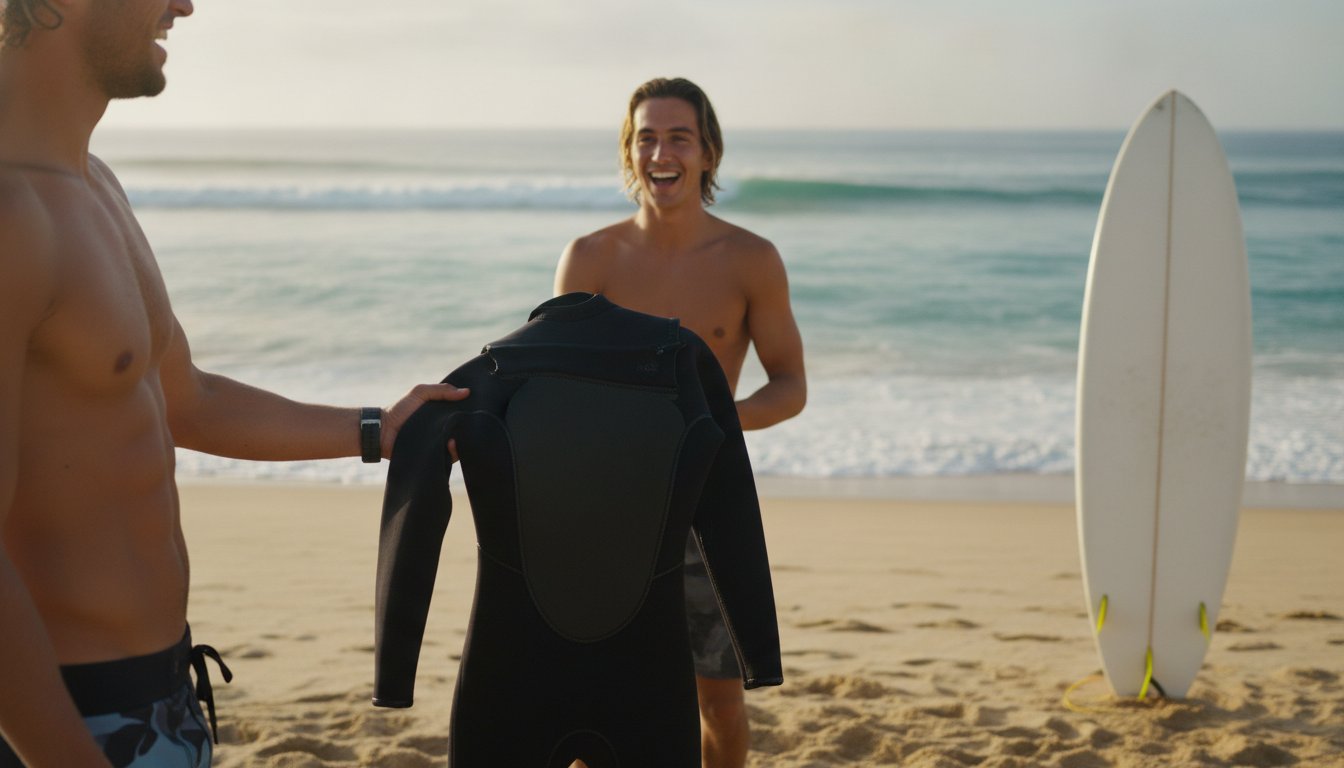
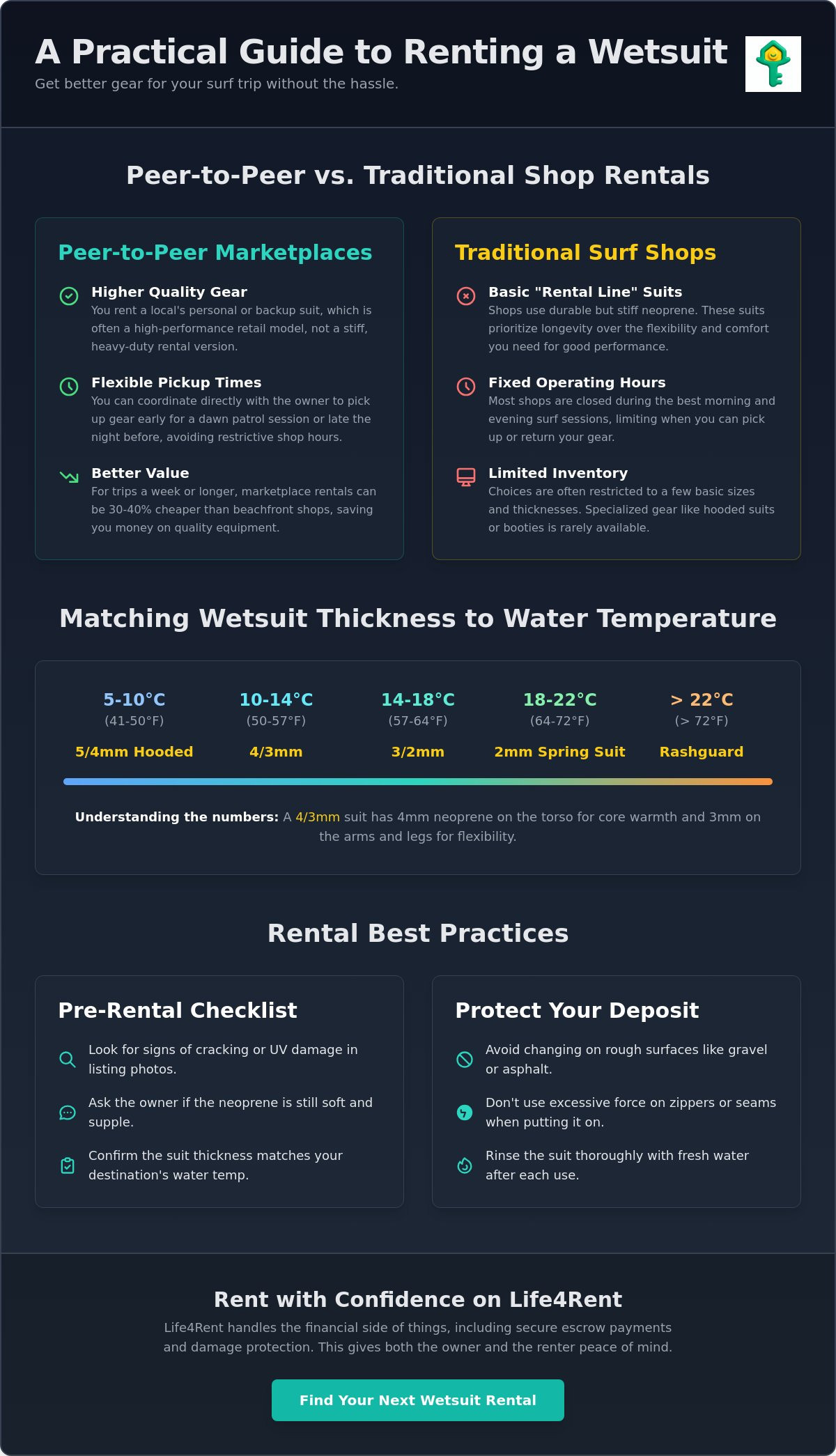
Traditional surf shops usually stock "rental line" suits. These are built for durability over hundreds of users, which means they use stiffer, heavier neoprene. When you choose a wetsuit rental for surfing through a peer-to-peer platform, you're often borrowing a local surfer's backup gear. This equipment is typically a retail model designed for flexibility and warmth, rather than just industrial-strength longevity.
You also gain a level of flexibility that storefronts can't match. Most shops open at 9:00 AM and close by 6:00 PM, which cuts out the best dawn patrol or sunset sessions. Arranging a meeting with a local owner on a marketplace allows you to pick up the gear the night before or at an hour that actually fits your travel schedule. Knowledge of Wetsuit technology and materials helps you identify why these personal suits often perform better in cold water.
To see how a high-performance suit compares to standard gear, watch this helpful review:
Accessing better brands and performance
Individual owners tend to invest in suits they actually enjoy wearing. You'll find listings for specific high-performance models like the Rip Curl Flashbomb or O'Neill Psycho series. These suits use super-stretch neoprene that allows for a much better range of motion during your pop-up. Standard rental foam feels like a straightjacket in comparison, while these premium options feel like a second skin. You can also find specialized accessories like hooded suits or 5mm booties that shops rarely include in their standard rental packages. This access ensures you stay warm even when the local water temperature drops unexpectedly.
The cost-benefit of renting versus buying
A quality 3/2mm suit usually costs between $300 and $500 today. If you only get to the coast for two weeks a year, buying a suit is a poor investment that takes up valuable closet and luggage space. Airlines often charge significant fees for oversized gear bags, which can easily double the cost of your trip. Marketplace rentals can cost 30-40% less than beachfront shops for long-term use, especially for trips lasting a week or more. It's also a low-risk way to test different brands and thicknesses before you decide to make a permanent purchase for your own collection. This approach keeps your travel light and your expenses manageable.
Peer-to-peer options bridge the gap between the high cost of ownership and the low quality of shop rentals. You get the technical benefits of a suit that was originally bought for personal use, which means better seams and better heat retention. It's a practical choice for surfers who value their time in the water and want to avoid the "hand-me-down" feel of commercial rental fleets.
How to choose the right wetsuit thickness for your destination
Water temperature dictates your comfort level more than any other variable when you're out in the lineup. You'll often see suits labeled with two numbers separated by a slash. The first number indicates the thickness of the neoprene in the torso area, where you need the most warmth for your core. The second number represents the thickness in the arms and legs, which is kept thinner to allow for easier paddling and movement.
A 4/3mm suit, for example, has 4mm of insulation around your chest and back but drops to 3mm in the limbs. This design keeps your heart warm while you maintain the flexibility needed for a quick pop-up. You should also consider external factors like wind speed and cloud cover. A stiff breeze can strip heat away quickly, making a session feel much colder than the water temperature suggests. Knowledge of the dangers of cold water immersion is vital for anyone surfing in temperate or sub-arctic regions, as hypothermia can set in faster than many realize.
Standard thickness guide for 2026
Local conditions vary, but most surfers follow a general rule for neoprene density. You'll find that 2mm suits or thin spring suits work well for tropical waters above 20°C (68°F). If you're heading to a destination with water between 15°C and 20°C, a 3/2mm full suit is the standard choice for most sessions. Water temperatures below 15°C (59°F) require at least a 4/3mm suit to prevent your muscles from seizing up in the cold. Some surfers even prefer a 5/4mm suit if they plan to stay in the water for more than two hours in these conditions. Picking a wetsuit rental for surfing that matches these specific metrics ensures you don't have to cut your session short because of the chill.
Full suits versus spring suits
You'll need to decide between a full steamer and a spring suit based on more than just heat. Full suits cover your entire arms and legs, which provides excellent UV protection and prevents wax rash on your shins. Spring suits feature short arms and legs, offering the most freedom for paddling in warm, summer conditions. Long-john styles remain a popular niche for longboarders who want warmth on their legs but need total shoulder mobility for heavy paddling. You can browse various thicknesses and styles through a local gear listing to ensure you have the right protection for your specific trip. This allows you to pick a suit that matches the exact forecast rather than relying on a generic shop rental that might be too thin for the season.
Your choice should reflect your personal sensitivity to cold as well. If you know you get cold easily, it's a smart move to go one step thicker than the general guide suggests. Having that extra millimeter of neoprene can be the difference between a one-hour session and a three-hour marathon. A quality wetsuit rental for surfing should offer enough variety so you aren't stuck with a "one size fits all" approach to warmth.
Finding and verifying your rental suit on a marketplace
A wetsuit rental for surfing involves more than just picking a size from a list. You'll need to look closely at the listing photos to identify signs of "cracking" in the neoprene. These small, spider-web-like lines usually appear around the shoulders and knees where the rubber stretches the most. If you see these marks, the suit is likely old and may leak or tear during your session.
Supple rubber is essential for warmth and comfort. You should ask the owner when the suit was last used and how it was stored. Neoprene that's been sitting in a hot garage for two years will be stiff and brittle, even if it looks clean in pictures. A quick message to the owner can save you from a frustratingly stiff suit that limits your paddling.
Reviews from previous renters are your best tool for verifying size accuracy. Brands like Rip Curl or O'Neill often have different cuts, so a "Medium" in one might feel like a "Small" in another. Look for comments where people mention their own height and weight to see how the suit actually fit them. You should also verify whether the suit has a chest zip or a back zip. Back zips are easier to get into, but chest zips generally offer a better seal against cold water "flushing" down your neck.
Inspecting the neoprene and seams
High-quality suits use Glued and Blind Stitched (GBS) seams. These seams don't go all the way through the material, which prevents water from leaking into the suit. You can usually see a thin line of glue along the seam on the inside. Check the neck seal for signs of thinning or overstretching, as a loose neck is the primary cause of cold water entering the suit. The zipper should operate smoothly without any resistance or catching on the inner fabric flap.
Communication with the owner
Honest communication with the owner ensures you don't end up with gear that doesn't fit. You should send your exact height and weight to the owner before you book. They know their gear best and can tell you if that specific model runs tight or loose. Ask about the "rinse history" to make sure the suit was cleaned with fresh water after every use. A suit that hasn't been rinsed properly will often smell of old salt or mildew and feel much stiffer. Finally, confirm the pickup location is actually on your way to the surf break to avoid unnecessary travel time.
This verification process takes a few extra minutes but ensures your wetsuit rental for surfing is a success. You'll avoid the common disappointment of showing up to the beach with a suit that's too small or smells like it's never been washed. Taking these steps helps you secure a suit that performs as well as one you'd buy for yourself.
Practical tips for using and caring for a rented wetsuit
Rental gear requires a different level of care than equipment you own yourself. You're responsible for a security deposit, so keeping the suit in good condition is a financial priority as much as a functional one. A wetsuit rental for surfing should be returned in the same state you received it to avoid disputes or cleaning fees from the owner. Most peer-to-peer owners are surfers themselves, and they'll appreciate gear that's been handled with respect.
You should avoid changing on gravel or asphalt whenever possible. These rough surfaces act like sandpaper on the knees and butt of the suit, leading to thin spots or small holes. Use a changing mat, a plastic tub, or even a large towel to protect the neoprene from abrasions. This simple habit prevents the most common type of accidental damage that occurs before you even hit the water.
Always rinse the suit inside and out with fresh water after every single session. Salt crystals can act like tiny blades within the neoprene fibers, while sand can jam the zipper teeth. You must dry the suit in the shade rather than in direct sunlight. UV rays are the primary cause of brittle rubber, and a few hours in the sun can make the material much more likely to tear during your next session.
Safe entry and exit techniques
Use a plastic bag over your feet to slide through the leg holes more easily. This trick reduces friction and prevents you from overstretching the seams at the ankles and waist. You should pull the suit up using the pads of your fingers rather than your nails. Nail cuts are small, crescent-shaped tears that are difficult to fix and are a clear sign of poor handling. Stand up straight when you pull the zipper to ensure the teeth align properly. Forcing a chest or back zip while you're hunched over puts unnecessary tension on the mechanism and can lead to a broken zipper.
Etiquette and hygiene
Never urinate in a suit you don't own. It's a basic sign of respect for the owner and ensures the gear remains hygienic for the next person who rents it. You should hang the suit by folding it through a hanger at the waist instead of hanging it by the shoulders. The weight of a wet suit is significant, and hanging it by the shoulders will stretch the neoprene permanently. Leave a quick message for the owner when you return the gear to confirm it was rinsed in fresh water. This transparency helps you maintain a high rating on the marketplace and makes it easier to secure gear for your next trip. If you're ready to browse available gear, you can rent surfing equipment from local owners today.
Following these steps ensures that the suit stays supple and warm for the duration of your trip. Proper care doesn't just protect your deposit; it ensures the gear performs at its best during every session. You'll find that owners are much more willing to rent their premium suits to users who have a track record of being careful with equipment.
Using Life4Rent to find your next surf rental
Life4Rent functions as a network for surfers who want to share resources rather than contribute to the cycle of cheap, disposable gear. You can secure a wetsuit rental for surfing by browsing listings in specific coastal towns, which often results in better equipment than what's available at beachfront shops. Local owners typically offer gear they've used themselves, meaning you get a suit that has been properly maintained and stored. Searching by location allows you to find an owner right at your travel destination, which can save you the hassle of lugging a wet suit back to the airport.
The platform manages the financial side of the transaction to keep things transparent for everyone involved. You pay through a secure system that handles the rental fee and a security deposit, which protects both the owner and the renter from unexpected issues. This setup removes the awkwardness of negotiating prices or handling cash on the sidewalk before a session. The system holds the funds in escrow, ensuring that the payment is only finalized once the rental period is complete and the gear is returned safely.
If you have extra gear at home, you can list your own spare suits to earn some additional income when you aren't in the water. Owners on the platform keep 100% of the booking fee, making it a practical way to offset the cost of your own new equipment. It's much better for the neoprene to be used and rinsed regularly than to sit in a dark box where it will eventually become brittle and lose its flexibility. This community-driven model keeps high-quality gear accessible to everyone without the high price of retail ownership.
How the marketplace protects your rental
Verified user profiles and rating systems help you choose a reliable owner before you ever send a message. You can see feedback from previous renters to gauge how accurate the suit's description was or how easy the pickup process turned out to be. Life4Rent Protect includes item protection plans that help cover accidental damage that might occur during your trip. This program also offers dispute resolution to enhance security for both owners and renters. You can learn more about these systems in this Peer to Peer Equipment Rental: A Practical Guide for 2026.
Renting more than just a wetsuit
You don't have to stop at neoprene when you're planning your next surf expedition. The marketplace often has listings for surfboards, soft racks for your rental car, and even beach tents for long days on the sand. This allows you to coordinate your entire gear list with one or two local residents, making your travel logistics much simpler. For those who enjoy DIY work as much as surfing, the platform also offers advice on finding a Tool on Rent: How to Save Money and Space on Your Next Project (2026). Booking your gear this way helps you avoid the high costs and limited selection of traditional tourist-oriented rental businesses.
Your next session starts with the right gear
Peer-to-peer options allow you to skip the stiff, overused suits found at many beachfront shops. You get access to high-performance neoprene and specific thicknesses that actually match the local water temperature. This approach makes a wetsuit rental for surfing a much more reliable experience for your next trip. It also gives you the flexibility to coordinate pickup times that don't depend on a shop's limited business hours.
Life4Rent provides local pickup options in major surf hubs, which means you can grab your gear right before you hit the water. The platform manages secure payments and deposit handling to keep the process straightforward for both parties. You can also explore 17 different rental categories for any other equipment you might need during your travels. This variety ensures you have everything required for a successful trip without the heavy luggage fees.
You can find your perfect wetsuit rental on Life4Rent and spend more of your time focused on the waves. It's a practical way to travel light while still using the best equipment available. You'll likely find that the local surfing community has exactly what you need for a great session.
Frequently Asked Questions
Is it hygienic to rent a wetsuit from a peer-to-peer marketplace?
You should verify the cleaning process with the owner to ensure high hygiene standards. Most owners use specialized wetsuit shampoos that kill bacteria and remove salt after every use. It's helpful to ask specifically about their rinse routine before you book to ensure you're comfortable with the gear.
What thickness of wetsuit do I need for 18°C water?
A 3/2mm full suit is typically the best choice for 18°C water. This thickness provides enough insulation for your core while you maintain good mobility in your arms and legs. If you plan on staying in the water for more than two hours, you might consider a 4/3mm suit for extra warmth.
Can I rent a wetsuit for just one day on Life4Rent?
Most owners on the platform allow for daily rentals. This is a practical option if you're just visiting the coast for a quick session and don't want to carry heavy gear. You can check the specific listing for the minimum rental period set by the owner before you commit.
What happens if I accidentally tear the wetsuit during my surf session?
Notify the owner immediately and document the damage with clear photos. Life4Rent Protect includes damage protection and dispute resolution to help manage these situations fairly for both sides. Your security deposit may be used to cover the repair costs if the damage was caused by improper handling or rough surfaces.
How do I know if a rental wetsuit will fit me correctly?
Check reviews from previous renters who share their measurements to get an idea of the cut. You should also share your current height and weight with the owner to get their advice on the fit. Brands often have different sizing charts, so a "Medium" in one brand might feel different than in another.
Do I need to clean the wetsuit before returning it to the owner?
It's disrespectful to return a suit covered in sand or salt because it can damage the neoprene over time. You must rinse the suit thoroughly with fresh water and let it dry in the shade before the hand-off. This simple step ensures the gear stays supple for the next person and protects your rating.
Can I find kids' wetsuit rentals on Life4Rent?
Families often list outgrown gear in the outdoor and sports category. This is a smart way to find a wetsuit rental for surfing without buying a new suit that a child will outgrow in six months. You can filter your search results by size to find youth models in your destination area.
Is it cheaper to rent a wetsuit from an owner or a surf shop?
Peer-to-peer rentals are often 30-40% cheaper than beachfront shops for multi-day bookings. Shops have high overhead costs and fixed prices, whereas individual owners set their own competitive rates. You'll also likely get a higher-quality personal suit rather than a basic commercial line when you choose a wetsuit rental for surfing through a marketplace.
Life4Rent
Rent it. Earn from it. Own less, access more.
Browse peer-to-peer rentals near you, or list what you own and start earning — all protected by Life4Rent Protect.
About the author
London, United Kingdom
Fred covers rental technology, app features, and platform mechanics for the Life4Rent Renting Academy. With a background in fintech journalism, he specialises in breaking down how digital rental platforms work — from payment protection and identity verification to smart pricing and booking management.