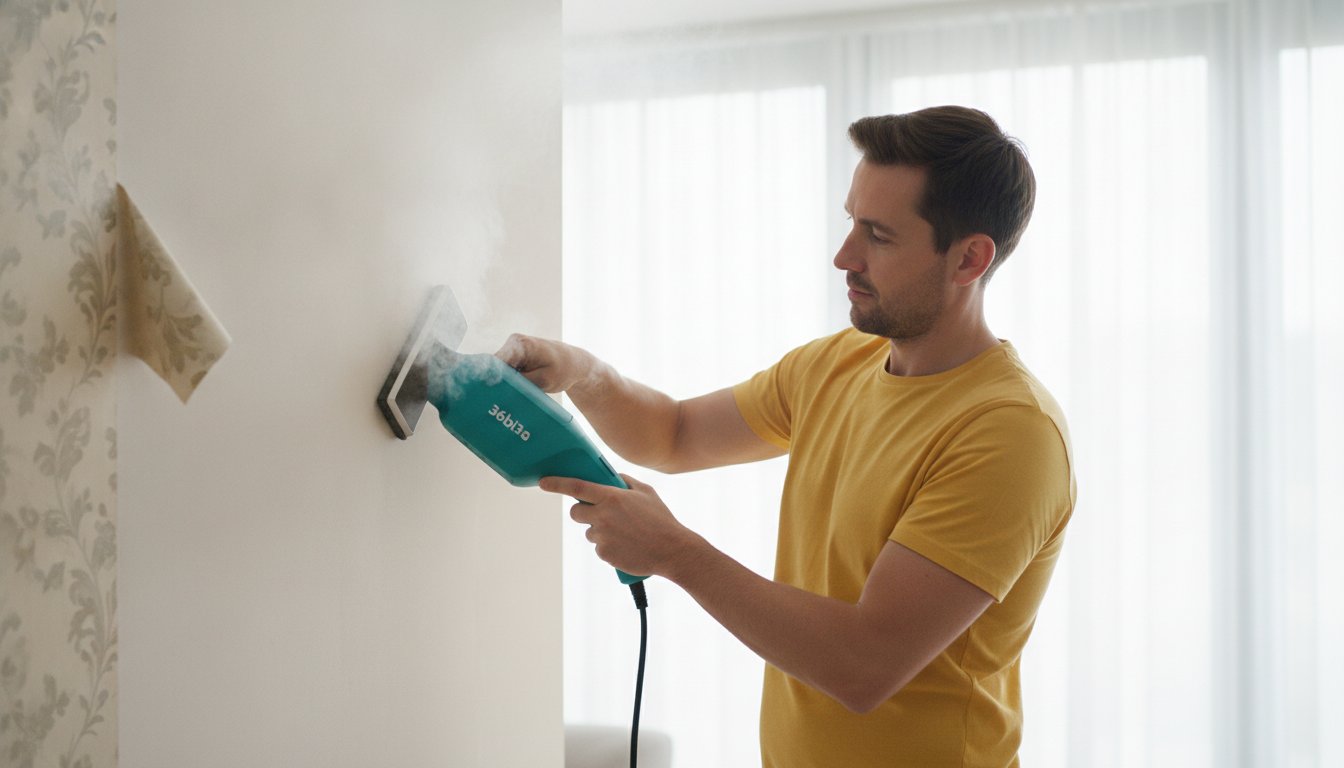
Wallpaper Steamer Rental: DIY Home Renovation Guide
August 9, 2026
Published by Life4Rent · Operated by Brohf Software OÜ
Manual wallpaper removal is often the most exhausting part of a home renovation. You spend hours hunched over a scraper, only to end up with sore shoulders and messy walls. With 39% of designers favoring maximalist patterns in 2026, many homeowners need a clean slate before they can start their next project. A wallpaper steamer rental provides a straightforward solution to clear your walls faster while keeping your project costs low.
It's an honest way to get high-quality results without hiring an expensive contractor for a small room. We'll show you how to find a reliable steamer from a local owner on Life4Rent so you don't have to buy a tool that will just gather dust. This guide covers essential safety steps and explains how to manage the 1.5 to 2-gallon water tanks found on most rental units. You'll find out how to use the steam effectively to leave your walls smooth and ready for new paint.
Why Renting a Wallpaper Steamer Makes Sense for One-Off Projects
Steamers provide a reliable way to dissolve old adhesive by using a combination of heat and moisture. This method softens the glue so the paper peels away in large sheets rather than small, frustrating bits. Homeowners usually find that a wallpaper steamer rental is the most logical choice for a renovation. Most people only strip walls once every few years, so buying a machine is rarely worth the investment for a single weekend of work.
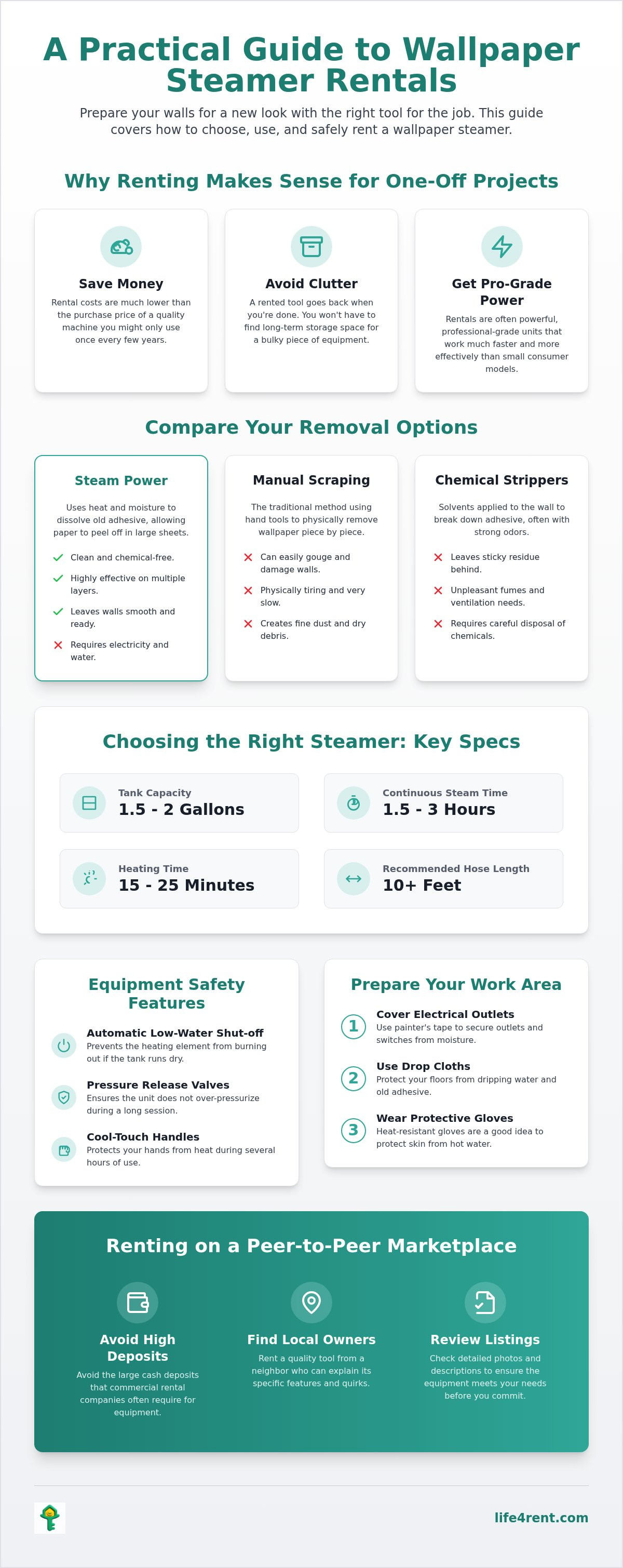
Rental costs are generally much lower than the price of a high-quality unit that you'd find in a hardware store. You'll also save yourself from the headache of finding storage space for a bulky piece of equipment. These machines often sit in a garage or attic for years, gathering dust and taking up room that could be used for something else. Understanding how wallpaper steamers work helps you see why they're the most efficient tool for clearing a room quickly.
The Limitations of Manual Scraping
The process of manual scraping is often a recipe for wall damage. Hand tools can easily gouge the underlying drywall or plaster, which creates more repair work before you can even think about painting. Physical fatigue is a real problem during long renovation sessions, especially when you're working on high sections of a wall. This exhaustion often results in a lower quality finish as you lose patience with stubborn patches of glue. Manual scraping also produces a lot of fine dust and dry debris that can be difficult to clean up afterward.
Chemical Strippers vs. Steam Power
Chemical strippers are a common alternative, but they often leave a sticky residue and have unpleasant odors. Steam offers a clean, chemical-free path that's better for households with children, pets, or anyone sensitive to strong fumes. The removal of multiple layers of paper is usually much faster with steam power because the moisture penetrates deeper into the old adhesive. You won't have to worry about half-used bottles of stripper expiring in your cupboard or the environmental impact of disposing of them.
A wallpaper steamer rental ensures you have a professional-grade tool for the specific job at hand without any long-term commitment. You get the benefit of a powerful heating element and a large steam plate that covers more surface area than a small hobbyist unit. It's a practical way to manage your DIY budget while ensuring your walls are perfectly smooth for their next look.
Technical Specs: Choosing the Right Steamer for Your Room
Tank capacity is one of the most important specs to check before you commit to a machine. Most rental wallpaper steamers feature a water tank capacity of 1.5 to 2 gallons. This volume provides approximately 1.5 to 3 hours of continuous steam time. Having this much capacity means you don't have to stop every twenty minutes to refill and wait for the water to boil again.
Heating time is another factor that separates professional models from hobbyist ones. Most standard units require about 15 to 25 minutes to reach the necessary temperature. Plate size also plays a big role in your speed. A larger plate covers more surface area per minute, but a smaller one is easier to handle around door frames and windows. Professional-grade units often come with a larger plate to help you finish the main walls faster.
Small Tank vs. Large Capacity Units
Compact units are often lighter and easier to carry up a ladder for ceiling work. They don't weigh as much when full, which reduces the strain on your arms. Large capacity units are better for sprawling living rooms or hallways where you want to work without interruption. Most of these machines operate on a standard 110V household current. Make sure the hose is at least 10 feet long if you're working in rooms with high ceilings or stairwells.
Safety Features to Look For
Steam is dangerous if the equipment isn't maintained properly. Look for a wallpaper steamer rental that includes an automatic low-water shut-off. This feature prevents the heating element from burning out if you lose track of the water level. Pressure release valves are also essential for ensuring the unit doesn't over-pressurize during a long session. Cool-touch handles are a vital detail that protects your hands during several hours of use.
Stripping old layers can sometimes uncover potential mold and moisture issues hidden behind the paper for years. It's better to find these early so you can treat the wall correctly before repainting. Heat-resistant gloves are also a good idea to protect your skin from stray droplets of hot water. If you need a specific machine for a weekend project, you can find a tool on rent from a neighbor who can explain the specific safety features of their equipment.
Rental Options: Comparing P2P Platforms with Local Hire Shops
The choice of where to source your equipment is just as important as the project itself. Local hire shops are a traditional choice, but they often require a large cash deposit that stays tied up until you return the machine. This can be a significant drawback if you're managing a tight renovation budget. Peer-to-peer platforms offer a more flexible alternative with fewer bureaucratic hurdles and lower upfront costs.
Daily rates for a wallpaper steamer rental on marketplace apps are usually 30-50% lower than commercial outlets. You aren't paying for the overhead of a large warehouse or a fleet of delivery trucks. Instead, you're paying a fair price to a neighbor for a tool they already own. These owners often provide practical tips based on their own usage, and this advice can be invaluable if you've never used a steamer before.
Pickup and return times are generally more negotiable with individual owners. A hire shop might close at 5 PM sharp, forcing you to pay for an extra day if you're stuck in traffic. With a peer-to-peer rental, you can often arrange a quick evening hand-off that fits your schedule. This flexibility makes the whole process feel less like a transaction and more like a helpful community exchange.
The Convenience of Neighborhood Rentals
Most commercial rental centers are located in industrial parks on the edge of town. You'll save fuel and time by finding a tool on rent within a few streets of your own home. This approach supports the local sharing economy and cuts out the mountain of corporate paperwork that usually comes with professional hire contracts.
Listings typically include clear photos and descriptions so you know exactly what machine you are picking up. You can see if the unit is a heavy-duty model or a more portable version before you drive over. This transparency helps you avoid the "luck of the draw" that sometimes happens at busy rental counters.
What to Check Before You Take the Tool Home
Inspect the hose for any cracks or brittle sections that might leak steam and reduce pressure. It's also wise to verify that the steam plate is clean and free of old glue or paper residue. If the plate is clogged, it won't distribute heat evenly across your walls. A quick wallpaper steamer rental inspection ensures your project won't fail halfway through the job.
Ask the owner to demonstrate the power switch and show you how to open the refill port. Some machines have specific quirks, like a cap that needs a firm twist or a light that indicates when the steam is ready. Double-check that all the necessary power cables and attachments are included in the kit before you leave the owner's home.
Preparation and Safety: Steps for Effective Steam Stripping
Proper preparation makes the difference between a quick job and a weekend-long struggle. Lay down heavy-duty drop cloths along the baseboards to catch the wet paper and sticky glue as they fall. This slurry is difficult to clean once it dries on your flooring. You'll find that taking twenty minutes to prep the room saves you hours of scrubbing later.
Water and electricity are a dangerous mix. Cover all electrical outlets and switches with painter's tape to prevent steam or moisture from entering the sockets. You should also consider turning off the power to the room at the breaker box for an extra layer of safety. This is a simple step that experienced DIYers never skip when using a wallpaper steamer rental.
Most modern wallpapers have a water-resistant top layer that blocks moisture. Use a scoring tool to create small perforations across the entire surface of the wall. These holes allow the steam to reach the adhesive directly. Without scoring, the steam just rolls off the surface, and you'll end up working twice as hard for the same result.
Patience is required when you first turn the machine on. Wait for the unit to reach full temperature and produce a steady flow of steam before you press the plate against the wall. Starting too early just results in lukewarm water dripping down your arms. Once the machine is ready, you'll hear a consistent hiss that signals it's time to begin.
The Correct Steaming Technique
Hold the steam plate against the scored wallpaper for 10 to 15 seconds. Work from the top of the wall downward so that the rising heat and dripping moisture help loosen the sections below. Once the paper is soft, use a wide putty knife to lift the edges and peel the paper away in large sheets. If the paper doesn't come away easily, apply the steam for another 5 seconds rather than forcing it with the blade.
Common Mistakes to Avoid
Don't leave the steam plate in one spot for too long. Excessive heat can soften the underlying plaster or damage the paper facing of the drywall. Avoid the temptation to overfill the water tank. Filling it past the maximum line often causes the unit to spit boiling water through the plate, which can lead to painful burns. Never leave a hot steamer unattended if children or pets are in the house. If you need to take a break, turn the unit off and wait for it to cool down.
If you're ready to get started on your renovation, you can browse available tools in your area to find a reliable wallpaper steamer rental from a local owner.
Secure Peer-to-Peer Rentals Through Life4Rent
Life4Rent provides a secure marketplace that connects local tool owners with people who need equipment for a specific job. This transparency is a major benefit when you're looking for a wallpaper steamer rental. Listings include clear photos and detailed descriptions so you can see the condition of the machine before you agree to the booking. It's a practical way to ensure you're getting a reliable tool without the high costs of a traditional hire shop.
Communication stays on the platform, which keeps the entire process transparent for both the owner and the renter. You can ask specific questions about the steamer's water tank capacity or pickup location through the direct messaging system. This setup builds trust through a system of verified reviews and ratings from other users in your community. You'll know exactly what to expect because you're dealing with real people who have used the equipment themselves.
How to Find a Steamer Near You
The process of finding the right tool is straightforward if you use the search filters effectively. You can search the tools category for "wallpaper steamer" or "stripper" to see what's available in your area. You should filter by location to find the closest available unit, which saves you a long drive to an industrial park. It's also important to check the calendar for weekend availability before you start your wall preparation.
A booking made a few days in advance ensures you have the wallpaper steamer rental ready when you've finished scoring the walls. Most owners are flexible with pickup times, allowing you to grab the tool on your way home from work. This local access is much more convenient than rushing to a commercial shop before they close for the day.
The Benefits of the Life4Rent Community
A peer to peer equipment rental network gives you access to high-quality tools without the long-term burden of ownership. It's a more sustainable way to live because it reduces the number of single-use machines that eventually end up in landfills. You're sharing resources with people in your city, which helps build a stronger local sharing economy.
You can also list your own tools on the platform when you aren't using them to earn some extra cash. Many owners keep 100% of the booking fee, and tools can often earn between €15 and €40 per day depending on the model. This extra income helps offset the costs of your own home renovation projects while providing a valuable service to your neighbors. Peer-to-peer marketplaces offer an honest approach to DIY that prioritizes community trust and sensible project management.
Get Your Walls Ready for a Fresh Look
A wallpaper steamer rental is a practical choice for any homeowner who wants professional results without the high cost of buying specialized equipment. You now understand how to select a machine with the right tank capacity and how to use scoring tools to make the steam more effective. These small technical details ensure that your renovation stays on track and your walls remain undamaged throughout the process.
Life4Rent offers a secure peer-to-peer environment where you can find tools from people in your own neighborhood. Our local community-driven marketplace features items across 17 rental categories, making it easy to source everything from steamers to power drills. You don't have to deal with the heavy deposits or rigid hours of traditional hire centers when you work with local owners.
Take the first step toward your new interior by visiting our platform today. You can find a wallpaper steamer for rent on Life4Rent and start clearing your walls with confidence. Your DIY project will go much smoother when you have the right equipment in your hands.
Frequently Asked Questions
How much does it cost to rent a wallpaper steamer for a day?
Daily rates at commercial hire shops typically range from $23.50 to $55 depending on the model and location. You'll often find that a wallpaper steamer rental through a peer-to-peer platform is significantly more affordable for a weekend project. These marketplaces avoid the overhead of large warehouses, so the savings are passed on to you. You should always check if the listed price includes a security deposit or any cleaning fees before you book.
Can a wallpaper steamer damage my drywall?
Drywall can sustain damage if you hold the steam plate in one spot for more than 15 or 20 seconds. The excessive moisture can soften the paper facing of the drywall, which leads to bubbling or tearing when you start to scrape. You should keep the plate moving and only apply steam until the adhesive is soft enough to lift. If the wall surface feels soggy or soft to the touch, you need to stop immediately.
Do I need to put chemicals in the steamer tank?
You don't need any chemicals in the tank because the heat and moisture do all the work on the adhesive. Tap water is usually fine, though some owners might suggest distilled water if your local area has very hard water. The addition of detergents or chemical strippers to the tank can actually damage the heating element and void your rental agreement. Clean water is the safest and most effective way to dissolve old wallpaper glue without leaving odors.
What happens if the rented steamer stops working during my project?
You should contact the tool owner immediately through the platform's messaging system if the machine fails or stops producing steam. Most peer-to-peer rentals include a clear process for handling equipment issues or unexpected malfunctions during your project. It's helpful to take a quick video or photo of the problem to show the owner what's happening. They might be able to offer a quick fix or arrange for a refund for the unused time.
Is a steamer better than a scoring tool and spray bottle?
A steamer is generally more efficient than a spray bottle for stubborn or multi-layered wallpaper that won't budge. The high-temperature steam penetrates deeper into the adhesive than cold or warm water from a spray. While you'll still need a scoring tool to help the moisture reach the glue, the steamer reduces the total amount of physical scraping required. It also creates less of a mess on your floors compared to soaking the walls with a spray.
How long does it take to strip a standard room with a steamer?
Most DIYers can finish a standard sized room in about two to four hours with a quality wallpaper steamer rental. This timeframe depends on the number of layers and the type of adhesive used by the previous installers. Vinyl-coated papers often take longer because you have to score them thoroughly first to let the steam through. If the paper comes off in large sheets, you'll move through the project much faster than if it peels in small bits.
Can I use a wallpaper steamer to remove paint from wood?
You shouldn't use a wallpaper steamer to remove paint from wooden surfaces or furniture. The concentrated moisture can cause wood to swell, warp, or crack, which ruins the material permanently. Paint removal usually requires a dedicated heat gun or a chemical stripper specifically designed for wood. Steamers are engineered to react with the water-soluble glues found behind wallpaper, not the chemical bonds in dried paint.
What should I do with the steamer once the water runs out?
You must turn the unit off and unplug it as soon as the water level gets low in the tank. Most machines have an automatic shut-off, but it's safer to do it manually to protect the heating element from burning out. You need to let the tank cool down for a few minutes before you open the pressure cap to refill it. A dangerous burst of steam can occur if you pour cold water into a bone-dry, scorching hot tank.
Life4Rent
Rent it. Earn from it. Own less, access more.
Browse peer-to-peer rentals near you, or list what you own and start earning — all protected by Life4Rent Protect.
About the author
Amsterdam, Netherlands
Joshua writes about the financial side of renting and earning on Life4Rent. His guides focus on helping people understand the real cost of ownership, calculate rental income potential, and make smarter decisions about buying versus renting. He previously wrote on household economics and personal budgeting for a pan-European finance publication.