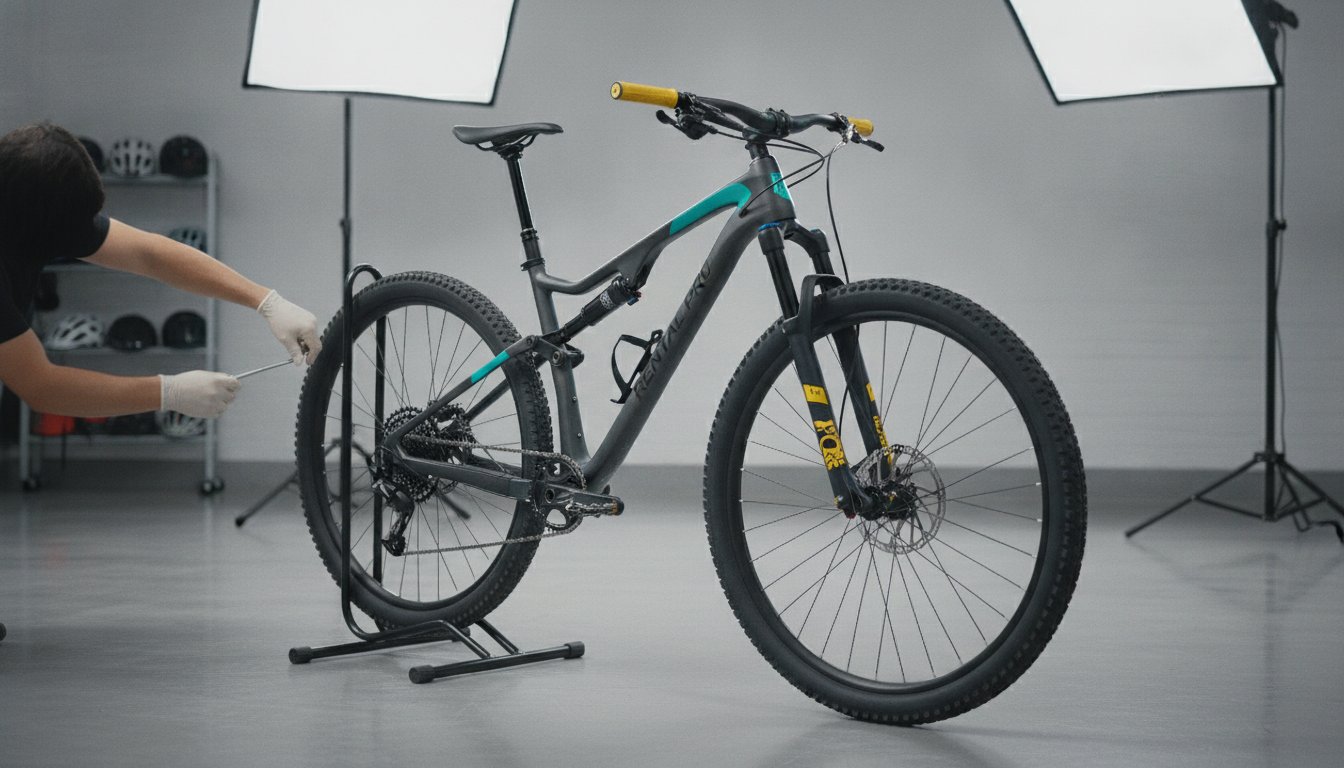
Trail Bike Rental: A Practical Guide to Peer-to-Peer Options in 2026
Philip Edward
June 12, 2026
Why pay triple digits for a beat-up rental bike when you could ride a local's custom rig for a fraction of the cost? It's a common frustration to arrive at a famous trailhead only to find the local shop's trail bike rental fleet is fully booked or consists of generic models with basic components. You want a bike that matches your skill level and the specific demands of the terrain, not a heavy frame that's seen better days.
Most riders agree that shop fees in tourist hotspots have become a major barrier to exploring new trails. Peer-to-peer marketplaces like Life4Rent offer a practical alternative, letting you rent directly from enthusiasts who keep 100% of the booking fee. You'll learn how to find specific models with the exact suspension or drivetrain you prefer while saving money on multi-day adventures. The process involves verifying bike condition and getting local advice so you don't waste a single lap on the wrong path.
Reasons to choose a trail bike rental over buying
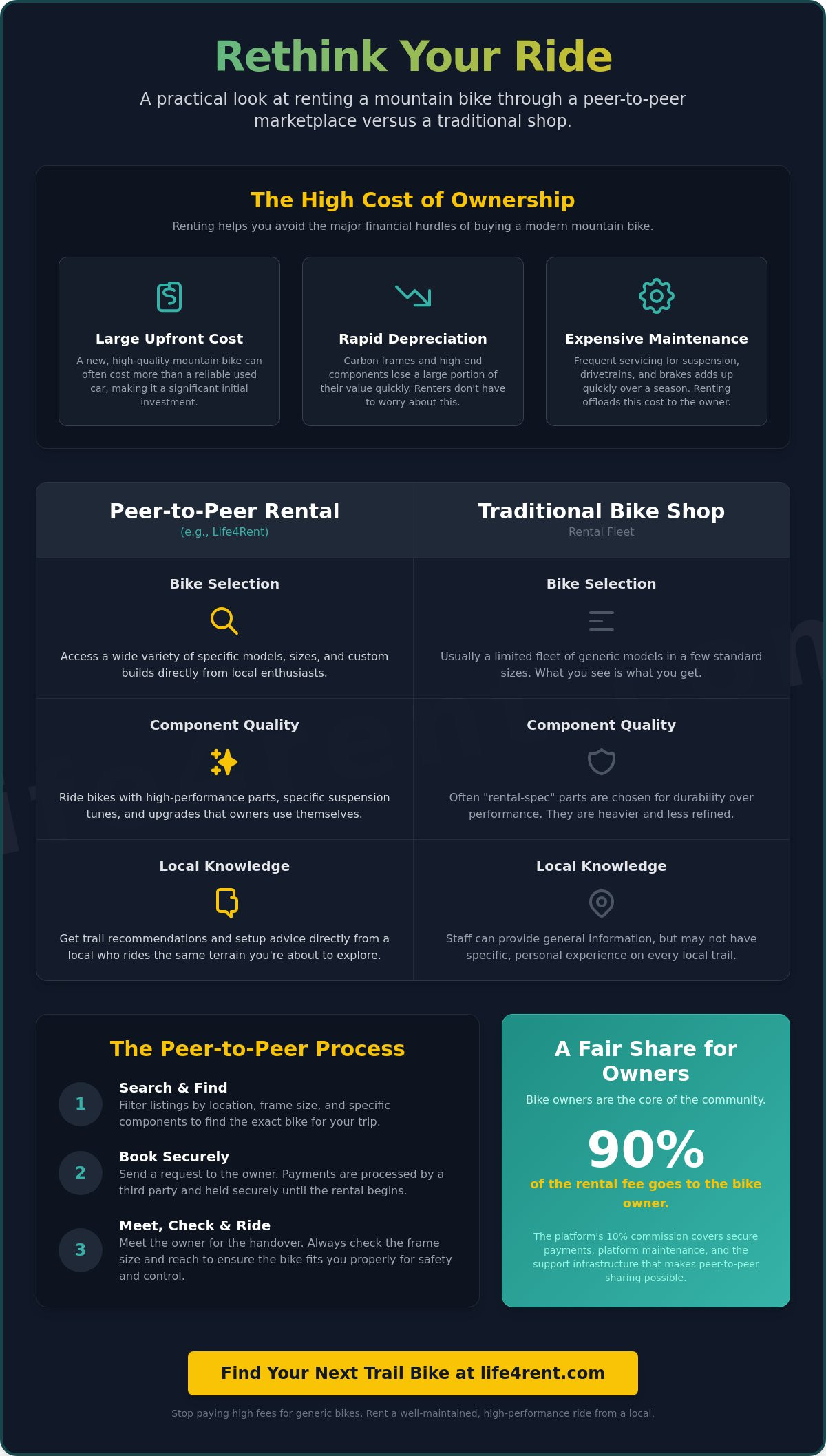
Modern mountain bikes often cost more than a used car. This price point makes the initial investment a significant hurdle for many riders who want to experience the latest technology. A quality trail bike rental provides a way to ride high-end machinery without the burden of a heavy price tag. This approach fits within the broader sharing economy, where people prioritize access to quality gear over the high costs of long-term ownership.
High-end components require frequent and expensive maintenance. A full service on the suspension and drivetrain can add up to a significant sum over a single season. A peer to peer equipment rental means you don't have to worry about the price of replacement bearings or proprietary parts. You get to enjoy the performance of a well-tuned machine while the owner handles the technical upkeep and seasonal overhauls.
To better understand how these options work in specific regions, watch this helpful video:
The high cost of modern mountain bikes
Why shop rentals often fall short
Traditional shops usually buy durable but heavy "rental spec" components. These bikes are designed to survive hundreds of riders with varying skill levels, which often means they lack the refined feel of a personal bike. Specialized setups like tubeless tyres or specific dropper posts are rare in shop fleets because they require more frequent maintenance. When you rent from an individual, you get a bike that's tuned for performance rather than just durability. This is especially important for technical trails where suspension setup and tyre pressure make a massive difference in your riding experience.
Bike geometry changes every few years, and a trail bike rental lets you test different reach numbers or head tube angles before you commit to a purchase. It's a practical way to find what works for your local trails without the risk of buyer's remorse. The cost of shipping a bike box on a flight is often more expensive than a weekend rental. You also avoid the risk of frame damage during transit or the hassle of reassembling your bike in a hotel room. It's a simpler, more cost-effective way to ride world-class trails with the right equipment for the terrain.
How peer-to-peer rental platforms operate
Peer-to-peer marketplaces function by creating a direct link between local bike owners and visiting riders. This model mirrors the shift seen in peer-to-peer car sharing companies, where private assets become available for temporary use. You can find a high-quality trail bike rental by searching through listings that include actual photos of the specific machine you'll be riding.
Owners list their personal bikes with detailed component lists, including fork travel, drivetrain specs, and frame size. This level of detail is rarely found on shop websites, which usually list generic categories. Renters filter by location and height to ensure the bike fits their physical needs and the local terrain. You'll see exactly what you're getting before you even send a message to the owner.
The booking and payment cycle
Requests are sent directly to the owner for approval, allowing for a quick conversation about the bike's setup. Daily rates are usually set by the owner based on the bike's current market value and condition. Owners typically keep 100% of the rental income, as the platform takes a 10% commission to handle the logistics and insurance infrastructure. A secure third-party system handles all payments, which protects both sides from fraud or payment disputes.
Funds stay in escrow until the rental period actually begins. This ensures that you aren't paying for a bike that doesn't exist or isn't in the condition promised. Most owners on the platform are active riders themselves, so they understand the importance of a well-maintained machine. If you're looking for a specific ride for your next trip, you can browse available bikes on the marketplace to see what's nearby.
Damage protection and security
Verified profiles help ensure that both owners and renters are legitimate members of the community. Every user goes through a verification process to build a foundation of trust. Item protection plans are available to cover most accidental damage that might occur during a trail ride. These plans are important because personal insurance policies often don't cover peer-to-peer rentals.
Clear terms and conditions help prevent disputes over normal wear and tear. A scratched chainstay or a dirty tyre is generally considered part of the riding experience. However, more serious issues like a bent derailleur or a cracked rim are handled through the platform's protection system. This structure provides a level of security that rivals traditional shop bookings while offering a much wider variety of specialized bikes.
Comparisons between bike shops and individual owners
Traditional bike shops provide a reliable service with set opening hours and a predictable fleet. They're usually the best choice for large group outings where you need ten or more identical bikes at once. However, these businesses face high overhead costs like storefront rent and staff wages. These expenses are often passed on to you through higher daily fees, especially in tourist-heavy areas where demand is high.
Individual owners on a peer-to-peer marketplace offer a more varied selection. You'll find a trail bike rental that reflects the owner's personal preferences rather than a bulk purchase order for "rental-spec" frames. These bikes often include high-quality extras like specific flat pedals, lightweight helmets, or a small repair kit. You aren't just getting a bike; you're getting a setup that someone actually rides and maintains for their own enjoyment.
Access to specialized components
Enthusiasts often upgrade their personal bikes with high-end brakes, carbon wheels, or tyres suited for the local dirt. You can find specific frame sizes or reach measurements that shops might not stock in their standard fleet. An owner can help you set up the tool on rent for your specific weight and height. This adjustment ensures the suspension sag and rebound are correct for your body type. Personal tuning is a key part of following mountain biking safety tips, as a bike that reacts predictably is much safer on technical terrain.
Local trail advice from owners
Owners live and ride in the area every week. They know which trails are riding well in the current weather and which ones turn into a muddy mess after a storm. Most neiybor listings include personal tips on the best local trailheads. You might even find out about a quiet trail that isn't crowded with other tourists. This level of local knowledge provides a more authentic experience than a generic map from a visitor center.
The trade-off is often about convenience. Shops have a physical location where you can drop in at any time during business hours. Peer-to-peer rentals require a bit more coordination for the handover. You'll need to message the owner and agree on a meeting spot, but the reward is often a better bike and a lower price. If you want a specific ride that fits your style, the extra effort of a marketplace booking on Life4Rent is usually worth it.
Steps to take before you hit the trail
Meet the owner in a public place to perform a quick handover. Trailhead parking lots or local bike-friendly cafes are excellent spots for this interaction. This environment allows you to ask the owner about their personal suspension settings for your trail bike rental. It's a standard safety practice that protects both the renter and the owner during the transaction.
Verify that the frame size and reach feel comfortable for your height. A bike that's too small will feel twitchy on descents, while a frame that's too large is difficult to maneuver through tight switchbacks. You should check the standover height to ensure you can safely put your feet down when the trail gets technical. Maintain a centered position between the wheels to ensure better traction and control.
Confirm the tyre pressure is appropriate for the local soil and rock types. Most owners have a preferred setup for the local terrain, but you might need to adjust it based on your weight. Take photos of the bike from several angles before you start your ride. These images provide a clear record of the bike's condition and help prevent disagreements over pre-existing scratches or cosmetic wear.
Check for any loose bolts or unusual rattles by giving the bike a gentle bounce test. Listen for any metallic clicking or loose components that might need a quick tighten. This final check ensures that the bike is trail-ready and safe for your planned route. You can find listings on Life4Rent that include basic repair kits and pumps to help with on-trail adjustments.
A quick mechanical walkthrough
Check the hydraulic disc brakes for firm lever feel and consistent stopping power. You don't want to discover a spongy brake halfway down a steep descent. Cycle the suspension through its travel several times to ensure there are no visible oil leaks on the fork or shock. Run the gears through the full cassette to check for smooth shifting. If the chain skips, the derailleur might need a quick barrel adjustment. You should also test the dropper post to make sure it returns quickly to full height.
Essential gear you will need to bring
Bring your own helmet if you prefer a specific fit or style. It's often more comfortable to use your own equipment for contact points like helmets and shoes. Carry a multi-tool and a spare tube even if the bike features a tubeless setup. Plugs don't always fix every puncture, and a tube is a reliable backup. Pack enough water and snacks for the length of your planned route. Some owners will even include their own GPS units or local maps to help you stay on the right path.
Practical ways to list your bike on Life4Rent
Clean your bike thoroughly before you take any photos for your listing. A clean machine suggests to potential renters that the bike is well-maintained and safe to ride. You should write a clear description that includes the exact drivetrain, brake model, and suspension travel. Detailed service history, such as the last time the fork seals were replaced, helps build immediate trust with experienced riders.
Specify who your bike is best suited for in the description. A slack enduro bike might be difficult for a beginner to handle, while an expert will be disappointed with a bike that has entry-level brakes. You'll maintain a higher platform rating if you respond to rental requests within a few hours. Quick communication shows you're a reliable host and helps travelers finalize their trip plans.
Preparation for your first renter
Check that all bolts are torqued to the manufacturer specifications before the handover. You don't want a handlebar or brake lever slipping mid-ride. Ensure the chain is clean and properly lubricated to provide a quiet, smooth experience for the rider. Set the suspension to a neutral setting so it's easy for the renter to adjust the sag for their own weight.
How to price your bike for the local market
Look at what local shops charge for their basic fleet bikes to stay competitive. You can often charge a similar price for a much better bike, which makes your listing stand out. Offer a discount for weekly rentals to attract visitors who are in town for a longer stay. Consider adding a small fee for delivery to a local trailhead if you have a bike rack and some spare time.
The 10% commission fee on Life4Rent covers the platform's operating costs and insurance infrastructure. This means you keep 100% of the daily rate you set for your trail bike rental. It's a practical way to offset the high costs of modern mountain bike ownership while helping others explore your local trails. Honest descriptions and a well-prepared bike will lead to better reviews and more frequent bookings.
Plan your next mountain bike trip with local expertise
Peer-to-peer platforms offer a practical way to save money and access bikes that owners actually ride. You'll avoid the high maintenance costs of high-end suspension while finding a setup that matches your specific technical needs. These marketplaces provide a variety of specialized gear that traditional shop fleets simply don't carry.
The platform handles the logistics so you can focus on the trail. You'll benefit from a secure payment system and item protection plans that address the risks of accidental damage. Community-driven reviews and ratings ensure you pick a reliable host who can offer the best local trail tips for your skill level.
A local bike rental connects you directly to the riding scene. You'll get more than just a frame and two wheels; you'll get the knowledge of someone who knows the terrain. Find your next trail bike rental on Life4Rent and enjoy a better way to ride.
Frequently Asked Questions
How much does it cost to rent a trail bike from an individual?
Rates for a trail bike rental on peer-to-peer platforms are usually set by the owner based on the bike's value. These prices often sit below traditional shop rates because individuals don't have the same high overhead costs. You'll find that daily fees vary based on the bike's original price and its current condition. Many owners also offer discounts for weekly bookings to attract riders who are planning longer trips.
What happens if I crash the bike on a technical trail?
Protection plans cover most accidental damage that occurs during a standard ride. You should report any incident to the owner as soon as you return to the handover spot. Platform security features help mediate these situations to ensure a fair outcome for both sides. Normal wear and tear, like a minor scratch on the chainstay, is typically expected and isn't treated as a major claim.
Do I need my own pedals when renting a trail bike?
Owners usually provide a set of flat pedals, but you can bring your own if you prefer a specific clipless system. Most mountain bikers have a strong preference for their own pedal and shoe combination for better control. You should mention this in your initial request so the owner has the right tools ready for the swap. It's a quick adjustment that makes a big difference in how the bike feels on the trail.
Can I rent a trail bike for a multi-day bikepacking trip?
Multi-day rentals are common and often come with a lower daily rate than single-day bookings. You should check with the owner about any specific restrictions regarding bike racks or off-road transport. Some owners even provide frame bags or racks if they use the bike for similar trips themselves. It's a practical way to test a specific model's comfort over long distances before you buy your own gear.
Is there an age limit for renting bikes on peer-to-peer platforms?
Users must meet the platform's minimum age requirement and complete a verification process. This usually involves a valid ID check to ensure the community remains safe and accountable. Parents or guardians can often rent equipment for minors, provided they take full responsibility for the item's return and condition. You'll see these specific terms clearly outlined during the checkout process on the marketplace.
How do I know if the bike has been properly maintained?
Reviews from previous riders are the most reliable way to judge a bike's maintenance history. You can also look at the detailed description for mentions of recent fork services or drivetrain replacements. Owners who ride frequently tend to keep their gear in better shape than high-volume rental shops. A quick bounce test and a visual check of the brake pads during handover will confirm the bike's trail-readiness.
What should I do if the bike breaks down far from the trailhead?
You should contact the owner immediately to discuss the situation and your current location. Most listings include a basic repair kit with a multi-tool and a pump for minor trailside fixes. If the mechanical issue is serious, the platform's support system can help coordinate the next steps. It's always a good idea to stay on marked trails so you remain accessible if you need assistance or a pickup.
Can I rent an e-mountain bike on Life4Rent?
Life4Rent
Rent it. Earn from it. Own less, access more.
Browse peer-to-peer rentals near you, or list what you own and start earning — all protected by Life4Rent Protect.
About the author
Philip Edward
Tallinn, Estonia
Philip leads editorial at the Life4Rent Renting Academy, overseeing guides on peer-to-peer rental, platform safety, and consumer finance across 25 markets. He has spent over a decade covering the sharing economy and digital marketplaces, helping renters and owners navigate the shift from ownership to access.