Sustainable Living Tips for Beginners: A Practical 2026 Guide to Buying Less
May 2, 2026
Published by Life4Rent · Operated by Brohf Software OÜ
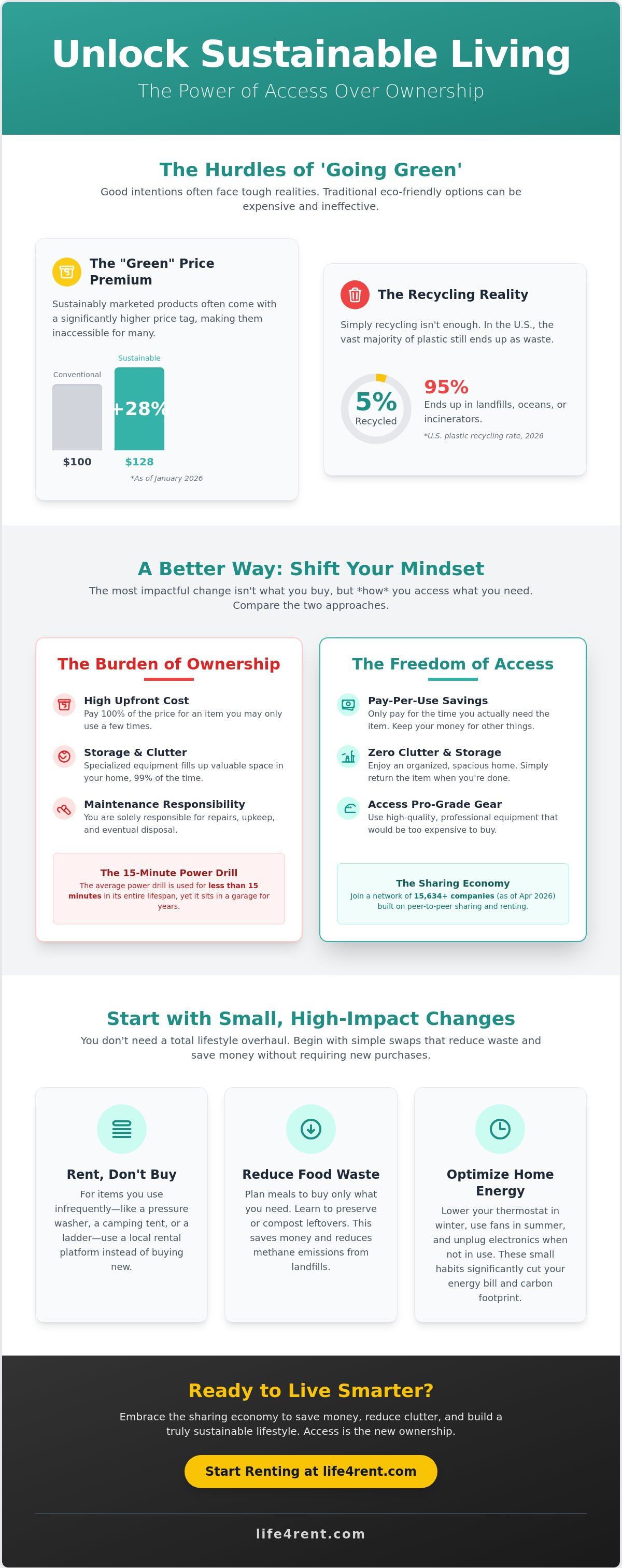
Sustainable products carry a 28% price premium as of January 2026, which often makes eco-friendly choices feel like a financial burden. Most people want to help the planet, but it's hard to stay motivated when the U.S. plastic recycling rate sits at 5%. These sustainable living tips for beginners focus on a path that avoids the high cost of branded marketing. You don't need to buy new products to start making a difference today.
It's common to feel overwhelmed by the clutter of specialized equipment or guilt over past consumption. You probably already suspect that buying more things isn't the answer to a waste problem. You can reduce your footprint by choosing access over ownership. You'll learn to use daily habits to save money and find resources within your community.
The sharing economy includes 15,634 companies as of April 2026, offering everything from tools to transport. Peer-to-peer marketplaces allow you to enjoy reliable items without storage stress. This avoids the high purchase prices of new gear. A simple shift toward renting instead of buying is a practical way to lower your impact while keeping your budget intact.
The Reality of Sustainable Living in 2026
Eco-friendly choices involve making decisions that reduce your personal and collective environmental impact. It's often misunderstood as an all-or-nothing pursuit, but the core of What is Sustainable Living? involves manageable, long-term shifts. These sustainable living tips for beginners focus on reducing what you own to gain more freedom. Real success comes from choosing a few high-impact habits and sticking to them until they feel natural.
To better understand how practical shifts work in a home setting, watch this helpful video:
Progress matters more than a flawless, zero-waste lifestyle. You don't need to produce only a jar of trash per year to make a difference. The most effective changes usually involve how you acquire the things you use rather than just what you throw away. A shift from buying to accessing resources helps you avoid the clutter of specialized equipment you rarely use. This approach reduces the demand for new manufacturing and keeps your home organized.
Small Steps for Big Impact
Focus on one area of the home, like the kitchen or the garage, to avoid feeling overwhelmed. You can audit your trash for one week to see what items you throw away most frequently. This specific data helps you identify which habits are worth changing first.
- Choose tap water over bottled water to save energy and reduce plastic waste.
- Swap single-use kitchen wraps for reusable silicone or wax alternatives.
- Use a neighborhood rental platform instead of buying a new ladder or pressure washer.
The U.S. plastic recycling rate dropped to 5% in 2026, so avoiding the purchase is always better than hoping for a recycle. Small wins build the confidence you'll need for bigger changes later. Practical sustainable living tips for beginners help you build a lifestyle that lasts without the constant stress of buying.
The Problem with Buying Green
New products always require raw materials and energy to manufacture, even if they have a "green" label. You'll find that sustainable products often carry a 28% price premium over conventional goods as of January 2026. This gap makes "buying green" an expensive strategy for most households. Consumer skepticism is high because greenwashing makes it difficult to tell which products actually help the environment.
Nearly 70% of consumers now conduct research before they trust a brand's sustainability claims. You can often find a more sustainable alternative by looking in your own neighborhood or using a rental platform. This avoids the carbon footprint of shipping and the waste of extra packaging. Choosing access over ownership is the most direct way to reduce your footprint in 2026.
Why Access Matters More Than Ownership
Ownership often feels like a requirement, but most household items spend 99% of their lives sitting in a drawer or garage. The average power drill is used for less than 15 minutes during its entire lifespan. You pay the full retail price, yet you only need the hole in the wall, not the physical tool itself. These sustainable living tips for beginners focus on shifting your mindset toward utility rather than possession.
Storage space is a hidden cost that many people overlook when they buy new equipment. Every square meter of your home has a value, and filling it with specialized tools you rarely use is inefficient. Maintenance and repair responsibilities also fall entirely on the owner, which takes up even more time and money. Peer-to-peer platforms allow you to use high-quality gear when you need it without the burden of long-term upkeep.
The Carbon Footprint of Stuff
The manufacturing process accounts for a massive portion of a product’s total carbon footprint. Every new item requires resource extraction, factory energy, and complex shipping routes before it reaches your door. The extraction of raw materials like lithium, steel, and plastic creates significant environmental strain before a product even enters a box. Shared items keep these resources in circulation longer and reduce the demand for new production.
This approach aligns with the global sustainable development goals by promoting responsible consumption patterns. Peer to peer equipment rental is a practical way to lower your impact without sacrificing quality. You don't need to settle for cheap, disposable alternatives when you can rent a durable item from someone in your community. This cycle of sharing reduces the amount of packaging waste that ends up in landfills.
Economic Benefits of Shared Resources
Rentals typically cost a fraction of the retail price for most household goods. You can save hundreds of euros by renting a high-end camera or a heavy-duty pressure washer for a weekend instead of buying one. Owners also benefit by earning extra income from items that would otherwise sit idle. If you have quality tools or gear, you might consider listing your own items to help offset their original cost.
You can find more specific advice on how to start in this peer to peer equipment rental guide. It explains the trade-offs of different platforms and how to ensure a smooth experience for both parties. A shift to an access-based lifestyle is one of the most effective sustainable living tips for beginners because it provides immediate financial and environmental results. You get the job done with better gear for less money.
Practical Household Changes That Actually Work
Food waste is another critical area, as organic matter in landfills produces methane, which is a greenhouse gas significantly more potent than carbon dioxide. The United States has a target of a 50% recycling rate, but reducing what you send to the bin in the first place is more effective. You can find many practical sustainable living tips that emphasize borrowing or repairing over buying new. Local repair services help you keep your current electronics running for years, which avoids the high environmental cost of manufacturing new devices.
Waste Reduction in the Kitchen
A meal plan is a straightforward way to prevent the purchase of ingredients that eventually go bad. You should check your pantry before every grocery trip to avoid duplicates. Small compost bins turn your food scraps into nutrient-rich soil for indoor plants or a small garden. Reusable silicone bags and beeswax wraps are reliable alternatives that replace single-use plastic film without much effort.
Purchases in bulk can reduce packaging waste, but they require careful planning to avoid spoilage. You'll save money on staples like grains or pasta, but buying fresh produce in bulk often leads to more waste if you don't use it quickly. Stick to dry goods for bulk purchases to ensure nothing ends up in the trash.
Energy Efficiency Without Renovations
LED bulbs use significantly less electricity than traditional options and last much longer. You'll see a reduction in your utility bills by making this switch throughout your home. Smart power strips are also useful because they prevent "vampire" energy loss from idle devices like TVs or chargers. These devices continue to draw power even when they're turned off, adding unnecessary load to the grid.
Laundry habits offer another easy win for your home footprint. Cold water washes are just as effective for most loads and save the energy normally used to heat the water. You should also air-dry clothes when possible to avoid the high energy demand of a tumble dryer. These sustainable living tips for beginners work because they integrate into your life without requiring a total lifestyle overhaul.
The Sharing Economy Strategy for Beginners
The sharing economy sector has grown to include 15,634 companies as of April 2026. This expansion makes it easier to find specialized gear without visiting a traditional retail store. You'll find that these sustainable living tips for beginners work best when you target items with high purchase prices but low usage rates. Tools and home improvement equipment are the most logical starting points because they are built to last but often sit idle in a garage for months.
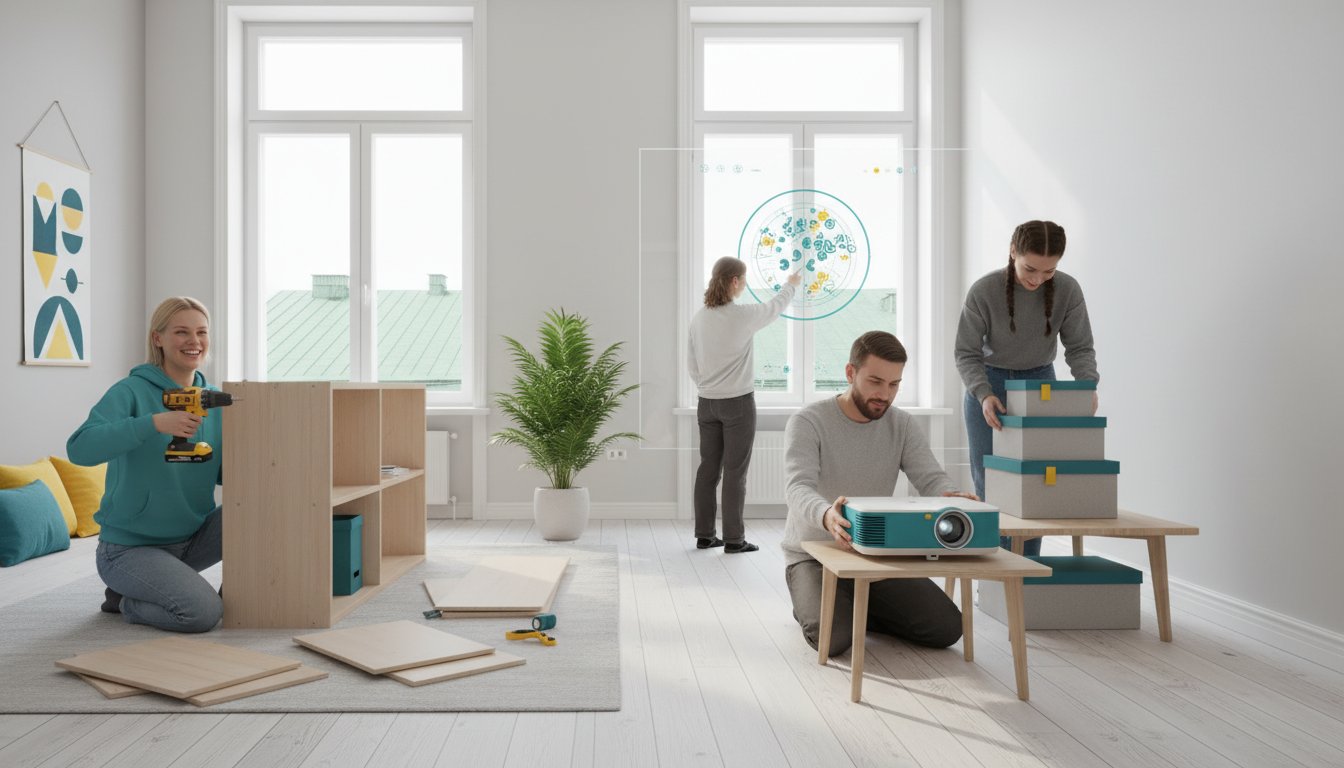
Baby gear is another category where ownership rarely makes sense for a growing family. Items like travel cribs, high chairs, or specialized strollers are only needed for a few months or years before they are outgrown. These rentals from other parents reduce waste and save you from finding storage for bulky items in your attic. You can also find electronics for one-time projects, such as a high-end projector for a backyard movie night or a specialized scanner for old family photos, through local networks.
Peer-to-Peer Options for Daily Items
Local marketplaces connect you directly with neighbors who already own the equipment you need. You can learn more about neiyborly sharing to see how these communities function in practice. A tool on rent is often more convenient than a trip to a big-box hardware store because the pickup point is usually just a few streets away. This localized approach cuts down on transportation emissions while keeping money within your immediate community.
How to Decide: Rent, Borrow, or Buy?
A simple way to manage your choices is the "rule of five." If you expect to use an item less than five times in a single year, you should rent it. A quick borrow from friends is a good option for very short-term, low-risk needs like a specific cake tin or a basic screwdriver. You should only buy an item when it is a daily necessity, and even then, high-quality second-hand options are usually the most sustainable choice.
Outdoor equipment for occasional camping trips doesn't need to take up valuable closet space for 350 days of the year. Tents, sleeping bags, and portable stoves are expensive to buy and require significant resources to manufacture. If you want to start exploring your neighborhood's shared resources, you can browse available rentals here to see what your neighbors are listing. This strategy ensures you have access to the best gear without the long-term commitment of ownership.
The United States has 3,365 companies in the sharing economy sector as of 2026, which is the highest number globally. This means your chances of finding a specific item nearby are better than they've ever been. You'll save money and avoid the clutter that often leads to household stress. These sustainable living tips for beginners help you build a more flexible lifestyle that prioritizes experiences over the weight of physical possessions.
How to Manage Your Sustainable Transition Long-Term
Consistency is more valuable than intense, short-term efforts that often lead to burnout. You'll find that sustainable living tips for beginners are easier to maintain when they become part of your normal routine. It's better to rent one tool every few months than to try a zero-waste month and quit after three days. A long-term approach allows you to adjust your habits as your needs change without feeling overwhelmed.
Community involvement makes this transition feel less like a chore and more like a social connection. You should inventory your storage spaces twice a year to identify items that haven't been touched in six months. These idle goods are perfect candidates for a peer-to-peer marketplace. You can list your own gear to help neighbors who are also trying to reduce their footprint, which keeps quality resources in active use.
Building a Sharing Habit
You should check rental apps before you search for a new product on a retail site. This simple pause in the buying process often reveals a better, more affordable option nearby. You'll save money and avoid the 28% price premium often found on "green" branded goods as of January 2026. Talking to your neighbors about sharing high-cost items like lawnmowers or power washers is another practical way to cut costs.
Small groups can share the cost of a single high-quality tool kit or a membership to a local resource library. This collaborative approach spreads the financial burden and ensures the equipment is maintained properly. You don't need to own every device to have a functional home. Peer-to-peer sharing is a reliable way to access premium equipment while supporting a local economy that values access over waste.
Building a sustainable lifestyle also involves supporting the small businesses that form the backbone of local economies. You can discover Anglia Market as an example of an online marketplace that empowers small and medium-sized businesses, demonstrating how digital platforms can foster community-based commerce regardless of your location.
Tracking Your Progress
You'll stay motivated if you note how much money you save each month by renting instead of buying. A single rental can save you hundreds of euros compared to a retail purchase. You should also observe the reduction in your household trash over time. This visible data proves that your choices have a measurable impact on the environment.
Focus on the physical space you reclaim in your home as you stop accumulating rarely-used items. A garage with fewer boxes and more floor space is a significant benefit of an access-based lifestyle. In 2026, 54% of consumers are willing to pay more for sustainable products and services, but you can achieve better results by simply owning less. This long-term strategy ensures your commitment to the planet remains practical and rewarding for years to come.
Building Your Access-Based Lifestyle
These sustainable living tips for beginners show that you don't need to spend 9.7% more on specialized products to make a difference. You can focus on reducing waste by avoiding new purchases entirely. Shared gear through your community keeps resources in circulation while keeping your home organized and clutter-free. Consistency in these small habits leads to a more manageable and affordable lifestyle over time.
Life4Rent operates a peer-to-peer marketplace serving Estonia and the United States with 17 categories of rental items. You'll find everything from tools to baby gear without the burden of permanent ownership. Browse daily items for rent on Life4Rent to see what's available in your neighborhood today. A choice to rent instead of buy is a simple way to protect your budget and the planet simultaneously. You'll enjoy having the right equipment for every project without the stress of extra storage.
Frequently Asked Questions
How do I start living sustainably without spending a lot of money?
You can start by avoiding the 28% price premium often found on branded "green" products as of January 2026. Most people find success by auditing their trash to see what they throw away most frequently. You'll save money immediately by switching to tap water and planning meals to prevent food waste. These simple shifts don't require any upfront investment and lower your footprint today.
Is it better to buy second-hand or rent an item for a one-time project?
Rentals are usually the better choice for one-time projects because they save you from storing bulky items you'll rarely use again. Second-hand purchases are great for daily necessities, but a rental prevents the carbon footprint of manufacturing a product that will mostly sit idle. You'll keep your living space clear and avoid the long-term costs of maintenance and repair.
What are the most impactful sustainable habits for beginners to adopt first?
Lowering your home energy use and reducing food waste provide the most significant immediate results for a household. You'll find that sustainable living tips for beginners often emphasize switching to LED bulbs and washing clothes in cold water. You can also make a large impact by choosing to rent specialized tools from neighbors instead of buying them new.
How does the sharing economy actually help the environment?
This system reduces the demand for new manufacturing, which accounts for a massive portion of a product's total carbon footprint. It keeps existing resources in circulation longer and cuts down on the packaging waste associated with new retail purchases. Since the U.S. plastic recycling rate is only 5% in 2026, avoiding new plastic production is a much more effective strategy than recycling.
Can I really save money by renting instead of owning my tools?
You'll save significant amounts because a rental costs a small fraction of the retail price for most high-quality tools. Owners must pay for the item itself, the storage space it occupies, and any necessary repairs over its lifespan. Renting allows you to pay only for the utility of the tool for the specific hours or days you actually need it.
What should I look for in a reliable peer-to-peer rental platform?
You should look for a platform that uses identity verification and has a transparent system for user reviews. A reliable marketplace provides clear insurance terms for both the owner and the renter to protect the items involved. It's also helpful to choose a platform with a wide range of categories so you can find everything you need in one place.
How can I reduce my plastic waste if I live in a small apartment?
Dry goods bought in bulk and reusable silicone wraps help you eliminate plastic without needing much storage space. You'll avoid the clutter of single-use bottles by using a simple faucet filter for your drinking water. These sustainable living tips for beginners are particularly effective in small spaces where every square meter of storage has a high value.
Is renting from neighbors safe for high-value electronics?
Established peer-to-peer platforms use secure payment systems and deposit structures to ensure the safety of high-value gear. You should communicate directly with the owner to confirm the item's condition and any specific handling instructions before the rental starts. This community-based approach allows you to access professional-grade electronics for one-time projects without the high cost of a retail purchase.
Life4Rent
Rent it. Earn from it. Own less, access more.
Browse peer-to-peer rentals near you, or list what you own and start earning — all protected by Life4Rent Protect.
About the author
Dublin, Ireland
Michael covers consumer rights, rental law, and EU platform regulation for the Life4Rent Renting Academy. He has reported on digital market policy and renter protections across Europe, and brings a clear, practical perspective to topics like deposit disputes, insurance, and the legal rights of renters and owners.