Sod Cutter Rental for Landscaping: A Practical 2026 Guide
August 17, 2026
Published by Life4Rent · Operated by Brohf Software OÜ
Most homeowners start a lawn renovation with a shovel and a lot of optimism, only to find themselves exhausted and barely a few feet into the project by noon. Manual sod removal is a grueling task that often leads to sore backs and unfinished yards. You might think the only alternative is a trip to a distant big-box store, but a sod cutter rental for landscaping is often available right in your own neighborhood.
You've likely felt those heavy machines look intimidating or carry price tags that don't fit a weekend budget. It's common to worry about transport logistics or the learning curve of operating a 300-pound machine for the first time. Most people find themselves weighing the cost of professional help against the physical toll of DIY work while looking at a patch of grass that needs to go.
You will learn how to select, operate, and rent a sod cutter through peer-to-peer platforms to simplify your lawn renovation. A local owner on Life4Rent provides a practical way to access tools without the commercial markup. Specific machine types available in 2026 and the steps to keep your project on track are central to getting the job done right without the usual stress of traditional rental centers.
Manual Removal vs. Machine Rental: Finding the Right Balance
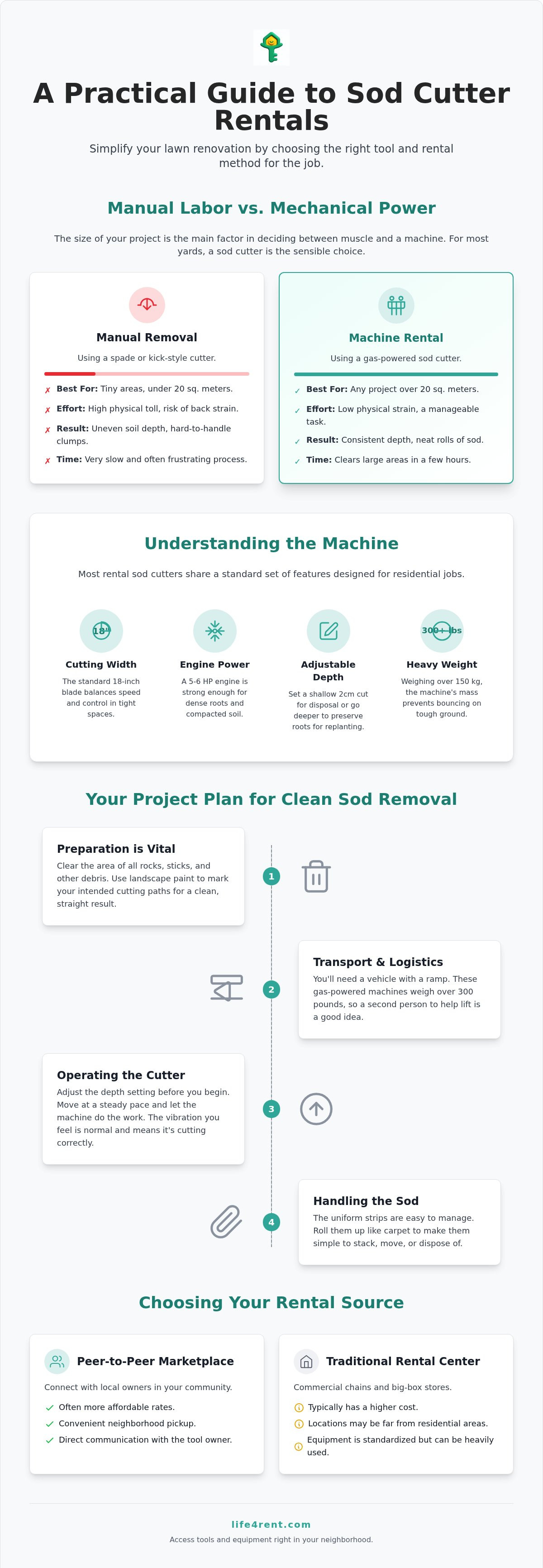
The decision between muscle power and machine power depends mostly on the size of your yard. A small area around a single tree or a tiny flower bed is manageable with a manual kick-style cutter or a sharp spade. However, projects larger than 20 square meters quickly become overwhelming without mechanical help. You'll find that the physical toll of manual labor often outweighs the small cost of a machine.
A sod cutter rental for landscaping is a practical way to avoid the physical exhaustion that comes with manual work. A one-day rental often pays for itself when you consider the value of your time and the cost of potential medical visits for back strain. It's a trade-off that favors the machine for almost any standard lawn renovation. You'll save your energy for the actual planting and design phases of your project.
Physical Demands of Manual Grass Stripping
Spades require repetitive motion and significant upper-body strength to break through dense turf. Established lawns often have thick root systems that resist hand-cutting, making the process incredibly slow and frustrating. Most people find that manual work results in uneven soil depth, which creates more work later when trying to level the ground for new sod or pavers.
Manual work also leaves the removed grass in heavy, irregular clumps rather than neat rolls. These clumps are harder to bag for disposal or to transplant elsewhere in your garden. If you're dealing with clay-heavy soil, the physical resistance of the earth can make a manual spade feel like it's hitting concrete. This repetitive impact can lead to joint pain and fatigue before you've even cleared the first few meters.
Efficiency Gains with Mechanical Cutters
Gas-powered units move at a consistent pace, allowing you to clear large areas in a fraction of the time. These machines usually feature an 18-inch cutting width, which is the standard for residential and light commercial work. You get a professional result because the vibrating blade maintains a steady depth across the entire yard. This uniformity is nearly impossible to achieve with hand tools.
Uniform strips of sod are much easier to handle than the jagged pieces left by a shovel. You can roll these strips up like a carpet, making them simple to stack on a pallet or load into a trailer. This efficiency transforms a grueling weekend chore into a manageable task that only takes a few hours. Finding a sod cutter rental for landscaping through a neighbor on Life4Rent is often more convenient than driving to a distant industrial park. This community-based approach makes it easier to justify using high-quality gear for even mid-sized projects.
Mechanical Features and Depth Settings of a Sod Cutter
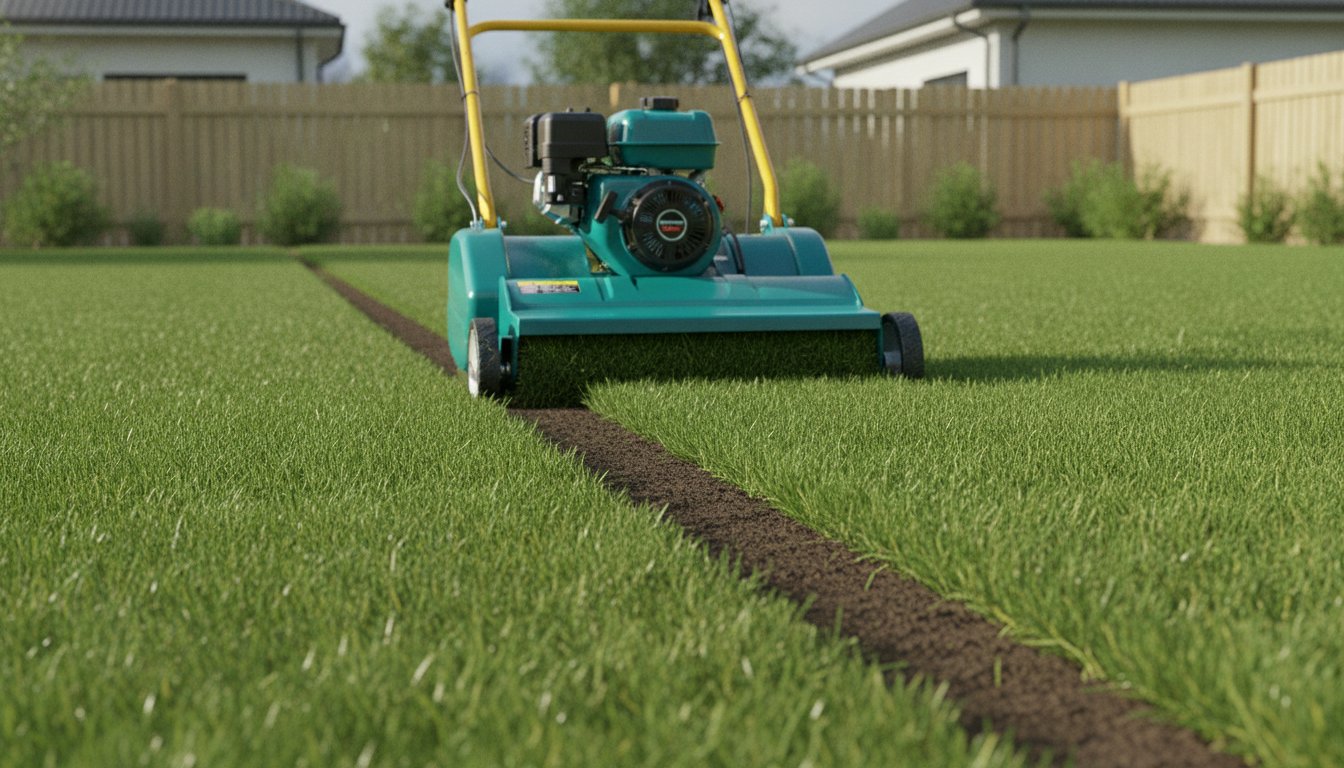
A sod cutter is a specialized piece of equipment designed to do one thing very well. It uses a high-speed vibrating blade to slice through grass roots with mechanical precision. This action replaces the back-breaking work of manual stripping mentioned earlier. Most models you'll find for a sod cutter rental for landscaping are gas-powered and built to withstand hours of continuous use.
These machines are built for utility rather than comfort. You'll feel the vibration through the handles, which is a sign the blade is working correctly. Most units feature a heavy steel frame to keep the machine planted firmly on the ground while the blade oscillates. This weight is necessary to prevent the machine from bouncing when it hits thick patches of clover or stubborn roots.
Blade Width and Engine Power
Standard 18-inch blades provide the best balance between maneuverability and speed for residential yards. A wider blade might seem like a time-saver, but it's often too heavy to turn in tight corners or near garden beds. Engines on these units typically range from 5 to 6 horsepower. This power level ensures the machine can handle tough root mats and compacted soil without stalling mid-pass.
Rear-wheel drive models offer much better stability if your lawn has slight inclines or slopes. These machines are heavy, often weighing over 150 kilograms, so the drive system is essential for control. You don't want to be fighting the machine's weight while trying to maintain a straight line. If you're unsure about the specs, you can often ask tool owners on Life4Rent for the specific horsepower and drive type of their equipment.
Adjusting the Depth for Your Specific Grass
If you prefer owning your tools for long-term landscaping needs, Champion Baltics offers a variety of professional-grade power equipment designed to handle these types of demanding outdoor projects.
Depth settings are the most important feature to master before you start your project. Shallow cuts of about 2 cm are ideal if you plan to discard the old turf or compost it. This depth keeps the removed strips lightweight and much easier to load into a skip or trailer. Most users prefer this setting for simple lawn removals where the grass isn't being reused.
Deeper cuts of at least 5 cm are necessary if you intend to transplant the sod to another part of your property. This extra soil keeps the root system intact and gives the grass a better chance of survival in its new home. You'll need to adjust the lever on the front or side of the machine to lock in these settings. Soil moisture levels also play a role; bone-dry earth can be too hard for even a 6 HP engine to penetrate easily.
Four-wheel drive systems provide the extra traction needed for thick or damp turf. These systems prevent the wheels from spinning and tearing up the soil you're trying to keep level. Consistent traction ensures that the blade stays at the depth you've selected throughout the entire pass. It's a small detail that makes a big difference in the final look of your bare soil before you begin the next phase of landscaping.
Peer-to-Peer Rental vs. Traditional Rental Centers
Commercial rental centers have been the default choice for heavy machinery for decades. A sod cutter rental for landscaping at a large chain often involves navigating a busy industrial park and dealing with rigid corporate policies. You'll likely encounter high daily rates and strict return times that don't account for the unpredictable nature of yard work. These centers prioritize high-volume turnover, which can sometimes result in equipment that feels worn out from constant use.
A peer to peer equipment rental offers a different experience by connecting you with individuals in your own neighborhood. This model bypasses the overhead costs of big-box stores, which usually translates to more competitive pricing for the user. You aren't just renting a tool; you're accessing a resource from someone who likely cares for their equipment as a personal investment. This shift toward community-based sharing is a practical way to get professional results without the corporate markup.
Cost and Convenience Factors
Local pickups save you a significant amount of time and fuel compared to driving across town to a warehouse. You can often arrange flexible pickup times that allow you to start your project at daybreak while the soil is still cool. Peer-to-peer rates are typically lower than those at major hardware retailers because the transaction is direct between two people. Weekend availability is often better through individual owners who don't have to manage a fleet for hundreds of customers at once.
Owners on Life4Rent often provide practical tips based on local soil conditions that you won't get from a store clerk. If your area has heavy clay or sandy soil, a neighbor who has used the machine on their own lawn can give you specific advice on depth settings. This personal insight helps you avoid common mistakes and ensures the machine is set up correctly for your specific environment. It's a level of support that makes the technical side of landscaping feel much more manageable.
Support and Community Benefits
Neighborly rentals keep money within your local community and support the people living around you. You contribute to a more sustainable way of working by using tools that already exist in your area. Resource sharing reduces the demand for new manufacturing and the environmental impact associated with it. Direct communication with the owner ensures you understand the machine's history and any specific maintenance requirements before you pull the starter cord.
Trust is built through digital verification and clear communication on the platform. You get the reliability of a professional service with the personal touch of a neighborly interaction. This approach makes the process of renting heavy gear feel less like a transaction and more like a collaborative project. It's a sensible way to handle a one-time renovation without the long-term burden of tool ownership and storage.
Step-by-Step Operation for Clean Sod Removal
Success with a sod cutter begins long before you pull the starter cord. A sod cutter rental for landscaping is a high-performance tool that requires a clear, unobstructed path to work effectively. You'll need to walk your lawn and remove every rock, toy, or piece of debris that could damage the vibrating blade. Use landscape paint to mark your intended path so you can cut straight lines and avoid missing any spots.
Safety gear is non-negotiable when you're operating heavy machinery. Sturdy boots with good grip will protect your feet and provide the stability needed to guide the unit. You should also wear heavy-duty gloves and ear protection to manage the intense vibration and engine noise. Maintain a steady forward motion and let the machine's power do the work instead of trying to force it through the turf.
Pre-Cut Preparation and Layout
Water your lawn deeply two days before you plan to start. This softens the soil enough for the blade to penetrate without turning the yard into a muddy mess. You should also mow the grass to its shortest setting to prevent long blades from clogging the machine's internal parts. Use flags to mark every underground sprinkler head or utility line so you don't accidentally slice through expensive infrastructure.
Machine Startup and Initial Pass
Check the fuel and oil levels while the machine is on a level surface. You'll want to position the unit at your starting mark before you engage the blade. Perform a small test strip of about one meter to verify that your depth setting is correct for your specific grass type. If the blade is struggling or taking too much soil, stop the unit and adjust the lever before you continue across the rest of the yard.
Handle and Roll the Cut Sod
Cut the lawn into manageable lengths of about one to two meters for easier handling. Longer strips are too heavy to lift and often break apart when moved. Roll each strip with the grass side facing out to keep the roots moist and protected from the air. Stack these rolls in a shaded area immediately if you plan to transplant them to a new location. You can rent a sod cutter from a local owner to get professional results on your next project.
Preparation and Logistics for Your Life4Rent Booking
A sod cutter rental for landscaping requires more than just a quick pickup and a handshake. These machines are heavy, industrial pieces of equipment that don't fit into the trunk of a standard sedan. You'll need to plan your logistics carefully to ensure the machine arrives at your project site in good condition and ready to work. Most users find that a little bit of preparation at the start prevents a lot of frustration once the rental clock begins.
Transport requires a vehicle with a ramp or at least two people for heavy lifting. You should also verify the fuel type needed for the machine before you leave the pickup location. Some engines run on standard gasoline, while others might require a specific oil mix. Check the blade for sharpness and ensure it's free of old, dried mud to guarantee clean cuts during your project.
Heavy Equipment Transport Logistics
Most 18-inch sod cutters weigh approximately 170 kilograms (373 lbs), making them difficult to move without the right setup. You'll need a trailer, a pickup truck, or a van with a low floor to transport the unit safely. Secure the machine with heavy-duty tie-down straps to prevent it from shifting or tipping during transit. Empty the fuel tank if the machine must be tilted for any reason to prevent leaks or engine flooding.
Ramps are the safest way to load and unload these units, especially if you're working alone. If you don't have a ramp, make sure you have a second person available at both the pickup and drop-off points. You'll also want to clear a space in your garage or shed where the machine can stay dry overnight. Keeping the equipment out of the rain protects the belt drive and the engine components from rust and moisture damage.
Communication with the Tool Owner
Ask the owner for a quick demonstration of the throttle and blade controls before you take the machine home. Every model has its own specific startup sequence, and a five-minute walk-through can save you an hour of troubleshooting. Confirm the return time clearly to avoid late fees or project delays for the next user. Report any mechanical issues immediately through the platform messaging system to maintain an honest record of the machine's condition.
Explore other options like a tool on rent to find all necessary gear in one place. You might find that the same owner has a trailer or safety gear available, which simplifies your entire landscaping project. Direct communication with local owners often leads to better advice on how to handle specific soil types in your neighborhood. This community-based approach makes a sod cutter rental for landscaping a much more practical choice than dealing with the rigid policies of a corporate rental yard.
Prepare for Your Weekend Lawn Transformation
A successful renovation depends on having the right gear without the unnecessary stress of corporate rental yards. You've seen how a sod cutter rental for landscaping saves hours of manual labor and provides a clean surface for your new garden design. Master the depth settings and plan your transport logistics to ensure the project runs smoothly from start to finish.
Life4Rent offers a practical way to source high-quality tools directly from your neighbors. You can browse through 17 categories of gear to find exactly what you need for your home improvement tasks. These local rentals come without corporate markups, making professional results much more accessible for every homeowner. It's a sensible approach that keeps resources within the community while helping you finish your work faster.
Find a sod cutter for your project on Life4Rent and get started on your outdoor space today. You'll find that having the right machine makes a significant difference in the quality of your final result. Good luck with your landscaping project.
Frequently Asked Questions
Can a sod cutter fit in the trunk of a standard car?
Motorized sod cutters are too large and heavy to fit into the trunk of a standard car. These machines often weigh over 150 kilograms and require a vehicle with a ramp or a trailer for safe transport. You'll also need tie-down straps to keep the unit stable during the drive to your project site. Always verify the machine's dimensions with the owner on Life4Rent before you arrive for pickup to ensure your vehicle is suitable.
How deep does a sod cutter actually cut into the ground?
Most machines feature adjustable depth settings that allow you to cut between 2 cm and 6 cm into the soil. You'll want a shallow cut if you plan to discard the old grass and keep the weight of the rolls manageable. Deeper cuts are necessary if you intend to transplant the sod elsewhere on your property. A sod cutter rental for landscaping provides the technical precision needed to maintain a uniform depth across your entire yard.
Is it possible to use a sod cutter on wet or muddy soil?
You should avoid using a sod cutter on wet or muddy soil because the machine will lose traction and sink. Saturated ground also makes the removed strips of grass incredibly heavy and difficult to roll for disposal. It's best to wait for a period of dry weather and water the lawn lightly two days before you start. This ensures the soil is damp enough for the blade to penetrate without creating a messy work environment.
What happens if I hit a rock while using the machine?
Large rocks can dull the vibrating blade or damage the machine's internal drive system if they are hit at full power. You must stop the engine immediately if you hear a loud metallic sound or feel the unit jerk suddenly. It's a good idea to walk the entire lawn and remove any visible debris before you pull the starter cord. If you do hit a stone, inspect the blade for cracks or bends before you continue your work.
Do I need a special license to operate a gas-powered sod cutter?
You don't need a special license or professional certification to operate a gas-powered sod cutter for your own projects. These machines are designed for residential use, though they do require a basic understanding of the throttle and safety controls. You should ask the owner for a quick demonstration of the startup sequence when you pick up the equipment. A quick review of the manual or a tutorial will help you handle the machine with confidence.
How much area can I realistically clear in a four-hour rental?
You can realistically clear between 200 and 300 square meters of turf during a four-hour rental period. This timeframe accounts for the initial setup, a few test passes, and the actual cutting of the grass strips. A sod cutter rental for landscaping is significantly faster than any manual method, though you should still leave time for rolling and stacking the sod. Projects with complex shapes or many obstacles will require more time to navigate the machine accurately.
Can I replant the sod that I have removed with the machine?
You can replant the removed sod as long as you cut it deep enough to include a healthy portion of the root system. It's vital to keep the rolls in a shaded spot and lay them in their new location as soon as possible. Immediate watering after placement is the best way to ensure the grass takes root in the new soil. The consistent thickness of machine-cut sod makes it much easier to level during the replanting process.
What is the difference between a kick-style and a motorized cutter?
A kick-style cutter is a manual tool that uses your leg power to push a blade through the turf. This is a practical choice for very small patches or garden edging where a motorized unit would be too bulky. Motorized cutters use a gas engine to vibrate the blade and drive the wheels forward, which saves you an immense amount of physical labor. Most homeowners prefer the motorized version for any project that involves more than a few meters.
Life4Rent
Rent it. Earn from it. Own less, access more.
Browse peer-to-peer rentals near you, or list what you own and start earning — all protected by Life4Rent Protect.
About the author
Tallinn, Estonia
Philip leads editorial at the Life4Rent Renting Academy, overseeing guides on peer-to-peer rental, platform safety, and consumer finance across 25 markets. He has spent over a decade covering the sharing economy and digital marketplaces, helping renters and owners navigate the shift from ownership to access.