Skid Steer Rental: A Practical Peer-to-Peer Guide for 2026
August 20, 2026
Published by Life4Rent · Operated by Brohf Software OÜ
The advertised daily rate for a skid steer is often just a fraction of what you'll actually pay once the big rental chains add their delivery fees and insurance surcharges. It's frustrating to plan a weekend project only to find that transport costs alone eat up half your budget. You need a reliable machine. A local skid steer rental through a community marketplace can solve these common headaches while keeping your money in the local economy.
You want results, not a stack of paperwork or a long wait for a delivery truck. This guide shows you how to navigate the 2026 landscape of peer-to-peer rentals to find machines that keep your project on track. You'll learn how to evaluate equipment from private owners and manage the logistics of transport safely. We cover everything from checking hydraulic systems to understanding why a compact track loader might cost 10% to 20% more than a wheeled model. By the end, you'll have a clear plan to get the job done without overspending on hidden fees.
What is a skid steer and why rent one peer-to-peer?
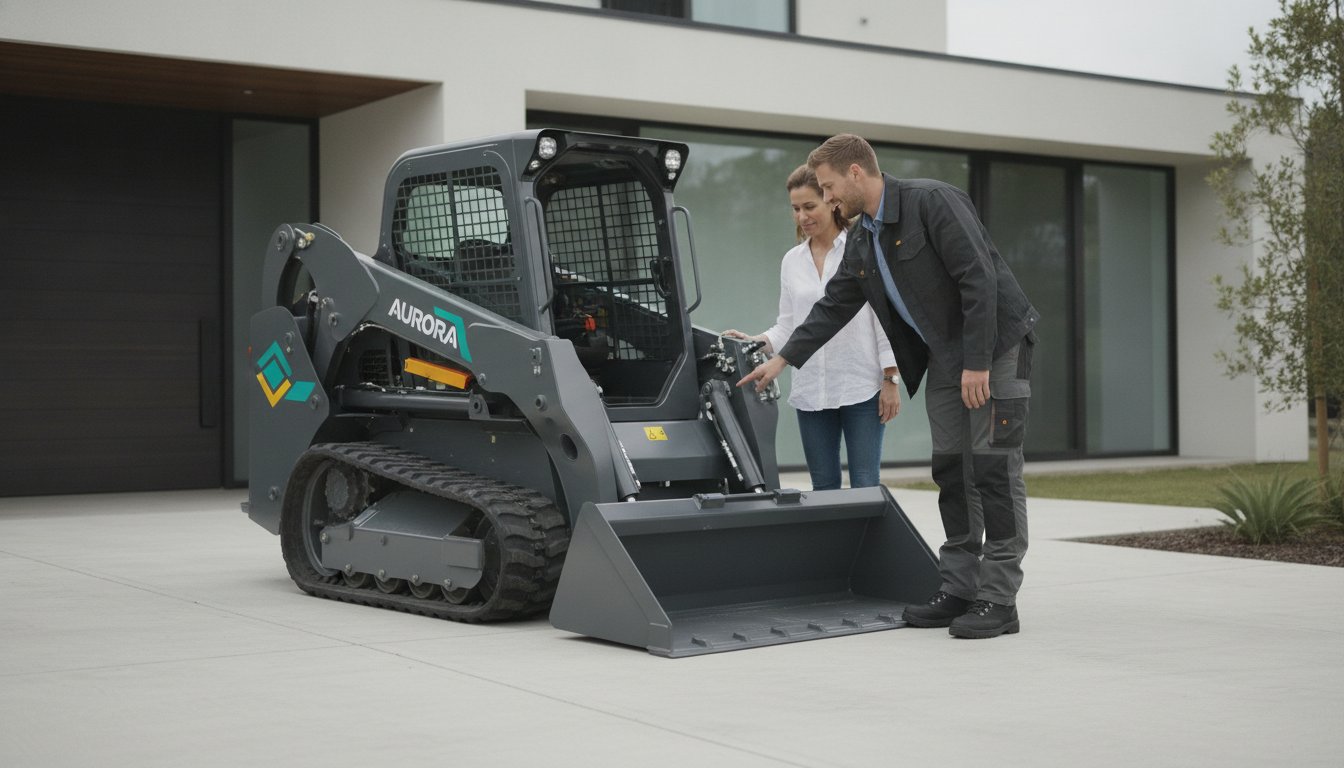
A Skid-steer loader serves as the backbone for many residential and light commercial projects. This compact, engine-powered machine uses a rigid frame and lift arms to power a massive range of attachments. The unique name comes from the way the machine handles turns. Since the wheels or tracks are in a fixed orientation, the operator must make the wheels on one side "skid" to change direction. This design allows for a zero-turn radius, which makes it ideal for working in confined spaces where a tractor or backhoe wouldn't fit.
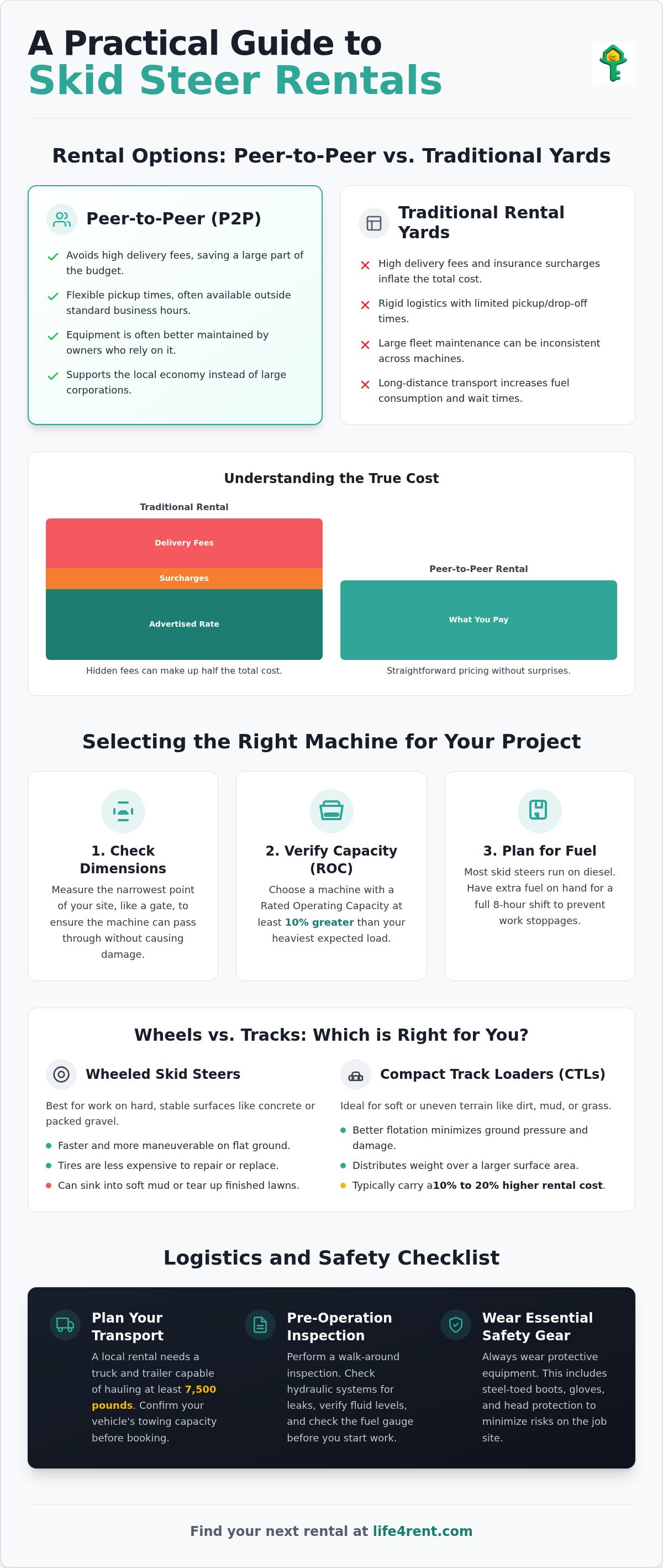
Local owners on Life4Rent offer several practical advantages over traditional commercial yards. Corporate rental companies often have rigid logistics that don't account for the realities of a DIY project. Local owners are typically more willing to coordinate pickup times that work for you, even outside of standard business hours. You also benefit from the owner's personal pride in their equipment. P2P machines are often better maintained because the owner relies on the machine's longevity for their own work or long-term rental income.
Common uses for a skid loader
Landscaping tasks become significantly less labor-intensive when you have the right power at your fingertips. You can use a skid steer to grade a yard, move literal tons of mulch, or transport heavy pallets of sod. Small-scale demolition is another area where these machines shine. A hydraulic breaker attachment can turn a week-long manual sledgehammer job into a single afternoon of work. Winter weather also creates a high demand for these loaders. Their compact size makes them perfect for snow removal in residential driveways or small commercial parking lots where larger trucks struggle to maneuver.
The benefits of the sharing economy
The sharing economy creates a win-win scenario for everyone involved in the local community. Owners can monetize a skid steer rental that would otherwise sit idle and collect dust in a barn. This income helps offset the high cost of maintenance and storage for the owner. Renters see the benefit in their wallets. You'll usually find lower daily rates on Life4Rent because there isn't a corporate marketing budget or a massive staff to support. Neighborhood-based rentals also help the environment. You reduce the total fuel burned for transport when you pick up a machine two streets over instead of waiting for a delivery from a yard 30 miles away. If you're looking for other ways to optimize your project, you can browse the tool on rent category to see what else is available nearby.
The right skid steer model for your specific project
The physical dimensions of the loader must match the constraints of your workspace. You must measure the narrowest point of your site, such as a side gate or a gap between trees, to ensure the machine can pass through without getting stuck. A loader that's too large causes unnecessary property damage and increases your skid steer rental costs without adding value to the job. It's better to spend a few minutes with a tape measure now than to deal with a machine you can't actually use.
Rated Operating Capacity (ROC) determines how much weight the machine can safely lift before it becomes unstable. You'll find that loaders are categorized by this number, which varies significantly between small residential units and heavy-duty industrial models. You should choose a machine with an ROC that exceeds your heaviest expected load by at least 10%. This buffer prevents the machine from tipping and ensures you stay within the bounds of Skid-Steer Safety protocols during operation.
Diesel fuel powers almost every skid steer you'll find on a peer-to-peer marketplace. You should check the fuel gauge during your initial inspection and ask the owner about the machine's average burn rate. It's your responsibility to have extra fuel on hand if you plan to run the engine for a full eight-hour shift. This preparation prevents mid-day work stoppages and keeps your project on schedule.
Wheels versus tracks: which should you choose?
Wheeled skid steers are the traditional choice for work on hard, stable surfaces like concrete or packed gravel. These models are generally faster and more maneuverable on flat ground than their tracked counterparts. You'll also find that tires are less expensive to replace or repair if you accidentally drive over a sharp object. However, wheels can easily sink into soft mud or tear up a finished lawn if you aren't careful with your turns.
Track loaders, often called Compact Track Loaders (CTLs), provide much better flotation on soft or uneven terrain. They distribute the machine's weight over a larger surface area, which minimizes ground pressure and prevents rutting. Research shows that track loaders typically carry a 10% to 20% surcharge over wheeled models due to higher maintenance costs for the undercarriage system. If you're working on a sensitive landscape, the extra cost is usually worth the saved repair time later. You can browse local listings to compare the availability of both types in your area.
Essential attachments for common tasks
Attachments are what make these machines so versatile for different jobs. A standard bucket is perfect for moving piles of dirt, gravel, or mulch. If you're receiving deliveries of sod or bricks on pallets, you'll need a set of pallet forks to move them safely. These allow you to transport heavy materials around the site with precision. For fencing projects, an auger attachment can drill dozens of post holes in the time it would take to dig one by hand. You should always confirm with the owner which attachments are included in the base price and which require an additional fee.
Logistics, transport, and safety inspections
A successful skid steer rental starts long before you turn the ignition key. You'll need a heavy-duty truck and a trailer specifically rated for the machine's weight, which averages around 7,500 pounds for a standard unit. Personal safety equipment is just as vital as the machine itself. You must wear ear protection, steel-toed boots, and a high-visibility vest whenever you're in or around the loader. Industry experts at the NAHB emphasize that Operating Skid Steer Loaders safely requires constant vigilance and the right gear. You should also verify that your insurance policy or the platform's protection plan covers the machine during transport and use.
Owners on peer-to-peer platforms usually take good care of their gear, but a personal inspection protects both parties. You must secure the machine at the designated tie-down points on the frame rather than the lift arms or attachments. Proper tie-down procedures prevent the machine from shifting during transport, which is a major liability if you're hauling the equipment yourself. Always confirm the pickup and drop-off locations have enough space for a truck and trailer to maneuver safely.
A pre-rental inspection checklist
You should look closely at the hydraulic hoses for any signs of weeping fluid or deep cracks in the rubber. A sudden hose failure under pressure can stop your project instantly and create a significant mess. Check the engine oil and coolant levels while the machine is on level ground to ensure they're within the safe operating range. You must also test the safety bars and seat sensors. These systems should prevent the lift arms from moving unless the operator is safely buckled in. Inspect the bucket pins and bushings for excessive play, as worn parts make precise grading much harder to achieve.
Transporting heavy equipment safely
Stability on the road depends on how you load the trailer. You should position the skid steer so that approximately 60% of the weight is in front of the trailer axles to prevent dangerous swaying. Most experienced haulers use a four-point tie-down system with heavy-duty Grade 70 chains and binders. Chains should pull in opposite directions to lock the loader in place. This prevents the machine from shifting forward or backward if you have to brake suddenly in traffic. Always double-check your hitch connection and safety chains before you leave the owner's property.
Analyzing the cost of skid steer rental in 2026
Daily rates for a skid steer rental in 2026 fluctuate based on the machine's lift capacity and the specific attachments you need. Commercial yards often use a "request a quote" system to obscure final prices until the last minute. You'll find a more transparent experience on a peer to peer equipment rental marketplace where owners list their rates upfront. Smaller machines are naturally more budget-friendly, while heavy-duty models with specialized hydraulics command a premium.
Transport costs from big rental houses can be a major shock to your project budget. A typical round-trip delivery fee can add $100 to $300 to your bill depending on the distance from the equipment yard. These charges sometimes exceed the daily skid steer rental price if the yard is located far from your site. You can avoid these fees entirely by picking up the machine yourself with a suitable truck and trailer. Peer-to-peer rentals often allow for more flexible pickup arrangements that save you money on commercial logistics.
P2P versus corporate price comparison
Corporate chains usually add high insurance premiums and environmental fees to every invoice. Big chains often bundle a damage waiver into the contract, which can add another 10% to 15% to the daily price. Private owners on Life4Rent often exclude these corporate surcharges, which leads to lower total costs for the renter. You'll also find that hidden administrative fees are much less common in direct person-to-person agreements. Weekly rentals often come with substantial discounts when you deal directly with an owner. Many owners prefer the stability of a longer rental and will lower their daily rate to accommodate a multi-day project.
Avoiding extra charges on your rental
Fuel costs are almost always your responsibility as the renter. You should top off the diesel tank yourself because it's cheaper than paying the owner's fuel surcharge. Owners usually charge a premium if they have to visit the gas station after you drop off the machine. Take a few minutes to wash the loader before you return it. Excessive mud or debris can trigger a cleaning fee if the machine isn't in the same state you found it.
You should return the equipment on time to prevent automatic late-fee triggers. Owners often have their machines booked back-to-back, and a delay on your end can disrupt their next rental. Clear communication with the owner about your project scope prevents misunderstandings about machine use. You can compare local rates now to see how much you can save on your next project.
How to use Life4Rent for your next equipment rental
Life4Rent operates as a bridge between equipment owners and people who need a specific tool for a short-term project. You can find a skid steer rental by exploring the tool on rent category; it organizes local listings across 17 different service areas. This direct connection removes the corporate middleman and allows for a more transparent transaction. It's a practical way to access heavy machinery without the rigid constraints of a traditional rental yard.
Direct communication with the owner is one of the biggest advantages of a peer-to-peer marketplace. You should message the owner to ask about the machine's service history or to confirm if they have specific attachments like augers or pallet forks. Most owners are happy to provide details about how they've used the machine in the past. This dialogue helps you feel confident that the loader is ready for your specific site conditions and workload.
Reviews from previous renters provide an honest look at the machine's reliability and the owner's responsiveness. You should look for listings with positive feedback regarding the loader's mechanical condition and the ease of the hand-off process. If a machine has a history of hydraulic issues, other users will likely have mentioned it in their comments. Reliable feedback helps you avoid equipment that might break down in the middle of your project.
Security is a priority when you handle high-value equipment. You must complete your booking and payment through the Life4Rent platform to ensure that the built-in protections apply to both parties. This process creates a digital paper trail and provides a framework for dispute resolution if something goes wrong. It's a safer alternative to cash-only deals that leave you without any recourse or documentation.
Finding the right listing near you
The platform's search filters help you narrow down your options based on proximity and daily price. You can sort listings to find a machine that is literally a few miles away, which significantly simplifies your transport logistics. Proximity is key when you want to avoid the long-distance hauls and high fuel costs mentioned earlier in this guide. Detailed photos are also essential for an accurate condition assessment.
You should look for clear shots of the engine bay, the hydraulic cylinders, and the condition of the tires or tracks. These images help you spot potential issues before you spend time traveling to inspect the machine in person. A good listing usually includes at least five to ten photos from different angles. Listing descriptions should also provide the specific year and model so you can verify the technical specs yourself.
Listing your own skid steer for profit
Equipment owners can turn an idle machine into a source of steady income by listing it on the marketplace. This is a practical way to offset the high costs of maintenance, insurance, and storage. Your skid steer can pay for itself over a few busy seasons if you maintain a high level of machine availability. High-quality photos and a fair daily rate are the best ways to attract consistent renters in your local area.
Clear house rules are necessary to protect your investment from misuse. You should specify exactly what types of work are allowed and whether the renter is responsible for basic daily maintenance like greasing the pins. These boundaries prevent misunderstandings and help keep your machine in top condition. A fair rate ensures your machine stays busy while providing a valuable service to your neighborhood.
Getting your project moving with local equipment
If you are an entrepreneur looking to expand your equipment fleet or simply need to manage your business's liquidity, Online Pôžičky provides specialized financial services and non-bank loans for self-employed individuals and companies.
A successful project depends on the balance between the right equipment and a realistic budget. You can avoid the high delivery fees and rigid schedules of commercial yards by looking to your own neighborhood. A skid steer rental through a peer-to-peer marketplace gives you access to well-maintained machines while supporting local owners. You'll save money on overhead and get the flexibility that a big-box chain simply don't provide. Most users save up to 30% compared to corporate rental chains, and every booking is handled through secure peer-to-peer transactions.
Owners on Life4Rent offer a transparent way to get the job done. You can browse over 17 categories of rental items to find exactly what your site requires. It's a practical choice for anyone who values reliability and community-driven service. You should find a local skid steer rental on Life4Rent today to keep your next project on track and under budget. Your backyard transformation or site cleanup is well within reach when you have the right tools nearby.
Frequently Asked Questions
Do I need a special license to operate a skid steer?
Operators don't typically need a commercial license for private residential use in most areas. You should check your local municipality's rules if you plan to drive on public roads. OSHA requires specific training for employees who use these machines in a professional capacity. It's a good idea to spend ten minutes reading the operator's manual before you start the engine. Owners will usually show you the basic controls during the hand-off.
What is the average daily cost for a skid steer rental in 2026?
You'll find that daily rates in 2026 depend on the machine's size and the local market demand. Models with tracks or high-flow hydraulics usually cost more than a standard wheeled machine. Local availability and the duration of your project will also influence the final cost. You'll often find that weekly rates offer a better value than renting day-to-day. Owners might offer discounts for longer projects because it provides them with more stable rental income.
Can I rent a skid steer with a trailer included?
Some owners on Life4Rent include a trailer as part of a bundle, but you should always verify this in the listing description. You'll need a truck with a sufficient towing capacity to handle the combined weight of the trailer and the 7,500-pound loader. If a trailer isn't included, you might need to rent one separately. Always confirm the hitch size and light connections match your vehicle before you arrive to pick up the machine.
What happens if the skid steer breaks down during my project?
You should stop operation and contact the owner immediately if you encounter a mechanical failure during your project. Most peer-to-peer agreements require you to document the issue with photos or video right away. Life4Rent provides a framework for dispute resolution to protect both parties in these situations. You aren't usually responsible for normal wear and tear, but damage from misuse might fall under your liability. Clear communication helps resolve these issues without extra stress.
Is a track loader better than a wheeled skid steer for yard work?
Track loaders are generally better for yard work because they exert less pressure on the ground. This flotation prevents the machine from sinking into soft soil or leaving deep ruts in a finished lawn. Wheeled models are faster on hard surfaces like asphalt, but they can easily damage sensitive landscapes. You'll pay a bit more for a track loader, but the reduced repair work on your yard often justifies the extra daily cost in the end.
How much weight can a standard skid steer lift?
Rated Operating Capacity (ROC) determines the lift limit, and a standard machine typically handles between 1,500 and 3,000 pounds. You must never exceed this limit because it can cause the machine to tip forward dangerously. The average weight of the machine itself is around 7,500 pounds, which is important to know for transport logistics. You should check the specific ROC listed in the owner's manual to ensure it meets the requirements of your specific material loads.
Are attachments like augers or forks included in the rental price?
Attachments are frequently rented as separate items rather than being included in the base skid steer rental price. You might find that tools like pallet forks or augers have their own daily rates. Some owners offer a discounted package if you rent multiple attachments at once. You should always ask the owner about attachment compatibility to ensure the hydraulic connections match the machine. This prevents delays when you're ready to start your project on the job site.
Does Life4Rent offer any protection plans for equipment owners?
Life4Rent provides a secure environment for peer-to-peer transactions to help protect owners and renters alike. Owners can set specific house rules and security deposits to safeguard their high-value equipment. The platform's review system also helps filter out unreliable users by highlighting the experiences of previous community members. You should always process payments through the platform to ensure you have access to these built-in protections and a clear digital record of the rental agreement.
Life4Rent
Rent it. Earn from it. Own less, access more.
Browse peer-to-peer rentals near you, or list what you own and start earning — all protected by Life4Rent Protect.
About the author
Dublin, Ireland
Michael covers consumer rights, rental law, and EU platform regulation for the Life4Rent Renting Academy. He has reported on digital market policy and renter protections across Europe, and brings a clear, practical perspective to topics like deposit disputes, insurance, and the legal rights of renters and owners.