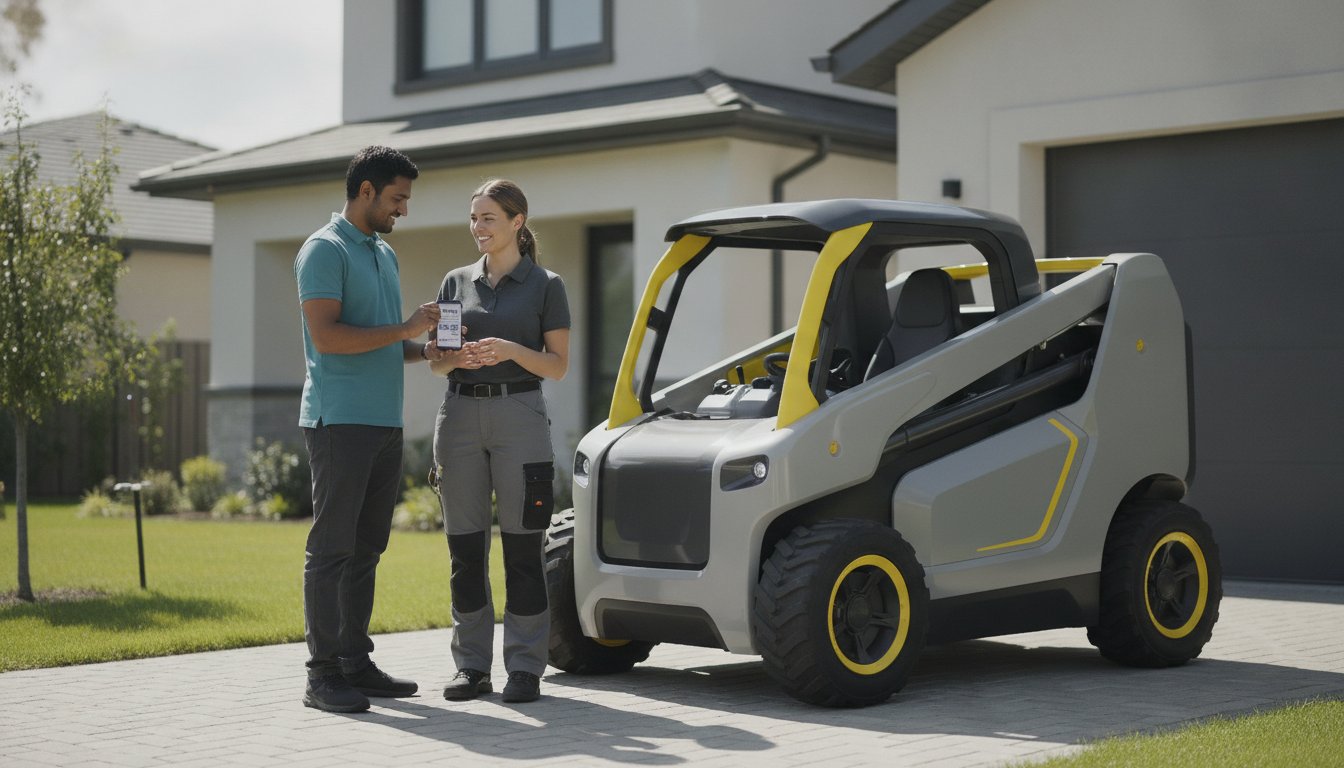
Skid Steer Rental: A Practical Guide to P2P Earthmoving in 2026
August 3, 2026
Published by Life4Rent · Operated by Brohf Software OÜ
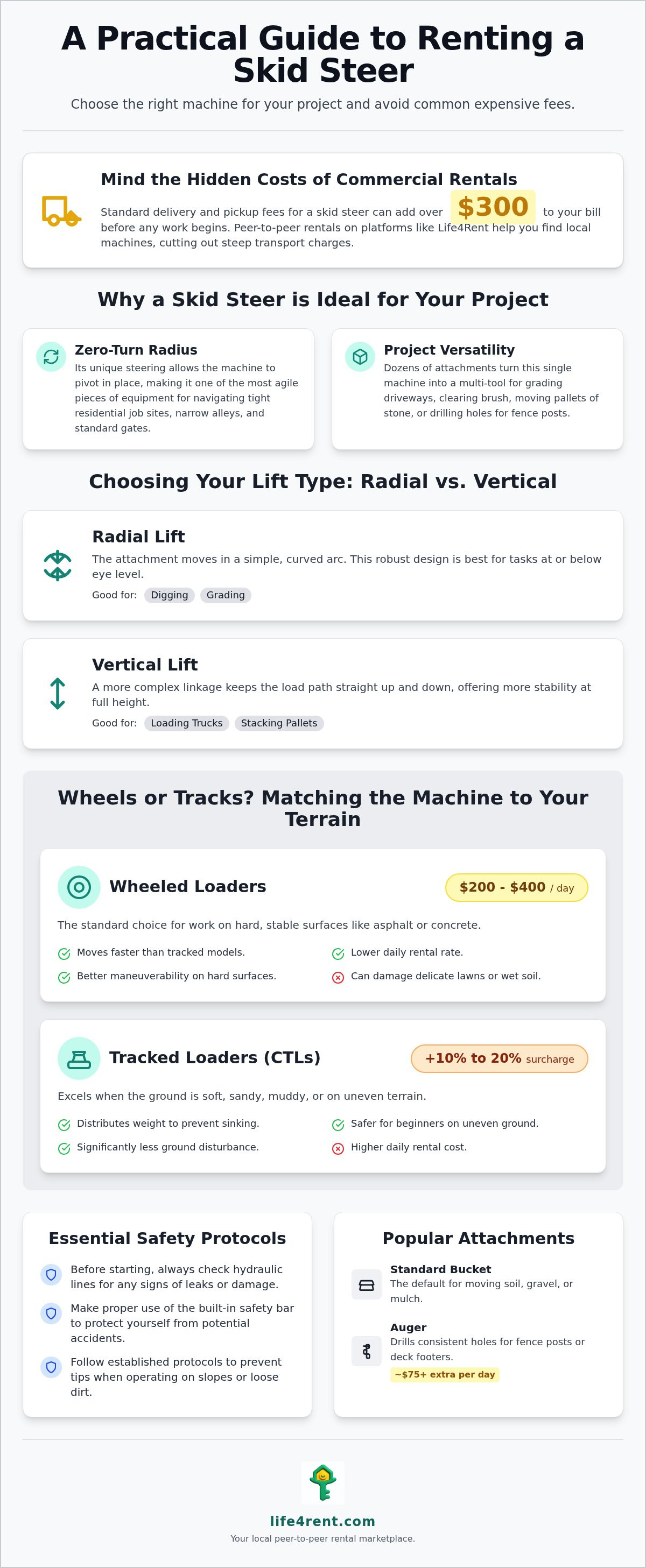
Did you know that delivery and pickup fees for a standard skid steer rental can add $300 to your bill before the bucket even touches the dirt? It's a common headache for anyone trying to fix a driveway or clear a lot. Most people expect to pay for the machine, but they don't always plan for the logistical hurdles of moving several tons of steel across town.
You're likely looking for a way to get the job done without the overhead of a commercial yard. It's possible to find a reliable machine nearby that fits your specific project needs and your budget. This guide shows you how to select the right loader for your terrain and which attachments are worth the extra daily rate.
You will learn how to navigate local peer-to-peer listings on Life4Rent to avoid those steep transport surcharges. We'll also walk through the 2026 safety certifications for electric models and tips for protecting yourself from damage claims. You'll have a clear plan to finish your earthmoving project safely and affordably.
Skid steers offer versatility for residential and small-scale projects
A Skid-steer loader is a compact, engine-powered machine built with rigid lift arms that support dozens of different attachments. It doesn't use a traditional steering rack like a truck. Instead, the wheels or tracks are fixed in a straight line. You turn the machine by making the wheels on one side spin faster than the other, which causes the frame to skid or pivot. This design allows for a zero-turn radius, making it one of the most agile pieces of equipment on a tight job site.
Homeowners and small contractors find these machines indispensable for residential tasks. You can use a skid steer for grading a new driveway, clearing thick brush, or moving heavy pallets of stone. Their small footprint allows them to pass through standard gates and work in narrow alleys where larger equipment can't fit. A local skid steer rental provides the hydraulic power you need to finish a week's worth of manual labor in just a few hours.
To better understand how these machines handle and move, watch this helpful video:
Vertical lift vs. radial lift machines
Radial lift machines move the attachment in a curved arc. This design is robust and works best for tasks that happen at or below eye level, such as digging or grading soil. Vertical lift models use a more complex linkage to keep the load path straight up and down. You should choose a vertical lift if you plan to load debris into a dump truck or stack pallets of bricks. The vertical path keeps the weight centered over the machine, which helps prevent tips when the arms are fully extended.
Why local rentals beat commercial yards
Large commercial yards often prioritize big construction firms and charge high fees for small-scale users. Finding a local skid steer rental through a peer-to-peer platform often provides more flexible pickup and return windows that fit a DIY schedule. You can also talk directly to the person who maintains the machine. They can provide a quick demonstration of the specific controls or give you tips on how the machine handles on certain soil types. Proximity to your project site also means you'll spend less on fuel and transport logistics.
You should choose between wheels and tracks based on terrain
The wrong undercarriage can stall your project or lead to expensive repair bills for a damaged lawn. A wheeled skid steer rental is usually the standard choice for work on hard, stable surfaces. These machines move faster than tracked models and offer better maneuverability when you need to pivot on asphalt or concrete. Tires are also cheaper to maintain, which often results in a lower daily rental rate, typically ranging from $200 to $400 in most regions.
Wheeled loaders for asphalt and concrete
You'll find that wheels are the most efficient option for clearing snow from long driveways or moving heavy materials across a paved construction site. Tires have a lower initial rental cost than tracked machines, making them a budget-friendly choice for simple loading tasks. You can turn quickly on hard surfaces without excessive wear on the machine's components. Since wheels have a smaller contact patch, they provide more "bite" on ice or packed snow. However, tires can damage delicate lawns or wet soil if you aren't careful with your turns, often leaving deep ruts that require extra landscaping work later.
Tracked loaders for landscaping and mud
Compact track loaders (CTLs) excel when the ground is soft, sandy, or muddy. Tracks distribute the weight of the machine over a much larger surface area, providing excellent flotation that prevents the machine from sinking into the earth. You should expect to pay a 10% to 20% surcharge for a tracked model, but the added stability makes them safer for beginners on uneven terrain. You will notice significantly less ground disturbance when working on established lawns compared to wheeled models. Make sure you follow established safety protocols to prevent tips when working on slopes or loose dirt.
Essential attachments for your project
The machine's versatility comes from what you put on the front of it. A standard bucket is the default for moving soil, gravel, or mulch. An auger attachment makes it easy to drill consistent holes for fence posts or deck footers for about $75 to $125 per day, saving you hours of manual digging. If you need to move heavy materials, pallet forks turn your loader into a rough-terrain forklift for $40 to $75 per day. You can find a local skid steer rental with these specific tools by browsing the peer-to-peer listings on Life4Rent to see real photos of the available gear.
Peer-to-peer rentals reduce delivery costs and logistical hurdles
Commercial rental yards often surprise you with delivery and pickup fees that range from $100 to $300. For a single-day skid steer rental, these surcharges can nearly double your daily expense. You'll find that local peer-to-peer options offer a much more sensible alternative for your project budget.
You can find a tool on rent right in your own neighborhood. This proximity eliminates the need for long-distance transport and the corporate red tape associated with large chains. Many owners on Life4Rent are willing to offer their own equipment trailers for a small additional fee, which is often much cheaper than renting a trailer separately.
Direct communication is one of the biggest advantages of the P2P model. You can negotiate delivery times that actually fit your schedule rather than waiting for a four-hour commercial window. This flexibility saves you both time and frustration during a busy project weekend. It also allows you to discuss specific access points at your property so the owner knows exactly where to drop the machine.
Logistical hurdles often include finding a way to get the machine into a narrow driveway or a backyard with limited clearance. Peer-to-peer owners usually know the exact dimensions and quirks of their equipment. They can tell you if their machine will fit through your gate before you spend any money. This level of personal detail is something you rarely get from a corporate desk clerk.
Calculate the total cost of your rental
You must look beyond the daily rate and include fuel, insurance, and transport in your final budget. Peer-to-peer platforms generally have lower overhead costs than national chains, which often translates to better value for the renter. Always check if the owner requires you to return the machine with a full tank of diesel to avoid cleaning or refueling fees. Some owners might include a certain number of engine hours in the daily price, so clarify if there's a surcharge for heavy use.
Transporting a skid steer yourself
You'll need a trailer specifically rated for the weight of the loader if you plan to move it yourself. A standard wheeled skid steer can weigh between 2,000 and 9,000 pounds, so check your vehicle's towing capacity before you hook up. You must secure the machine at four points using Grade 70 chains and binders to keep it from shifting during transport. Ensure your trailer's ramps are in good condition and rated for the machine's weight to prevent accidents during loading. Taking these precautions ensures your skid steer rental arrives at the job site safely and ready to work.
You must follow safety protocols for heavy machinery
Safety isn't just about following rules; it's about protecting yourself and your property. Statistics from 2026 suggest that nearly 20% of skid steer injuries result from operators bypassing the machine's built-in safety features. You'll find that a skid steer rental provides immense power, but it requires your full attention to operate safely.
You must always wear your seatbelt and keep the safety bar lowered before you engage the controls. These two features prevent the machine from moving if you aren't securely in the seat. It's also vital to keep bystanders at least 20 feet away from the machine at all times. A skid steer can pivot suddenly, and the operator often has blind spots that make it hard to see people nearby.
Never exit the cab while the engine is running or while the lift arms are raised. This is a common mistake that leads to pinning accidents. If you need to step out to check your work, lower the attachment to the ground, set the parking brake, and shut off the engine completely.
Pre-operation safety inspection
A quick walkaround before you start your day can save you from a mechanical failure. Check the hydraulic lines for any signs of leaks or fraying. You should also verify that the tires have proper pressure, as uneven inflation can make the machine unstable during heavy lifts.
You should check the engine oil and coolant levels every morning. Test the backup alarm and all work lights to ensure they're functioning correctly. Finally, look for loose bolts or cracks in the attachment mounting plate. A secure connection between the machine and the bucket is essential for safe operation.
Operating on slopes and uneven ground
Slopes require extra caution to avoid a rollover. You must drive straight up and down a hill rather than across it. Keep the heavy end of the machine pointed uphill to maintain a stable center of gravity. For most skid steers, the engine is in the back, so you'll usually drive backward up a steep incline when the bucket is empty.
Avoid sudden turns or stops when you're carrying a full load of soil or gravel. High speeds on uneven ground can cause the machine to bounce, which might lead to a loss of control. If you're ready to start your project safely, you can find a local skid steer rental on the Life4Rent marketplace today.
You can find local skid steers on the Life4Rent marketplace
Life4Rent connects you with people in your community who have heavy machinery sitting idle. This peer to peer equipment rental model is built on local access rather than corporate overhead. You'll often find that renting from a neighbor is more personal and helpful than dealing with a large franchise. Owners usually take pride in their gear and can offer specific advice on how their machine handles on the local terrain.
You can browse listings to see real photos of the actual loader you'll be using on your project. National chains often use stock images, but P2P listings show the current condition of the tires, the cab, and the attachments. The platform manages the rental agreement to protect both the owner and the renter. This structure ensures that expectations are clear regarding insurance, fuel levels, and pickup times.
Direct communication is a core part of the experience. You can ask the owner about the machine's service history or if they have a specific bucket that works well for clay soil. This level of detail helps you avoid the "one size fits all" approach of commercial yards. It's a practical way to get professional-grade results without the typical logistical headaches.
How to book your first rental
You should start by searching for a skid steer rental in your city and filtering the results by the specifications you need. It's important to check the lift capacity and whether the machine is wheeled or tracked. Read reviews from previous renters to ensure the owner is responsive and the equipment is reliable. Once you've found the right match, send a message to the owner to confirm the machine is available for your specific project dates.
List your own skid steer to earn cash
Owners can turn their expensive machinery into a consistent source of passive income. If your loader sits in the shed for weeks at a time, listing it on Life4Rent allows you to recoup some of your investment. You should take high-quality photos and list all available attachments in your description to attract more renters. You maintain full control over your equipment by setting your own daily rates and choosing which rental requests to accept based on your own schedule.
Make sure to mention any specific maintenance you've done recently, such as new hydraulic lines or fresh tires. If you have an electric model, remember to note that operators will need the 2026 specific certification to stay compliant with new regulations. Clear communication in your listing helps build trust and ensures your machine is handled with care by fellow community members.
Ready to start your earthmoving project?
Choosing the right machine doesn't have to be a logistical nightmare. You now know how to distinguish between wheeled and tracked loaders and how to avoid the heavy delivery fees that often come with commercial yards. By using a secure peer-to-peer marketplace, you can find a skid steer rental right in your own neighborhood.
Direct communication with equipment owners ensures you get a machine that's well-maintained and ready for your specific tasks. Life4Rent provides a safe environment where you can browse real photos and negotiate terms that fit your project schedule. It's a practical way to access heavy gear without the corporate overhead or rigid rental windows.
Find an affordable skid steer rental near you and get your landscaping or construction work moving today. You'll save on transport costs and gain a helpful local contact for your future equipment needs.
Frequently Asked Questions
Do I need a special license to operate a skid steer on my own property?
You don't need a specific driver's license or federal permit to operate a skid steer on your own private land. However, you're responsible for any damage to the machine or your property during the rental period. Regulations in 2026 now require a specific certification for anyone operating electric models, so check the machine type before you book. Always contact your local utility company to mark underground lines before you begin any digging.
How much does it usually cost to rent a skid steer for a day in 2026?
Daily rates for a standard wheeled skid steer rental typically range from $200 to $400. You'll find that tracked models often carry a 10% to 20% surcharge due to their higher maintenance costs and specialized tracks. Peer-to-peer listings often provide better value because they skip the corporate overhead and high delivery fees of commercial yards. Weekly rates are generally more economical, falling between $700 and $1,200 for longer projects.
Can I transport a skid steer with a standard pickup truck?
You can only tow a loader if your truck's towing capacity exceeds the combined weight of the machine and the trailer. Most standard models weigh between 2,000 and 9,000 pounds, which often exceeds the limit of a half-ton pickup once you add the weight of a heavy-duty trailer. You'll need Grade 70 chains and a dual-axle trailer to move the equipment safely. Many local owners offer delivery for a small fee, which is often easier than managing the logistics yourself.
What is the difference between a skid steer and an excavator?
A skid steer is designed for pushing, lifting, and grading soil with a front-mounted bucket or specialized attachments. An excavator uses a long boom and a bucket to dig deep trenches while the cab rotates 360 degrees. You'll want a skid steer if you need to level a driveway or move bulk materials like mulch and gravel. Use an excavator if your project involves digging deep foundations or utility lines that require a long reach.
Are attachments like augers or forks included in the rental price?
Attachments are usually priced as add-ons rather than being included in the base daily rate. You should expect to pay between $75 and $125 per day for an auger, while pallet forks typically cost $40 to $75. Some owners might include a standard bucket for free, but specialized tools almost always involve an extra fee. It's best to confirm which attachments are available and their specific costs in the listing before you finalize your booking.
What happens if the machine breaks down during my project?
You should contact the equipment owner immediately through the platform's messaging system if you experience a mechanical failure. Peer-to-peer rentals rely on direct communication to resolve issues quickly and determine if the breakdown was due to normal wear or operator error. The rental agreement outlines the responsibilities of both parties to ensure a fair resolution. It's helpful to take photos of the machine's condition when it arrives to document any pre-existing issues.
Is insurance included when I rent through Life4Rent?
Life4Rent manages the rental agreement to protect both the owner and the renter, but you must ensure you have proper coverage for operating heavy machinery. Some homeowners' policies might cover short-term equipment rentals, but you should verify this with your insurance provider before the project starts. Many operators choose to purchase temporary liability coverage for the duration of the work. The platform provides a secure framework for the transaction, but it doesn't replace the need for personal or project insurance.
How much fuel does a typical skid steer use in a full work day?
A typical diesel-powered machine uses between 2 and 5 gallons of fuel per hour depending on the intensity of the work. You'll likely use 15 to 30 gallons during a full eight-hour shift of heavy grading or lifting. Most owners require you to return the machine with a full tank of diesel to avoid extra refueling fees. It's a good idea to keep a few five-gallon fuel cans on the job site so you don't have to pause your project to visit a gas station.
Life4Rent
Rent it. Earn from it. Own less, access more.
Browse peer-to-peer rentals near you, or list what you own and start earning — all protected by Life4Rent Protect.
About the author
London, United Kingdom
Fred covers rental technology, app features, and platform mechanics for the Life4Rent Renting Academy. With a background in fintech journalism, he specialises in breaking down how digital rental platforms work — from payment protection and identity verification to smart pricing and booking management.