Ski Gear Rental: A Practical Guide to Saving Money on the Slopes in 2026
August 21, 2026
Published by Life4Rent · Operated by Brohf Software OÜ
The most expensive mistake you can make on a winter trip happens before you even touch the snow. Most travelers head straight to the resort shop for their ski gear rental, unaware they're paying a massive premium for equipment that might have seen better days.
High costs and confusing technical jargon often make the preparation feel like a chore rather than the start of a holiday. It's normal to feel uneasy about whether the bindings are safe or if the skis actually suit your skill level.
You'll learn how to source reliable equipment from local owners and independent shops to get better performance for a fraction of the resort price. Knowledge of specific safety checks and maintenance standards helps you avoid common rental traps before you hit the slopes.
Technical differences between various ski types shouldn't be a mystery for the average skier. Peer-to-peer marketplaces like Life4Rent provide a practical way to find quality gear near your home or destination without the usual stress of resort-based shops.
Why ski gear rental is the smartest choice for winter 2026
Equipment purchases seem like a milestone for many skiers, but the reality often falls short of the expectation. Most gear spends fifty weeks a year gathering dust in a garage or basement while losing its value. A ski gear rental offers a way to avoid this depreciation while keeping your storage space clear for things you use daily. It's a practical approach for anyone who wants to enjoy the snow without the burden of heavy investment.
Travel to the mountains is already a logistical challenge without adding two-meter-long bags to the mix. Airlines often charge high fees for sports equipment, and fitting bulky bags into a rental car requires a larger, more expensive vehicle. You'll find that the stress of the airport decreases significantly when you aren't dragging a heavy ski box through the terminal.
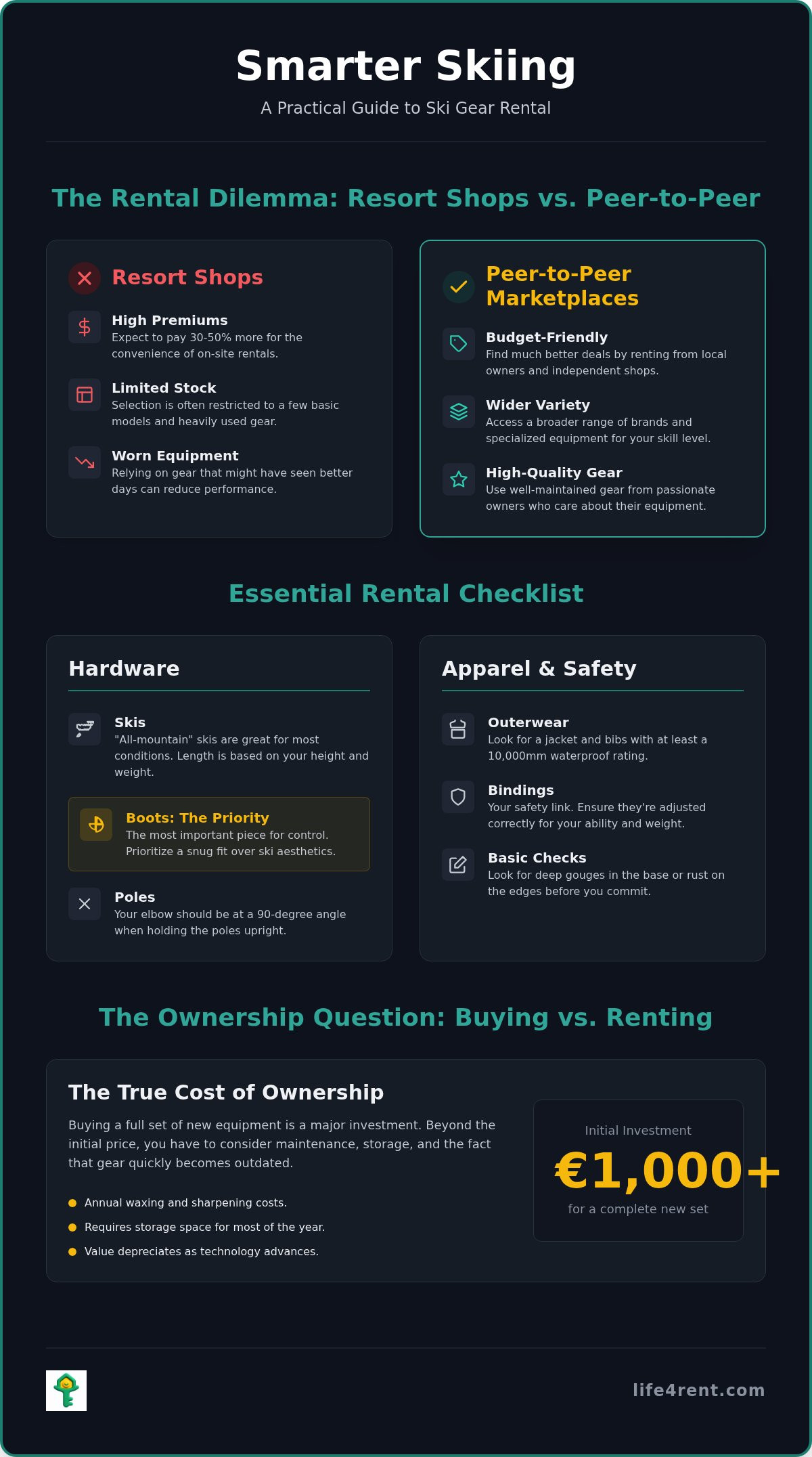
You can skip these headaches by picking up your equipment near your destination. Prices at the base of the mountain are notoriously high because shops know you have few other options once you arrive. You'll often find that rental prices at the resort are 30% to 50% higher than what local owners or independent shops charge just a few kilometers away.
The true cost of ownership versus rental
A complete set of new equipment can easily exceed €1,000 once you account for the skis, boots, and poles. Maintenance costs like annual waxing and edge sharpening add another layer of expense that many owners forget to calculate. Rentals allow you to use high-quality gear for a fraction of that price, and you won't have to worry about the hardware becoming obsolete.
Technology in the industry moves fast, and what was top-tier two years ago might feel sluggish today. Knowledge about different types of skis helps you choose the right pair for the current snow conditions rather than being stuck with one set for every trip. Marketplace platforms like Life4Rent help you find these local ski gear rental deals before you even leave home.
Environmental benefits of the sharing economy
The manufacture of a single pair of skis involves a complex process with a notable carbon footprint. This sharing economy reduces the need for constant new production by keeping existing equipment in active use for longer periods. It's a more sustainable way to enjoy the mountains without contributing to the waste of discarded, outdated hardware.
Peer-to-peer marketplaces mean you're supporting a system that values the longevity of products over mass consumption. You're giving high-quality tools a second life while enjoying the freedom of the slopes. It's a simple way to reduce your impact while accessing the best equipment available.
The complete checklist of equipment you will need to rent
Preparation for a mountain trip involves more than just booking a cabin. You'll need a solid understanding of what hardware and clothing will keep you safe and comfortable on the slopes. A comprehensive ski gear rental plan should cover everything from the tips of your skis to the top of your helmet.
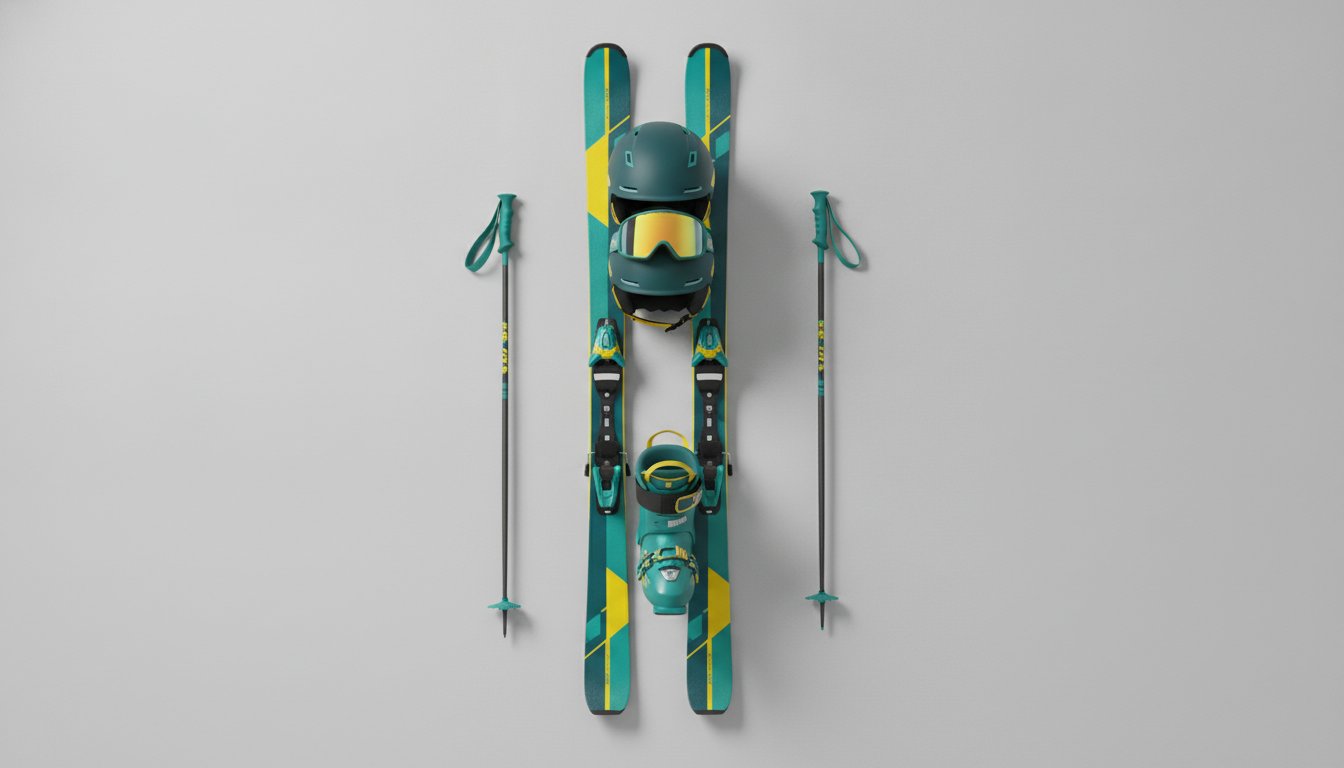
Skis and poles form the core of your setup. Beginners usually benefit from "all-mountain" skis because they're wider and more forgiving on uneven terrain. Your height and weight dictate the length you'll need, so don't guess these numbers when you're talking to a shop or an owner.
Hardware: Skis, boots, and bindings
Boots are often the most overlooked part of the kit. They must fit snugly to provide control, but they shouldn't cut off your circulation or cause pain. Try them on with the specific socks you plan to wear to ensure the fit is accurate. Your foot shouldn't slide around inside the boot, as this leads to blisters and poor response when you try to turn.
Poles should reach your elbow when the tip is on the ground. This length allows for proper balance and rhythm during turns. Bindings are the safety link between you and the ski, requiring precise adjustment based on your ability level to ensure they release correctly during a fall. Local owners on life4rent.com often provide better advice for your ski gear rental compared to resort-based outlets.
Apparel: Staying warm and dry
Technical clothing is just as important as the hardware. You should look for jackets and bibs with a waterproof rating of at least 10,000mm. This level of protection keeps moisture out while allowing sweat to escape during physical exertion. High-quality materials prevent you from getting soaked during a heavy snowfall or if you take a tumble in deep powder.
Breathability is the other half of the equation. Look for gear that lets heat escape so you don't get chilled by damp base layers. Three layers usually work better than one heavy coat: a base layer to wick moisture, a mid-layer for warmth, and an outer shell to block wind. This system allows you to adjust your temperature as the mountain weather changes throughout the day.
Helmets are now a standard part of any checklist. Official expert safety tips emphasize that head protection is vital for preventing serious injury on the mountain. Goggles protect your eyes from UV glare and stinging wind, ensuring your visibility stays clear in flat light or heavy snowfall.
Peer-to-peer marketplaces versus traditional rental shops
Traditional shops at mountain resorts often struggle with supply during the busiest weeks of the season. You might arrive at a shop on a Saturday morning only to find that the boots in your size are all gone or the skis left in stock aren't right for your skill level. Peer-to-peer platforms like Life4Rent change this dynamic by opening up a much larger inventory of brands and styles for your ski gear rental.
Individual owners often have equipment that is newer or better maintained than the high-volume fleet of a resort shop. Many travelers find that a local ski gear rental is the smartest choice for winter because it bypasses the long queues at the base of the mountain. Direct communication with the owner lets you ask about the item history, such as when it was last waxed or if the edges were tuned.
Flexibility and convenience
Traditional shops usually operate on strict 9-to-5 schedules, which can be difficult if you arrive late at night or want to start your day before the lifts open. P2P rentals allow for much more flexible pickup and drop-off times that you can coordinate directly with the owner. This arrangement often means you can have your gear ready in your car the night before you head to the slopes.
Owners who list their equipment are usually enthusiasts who know the local area well. They can often provide tips on which runs are currently in good condition or which slopes best suit the specific gear you're renting. You'll also have a better chance of finding specialized equipment, like powder-specific skis or high-end touring boots, that standard rental shops simply don't carry in their basic inventory.
Cost comparisons and value
Prices on peer-to-peer marketplaces are typically set by the owners themselves, which keeps the market competitive and transparent. You don't have to deal with the hidden fees or mandatory insurance upsells that are common in resort-based businesses. It's often possible to find a high-quality peer to peer equipment rental kit for less than the daily cost of just boots at a major resort.
Owners who monetize their unused gear tend to take great care of their property because they use it themselves. This means you're likely to get equipment that hasn't been through the "rental ringer" of hundreds of different users in a single season. The value comes not just from the lower price, but from the higher quality and reliability of the hardware you receive.
Expert tips to ensure your rental gear is safe and functional
Safety on the mountain starts long before you reach the chairlift. A thorough inspection of your ski gear rental ensures that the equipment performs exactly as expected when conditions get tough. You don't need to be a technician to spot the most common red flags.
Start by flipping the skis over to check the bases. Small scratches are normal, but deep gouges that reveal the wood or metal core are serious problems. These core shots allow moisture to rot the ski from the inside and can lead to sudden failure while you're moving at speed.
Metal edges should be smooth to the touch rather than jagged or heavily rusted. A well-maintained edge is what allows you to carve on icy patches instead of sliding uncontrollably. Check the boot buckles by snapping them shut several times. Every buckle needs to lock into place with a distinct click and stay secure under tension.
If you're renting a helmet, look closely for hairline cracks or indentations in the outer shell. These signs suggest the helmet has already absorbed a hard impact and may no longer provide the protection you need. It's always better to ask for a replacement if you have any doubts about the integrity of the shell.
Understanding DIN settings and safety
Mechanical bindings are designed to release your boot during a fall to prevent bone fractures. The DIN setting is the numerical value that determines how much force is required for that release. You'll need to provide your exact weight, height, and age to ensure the setting is correct for your physical profile.
Be honest about your skiing ability when discussing these settings with an owner or shop technician. If you claim to be an advanced skier but actually ski at an intermediate level, the bindings might stay locked during a slow-speed tumble. You should never attempt to adjust these settings yourself with a screwdriver. Professionals use calibrated tools and charts to ensure the release mechanism functions within safe parameters.
Testing the fit before you leave
Boots often feel comfortable in a warm shop but become painful after an hour on the snow. You should always wear your actual ski socks during the fitting process to get an accurate sense of the volume inside the boot. Stand up and flex your knees forward into the shins of the boots to check for pressure points.
Your toes should pull back slightly from the front of the boot when you lean forward, and your heel should remain firmly planted on the footbed. Helmet and goggle compatibility is another practical detail that affects your comfort. Put on the helmet and then slide your goggles into place to check for a tight fit against your face.
A large gap between the helmet and goggles will let in cold wind and snow, which can lead to a very uncomfortable day on the slopes. If you want to find equipment from enthusiasts who take pride in their kit, check out the ski gear rental options on Life4Rent for your next trip.
Get started with ski gear rental on Life4Rent
Life4Rent provides a straightforward way to find a ski gear rental in your own neighborhood or near your mountain destination. You can browse through various listings from local owners who often have better equipment than the standard resort stock. This peer-to-peer approach allows you to access high-end brands without the high costs associated with traditional retail stores or mountain-side shops.
Local owners usually have a personal connection to their gear and can offer specific advice on how it performs in different conditions. The platform includes 17 specific rental categories, so you can find everything from technical hardware to winter apparel in one place. It's a practical solution for families or groups who need multiple sets of equipment without the logistical nightmare of transport.
How to find the right listing
Use the search filters on the platform to narrow down results by boot size, ski length, and specific location. You should read reviews from previous renters to verify that the owner is reliable and that the gear matches the description. These honest accounts provide a clear picture of what to expect during the exchange.
Look at the photos in the listing carefully to check for the current condition of the gear before you commit to a request. High-quality listings often feature multiple angles of the ski bases and edges. If a listing lacks detail, don't hesitate to ask the owner for more information or additional pictures before you book.
The rental process step-by-step
Send a request to the owner with your preferred dates to start the process. The platform handles the communication and the rental agreement for you to keep the transaction organized and transparent. This direct link to the owner makes it easy to coordinate a pickup time that fits your travel schedule.
Arrange a meeting to pick up the gear and do a quick safety inspection together. You should check the bindings and boot fit as discussed in previous sections to ensure everything is ready for the snow. Once your trip is over, return the equipment in the same condition as you received it to maintain your own positive rating on the platform.
Owners who list their gear can turn their unused equipment into a source of extra cash when they aren't skiing. It's a smart way to offset the costs of your own season passes or travel expenses. If you find this model useful for your winter sports, you may also want to check out our guide on tool on rent for your other DIY needs.
Prepare for your next mountain trip with confidence
Preparation for your winter trip doesn't have to include the high overhead of resort shops. You've seen how a local ski gear rental provides a better balance of price and quality while helping you avoid the logistical mess of traveling with bulky bags. Knowledge of basic safety checks like DIN settings and base inspections ensures you stay safe on the mountain.
Direct peer-to-peer pricing removes the hidden fees often found in traditional rental businesses. You can access a global community of owners and renters across 17 different rental categories to find the exact equipment you need. This sharing economy model keeps high-quality gear in use and supports a more sustainable way to enjoy the outdoors.
Browse ski gear for rent on Life4Rent to find reliable equipment for your next adventure. Owners can also list their own equipment to recover some of their seasonal costs when they aren't using it. It's a practical way to manage your gear and meet other enthusiasts in the skiing community.
Frequently Asked Questions
Is it cheaper to rent ski gear at the resort or in the city?
It's almost always cheaper to rent in the city or a local town near your home. Resort shops pay high rent for their mountain-side locations and pass those costs to you in the form of higher daily rates. You can often save between 30% and 50% by choosing a ski gear rental from a local owner or a shop away from the base area. This also saves you time once you arrive at the mountain.
Can I rent just the ski boots if I already own skis?
You can definitely rent just the boots if you already have your own skis. Most owners on peer-to-peer platforms and traditional shops offer individual items to help you complete your kit. It's important to bring your skis with you during pickup so the owner or a technician can adjust the bindings to your specific boot sole length. Safety depends on this precise mechanical match between the boot and the ski.
What happens if I damage the rental ski gear on the slopes?
You should check the specific terms of your rental agreement before you head to the slopes. Most peer-to-peer platforms have clear policies regarding normal wear and tear versus significant damage. Minor scratches on the base are usually expected, but deep gouges or broken edges might require a repair fee. Communication with the owner immediately after the incident is the best way to resolve these issues fairly. It helps to take photos before you start.
How do I know what size ski boots I need to rent?
Ski boots use the Mondopoint system, which is simply the length of your foot in centimeters. You can measure your foot by standing on a piece of paper and marking the heel and the longest toe. Don't assume your regular shoe size translates perfectly to a boot. A proper ski gear rental requires a snug fit where your toes just touch the front when you're standing straight but pull back when you flex forward.
Are helmets usually included in a ski gear rental package?
Helmets aren't always part of a standard package, so you'll need to check the listing details carefully. Many owners include them as an optional add-on for a small fee or as part of a complete safety set. Since head protection is vital for safety, it's better to secure one early rather than hoping the resort shop has your size left in stock. Always inspect the shell for cracks or signs of previous hard impacts.
Can I rent ski clothing like jackets and pants on Life4Rent?
You can find technical apparel like jackets, bibs, and pants across the 17 categories available on the platform. Many owners list their high-quality waterproof gear when they aren't using it themselves. This is a practical way to access breathable, 10,000mm rated clothing without the high cost of buying a new outfit every few seasons. It also helps you try different styles or brands before you decide to make a permanent purchase.
Is it safe to rent skis from an individual instead of a shop?
It's safe if you follow the inspection steps mentioned earlier in this guide. Individual owners who use their own gear often maintain it better than high-volume rental shops. You should always verify the DIN settings and check the edges and base yourself during the hand-over. Reviews from previous renters on the marketplace provide extra confidence in the reliability of the owner and their equipment. Direct communication allows you to ask about the maintenance history.
How far in advance should I book my ski gear rental for a holiday?
You should aim to book your equipment at least two to four weeks before a major holiday like Christmas or school mid-term breaks. Demand for quality gear peaks during these times, and the best-maintained items from local owners tend to go first. Early bookings give you more time to coordinate pickup details and ensure you don't end up with mismatched or poorly fitting equipment. It's a simple way to reduce stress before your trip starts.
Related guides on Life4Rent
Ready to rent instead of buy? See all sports equipment available to rent on Life4Rent →
Life4Rent
Rent it. Earn from it. Own less, access more.
Browse peer-to-peer rentals near you, or list what you own and start earning — all protected by Life4Rent Protect.
About the author
Amsterdam, Netherlands
Joshua writes about the financial side of renting and earning on Life4Rent. His guides focus on helping people understand the real cost of ownership, calculate rental income potential, and make smarter decisions about buying versus renting. He previously wrote on household economics and personal budgeting for a pan-European finance publication.