Rock Climbing Gear Rental: A Practical Guide for 2026
June 16, 2026
Published by Life4Rent · Operated by Brohf Software OÜ
Why spend a fortune on a full rack of equipment when you only get to the crag a few times a year? Entry costs are steep. A rock climbing gear rental through a peer-to-peer platform offers a practical way to access technical equipment without the commitment of ownership. It's an honest solution for travelers who want freedom without the burden of lugging heavy ropes across Europe.
Most climbers worry about the history of used equipment, and that's a valid concern. Safety is the priority. You'll learn how to navigate these safety worries by looking for specific 2026 UIAA certifications on Life4Rent listings. This guide explains how to find reliable gear while avoiding the high costs of items you only use twice a year.
Why rock climbing gear rental is a smart choice in 2026
A full set of hardware for a single trip feels like a poor use of money for most people. Prices for technical equipment have risen steadily, making a complete setup a major financial hurdle. A rock climbing gear rental allows you to bypass these initial costs while still using reliable tools. It's a sensible approach for anyone who wants to try the sport without clearing out their savings account.
Climbers often find that a comprehensive guide to climbing equipment reveals just how many different pieces are required for a safe day out. This guide shows that from carabiners and quickdraws to specialized cams, the list grows quickly. Peer-to-peer platforms like Life4Rent connect you with local climbers who already own this equipment. It's especially useful in remote areas where a traditional brick-and-mortar shop isn't available.
To see why quality and source matter when choosing your equipment, watch this perspective on budget gear:
The cost of entry for new climbers
A basic kit usually includes shoes, a harness, and a helmet. New equipment can easily cost several hundred euros, which is a lot for a hobby you might only do once a month. Soft goods like slings and ropes also have a shelf life regardless of how often you use them.
A rock climbing gear rental ensures you aren't stuck with expired gear that sat in a closet for three years. It's a more sustainable way to climb because it maximizes the use of existing resources.
Access to specialized equipment
Bulky items present a different kind of problem for urban dwellers. Large items like crash pads or 70-meter ropes are a logistical headache to store in a small apartment. These items are also difficult to transport, especially if you're flying to a climbing destination. Bouldering pads are notorious for being oversized and expensive to check as luggage.
The ability to test different brands before you buy is another major advantage. Most climbers have a preference for certain shoe shapes or harness padding styles. This approach allows you to spend a full day in the gear to see if it actually works for your body type. You don't want to find out a pair of shoes is painful halfway up a multi-pitch route.
Traditional shops often focus on their own inventory or guided courses. This can limit your options if you're an independent climber looking for a specific rope length or a particular brand of cam. Peer-to-peer options fill this gap by offering a wider variety of personal gear that's actually being used in the field.
Specific goals like ice climbing or big walling require niche tools that most people don't need every day. Local owners found through a rental platform often provide more than just the hardware. You'll likely get useful local advice about the crag that a generic shop clerk wouldn't know. This personal connection makes the experience safer and more efficient for everyone involved.
Essential climbing equipment to look for in rental listings
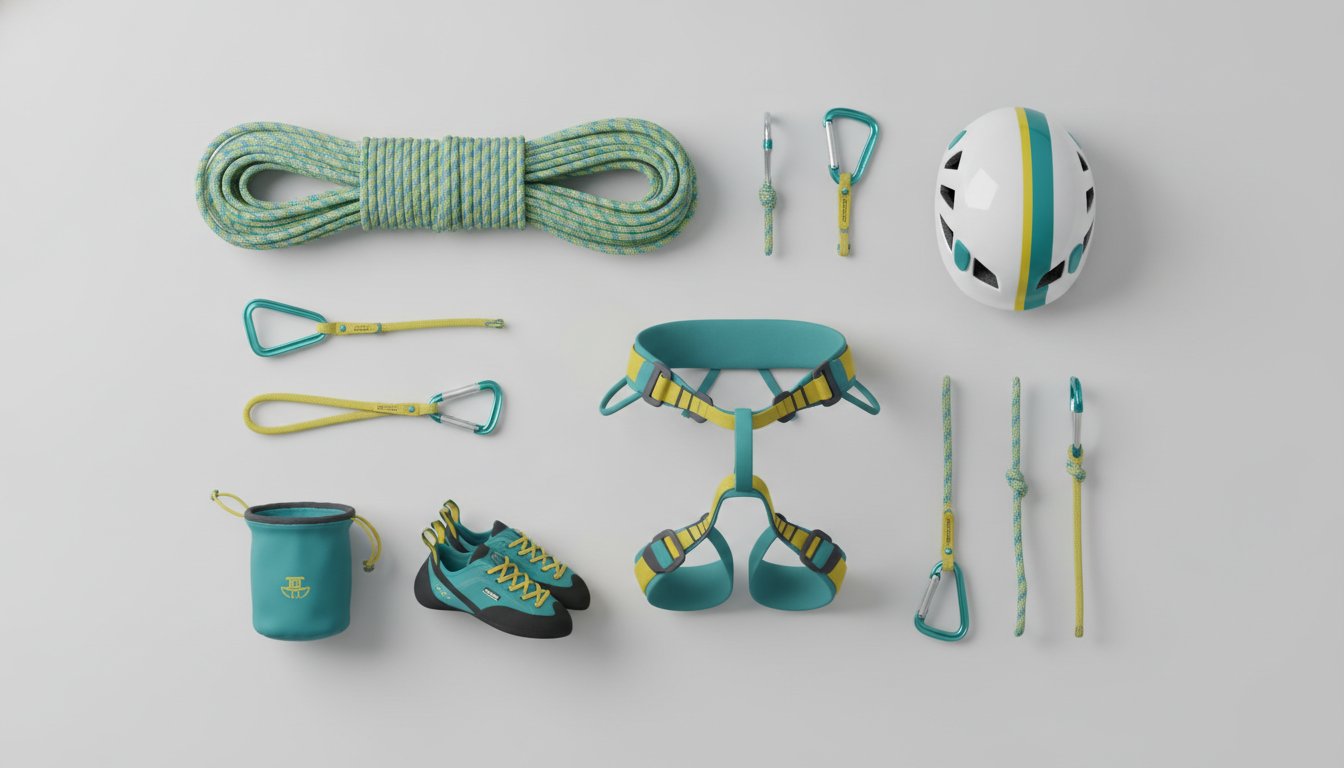
Not all equipment is equal when you browse a rock climbing gear rental. You should prioritize items that impact your comfort and basic safety first. Most climbers start with a personal kit, which usually includes shoes, a climbing harness, and a helmet. These items are the most frequently listed on peer-to-peer platforms because they're easy to transport and inspect.
Personal gear: Shoes, harnesses, and helmets
Shoes are the most personal piece of gear. You don't need aggressive, downturned shoes if you're just starting out or climbing vertical granite. Look for a neutral or moderate shoe that fits your foot shape. If you're unsure about a specific model, you can check if local owners have various sizes available on Life4Rent.
Your climbing harness needs to be more than just functional; it must be comfortable for long belay sessions. Look for models with adjustable leg loops, especially if you're climbing in a region where weather changes quickly and you might need extra layers. Helmets are non-negotiable for outdoor crags to protect against rockfall. Check for any visible cracks in the foam or shells. The adjustment dial and chin strap should work without sticking or slipping.
Technical hardware: Belay devices and carabiners
Technical hardware forms the backbone of your safety system. Ropes and quickdraws are essential for sport climbing, but they require a closer look. You should verify that the equipment meets current UIAA safety standards before you head to the crag. For example, the UIAA 110 standard for static ropes was updated in 2026 to address stricter mass testing and strength requirements. For belaying, assisted braking devices like the Petzl Grigri are common choices because they provide an extra layer of security during a fall.
Carabiners must be locking models for any critical connection point, such as your belay loop or the anchor. Screw-gates or twist-locks are the industry standard. Quickdraws are necessary for lead climbing, but always inspect the "rope-side" carabiner for sharp grooves or burrs. These can damage a rope quickly, so it's better to ask the owner for high-resolution photos of the metal surfaces before you commit to the rental.
Ropes are often the heaviest part of a kit. A 70-meter rope is the standard for most modern sport routes, but you should confirm the length with the owner. Look for ropes that appear clean and don't have soft spots or "core shots." It's helpful to know if the rope has been used in a gym or exclusively outdoors, as gym use often leads to more frequent, short falls. By checking these details, you can ensure your rock climbing gear rental is both safe and functional for your next trip.
Safety checks for rented climbing equipment
When you handle used life-safety equipment, safety is the most important factor. You should never feel awkward about asking an owner for a detailed history of the items. A reliable owner will know the retirement date and how many times the gear has been used. Most soft goods like ropes and harnesses should be retired every 5 to 10 years, even if they haven't seen much action. This is because nylon and polyester degrade over time due to UV exposure and environmental factors.
A thorough visual inspection can catch roughly 90% of potential issues with both textile and metal components. You don't need a laboratory to spot a compromised piece of hardware. It's about being observant and knowing what to look for before you head to the crag. If you're arranging a rock climbing gear rental through a peer-to-peer platform, perform these checks during the hand-off. It's much better to find a flaw in the parking lot than when you're thirty meters off the deck.
Most reputable manufacturers adhere to UIAA safety standards to ensure their equipment can handle the forces of a fall. You can look for the UIAA label on the equipment itself to verify it meets these international requirements. If the label is worn off or missing, it's usually a sign that the gear is too old for safe use. The ongoing 2026 revision of the UIAA 105 Harness standard specifically addresses equipment intended for rental use, which adds another layer of security for users.
Inspection of soft goods
Ropes and slings require a tactile check as much as a visual one. You should run your hands along the entire length of a rope to feel for "flat spots" or core shots, where the internal structure might be damaged. The sheath should be tight and free of excessive fuzziness. Check the harness webbing for any signs of fraying, discoloration, or chemical burns from storage near car batteries or cleaning supplies. Look closely at the stitching on belay loops and tie-in points; any loose threads are a signal to reject the item. A stiff rope often indicates it's been exposed to high heat or salt water, which compromises flexibility.
Inspection of hard goods
Metal components need a different approach. You should check carabiner gates to ensure they snap shut and lock completely without sticking. If a gate is sluggish, it might just need cleaning, but it's safer to avoid it for critical connections. Inspect the metal surface of belay devices for deep grooves caused by rope friction. Significant wear can create sharp edges that might damage your rope over time. Finally, verify there are no hairline cracks in any metal load-bearing components. These are often hard to see, so look closely at high-stress areas like the spine of a carabiner or the friction plates of a Grigri. This careful review of your rock climbing gear rental ensures that your focus remains on the climb, not your equipment.
Comparing peer-to-peer vs. traditional rental shops
Traditional rental shops usually have a fixed inventory of well-worn equipment and high daily rates that reflect their retail overhead. While they provide professional maintenance, these high costs mean you'll pay more for every day you're at the crag. A rock climbing gear rental through a marketplace like Life4Rent connects you directly with local climbers who maintain their own gear. This often leads to a more diverse selection of equipment that's better suited for the specific rock types found in the local area.
Daily rates on peer-to-peer platforms are often significantly lower than commercial outfitters, providing a clear financial benefit for casual climbers. Research indicates that traditional daily rentals for items like technical shoes ($10), helmets ($10), or crash pads ($30) can add up to a substantial amount for a weekend trip. In contrast, peer-to-peer listings often bundle equipment or offer lower rates because owners don't have the same business expenses. Owners are also usually more flexible with pickup and drop-off times, which is helpful if your trip runs late or you're arriving after shop hours.
Local listings make finding a tool on rent in small climbing towns easier than searching for a dedicated outdoor store. These smaller communities might not support a full retail shop, but they're full of active climbers with spare ropes and pads. This accessibility makes it easier to plan last-minute trips without worrying about equipment availability or high commercial fees. You'll often find that renting locally saves you the hassle of transporting bulky items across long distances.
The community advantage
Lenders often share valuable tips about the best local routes or current weather conditions that you won't find in a standard guidebook. A rock climbing gear rental from a neiybor builds trust within the local climbing scene and fosters a sense of mutual support. It's an honest way to access the sport while helping a fellow climber offset the cost of their own equipment. These personal interactions often lead to better advice on which routes are currently "in season" or which approaches are overgrown.
Peer-to-peer equipment rental supports a circular economy that reduces waste by making better use of existing resources. Instead of buying new items that sit in a closet most of the year, you're participating in a system that values access over ownership. This approach minimizes the environmental footprint of the sport by reducing the demand for newly manufactured plastics and metals. You can browse local listings to rent climbing gear for your next weekend adventure today and experience the benefits of a community-driven marketplace.
How to start your climb with Life4Rent
Life4Rent functions as a practical marketplace where you can find technical equipment for your next trip. The platform organizes items into 17 categories, making it easy to locate specific outdoor gear. You'll find that a rock climbing gear rental is often the most efficient way to get high-quality items without the burden of long-term storage or high purchase costs.
Communication with the equipment owner is a fundamental part of the process. You can use the internal messaging system to verify technical details before you finalize a booking. It's helpful to ask about specific requirements, such as the diameter of a rope or the last time a harness was inspected. These conversations ensure that the gear matches your skill level and the specific demands of your chosen route.
Finding the right listing
You should filter your search results by location to find gear that's already near your destination. This approach saves you from carrying a heavy bouldering pad or a full climbing rack on a train or plane. You'll often find listings right at the base of major climbing areas, which simplifies the logistics of your trip significantly.
Descriptions deserve your full attention during the search process. You should look for mentions of the gear's age and how often it's been used. If the listing doesn't specify when a rope was purchased, don't hesitate to ask the owner directly. You can also inquire if shoes run small or if a specific belay device is compatible with thinner ropes. This level of detail helps prevent surprises when you meet the owner for the hand-off.
Monetizing your own gear
You can also use the platform to earn extra cash by listing your own unused equipment. Most climbers have gear that sits in a closet for months between trips. You can turn those items into a source of income that helps fund your next adventure. It's a simple way to participate in the local climbing community while keeping your gear in active use.
Honesty is the most important part of creating a listing. You must provide high-quality photos that show the current condition of the equipment, including any cosmetic wear. Be clear about the manufacture date and the history of the gear to ensure the safety of other climbers. You can consult the peer to peer equipment rental guide to understand how to price your items fairly and competitively.
The platform allows you to keep 100% of every booking, as the commission fee is only 10%. This transparency makes it easier to calculate your potential earnings. Whether you're looking for a rock climbing gear rental or listing your own rack, the process is designed to be straightforward and helpful. It's a sensible way to climb more while spending less.
Prepare for your next vertical adventure
A rock climbing gear rental is a smart way to manage your budget and storage space in 2026. You've seen how easy it is to verify safety standards and connect with local owners who know the crags best. This approach keeps your gear fresh and your travel light, whether you're heading to a local bouldering spot or a distant mountain range. You don't have to worry about transporting heavy ropes or bulky pads on public transport anymore.
Life4Rent provides a secure P2P marketplace with 17 diverse rental categories to help you find exactly what you need. You can support community-driven sustainability while accessing high-quality equipment for your next trip. Owners often share their personal insights about the best local routes, which adds real value to your experience. Browse local rock climbing gear listings on Life4Rent to see what's available in your area today.
The climbing community relies on shared knowledge and reliable tools. You'll find that renting from a neighbor often leads to better advice and more successful days on the rock. It's a practical choice that makes the outdoors more accessible for everyone. Your next great climb is just a few clicks away.
Frequently Asked Questions
Is it legal to rent out my own rock climbing gear?
Yes, it's generally legal to rent out your personal equipment, but you should check your local liability laws first. Platforms like Life4Rent provide a structured way to list your items and manage payments. You remain responsible for ensuring the gear is in safe, working condition before every hand-off. It's a good idea to keep a detailed log of the gear's history and any impacts it has sustained.
How do I know if a rented climbing rope is still safe to use?
You should perform a tactile inspection by running your hands along the entire length of the rope. Feel for flat spots or mushy sections where the internal core might be damaged. You also need to check the manufacture date on the end-cap or internal label. Ropes must be retired after 10 years of age regardless of how clean they look.
What happens if I damage the rented gear during a climb?
You'll typically be responsible for the replacement cost of the equipment as outlined in the rental agreement. Most peer-to-peer platforms require you to report any damage immediately for safety reasons. In 2026, some platforms provide specific protection plans for owners, but you should always verify the coverage details before you start your climb.
Can I rent climbing shoes for a single day?
Yes, most individual owners allow you to book a rock climbing gear rental for a single day. This is a practical way to test a specific brand or size before you commit to a purchase. You just need to coordinate the pickup and drop-off times with the owner through the platform's messaging system to ensure it fits your schedule.
Do I need to bring my own chalk bag when renting gear?
You should check the specific listing, as many owners include a chalk bag as a courtesy. If it isn't mentioned in the description, bringing your own is often a more hygienic choice. You can always send a quick message to the owner to confirm what's included in the rental package before you meet up.
What is the average cost of renting a full climbing kit for a weekend?
Costs vary depending on your location and the specific items included in the kit. A full setup usually includes shoes, a harness, and a helmet, and sometimes a rope or crash pad. You'll often find that peer-to-peer listings offer better value than commercial shops, as individual owners are more likely to bundle items for a single price.
Are there weight limits for rented climbing harnesses?
Yes, every harness has a specific waist and leg loop range defined by the manufacturer. You should ask the owner for the size chart or specific measurements to ensure a safe and comfortable fit. While safety standards like UIAA 105 ensure the gear is strong enough, the harness won't function correctly if it's too large or too small for your body.
How do I verify the age of a rented climbing helmet?
You can find the manufacture date on a sticker or a stamp inside the helmet shell. This usually shows the month and year of production. Helmets must be retired 10 years after this date or immediately after any significant impact. If the internal label is missing or unreadable, it's safer to choose a different listing.
Life4Rent
Rent it. Earn from it. Own less, access more.
Browse peer-to-peer rentals near you, or list what you own and start earning — all protected by Life4Rent Protect.
About the author
Dublin, Ireland
Michael covers consumer rights, rental law, and EU platform regulation for the Life4Rent Renting Academy. He has reported on digital market policy and renter protections across Europe, and brings a clear, practical perspective to topics like deposit disputes, insurance, and the legal rights of renters and owners.