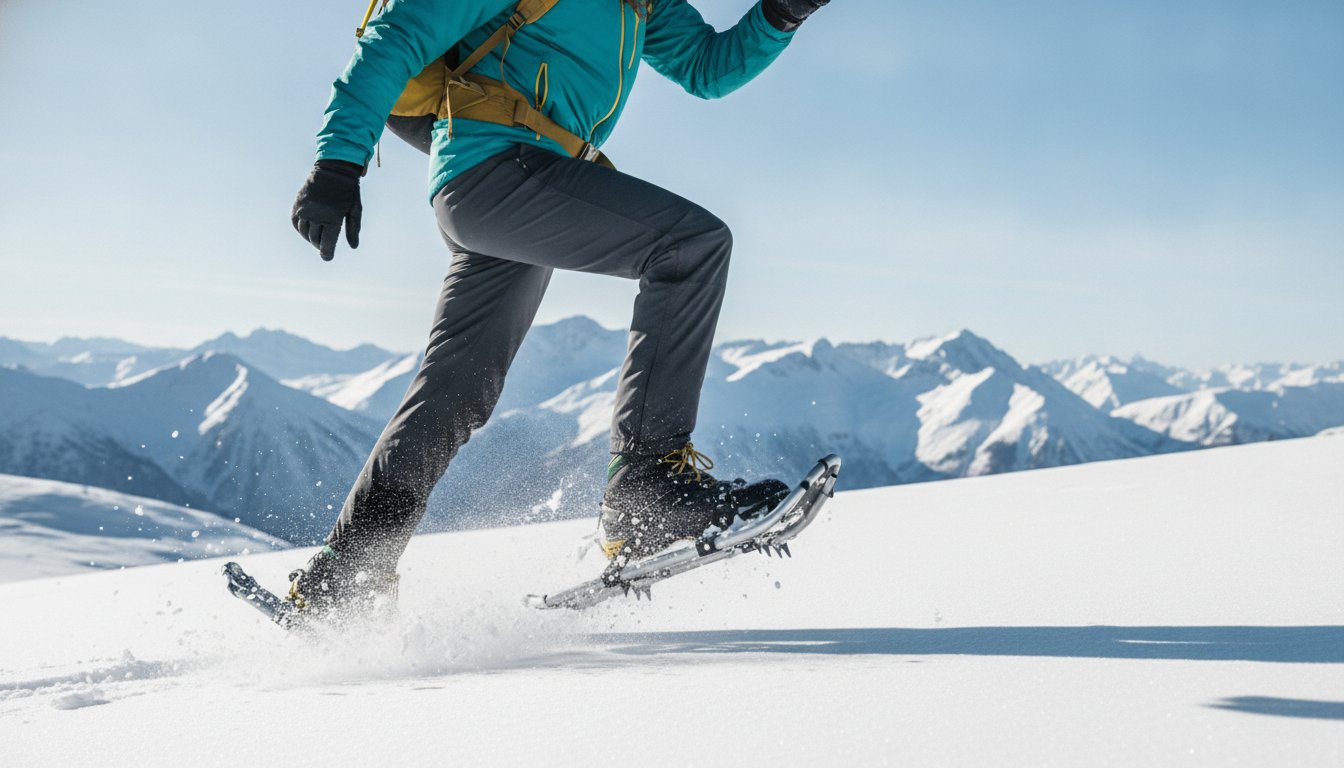
Rent Snowshoes for Winter Hiking: A Practical Guide for 2026
June 17, 2026
Published by Life4Rent · Operated by Brohf Software OÜ
Why would you pay hundreds of dollars for equipment that spends eleven months of the year gathering dust in a cramped closet? It's a common frustration for hikers who want to explore the winter landscape without the heavy financial commitment of buying new gear. You can easily rent snowshoes for winter hiking from your local community to save money and keep your home clutter-free.
Participation in snowshoeing grew by 5.7% last season as more people looked for accessible ways to reach the backcountry. You likely agree that high retail prices and bulky frames make owning seasonal equipment feel like a burden rather than a benefit. This guide provides a clear path to finding the right gear for your weight and terrain without the long-term storage headache.
We'll cover the technical basics of frame sizing, binding types, and how to use rental marketplaces to find reliable equipment in your neighborhood. You'll also learn what to look for during a gear inspection to ensure your next trail outing is both safe and comfortable. By the end, you'll know exactly how to access the best tools for the snow while keeping your living space open and your budget intact.
Why it makes sense to rent snowshoes for winter hiking
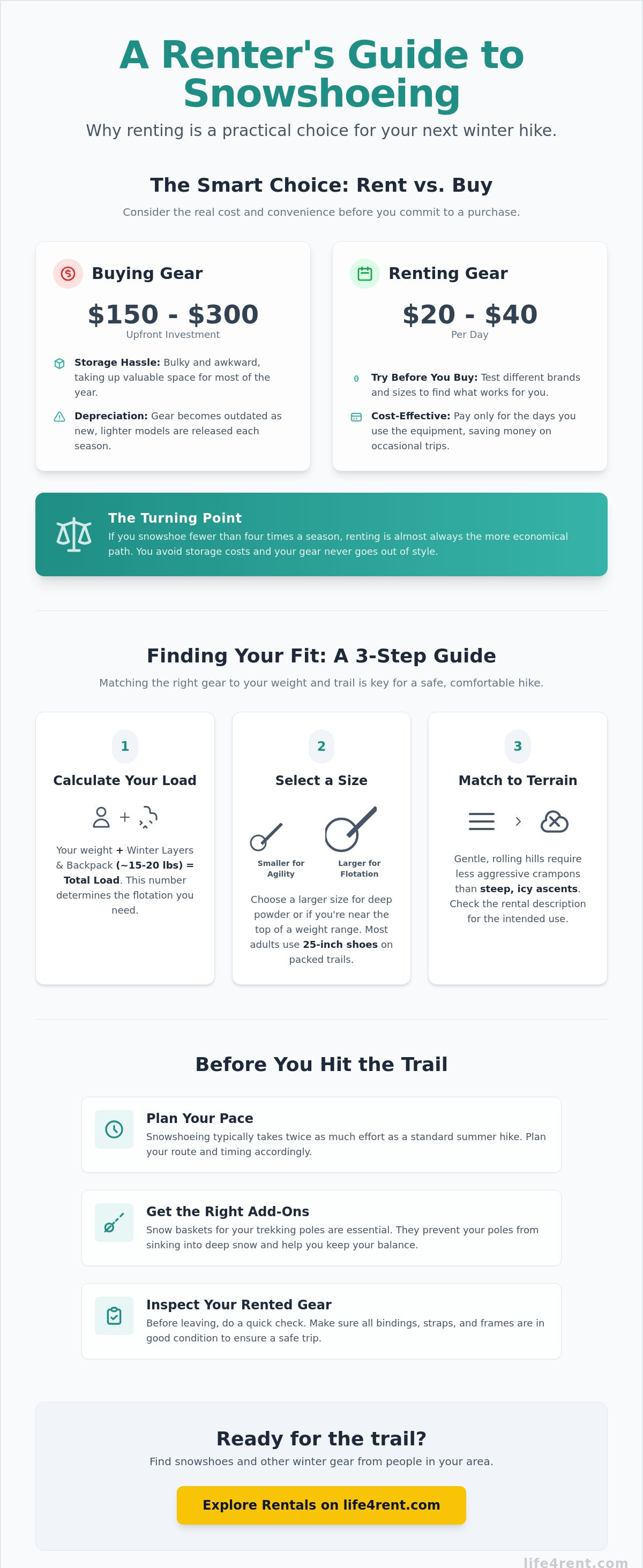
Quality snowshoes usually cost between $150 and $300 in 2026. This is a significant investment for an item you might only use once or twice a year. If you look at rental prices, they usually range from $20 to $40 per day. This price difference makes it easy to see why most hikers prefer to rent snowshoes for winter hiking rather than own them outright. Most people find that the convenience of picking up gear only when it's needed far outweighs the burden of ownership.
To better understand how this gear works in the field, watch this helpful video:
Most winter equipment spends ten months of the year in a garage or under a bed. You don't just pay for the gear itself; you also pay for the space it occupies. You can use a rental to test different brands and sizes to see what actually works for your gait before you commit to a purchase. This trial period is especially helpful because snowshoe bindings and crampon patterns vary wildly between manufacturers. You might discover that a specific binding system is difficult to adjust with gloves on, a detail you wouldn't know without a day on the trail.
The cost-per-use calculation
You should look at how many trips you actually take each season to determine the true value of your gear. If you go out fewer than four times, the numbers rarely favor ownership. You'll also need to consider the cost of storage bins and the occasional maintenance required to keep rubber bindings from cracking in dry air. The history of snowshoes shows a long evolution of materials, and today's gear depreciates quickly as lighter, more flexible frames enter the market every year. When you rent, you always have access to current technology without the worry of your own equipment becoming obsolete or brittle over time.
Storage and sustainability benefits
Snowshoes are bulky and awkward to store, especially if you live in a city apartment. They don't stack well and often snag on other items in your closet or storage locker. If you want to explore the trails without a massive upfront cost, it makes sense to rent snowshoes for winter hiking for your first few outings. A focus on the sharing economy reduces the demand for new plastic and metal manufacturing, which is a better choice for the environment. You can often find a neighbor on Life4Rent who already has the specific gear you need, which saves you a trip to a big-box retail store. This approach keeps your home organized and ensures that high-quality tools stay in use instead of sitting idle in a dark corner. Local resource use helps build a community where high-end equipment is accessible to everyone without the waste of individual ownership.
How to choose the right snowshoes for your specific trail
Selection is a technical process that depends on your weight and the snow conditions you expect to face. You shouldn't just grab the first pair you see. If you decide to rent snowshoes for winter hiking, you'll need to match the equipment to your specific itinerary. A pair designed for a flat meadow will fail you on a steep, icy ridge.
Weight is the most important factor when you select a size. It determines how much you'll sink into the snow, a concept known as flotation. You must be honest about your total load. This includes your body weight plus the 15 to 20 pounds of winter clothing and survival gear you'll carry.
Select your size based on total load
Check the manufacturer weight chart before you book a rental. This step ensures you rent snowshoes for winter hiking that actually support your specific load. If you're right on the edge of two sizes, consider the snow quality. Smaller shoes are easier to maneuver in tight spaces but offer less support in deep powder.
Larger shoes provide the best flotation but can feel heavy on your legs during long hikes. It's a trade-off between energy conservation and agility. Most beginner-friendly trails feature packed snow where a 25-inch shoe works for most adults. You can study more about these technical specs in this guide on How to choose snowshoes.
Terrain and binding styles
Terrain dictates whether you need aggressive crampons or simple traction. Flatter trails require simple pull-start or strap bindings for basic comfort. These are usually lighter and more flexible, which makes walking feel more natural. Mountainous terrain demands snowshoes with heel lifts, also known as televators. These small bars flip up to keep your foot level on steep inclines, which significantly reduces calf fatigue.
Aggressive side rails are a necessity for icy or slanted paths. These metal edges run along the length of the frame to provide lateral stability. You don't want to slide sideways when navigating a traverse. Bindings should also be easy to adjust even when you wear thick gloves. You can find many of these specialized models by looking through the outdoor gear available on Life4Rent, where owners often list the specific terrain their equipment handles best.
The practical benefits of peer-to-peer rentals
Traditional rental shops usually operate within rigid business hours and require a trip to a commercial district. You might find that the nearest store is a thirty-minute drive away, which adds unnecessary stress to your morning. When you choose to rent snowshoes for winter hiking through a neighbor, you often find high-quality gear just a few blocks from your front door. This proximity makes it much easier to squeeze a quick trip into a busy weekend.
Peer-to-peer platforms like Life4Rent offer more flexible pickup and drop-off times than retail outlets. You can coordinate a time that fits your schedule, whether that's late on a Friday evening or early Saturday morning. This flexibility is a significant advantage over big-box stores that might close before you finish your descent from the trail. Owners who list their gear are usually enthusiasts themselves, so they understand the logistics of a winter outing.
Convenience and local access
Search for "snowshoes" in your specific neighborhood to save significant travel time. You can message owners directly to ask about the condition of the gear or specific binding styles. This direct communication allows you to confirm that the equipment matches your needs before you leave the house. You can also use peer to peer equipment rental to find other winter essentials like waterproof gaiters or specialized backpacks.
Local owners often provide specific trail tips that retail staff cannot offer. They might know which local paths are currently packed down or which areas have the best powder. These beginner snowshoeing tips from someone who actually hikes the same trails you do are incredibly valuable. You get more than just a piece of equipment; you get local knowledge that improves your overall experience.
Supporting the local sharing economy
Your rental fee goes directly to a person in your community instead of a large corporation. This model keeps money within the local economy and supports fellow outdoor enthusiasts. You'll find that prices are typically lower because individuals don't have the high overhead of a retail shop or expensive storefront. It's an honest exchange that benefits both parties without the inflated markups of traditional commerce.
Trust and connections grow within local hiking groups through gear sharing. You might meet a neighbor who shares your passion for the outdoors and can recommend new routes. Life4Rent facilitates these exchanges across 17 different categories, making it a versatile tool for any hobby. You contribute to a more sustainable way of living that prioritizes access over the clutter of ownership when you choose this path.
How to prepare for your first snowshoeing trip
You'll likely find that walking on snowshoes requires significantly more energy than a standard summer hike. You should expect to travel at about half your normal hiking speed, especially if you encounter fresh powder. It's a common mistake to over-schedule your first outing. If you plan to rent snowshoes for winter hiking, remember that your heart rate will stay higher because of the extra weight on your feet and the resistance of the snow.
You generate a lot of body heat while moving, but you'll cool down almost instantly once you stop. You must dress in layers to manage this temperature swing effectively. Start with a moisture-wicking base layer and avoid cotton, as it stays wet and cold against your skin. A waterproof outer shell is vital to protect you from wind and moisture. You also need waterproof boots and gaiters to keep snow from sneaking into your footwear, which can lead to cold feet and painful blisters.
Trail etiquette for snowshoers
You should always stay off groomed cross-country ski tracks. These paths are specifically maintained for skiers, and snowshoe footprints can create ruts that make the trail dangerous for them. You should walk to the side of the track or stay on a designated snowshoe trail instead. This simple act of courtesy keeps the winter sports community friendly and safe for everyone.
You must yield to uphill hikers when you meet on narrow sections of the path. It's much harder for someone climbing a steep incline to regain their momentum than it is for you to step aside while descending. If you're traveling in a group, walk in a single-file line. This practice preserves the trail edge and leaves enough space for other hikers to pass you without difficulty.
Essential supplemental gear
You'll find that poles with snow baskets are essential for maintaining your balance in deep drifts. You shouldn't rely on your legs alone, as poles help distribute your weight and prevent you from tipping over in soft snow. If you don't already own a pair, you can easily find trekking poles for rent on Life4Rent alongside your other winter gear. These tools make a massive difference in your stability on uneven terrain.
You should carry a small repair kit for bindings if your route takes you into the backcountry. A few heavy-duty zip ties or a spare strap can save your trip if a plastic component snaps in the extreme cold. You'll also need to pack more water and snacks than you would for a summer hike. Your body burns more calories just to stay warm, and hydration is just as critical in January as it is in July. You can find all these essentials by browsing the outdoor listings on Life4Rent to ensure you're fully prepared for the elements before you head out.
How to get your winter gear on Life4Rent
You can find the necessary equipment for your next outing by navigating to the sports and outdoor section of the marketplace. It's easy to rent snowshoes for winter hiking when you use the search filters to narrow down results by distance or daily price. You'll see listings from neighbors who have high-quality gear that they aren't using this weekend. You should always prioritize listings that include specific details about weight limits and frame dimensions to ensure the gear fits your needs.
You can browse the available options from your phone and coordinate the entire exchange through the app. You should check the item description for size and weight capacity details before you commit to a booking. You'll also need to book your dates in advance, especially during peak winter months when demand for outdoor gear is high. You can coordinate the pickup and return times directly with the owner to find a window that fits your travel schedule.
Finding the right listing
You should look for high-quality photos that clearly show the condition of the crampons and the flexibility of the bindings. Clear images indicate that an owner takes care of their equipment and maintains it properly between trips. You should read reviews from previous renters to ensure the owner is responsive and provides gear that matches the description. Reliability is a key factor when you're planning a trip into the mountains where equipment failure isn't an option.
- You should check if the owner offers a tool on rent like a specialized sled or a carrier for your gear.
- You can look for mentions of "heel lifts" or "televators" if you plan to tackle steep terrain.
- You should confirm the pickup location is convenient for your planned route to save time.
Listing your own gear for cash
You can also turn your own idle equipment into a source of extra cash when you aren't using it. You'll find that people who want to rent snowshoes for winter hiking often appreciate detailed descriptions of the binding system and the frame material. It's an honest way to offset the cost of your own gear while helping someone else enjoy the outdoors without a massive upfront investment.
- You should upload clear photos of your snowshoes from multiple angles, including the traction rails.
- You can specify the maximum weight limit and the type of terrain the shoes handle best in the description.
- You should set a fair daily rate by comparing your listing to other local options in your city.
- You can manage your availability through the built-in calendar to ensure you only rent out gear when you don't need it.
You'll find that the community on Life4Rent values efficiency and high-quality tools. By sharing resources, you help reduce the clutter in local apartments and make premium outdoor experiences accessible to more people. You can manage all your listings and rentals in one place, making it a professional and reliable way to handle your seasonal gear needs.
Step Out on the Snow This Weekend
You don't need a garage full of expensive equipment to enjoy the backcountry. You can rent snowshoes for winter hiking to access professional-grade frames without the $300 price tag or the storage hassle. You'll save money and keep your home organized while still using the best technical gear available for the season.
Your total weight and the specific trail conditions are the most important factors for a safe trip. You should always check the manufacturer weight charts and ensure your bindings are easy to use with thick gloves. These small details make the difference between an exhausting struggle and a smooth walk through the woods.
Life4Rent was founded in 2021 with a focus on the sharing economy. It's a secure peer-to-peer platform that offers items across 17 different categories, including specialized outdoor gear. You can support your local community and find exactly what you need for your next adventure in just a few clicks.
Find snowshoes for rent in your neighborhood on Life4Rent. You'll enjoy the crisp winter air and the quiet of the trails without the long-term burden of ownership.
Frequently Asked Questions
How much snow do I actually need to use snowshoes?
You generally need at least 6 inches of snow to use snowshoes effectively and safely. This depth ensures that the crampons and frame don't strike rocks or frozen ground beneath the surface. Using the equipment on thinner snow can damage the traction systems and put unnecessary stress on your ankles. It's always better to wait for a solid base before you head out.
Can I wear regular hiking boots with rental snowshoes?
Standard waterproof hiking boots work well with almost all snowshoe binding systems. You should verify that your boots provide enough insulation for sub-zero temperatures. Leather or synthetic boots with a stiff sole are ideal because they provide the support needed for the straps. You can also add gaiters to keep your feet dry in deep powder.
Do I really need trekking poles for snowshoeing?
Poles are not strictly mandatory, but they are essential for balance and stability in deep snow. They help you maintain an upright posture and reduce the impact on your hips and knees during steep ascents. You should ensure your poles have large snow baskets attached to the bottom. These baskets prevent the poles from sinking completely into soft drifts.
Is snowshoeing significantly harder than regular hiking?
Snowshoeing requires more effort than traditional hiking because you are lifting extra weight with every step. You'll likely find that your heart rate is higher and your pace is significantly slower than on a summer trail. It's a full-body workout that engages your core and hip flexors more than a standard walk. You should plan for shorter distances during your first few outings.
How do I know what size snowshoes I should rent?
Size is determined by your total load, which includes your body weight and all the gear in your backpack. Most manufacturers provide a specific chart that matches weight ranges to shoe lengths. You should check these numbers before you rent snowshoes for winter hiking to avoid sinking too deep. A 25-inch shoe is a common standard for many adult hikers on packed trails.
What happens if the rental snowshoes break during my hike?
You should contact the owner immediately if a piece of equipment fails during your trip. It's a good practice to take photos of the gear before you leave to document its initial condition. Most rental agreements cover normal wear and tear, but you should discuss the specific terms of the platform's protection policy. Carrying a few zip ties can help you make a temporary trailside repair.
Are there different types of snowshoes for men and women?
Women's models are often built with a narrower frame to accommodate a shorter or narrower stride. This design helps prevent the frames from banging together as you walk. Men's or unisex models are typically wider and designed for higher weight capacities. You should rent snowshoes for winter hiking that feel comfortable for your specific gait regardless of the gender label on the product.
Related guides on Life4Rent
Ready to rent instead of buy? See all outdoor gear available to rent on Life4Rent →
Life4Rent
Rent it. Earn from it. Own less, access more.
Browse peer-to-peer rentals near you, or list what you own and start earning — all protected by Life4Rent Protect.
About the author
Dublin, Ireland
Michael covers consumer rights, rental law, and EU platform regulation for the Life4Rent Renting Academy. He has reported on digital market policy and renter protections across Europe, and brings a clear, practical perspective to topics like deposit disputes, insurance, and the legal rights of renters and owners.