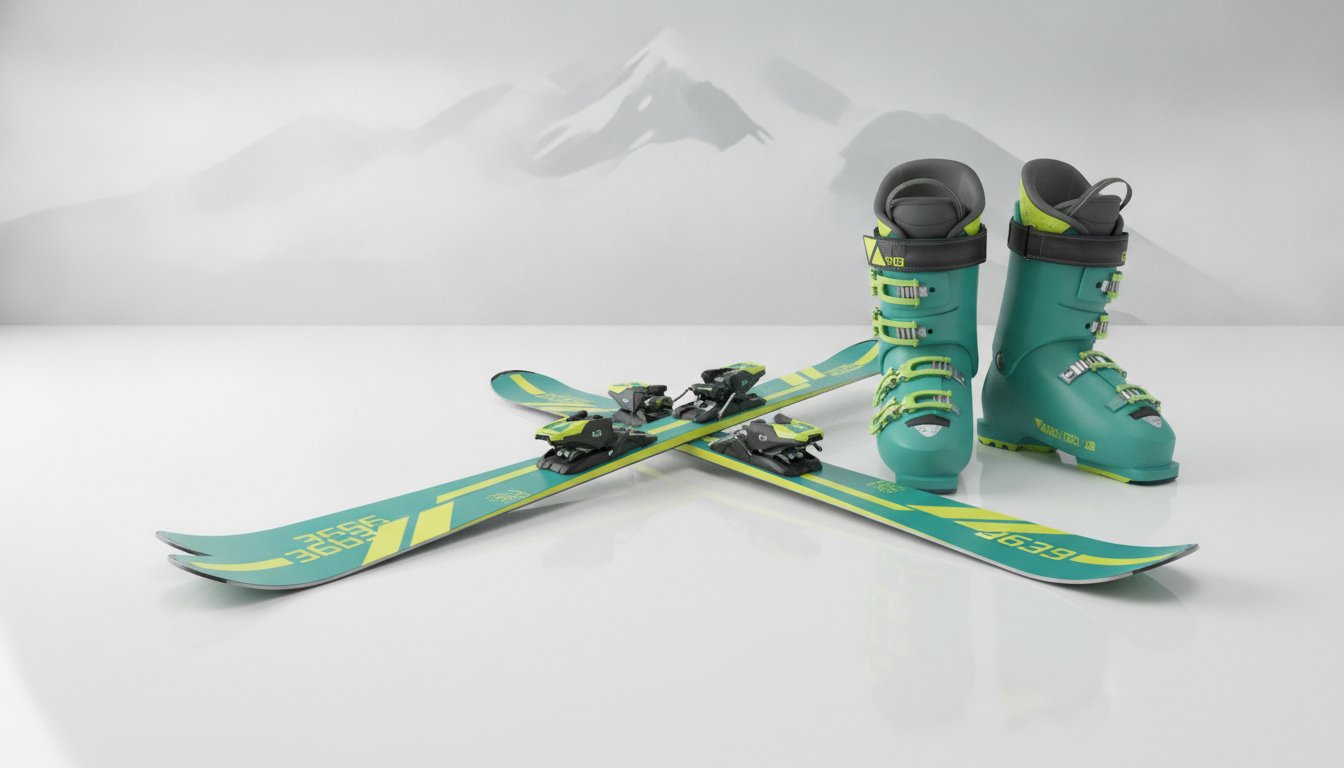
Rent Skis and Boots Package: A Practical P2P Guide for 2026
Michael Wright
June 10, 2026
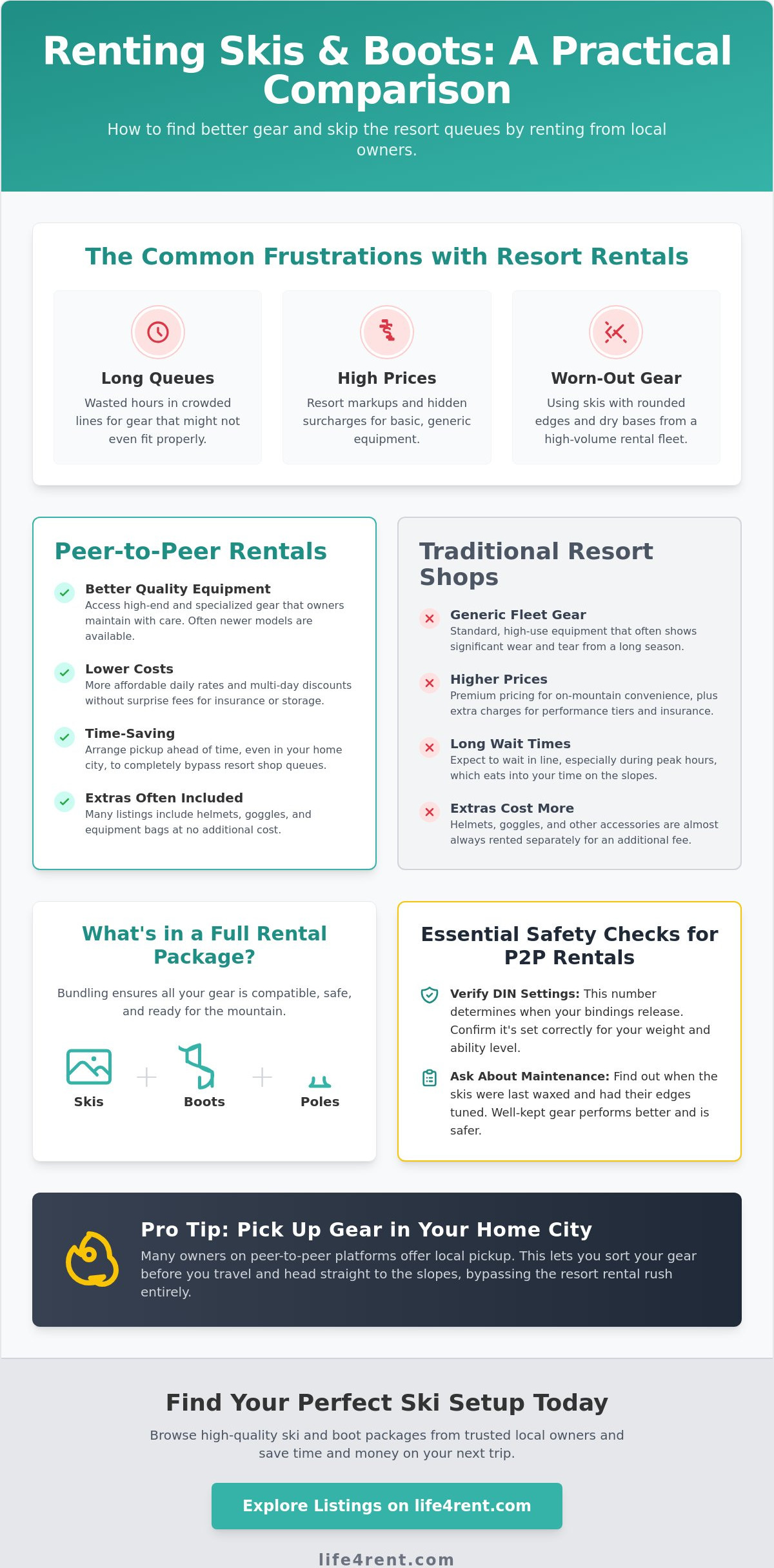
A significant cost of your ski holiday isn't just the lift pass; it's the hour you waste in a crowded rental line for boots that don't fit. You might think the resort shop is your only option for a convenient rent skis and boots package, but that convenience often comes with a high markup and generic gear. Most skiers have simply accepted these prices and basic equipment as an unavoidable part of the mountain experience.
It's frustrating to pay top rates for a fleet of skis that have seen better days. You want gear that matches your actual skill level without spending your entire morning in a cramped basement. You'll learn how to secure high-quality equipment through peer-to-peer marketplaces like Life4Rent to save money and get on the slopes before the fresh powder is gone.
Success with a local owner requires a few specific checks, especially regarding safety standards and DIN settings for the 2026 season. Clear communication about maintenance history ensures you get reliable gear without the resort headaches. These practical steps help you find a professional setup that actually fits your skiing style.
The Basics of a Ski and Boots Rental Package
A standard rent skis and boots package is the most practical way to prepare for a trip to the mountains. This bundle typically consists of skis, boots, and poles, which are the three essential pieces of hardware you need to get moving. You'll usually pay a lower daily rate for a full bundle than you would if you rented each item individually. This makes it a sensible choice for anyone who doesn't want to manage multiple rental agreements or deal with mismatched equipment that might affect their performance.
A reliable rent skis and boots package on a peer-to-peer platform like Life4Rent allows you to find specific brands that traditional resort shops might not carry in their standard fleet. You can look for gear that matches your specific skill level rather than accepting whatever the shop has left in stock. A quick review of The Basics of Skiing will give you a better idea of how different equipment types affect your performance on the snow. You can talk directly to the owner about how the gear performs in different conditions, ensuring you get exactly what you need for the terrain. Many owners offer 2026 models that include the latest safety features and binding standards.
To better understand the hardware involved in these setups, watch this helpful video:
What to Expect in a Standard Package
Skis are not a one-size-fits-all item; they are selected based on your height, weight, and skiing ability. A beginner ski is often shorter and more flexible to make turning easier while you learn the ropes. Boots must be compatible with the specific bindings on the skis to ensure they release properly during a fall. Poles are included to help with balance and rhythm, especially when you are navigating flatter sections of the mountain.
Why Bundling Gear Saves Time
You don't have to waste time checking boot-binding compatibility if you get everything from one source. A package deal means the owner has already verified that the boots fit the bindings and the DIN settings are appropriate for the gear. One transaction covers all your primary hardware needs, which simplifies your holiday planning. Pickups are much faster when all items are ready at once in a single location.
Advantages of Renting a Full Package
Individual owners tend to take better care of their equipment than high-volume rental shops. A resort fleet might see hundreds of users in a season, leading to rounded edges and dry bases. Personal gear is often waxed regularly and tuned for specific conditions. You are likely to receive gear that has been hand-tuned rather than run through a high-speed machine that can strip away base material.
Owners frequently include extras that shops charge for. You might find a helmet, goggles, or a padded carry bag included in the price. These small additions save you from buying items you might only use once a year. It also makes transporting the gear to your accommodation much easier. Many owners include these common extras in their listings:
- Padded equipment bags to protect the gear during transport.
- Helmets and goggles that are often newer than shop rentals.
- Basic maintenance tools like a pocket stone for edge burrs.
Cost Savings and Value
Resort rental hubs often add surcharges for insurance or storage that aren't always clear at the start. Peer-to-peer listings on Life4Rent typically offer more transparent pricing because you are dealing with a local owner directly. You'll often find that daily rates are significantly lower than on-mountain shops. Many owners include multi-day discounts, which makes a week-long trip much more affordable. You also avoid the premium prices charged for performance tiers that are standard in P2P listings.
Better Quality Equipment
You can find a comprehensive guide to ski equipment to help you identify which technical specs matter most for your ability level. This allows you to choose a package designed for powder or ice rather than a generic all-mountain ski. The gear available on P2P platforms is usually newer, often featuring the latest BOA closure systems or lightweight materials from the 2026 season. Owners often rent out their personal setups, which means the gear was chosen for performance rather than durability in a rental fleet. You can ask the owner about the last time the bindings were tested or the edges were sharpened. This level of detail is rarely available at a busy resort counter. A conversation with a local owner also provides a chance to get personal advice on which runs are in the best condition.
Safety Checks for Your Rented Skis and Boots
Safety is the most important factor when you rent from a person rather than a commercial shop. You don't have a certified technician standing behind a counter to verify every bolt for you. This means you must take an active role in inspecting your rent skis and boots package before you head to the lift. It's a simple process that only takes a few minutes but prevents serious injury on the mountain.
You should always ensure the boots click into the bindings with a solid, audible snap. If the connection feels mushy or requires excessive force, the forward pressure might be set incorrectly for that specific boot. These Proper ski equipment tips from the National Ski Areas Association highlight why equipment adjustment is a core part of slope safety. You can ask the owner to demonstrate the release mechanism to ensure everything is moving as it should.
Understanding DIN Settings
Inspecting the Hardware
Inspect the physical condition of the hardware carefully. Look for deep scratches or core shots on the bottom of the skis that might affect the structural integrity. You'll want to check that the metal edges are sharp and free of heavy rust, as dull edges won't grip on icy patches. Examine the boot buckles to make sure they aren't cracked or bent. Functional buckles are necessary to keep your foot secure and maintain control. If you see any signs of mechanical failure, it's better to mention it to the owner immediately rather than risking a malfunction at high speed.
- Check the ski brakes to ensure they spring down quickly when the boot is removed.
- Look at the boot soles for excessive wear at the toe and heel pieces.
- Verify that the bindings are designed for the specific sole type, such as GripWalk.
Worn-down plastic on the boot sole can change how the boot interacts with the binding's anti-friction device. This can cause a late release during a crash. Most 2026 packages feature updated safety standards, but a manual check is still your best defense. Taking these steps ensures your rent skis and boots package is reliable and ready for the terrain you plan to tackle.
Peer-to-Peer Rental vs. Traditional Ski Shops
Traditional ski shops are often the first place people look, but they usually come with high prices and logistical hurdles. You'll find these shops located right at the base of the mountain, which seems convenient until you see the morning queue. P2P rentals change this dynamic by allowing you to pick up your rent skis and boots package in your own neighborhood before you even leave for the trip. This eliminates the stress of fitting in a shop visit between your arrival and the first lift opening.
Owners on marketplaces like Life4Rent often provide a personal walkthrough of the equipment that you simply won't get at a busy resort counter. They can explain the specific nuances of the gear and how it was maintained. You'll get practical advice on which local trails are best for the skis you've chosen. This direct connection ensures you feel confident with the hardware before you ever step onto the snow. You'll also find that owners are more flexible with pickup and drop-off times than a shop with strict opening hours.
The Rental Experience
Resort shops are built for volume, which often leads to a rushed fitting process during peak hours. You might spend an hour standing in line only to receive a pair of boots that feel slightly too small because the staff is under pressure to clear the room. P2P pickups are scheduled at a time that works for you, allowing for a relaxed fitting in a private setting. Owners aren't trying to process fifty people at once, so they have the time to ensure the boots are comfortable. This personal attention helps you avoid the blisters and foot pain that often ruin a first day on the slopes.
Availability and Variety
Resorts frequently run out of common boot sizes or popular ski lengths during busy weekends or school holidays. Marketplaces show real-time availability from multiple local owners, so you don't have to worry about the "sold out" sign at the mountain. You can also find specialized gear that shops don't stock, such as powder-specific skis or high-performance touring setups. If you need more than just winter sports gear, you can find an audio equipment rental or other items for your trip on the same platform. This variety allows you to customize your entire holiday experience through one interface without visiting multiple vendors.
You can browse local ski listings to see what is available in your area for the upcoming season and secure your gear early.
How to Use Life4Rent for Your Next Ski Trip
Life4Rent simplifies the process of finding a local owner who has the gear you need for the mountains. It's a practical way to access peer to peer equipment rental across many categories beyond just winter sports. You can find a rent skis and boots package in your own neighborhood or wait until you get closer to your destination to browse local listings. The platform handles the payment process and provides a framework for the rental agreement, which means you don't have to carry cash or worry about informal handshakes. This structured approach makes the entire exchange more reliable for both the renter and the owner.
Finding the Right Listing
You should use the built-in filters to search for your specific boot size and preferred ski length. It's helpful to look for listings that provide detailed descriptions of the gear's last tune-up or any specific performance traits. You'll find that reading reviews from previous renters is the most effective way to gauge an owner's reliability. If others report that the gear was exactly as described and the owner was on time for the pickup, you can book with more confidence. You must inspect the photos for clarity and look for shots of the ski bases to ensure they aren't dried out or damaged.
Booking and Pickup
You can send a message to the owner to confirm the hardware is ready for your trip. This is a good opportunity to ask about the specific binding model or if they have a helmet available to include. You'll then arrange a meeting at a location that works for both of you, which is often much more convenient than a shop's fixed address. You can browse listings in your home city weeks before your trip, which gives you time to find the perfect fit. This neighborhood pickup model means you can pack your gear into your own car and avoid the rental shop altogether.
The platform handles the financial side securely, so you aren't exchanging bank details with strangers. You'll receive a confirmation once the owner accepts your request, making the entire plan official and documented. You should take a moment to verify the gear during the hand-off to ensure everything matches the listing. A quick check of the buckles and a look at the edges will save you from surprises once you reach the resort.
- Check that the boot soles are clean and free of large rocks or debris.
- Verify that the ski brakes function correctly and snap back into place.
- Ensure the poles are the correct height and the straps aren't frayed.
Get Ready for the Slopes
A successful ski trip depends on reliable equipment that doesn't drain your budget before you even reach the mountain. You've seen how a rent skis and boots package from a local owner offers a practical alternative to the high prices and long lines at resort shops. You should focus on manual safety checks and use the platform's verified reviews to secure high-quality hardware that matches your skill level and the current snow conditions.
Life4Rent provides a secure environment for these transactions, allowing you to access gear from 17 different rental categories with confidence. You can read verified user reviews for every equipment listing to ensure the gear is well-maintained and the owner is reliable. Secure peer-to-peer transactions mean you can focus on your technique rather than worrying about payment logistics or hidden resort fees. This direct approach to gear access helps you spend more time on the snow and less time in a crowded rental basement.
You can start your search today to find the right fit for your upcoming winter holiday. Find a ski and boots package for rent on Life4Rent and enjoy a more relaxed start to your season. A little preparation goes a long way toward a great experience on the mountain.
Frequently Asked Questions
What is included in a typical ski and boots rental package?
A standard package includes skis, boots, and poles. These three components are matched to ensure the boots fit the bindings correctly and the poles are the right length for your height. Many owners on Life4Rent also include a carry bag to make transport to the mountain more convenient.
Is it cheaper to rent skis and boots as a package?
You'll generally find that a rent skis and boots package costs less than renting each piece of equipment separately. Bundling these items saves the owner time and ensures they can rent out a complete, compatible set of gear. This is a practical way to manage your holiday budget while securing high-quality equipment.
How do I know what size ski boots I need for a rental?
Ski boots use Mondopoint sizing, which is the length of your foot in centimeters. You can measure your foot by standing against a wall and marking the distance to your longest toe. It's helpful to share this measurement with the gear owner to ensure the boots in the package provide a secure and comfortable fit.
Can I rent a ski package from a person instead of a shop?
You can rent directly from local owners through peer-to-peer marketplaces like Life4Rent. This allows you to pick up gear in your own neighborhood and skip the long lines at resort rental shops. You often get access to better maintained, personal gear that shops don't typically stock in their standard rental fleets.
What should I check for safety when renting skis from a neighbor?
You must verify the DIN settings on the bindings and inspect the metal edges for rust or significant damage. Check the ski bases for deep scratches that could affect your control on the snow. It's also vital to ensure the boots click into the bindings properly and the brakes function as intended before you start your first run.
Do ski rental packages include a helmet or goggles?
Traditional shops usually charge extra for helmets and rarely rent out goggles for hygiene reasons. Peer-to-peer owners often include these items in their listings to provide a more complete setup. You should check the specific listing details on the platform to see which accessories are included in the daily rate.
What happens if the rented skis get damaged on the mountain?
Damage policies vary depending on the owner and the specific platform protection terms. You should take photos of the gear before your first run to document its initial condition. If you hit a rock or damage an edge, it's best to inform the owner immediately to discuss repair options or potential costs.
How far in advance should I book a ski rental package for 2026?
You should ideally book your gear several months before the season starts to get the best selection of sizes. Some owners and shops offer lower pricing for the 2026 season if you secure your booking before the autumn rush. Early booking ensures you get your preferred boot size and ski length before the peak holiday weeks.
Life4Rent
Rent it. Earn from it. Own less, access more.
Browse peer-to-peer rentals near you, or list what you own and start earning — all protected by Life4Rent Protect.
About the author
Michael Wright
Dublin, Ireland
Michael covers consumer rights, rental law, and EU platform regulation for the Life4Rent Renting Academy. He has reported on digital market policy and renter protections across Europe, and brings a clear, practical perspective to topics like deposit disputes, insurance, and the legal rights of renters and owners.