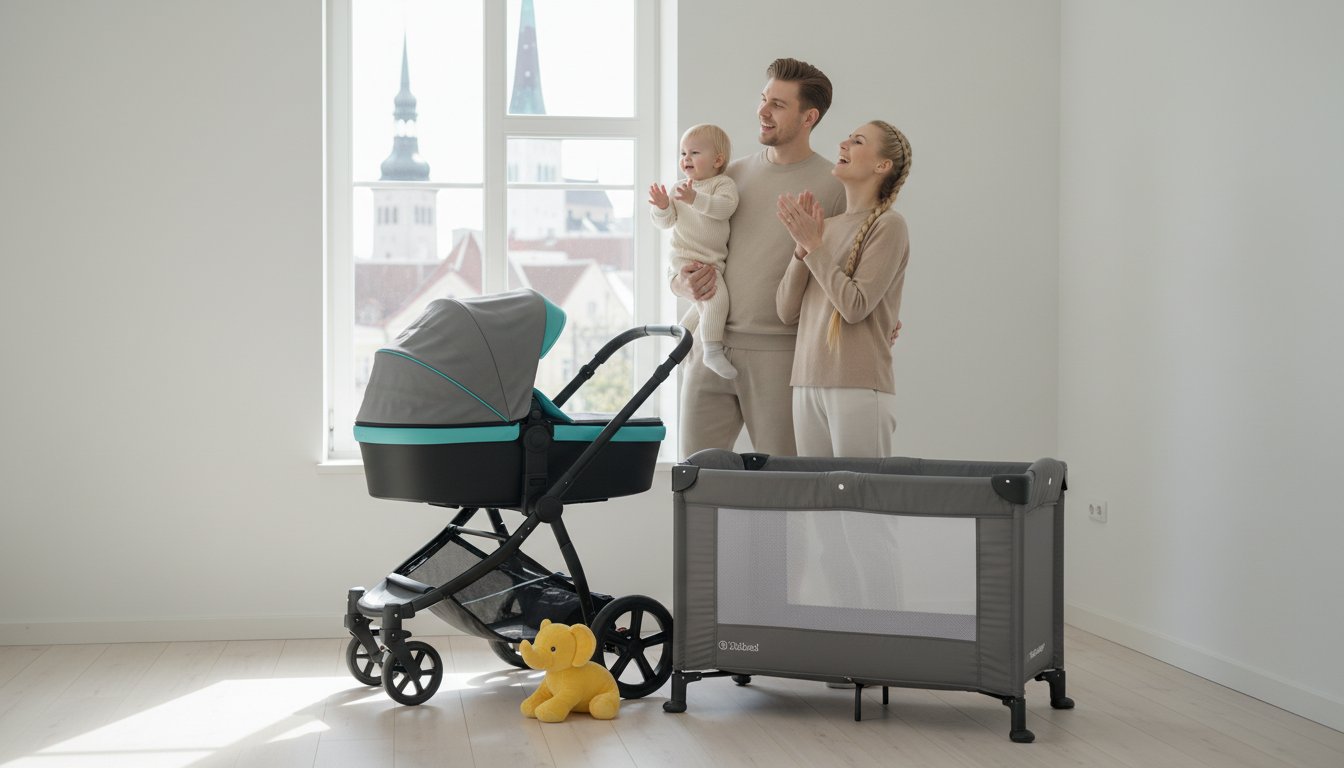
Rent Baby Travel Gear: A Practical Guide for Stress-Free Trips in 2026
May 11, 2026
Published by Life4Rent · Operated by Brohf Software OÜ
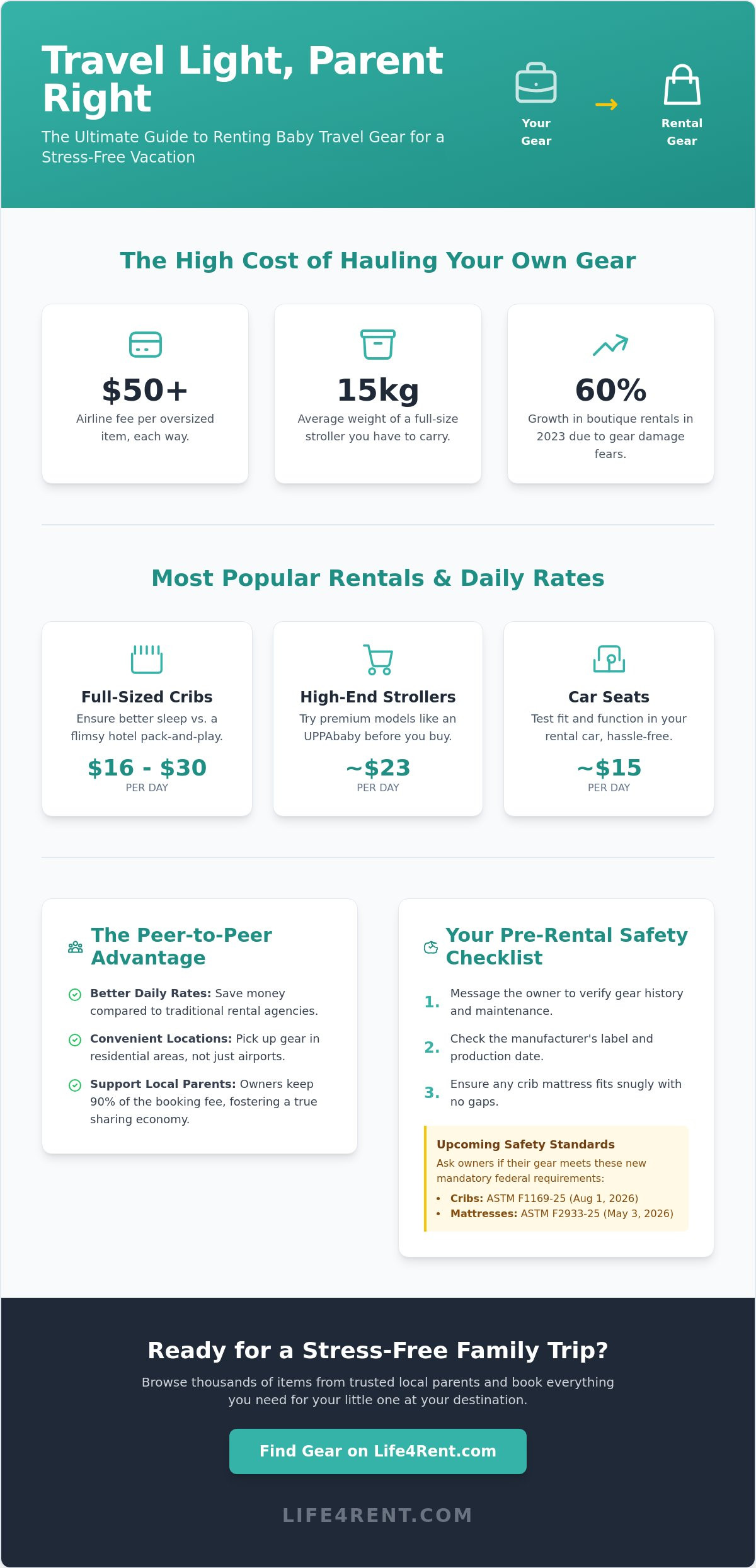
What if you could walk through the airport with just a diaper bag and a coffee, even with a toddler in tow? Most parents assume they have to haul a 15kg stroller and a bulky car seat across the continent just to ensure their child's comfort. It's often easier and cheaper to rent baby travel gear from a local parent at your destination instead of paying airline fees that can easily exceed $50 per item.
You've likely felt the frustration of trying to fit a full-size crib into a compact rental car or worrying about a baggage handler tossing your expensive equipment. This guide shows you how to source high-quality gear through peer-to-peer platforms to save money and space. You'll learn how to navigate the new August 1, 2026, safety standards for cribs and why renting from a local owner who keeps 100% of the booking fee is a practical choice for your next trip.
Why it makes sense to rent baby travel gear for your next trip
You can walk through the airport terminal with nothing but a diaper bag; it's a reality for families who choose to rent baby travel gear at their destination. Most parents realize that dragging a 15kg stroller through security is a logistical nightmare. Airlines often charge between $30 and $75 for oversized items, and there's no guarantee your expensive equipment will survive the cargo hold. In 2023, boutique stroller rentals saw a 60% growth because parents are tired of seeing their personal gear damaged by baggage handlers.
You'll find that keeping a baby in their routine is much easier with a full-size wooden crib rather than a flimsy hotel pack-and-play. Sleep quality impacts the entire vacation, and a familiar sleep environment is worth the small daily investment. This approach relies on the principles of collaborative consumption, where you pay for the utility of the item rather than the hassle of moving it. The global baby gear rental market reached $2.8 billion in 2025, proving that the shift toward shared resources is now a standard part of family travel.
To better understand how this process works, watch this helpful video:
Avoid heavy luggage fees and bulky transport
You should compare the cost of a rental to the price of a checked bag before you head to the airport. A full-size crib might cost between $16 and $30 a day in May 2026, which is often less than the fee for an extra checked suitcase. Compact rental cars at your destination won't always fit a full-sized stroller and your luggage. Most parents find that local pickup or delivery saves hours of logistical frustration. You don't want to spend the first day of your vacation trying to fit a double jogger into the trunk of a small European hatchback.
Try specific models before you buy them
The most common items parents rent for travel
You'll quickly realize that the list of essentials goes far beyond just a stroller. While big-ticket items are the priority, small accessories often make or break the daily routine in a new city. CNET explains the process of renting baby gear as a way to maintain domestic comfort without the logistical burden of heavy lifting. Parents often find that renting a high chair or a booster seat for $6 to $9 a day makes mealtime in a vacation rental significantly less chaotic than trying to feed a toddler on their lap.
Full-sized cribs and sleep solutions
You'll find that a real mattress helps a baby adjust to a new time zone much faster than a thin foam pad. Standard hotel pack-and-plays often lack the support needed for long-term sleep, leading to overtired children and stressed parents. Most rental cribs come with professionally cleaned linens, so you don't have to pack extra sheets in your suitcase. It's vital to check that any full-size crib meets the ASTM F1169-25 standard, which becomes a mandatory federal requirement on August 1, 2026.
Safety is the primary concern when you choose to rent baby travel gear from a peer-to-peer marketplace. You should verify that the crib mattress fits snugly without gaps, as the mandatory safety standard for these will be updated to ASTM F2933-25 on May 3, 2026. If you're staying in a residential area, you can easily check local listings for equipment that meets these current safety benchmarks. This direct access to local owners often provides more flexible delivery options than a central agency.
Lightweight travel buggies and strollers
All-terrain strollers are the better choice if your itinerary includes cobblestone streets or nature trails. You can find high-end joggers like the Bob Duallie for about $20 a day, which provides the suspension needed for uneven ground. These specialized models are often too expensive or large to justify buying for a single trip. This rental model allows you to pick the right tool for the specific terrain of your destination, ensuring both you and your child remain comfortable during long days of sightseeing.
Marketplace rentals offer a different experience than specialized shops
You'll notice a clear distinction between professional agencies and peer-to-peer marketplaces when you look to rent baby travel gear. Specialized shops maintain their own warehouses and staff, which adds significant overhead to your daily rate. Peer-to-peer platforms connect you directly with local families, which usually results in more competitive pricing and a wider variety of brands. This model is a more sustainable way to use resources that already exist within the community.
Instead of a company buying hundreds of new plastic strollers, you're using a high-quality item that another parent already owns. It aligns with the growing trend of eco-conscious parenting, where 40% of millennial parents now prioritize sustainable materials and consumption. Owners on these platforms are usually parents themselves, so they understand the importance of safety standards for baby gear rentals. They can also offer local advice on which parks have the best shade or which cafes are truly stroller-friendly.
Comparing costs and convenience
Local availability and pickup options
You can find gear exactly where you need it, even in smaller towns or residential suburbs where big companies don't offer delivery services. Many owners are flexible with timing if your flight is delayed or if your baby's nap schedule changes at the last minute. For a deeper look at how these logistics work, you can check the peer to peer equipment rental guide. This flexibility is a major advantage when traveling with unpredictable toddlers.
Most marketplace users appreciate the personal touch that comes with a local transaction. A neighbor can show you exactly how to fold a specific travel buggy or how to adjust the straps on a car seat. These small details save you from spending the first hour of your trip reading manuals online. It's a practical, community-driven solution that makes the entire travel experience feel more grounded and less like a corporate transaction.
Safety checks you should perform before you accept an item
You shouldn't take safety for granted when you rent baby travel gear from a local owner. While peer-to-peer marketplaces foster a community of trust, the final responsibility for your child's security lies with you. A quick five-minute inspection at the point of pickup can prevent serious risks and ensure the equipment functions as intended. Most owners appreciate a thorough check as it confirms they're providing a reliable service to another family.
Manufacturer labels are your primary source of truth during this process. These stickers are usually located on the underside of a stroller or the back of a high chair frame. You must locate the model number and the specific date of production before you let your child use the item. If these labels are missing, scratched off, or illegible, you shouldn't accept the rental under any circumstances.
Verify the manufacturing date and recall status
Search the brand name and model number on the manufacturer’s website or the Consumer Product Safety Commission (CPSC) database. This step is vital because it reveals if the item was part of a safety recall that the owner might have missed. You should also look for the "JPMA Certified" seal on cribs and high chairs, which confirms the product was tested in an independent laboratory for stability and safety. It's helpful to write down a single sentence confirming the item’s expiration date before you start your trip. Car seats, for example, typically have a lifespan of six to ten years, after which the plastic components can become brittle and lose their structural integrity.
Inspect the strap system on any stroller or high chair with extra care. You should look for fraying on the edges of the fabric or any stress marks on the plastic buckles. These parts are under constant tension and are often the first to show signs of wear. You can browse verified baby gear listings to find local owners who maintain their equipment according to these rigorous safety standards.
Ask the owner about cleaning protocols
Hygiene is a major factor in the rental experience, especially for items with fabric components. You should ask the owner if they use baby-safe, non-toxic detergents to wash linens and seat covers. Check the deep crevices of strollers and high chairs for food debris or crumbs that might have been missed during a surface wipe. This isn't just about appearance; old food can harbor bacteria or attract pests in warmer climates.
It’s perfectly okay to bring your own disinfectant wipes for a quick surface clean when you first receive the gear. Most experienced renters do this as a standard precaution, and it doesn't imply the owner was negligent. You should also verify the accident history of any car seat you intend to use. You shouldn't rent a car seat if the owner can't confirm in writing that the seat has never been involved in even a minor collision, as internal damage isn't always visible to the naked eye.
Life4Rent helps you find gear or monetize your own
You can find the right equipment for your destination in seconds by using a decentralized marketplace. Life4Rent operates across 17 different categories, which means the same logic used for tool on rent services works just as well for baby equipment. This platform connects you directly with local families who understand the specific needs of their neighborhood, whether it's a beach-ready stroller or a warm footmuff for a mountain trip. You'll find that this direct connection often results in better equipment at a more reasonable price point than standard airport kiosks.
The system allows you to message owners directly to ask about specific item dimensions or cleaning histories. This transparency is vital when you want to rent baby travel gear that meets your exact safety requirements. You don't have to guess about the condition of the item because you can see real photos and read honest feedback from other parents. It's a practical way to manage your travel logistics without the overhead of a large corporation.
Search for gear near your destination
Filters allow you to narrow down your search by brand, model, or specific features like "all-terrain wheels." Reviews from other families provide a clear picture of the owner's reliability and the item's actual condition. It's best to finalize your booking at least two weeks before your trip to ensure the best items aren't already reserved. This lead time also gives you enough space to coordinate a pickup time that fits your flight arrival or car rental schedule.
Most listings include detailed descriptions, but don't hesitate to ask for more information if the production date isn't listed. You can verify that the gear meets the latest safety standards, such as the crib mattress updates taking effect on May 3, 2026. This level of detail ensures your child stays comfortable and safe throughout the vacation. You can explore local listings to see what's available in your next destination city.
Earn extra cash by listing your own travel gear
You can list your own travel crib or high chair when your family isn't on the road. It's a simple way to help other families while earning passive income to offset your own travel expenses. Owners on Life4Rent keep 100% of the booking fee, which is a significant return compared to other managed services that take a larger cut. You just need to take clear photos and write an honest description of the item's current state.
A host's experience is straightforward as long as you maintain clear communication and high cleaning standards. Your unused gear represents a valuable resource for visiting families who want to avoid airline baggage fees. You'll find that providing a reliable service helps you build a positive reputation within the community. It's an effective way to participate in the local economy while making the most of the items you already own.
Prepare for your next family adventure
You've seen how easy it is to skip the airport luggage lines by choosing to rent baby travel gear at your destination. When you check for the August 2026 safety labels and communicate directly with local owners, you can ensure your child stays comfortable without the stress of hauling heavy equipment. Peer-to-peer platforms offer a practical alternative to expensive agencies, especially when you need specific items in residential areas where big companies don't deliver.
Browse baby travel gear for your next trip on Life4Rent and see how much lighter your suitcase can be. Safe travels are much more manageable when you have the right local support in place.
Common questions about renting baby equipment
Is it safe to rent a car seat from a peer-to-peer marketplace?
You can safely rent a car seat if you verify the accident history and expiration date with the owner. You should ask for a written statement confirming the seat has never been in a collision, even a minor one. Check the manufacturer's label for the production date; most seats expire 6 to 10 years after they're made. It's your responsibility to ensure the plastic hasn't become brittle over time.
What happens if the rented baby gear is dirty when I pick it up?
You should inspect every item immediately at the pickup location and take photos of any hygiene issues. Most platforms allow you to cancel the booking or request a refund if the gear doesn't meet basic cleanliness standards. You'll find it helpful to message the owner about their specific cleaning protocols before you arrive. Many parents use baby-safe, non-toxic detergents to ensure the equipment is ready for immediate use.
How much does it typically cost to rent a stroller for a week?
You'll typically pay around $84 for a week-long rental of a single stroller, based on a $12 daily rate. Premium models like the Bob Duallie Jogger often cost $20 a day or $85 for a full week. When you choose to rent baby travel gear, you often save money compared to the $50 baggage fees many airlines charge for oversized items. These local rates allow you to access better equipment for a fraction of the purchase price.
Can I rent a monitor or other electronic baby items?
You can find a wide variety of electronics including video monitors, noise machines, and bottle warmers on the platform. Bottle warmers often start at $3 a day, while high-end items like the SNOO Baby Bassinet rent for approximately $37 a day. These small electronics are perfect for maintaining your child's home routine in a hotel or vacation rental. They're much safer to rent locally than to pack in a suitcase where they might get crushed.
What should I do if the rented equipment breaks during my trip?
You must notify the owner and the platform immediately if any damage occurs during your rental period. Most marketplaces use escrow payments or security deposits to handle repairs or replacements fairly. If the item breaks due to a mechanical failure or normal wear and tear, the owner is usually responsible. You'll likely be held accountable for accidental damage or misuse, so treat the gear as if it were your own.
Do I need to bring my own sheets for a rented travel crib?
You don't usually need to pack your own linens because most owners provide freshly laundered sheets with the crib. You should confirm this with the owner through a quick message before you depart. If your child has very sensitive skin or allergies, you might prefer to bring one familiar sheet from home. Most rental cribs meet the new safety standards that require a snug fit for all mattresses and fabrics.
Is there an age limit on the baby gear available for rent?
You'll find equipment for every age group, from newborn bassinets to booster seats for children up to 12 years old. Booster seats for children over 18kg typically cost about $5 a day on most peer-to-peer platforms. It's vital to check the height and weight specifications on the manufacturer's label before you finalize the booking. This ensures the gear is physically appropriate for your child's current size and development stage.
How far in advance should I book my baby gear rentals?
You should aim to book your equipment at least 14 days before your trip begins to ensure the best selection. A reservation made 30 days in advance is a better strategy if you're traveling during peak summer months or major holidays. This lead time gives the owner enough space to clean the gear and coordinate a pickup time that matches your arrival. Last-minute bookings are possible, but you'll have fewer choices for specific premium brands.
Related guides on Life4Rent
Ready to rent instead of buy? See all baby & kids gear available to rent on Life4Rent →
Life4Rent
Rent it. Earn from it. Own less, access more.
Browse peer-to-peer rentals near you, or list what you own and start earning — all protected by Life4Rent Protect.
About the author
Dublin, Ireland
Michael covers consumer rights, rental law, and EU platform regulation for the Life4Rent Renting Academy. He has reported on digital market policy and renter protections across Europe, and brings a clear, practical perspective to topics like deposit disputes, insurance, and the legal rights of renters and owners.