Rent a Carpet Stretcher: Choose the Right Tool for Your Project
September 28, 2026
Published by Life4Rent · Operated by Brohf Software OÜ
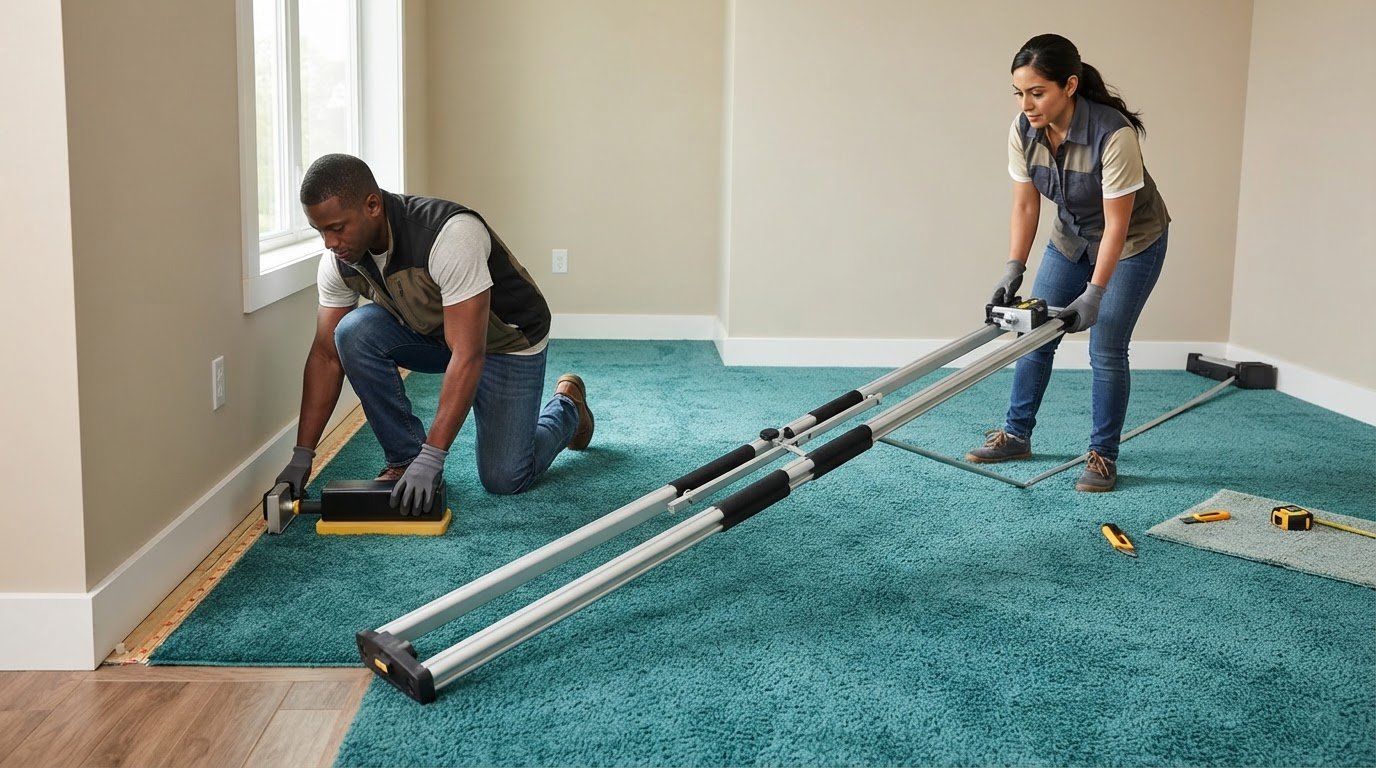
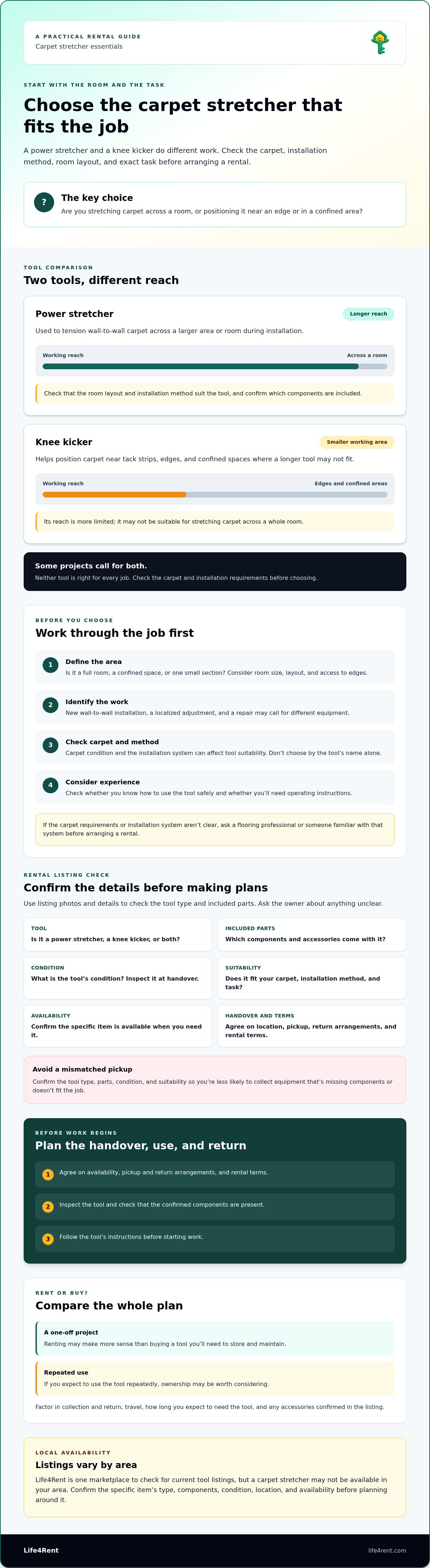
The easiest carpet stretcher to carry may not be the right one for your job. If you plan to rent a carpet stretcher, start with the room and the task: a power stretcher is used to stretch wall-to-wall carpet across a larger area, while a knee kicker helps position carpet near tack strips, edges, and smaller spaces. Some projects call for both.
Before booking, check that the tool is suitable for your carpet and installation method. Confirm what’s included, ask about the tool’s condition, and agree on availability, pickup and return arrangements, and rental terms. These checks can help you avoid collecting equipment that’s missing parts or doesn’t fit the job.
Life4Rent is one marketplace to check for current tool listings, but a carpet stretcher may not be available in your area. If you find a possible match, ask the owner about the tool type, included components, condition, location, and availability before making plans.
Rent a carpet stretcher: understand which tool your job needs
A carpet stretcher tensions carpet during installation so it can be positioned across the floor and secured at the edges. The Carpet stretcher overview describes two common types: power stretchers and knee kickers. Tension helps carpet sit neatly, but the right tool and technique depend on the task, the carpet, and the installation method.
Before you rent a carpet stretcher, define the work. Stretching carpet across a room is different from adjusting a small area, and a tool suited to one task may not suit the other. Consider the room layout, carpet condition, installation system, and your experience before choosing.
Here’s a video showing a carpet stretcher in use:
Power stretcher or knee kicker: what is the difference?
A power stretcher has a longer reach and is used to tension carpet across a room. A knee kicker is smaller and helps position carpet, particularly near edges or in confined spaces where a longer tool may not fit. Some installations use both. Neither is automatically right for every job, so check the carpet and installation requirements before choosing.
Which carpet jobs may need a stretcher?
Installing new wall-to-wall carpet may call for a tool that can stretch carpet across the room. A localized adjustment or repair may involve a smaller working area. However, a knee kicker is not always enough for a repair, and new installations do not all use the same tools.
Ask yourself:
- Does the room layout leave enough space to use a longer tool?
- Are you installing new carpet or adjusting an existing section?
- Does the carpet’s condition or installation system affect the tool choice?
- Do you know how to use the tool safely and follow its instructions?
If you’re unsure about the technique or tool, pause before arranging a rental. Ask a flooring professional or someone familiar with your installation system for advice. Knowing the job requirements can help you choose suitable equipment rather than relying on the tool’s name alone.
Match the carpet stretcher to your room, carpet, and experience
A tool that suits a full-room installation may be awkward or unnecessary for a small adjustment. Start with the task, then check that the carpet and installation method are compatible with the equipment. Choose the tool only after confirming it suits the carpet and job.
| Tool | Possible use | Limit to check |
|---|---|---|
| Power stretcher | Stretching carpet across a room during installation. | Check that the room layout and installation method suit the tool, and confirm what components are included. |
| Knee kicker | Positioning carpet or working in a confined area or near an edge. | It has a more limited reach and may not be suitable for stretching carpet across a whole room. |
What should you consider before choosing a tool?
Work out whether the task covers a full room, a confined space, or one small section. Room size and access to edges affect what you can use. Carpet condition, installation method, and the exact repair matter too. The Carpet and Rug Institute residential carpet installation standard is a useful reference for installation guidance, but check what applies to your particular carpet and system.
Before arranging a rental, consider whether you have experience with the tool and whether you’ll need operating instructions. Ask the owner to confirm that the tool suits your carpet and task, and to specify which components are included. If the carpet requirements or installation system aren’t clear, get advice from a flooring professional rather than guessing.
When is renting more practical than buying?
For a one-off project, renting may make more sense than buying a tool you’ll need to store and maintain. Compare the whole plan, not just the tool: consider collection and return, travel, how long you expect to need it, and any accessories confirmed in the listing. If you expect to use the tool repeatedly, ownership may be worth considering instead.
As you compare options to rent a carpet stretcher, check the listing and ask the owner about suitability, included components, and handover arrangements before planning the work. For broader rent-versus-buy considerations, see this tool rental guide. You can also check current tool listings on Life4Rent, then confirm whether a suitable stretcher is listed and available.
Check a carpet stretcher listing before you arrange the rental
A listing is a starting point, not a full handover. Photos and a description can help you identify the tool type and see what appears to be included, but they can’t confirm current availability or every detail of its condition. Before you rent a carpet stretcher, compare the listing with your project needs and ask the owner about anything unclear.
Don’t rely on a broad category label or assume an accessory is included just because it appears in a photo. Ask the owner to confirm the tool, its components, and the rental arrangements before planning work around it.
Which questions should you ask the owner?
Keep your questions specific. A short written exchange can clarify what you’ll collect and help avoid a wasted trip or equipment that doesn’t fit the job.
- Is the listed tool a power stretcher or a knee kicker, and is it available for the dates you need?
- Which components and accessories are included? Are operating instructions available?
- Where and when can you collect it, and when and how should it be returned?
- What rental duration and terms have you agreed, including any deposit, delivery, protection, or cancellation arrangements?
- What’s the best way to contact the owner if a question comes up during the rental?
Confirm each term directly with the owner. Don’t assume delivery, a deposit, a particular rental period, or protection against damage is included unless it has been clearly stated and agreed.
How can you assess condition at handover?
At collection, compare the actual tool with the listing description and photos. Check the visible parts and agreed accessories for damage or missing components. Ask the owner to explain anything you’re unsure about before taking the tool away.
If you notice existing wear, discuss it with the owner and agree how to record it. For example, you could confirm the condition in writing and take photos for your own reference. A category, description, or listing photo does not prove that the tool is complete or ready for your particular job.
Before leaving, ask the owner to explain any operating instructions you need, especially if you haven’t used that type of stretcher before. Confirm the return time, location, and other agreed terms. These checks help you decide whether the listing is a practical fit before committing.
Prepare to use and return a rented carpet stretcher
A clear plan helps you use the rental within the agreed terms and return it as expected. Before you rent a carpet stretcher, make sure the tool and included components match the job. Agree on return timing and expectations before collection, since arrangements can vary between owners.
What should you do before starting?
Check the tool type and included components against the task. Read any instructions supplied by the owner or manufacturer, and make sure you understand how to operate, stop, and store that specific tool. If anything is missing or unclear, ask before use rather than trying to work it out as you go.
- Confirm the setup: Check that the tool and components match what you arranged to collect.
- Read the guidance: Keep the instructions available and follow the manufacturer’s guidance and the owner’s directions for that tool.
- Prepare the room: Clear the work area and protect nearby surfaces as the carpet installation requires.
Carpet stretchers apply force, so don’t improvise with unfamiliar equipment or use a tool if you’re unsure how to operate it safely. Pause and ask the owner for clarification. If safe operation or the installation technique remains uncertain, seek help from a qualified flooring professional.
What should you confirm before returning the tool?
Agree on return expectations before collection, not after the work is done. Ask the owner how they want the tool cleaned and packed, confirm the return time and location, and clarify how to get in touch if your plans change. Don’t assume a particular cleaning method or return window applies.
Before handing it back, follow the agreed cleaning and packing instructions. Where practical, review the tool with the owner and mention any issue or change in condition. If you spot a problem before returning it, contact the owner promptly and explain what happened rather than leaving them to discover it later.
Agreeing on these details can make the handover easier for both sides. Check current tool listings on Life4Rent if you’re looking for a rental option, then confirm directly with the owner whether a carpet stretcher is listed, available, and suitable for your task.
Find a carpet stretcher to rent through Life4Rent
Life4Rent is a peer-to-peer marketplace for everyday items across categories that include tools. It’s one place to check, not a guaranteed source of a carpet stretcher. Search listings in your area, then confirm the details with the owner before making plans around a particular tool.
A listing may look suitable but leave key questions unanswered. Compare its description with your project checklist: tool type, fit for the room and task, included components, condition, availability, and collection and return arrangements. Review the stated rental conditions directly, since terms can vary by listing.
How do you assess whether a listing fits?
Check whether the listing describes the type of stretcher your job calls for, then ask the owner to clarify anything missing. Confirm that the specific tool is currently available, which components or accessories are included, and how and where the handover will work.
A short, clear message can keep the conversation focused: “I’m working on [brief task] in [area]. Is this a [tool type], is it available for [dates], what’s included, and what collection and return arrangements do you offer?” Agree on the rental conditions with the owner before committing.
What if no suitable listing appears?
Try a broader search area only if the extra travel and collection are practical for your project. If you can’t find a suitable listing, ask a local flooring installer or equipment-rental provider which tool fits your carpet and installation method. That can help you avoid choosing equipment that doesn’t match the job.
Peer-to-peer rentals involve arranging details directly with an item owner. For a wider explanation of the process, read Life4Rent’s peer-to-peer equipment rental guide. It can help set expectations, but you still need to check the listing and agree on the terms for a specific rental.
Ready to check what’s listed in your area? Visit the Life4Rent marketplace and confirm directly whether a suitable carpet stretcher is currently available before scheduling the work.
Choose your tool, then plan the handover
The right carpet stretcher depends on the room, carpet, installation method, and task. A power stretcher and a knee kicker serve different purposes, so confirm which type you need and whether its components are included before arranging a rental.
Before you rent a carpet stretcher, check the listing and ask the owner about availability, condition, collection, return, and instructions. Agree on the rental terms directly, and follow the manufacturer’s guidance when preparing to use the tool. If you’re unsure whether the equipment or technique suits your carpet, ask a flooring professional before starting.
Life4Rent is a multi-category peer-to-peer rental marketplace that connects item owners and renters. It’s one place to check for tools, but a carpet stretcher may not be listed or available in your area. Confirm the specific listing with its owner before planning your project.
Check Life4Rent for current tool listings, then confirm the details that matter. With suitable equipment and a clear handover plan, you can approach your carpet project with fewer surprises.
Frequently Asked Questions
Can I rent a carpet stretcher for one room?
Possibly, if a suitable tool is listed near you and the owner can accommodate your dates. Before you rent a carpet stretcher, confirm whether the job calls for a power stretcher, a knee kicker, or both. Check which components are included, then agree on collection, return, and operating instructions with the owner. Availability varies, so don’t assume every rental provider or marketplace has one.
What is the difference between a carpet stretcher and a knee kicker?
A power stretcher is generally used to stretch carpet across a room, while a knee kicker is smaller and helps position carpet or work in confined areas. They aren’t interchangeable for every task. Your choice depends on the carpet, room, and installation method. Confirm the tool type with the owner before arranging a rental, or ask a flooring professional if the requirements aren’t clear.
Do I need a power stretcher to install carpet?
That depends on the carpet, room, and installation method. Some projects call for a power stretcher, while a knee kicker may help with specific positioning tasks. Room size alone isn’t enough to determine the right tool, since the carpet and installation system also matter. Check the carpet guidance or ask an experienced flooring professional before booking, especially if you’re unsure which technique the job requires.
What should I check before renting a carpet stretcher?
Confirm the tool type, current availability, visible condition, and which components are included. Ask the owner how collection and return will work, whether operating instructions are provided, and what rental conditions apply. At handover, compare the tool with the listing description and raise any visible damage or missing parts before taking it away. Clear answers help you decide whether the equipment and arrangement fit your project.
Can a beginner use a carpet stretcher?
A beginner may need guidance, since incorrect use can affect the carpet or create a safety concern. Read the instructions for the specific tool and ask the owner what guidance is available before you start. Don’t improvise if the equipment or technique feels unfamiliar. If you’re unsure how to operate it safely or whether it suits the installation, consult a flooring professional rather than learning through guesswork.
How do I find a carpet stretcher to rent near me?
Search rental marketplaces and local equipment providers using your area, then check each result for the exact tool type and current availability. Contact the owner or provider to confirm included components, collection and return arrangements, and operating instructions. Life4Rent is a peer-to-peer marketplace for items across several categories, including tools, but a carpet stretcher may not be listed nearby. If no suitable option appears, ask a flooring installer about alternatives.
Is renting a carpet stretcher better than buying one?
For a one-off job, renting may help you avoid buying and storing a tool you rarely use. A purchase may suit someone with repeated projects, but the decision also depends on access, travel, tool condition, and the rental terms available. Compare the practical arrangements for your own project instead of assuming either option is always cheaper or more convenient. Consider how often you expect to use the tool after this job.
Related guides on Life4Rent
Ready to rent instead of buy? See all tools & equipment available to rent on Life4Rent →
Life4Rent
Rent it. Earn from it. Own less, access more.
Browse peer-to-peer rentals near you, or list what you own and start earning — all protected by Life4Rent Protect.
About the author
Amsterdam, Netherlands
Joshua writes about the financial side of renting and earning on Life4Rent. His guides focus on helping people understand the real cost of ownership, calculate rental income potential, and make smarter decisions about buying versus renting. He previously wrote on household economics and personal budgeting for a pan-European finance publication.