Paint Sprayer Rental: A Practical Guide for Home Projects (2026)
April 1, 2026
Published by Life4Rent · Operated by Brohf Software OÜ
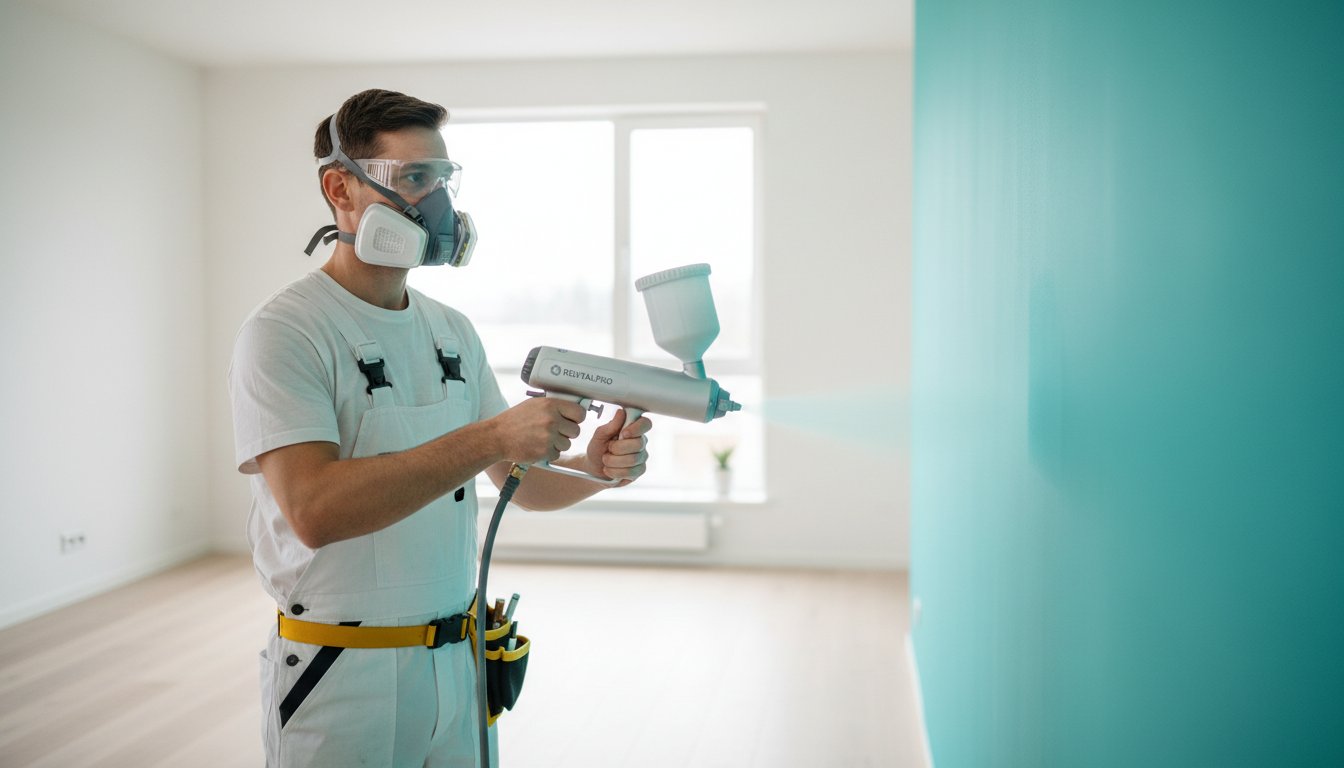
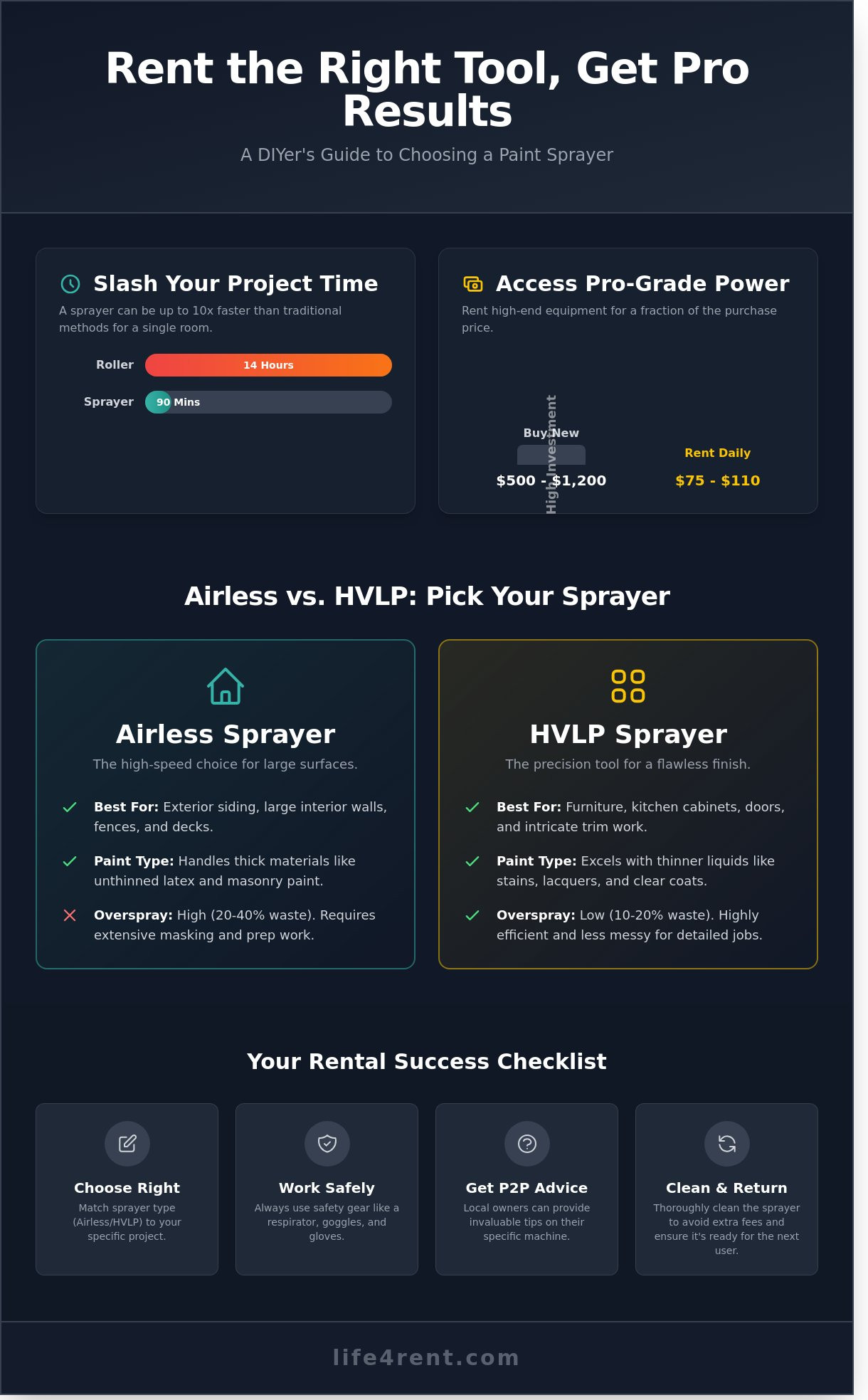
Last May, a DIY enthusiast in Berlin spent 14 hours painting a single room with a roller, only to find visible streaks once the sun hit the walls. A simple paint sprayer rental would have cut that time down to roughly 90 minutes while providing a much more even coat. We often stick to brushes because they feel familiar, even when they aren't the most efficient tool for the job.
It's true that the thought of managing overspray or dealing with complex machinery can be intimidating. You want a professional look for your home project, but you likely don't want to invest in expensive equipment that you'll only use once every few years. Most people just want to get the job done over a single weekend without the headache of a massive cleanup.
You'll learn how to pick the right model for your specific surface, operate it safely, and clean it properly to avoid any unexpected rental charges. This breakdown covers the practical side of using peer-to-peer marketplaces to get professional results on a realistic budget.
The benefits of a paint sprayer rental for DIYers
Most homeowners find that the timeline of a manual painting project is the biggest obstacle to finishing a renovation. A professional airless sprayer finishes a surface roughly 10 times faster than a standard brush or roller. You can cover a 2,000-square-foot exterior in a single weekend rather than stretching the work over several Saturdays.
Professional-grade sprayers from brands like Graco or Titan usually cost between $500 and $1,200 at retail. A daily paint sprayer rental typically costs between $75 and $110 in most European cities. This approach is more economical for one-off projects where you need high-pressure performance without a large upfront investment.
You'll also avoid the long-term maintenance headaches that come with owning these machines. Owners often face pump seal failures or hardened paint clogs if the equipment sits in a garage for six months without use. Rental units are serviced between every customer, so you get a tool that's ready for immediate work. It's a practical way to access specialized gear for specific tasks like staining a deck or refreshing house siding.
Why renting beats buying a cheap model
You might see entry-level sprayers for $100 at local hardware stores. These units usually lack the motor power to spray unthinned latex paint, which results in a textured "orange peel" finish. Professional rentals provide the 3,000 PSI needed for a smooth coat. You won't have to find permanent storage space for a bulky machine in your shed after the project ends.
Common projects that require a sprayer
- Exterior siding and brick: Rough surfaces consume rollers quickly, but sprayers reach into every crevice and mortar line in seconds.
- Fences and decks: A 50-meter wooden fence takes hours with a paint sprayer rental compared to several days with a brush.
- Interior ceilings and trim: High ceilings are easier to reach with an extension wand, and intricate trim work receives a factory-like finish without visible brush strokes.
Specific tasks require different tips and pressure settings. Most rental platforms allow you to choose a machine tailored to your exact material, whether it's thick masonry paint or thin wood stain. This flexibility ensures you don't compromise on the quality of the finish just because you're doing it yourself.
Airless or HVLP: Pick the right tool for your project
The machine must match the material and the square footage of your job. Airless sprayers handle thick latex paint for 2,000 square foot exteriors. HVLP units are better for a 15-piece kitchen cabinet set. Most tool on rent listings describe the specific capabilities of the motor and nozzle.
When to choose an airless sprayer
Airless sprayers are the standard for large-scale tasks like house exteriors or long fences. These machines use high pressure to push paint through a small tip, which atomizes the liquid into a fan pattern. You can pull paint directly from a 19-liter bucket. This saves time because you don't have to stop to refill a small cup every 10 minutes.
Overspray is the trade-off here. About 20% to 40% of the paint might drift away from the target surface. You'll spend several hours masking windows, shrubs, and floors with plastic sheeting before you pull the trigger. If you have a 300 square meter wall to cover, the speed of a paint sprayer rental makes this prep work worth the effort.
When HVLP is the better option
High Volume Low Pressure (HVLP) systems provide a furniture-grade finish on cabinets and doors. These tools use a high volume of air at a lower pressure to carry the paint. This results in a softer spray that's easier to control. You'll waste much less material, as about 80% to 90% of the paint actually sticks to the wood.
HVLP units work best with thinner liquids. Stains, clear coats, and lacquers flow through these nozzles without clogging. If you want to paint a vintage oak dresser, this is the right tool. You can check the available local listings to find a unit that includes various needle sizes for different finishes.
Pick a model based on the tip size. A .015 tip is common for interior walls, while a .011 tip works for stains. Most owners on the marketplace can tell you which tips they include with their paint sprayer rental. This helps you avoid buying extra accessories for a one-day project.
Local P2P rentals vs. big-box stores
Commercial rental centers usually focus on high-volume turnover. You'll likely receive a machine that has worked on hundreds of different sites, and the staff may not have used it personally. Peer-to-peer marketplaces offer a more personal experience. Owners on Life4Rent often provide practical tips based on their own home renovation projects.
You can often find peer to peer equipment rental options within 3 to 5 miles of your home. This saves you a long trip to a distant warehouse. You should inspect the condition of the equipment before you leave. If the previous user didn't flush the system properly, you might face clogs within the first ten minutes of your paint sprayer rental. A professional paint sprayer rental from a local owner usually includes a more thorough walkthrough of the specific unit.
You should verify these items during the handoff:
- Check the spray tip for any visible dried paint residue.
- Look for cracks or stiff sections in the high-pressure hose.
- Ensure all gaskets and O-rings are present in the gun assembly.
Comparing the costs and terms
Commercial stores often enforce strict 4-hour or 24-hour rental windows. If you miss the deadline by 30 minutes, you might face a late fee equal to half the daily rate. Individual owners usually offer more flexible pickup and drop-off times. This flexibility helps you manage a project that takes longer than expected due to humidity or prep work.
A typical professional-grade airless sprayer might cost $75 to $110 per day at a national chain. On a P2P platform, you could find the same model for $55 to $80. Standard security deposits are common on all platforms, so ensure you understand the cleaning requirements to get your money back.
The value of local advice
A neighbor who rents out their sprayer can give you advice on which spray tip works best for specific local paint brands. They might include additional accessories like 20-inch extension poles that big-box stores often rent as separate items for $15 a day. You should ask the owner when they last replaced or cleaned the filters.
Clean filters are essential to maintain consistent pressure and prevent uneven coats on your walls. Most P2P owners are happy to show you how to prime the pump. This ensures the machine is ready for immediate use once you get home. This level of detail is rarely available at a busy commercial counter.
How to set up and use a rented paint sprayer
Proper setup ensures the machine doesn't lose its prime during the job. You'll need to cycle the pump until the paint flows in a steady stream without air pockets. These air bubbles often lead to uneven pressure and clogs that stop your progress. Your paint sprayer rental will perform better if you keep the intake valve fully submerged at all times.
You must wear a NIOSH-rated respirator and wraparound eye protection. Paint mist is fine enough to stay airborne for several minutes, so lung protection isn't optional. You should always test the spray pattern on a large piece of cardboard. This allows you to adjust the pressure dial until the spray is consistent. If the edges of the spray look like heavy lines, the pressure is too low. You'll want a soft, feathered edge for the best results on your actual surface.
Preparation and masking
Mask every surface within a 10-foot radius of your work zone. Paint dust travels on light drafts and can settle on furniture or floors unexpectedly. You should use 48-inch plastic sheeting and high-quality blue painter's tape to protect your ceilings and baseboards. It takes about 45 minutes to mask a standard room, but it saves hours of cleaning later. Small particles in the paint will block the spray tip within seconds. You can prevent this by pouring your paint through a 60-mesh nylon strainer bag before you start the pump.
The spray technique for even coverage
You must keep the spray gun at a consistent distance of 10 to 12 inches from the wall. Move your entire arm and shoulder to keep the gun parallel to the surface. You'll create thin spots and thick "tails" if you fan the gun with your wrist. Each pass should overlap the previous one by exactly 50 percent to avoid "tiger stripes."
You should release the trigger at the end of every stroke. This habit prevents paint from piling up when you change directions. A standard 12-foot wall usually requires about four or five vertical passes. If you need a reliable paint sprayer rental for your next home improvement, you can browse listings from local owners on the life4rent.com peer-to-peer marketplace.
Clean and return: Avoid extra fees and clogs
Your deposit depends on the state of the equipment when it goes back to the owner. A paint sprayer rental involves high-pressure components that fail if paint dries inside them for even 4 hours. You'll likely face a cleaning fee of 40 to 80 Euros if the pump is clogged when you return it.
Owners on peer-to-peer platforms expect the tool to look like it did on day one. A clean machine ensures the next user can start their project without troubleshooting old debris. Always check the specific manual provided in the listing for flushing requirements before you start the teardown.
Flush the system thoroughly
You need to run cleaning fluid through the pump until it's completely clear. This process typically requires 10 to 15 liters of liquid to ensure no residue remains in the internal valves. Follow these steps to protect the hardware:
- Use soapy water for latex-based paints or mineral spirits for oil-based products.
- Scrub the spray tips and guards with a soft nylon brush instead of wire tools.
- Remove the mesh filter from the gun handle to rinse out trapped particles.
Metal needles or wire brushes can damage the 0.015-inch orifice of the spray tip. If you deform this opening, the machine will produce an uneven finish for the next user. You should also check the intake strainer at the bottom of the suction tube for any dried skin from the paint bucket.
Final inspection and return
Use a damp rag to wipe the exterior housing and the length of the hose. Paint drips on the motor casing can bake on due to operating heat. A quick 5-minute wipe-down keeps your paint sprayer rental looking professional and prevents permanent staining on the plastic components.
Coil the hose in large, 60-centimeter loops to prevent internal kinks. Tight coils can weaken the lining and cause a burst under 3,000 PSI of pressure. You should avoid using tape to secure the hose, as the adhesive leaves a sticky residue that attracts dust.
Tell the owner if you noticed any weird noises or pressure drops during your work. Honest feedback helps them manage maintenance before the next booking starts. This transparency builds trust within the community and ensures the equipment stays reliable for everyone.
Get Your Home Project Moving
Your choice between an airless unit for exterior walls or an HVLP system for kitchen cabinets depends on the specific finish you want. You'll save around 25% on daily rates by choosing a peer-to-peer paint sprayer rental instead of visiting a traditional hardware store. Owners on the platform are peer-reviewed; you can check the last 10 ratings before you book a pickup in cities like Tallinn or Chicago. This helps you find reliable equipment without the high retail markup.
You should set aside at least 30 minutes for cleaning the pump and hoses at the end of the day. It's a simple step that helps you avoid the standard $40 cleaning penalty many owners include in their terms. Life4Rent provides a secure platform where you can message owners directly about their specific nozzle sizes or hose lengths. This approach keeps your project costs low while giving you access to professional tools that usually cost over $600 to purchase new. Use these tips to finish your painting job faster and with less physical strain.
Find a paint sprayer rental near you on Life4Rent
Good luck with your home renovation and enjoy the results of your hard work.
Frequently Asked Questions
Do I need to thin the paint before using a rental sprayer?
You need to check the paint type because airless sprayers usually handle latex without any thinning. HVLP units require you to thin the material by 10% to 20% with water or mineral spirits to ensure it flows through the nozzle. Most rental kits in Europe include a viscosity cup so you can test the flow rate before you start.
How much does a paint sprayer rental typically cost per day?
You can expect to pay between €40 and €95 per day for a professional-grade paint sprayer rental in major European cities. Weekly rates often provide a 20% discount compared to the daily price. Most owners on peer-to-peer platforms require an extra €15 for a cleaning deposit to ensure the machine returns in good condition.
Can I use a paint sprayer to stain my wooden deck?
You'll find that a sprayer is efficient for decks because it reaches into the gaps between boards that brushes miss. You'll save about 3 hours of labor on a standard 20-square-meter deck compared to manual application. You should use a smaller tip size, like a 311 or 313, to manage the thinner consistency of wood stains without wasting material.
What happens if the rental sprayer clogs while I am using it?
You can clear most clogs at the spray tip in seconds by rotating the reversible tip 180 degrees and pulling the trigger. If the blockage persists, you'll need to check the manifold filter or the intake screen for dried paint chunks. You'll prevent about 85% of clogs if you strain your paint through a fine mesh bag before you fill the reservoir.
Is it difficult to clean a paint sprayer after the job is done?
It takes roughly 30 to 45 minutes to thoroughly flush a rental unit, which is a small trade-off for the time saved during application. You'll need to run clear water or solvent through the system until the discharge is completely transparent. If you return a dirty machine, owners on platforms like Life4Rent will likely charge a cleaning fee ranging from €30 to €50.
What safety equipment do I need when using an airless sprayer?
You must wear a respirator with P100 filters and safety goggles to protect against paint mist and high-pressure injection injuries. Airless sprayers operate at pressures up to 3,000 PSI, which is strong enough to pierce skin. You should wear long sleeves and gloves to keep overspray off your body, as 60% of DIY users report skin irritation when working without protection.
Can I use a paint sprayer for a small room or is it too messy?
You can use a sprayer in a small room, but you'll spend about 70% of your time on prep work like taping and masking. The high speed of a paint sprayer rental produces a fine mist that settles on every uncovered surface within 3 meters. For a single 10-square-meter bedroom, a traditional roller is often more practical than the extensive masking required for spraying.
How do I prevent overspray from hitting my neighbor's house?
You should use cardboard shields and plastic sheeting to protect areas within a 5-meter radius of your workspace. You'll want to avoid spraying if wind speeds exceed 15 kilometers per hour, as gusts carry particles onto neighboring property easily. You'll get more control by keeping the spray gun 30 centimeters from the wall and moving in straight lines to maintain a consistent application path.
Life4Rent
Rent it. Earn from it. Own less, access more.
Browse peer-to-peer rentals near you, or list what you own and start earning — all protected by Life4Rent Protect.
About the author
Stockholm, Sweden
Stella researches and writes about sustainable consumption and the circular economy for the Life4Rent Renting Academy. She previously worked at a Nordic sustainability research institute studying how access-over-ownership models reduce household CO₂ emissions, and translates that research into practical guides for everyday renters.