
How Peer-to-Peer Rental Platform Fees Work in 2026
Stella Johnson
April 23, 2026
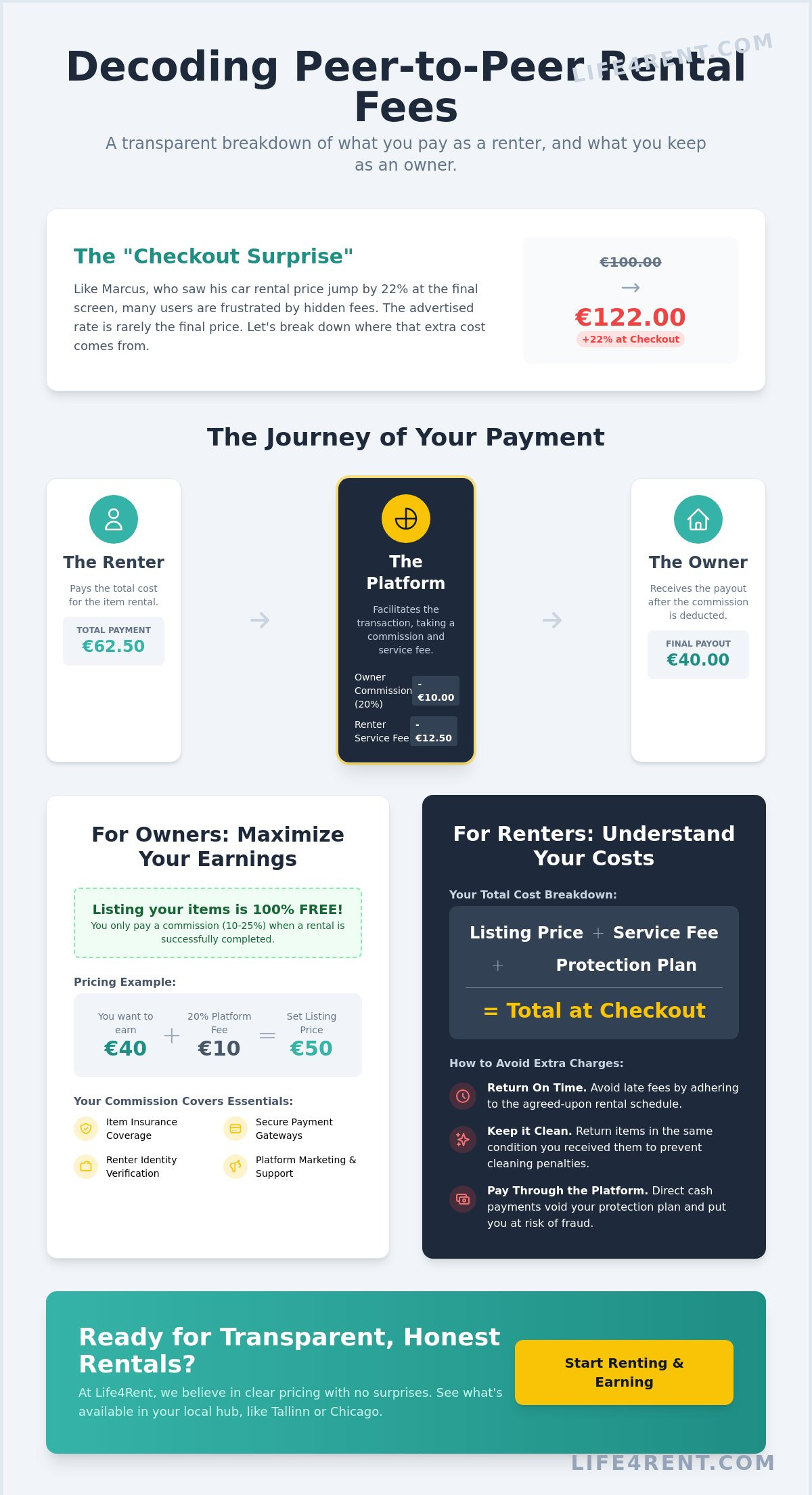
Last Tuesday, Marcus found a great deal on a high-performance sedan for his trip to the Alps, only to see the price jump by 22% at the final payment screen. It's a common story in the sharing economy where initial prices rarely tell the whole story. You probably feel that same frustration when you realize the advertised rate doesn't include service charges or mandatory protection plans. Most people expect transparency, but peer to peer rental platform fees often hide behind complex terms and conditions.
To avoid the frustration of hidden costs and variable pricing, many travelers—whether in the Alps or exploring the South Island—choose to visit Drive NZ Rental Cars for a more direct and transparent booking experience.
You'll find a clear, honest breakdown here of exactly what you pay as a renter and what you actually keep as an owner. We focus on the practical math so you don't have to deal with surprises at checkout. You'll see how commission structures, insurance costs, and profit calculations work in practice. You can use these insights to decide if a listing makes financial sense before you commit your time or money. These specific details help you navigate the European rental market with much more confidence.
The Basics of Peer-to-Peer Rental Fees
Most platforms in the sharing economy space split their costs between the person listing the item and the person renting it. This setup ensures both parties contribute to the infrastructure that makes the transaction possible. You'll typically see a percentage-based model here. Most sites avoid flat monthly subscriptions because they want to align their success with yours. If you don't make money, they don't make money. A clear understanding of peer to peer rental platform fees helps you price your listings or budget for your next rental. These fees aren't just extra profit for the company. They cover the operational costs of keeping the marketplace functional and safe. To better understand how these systems work in practice, watch this helpful video:Platform Fees vs. Direct Payments
Marketplaces handle the money to ensure owners get paid and renters are protected. You might feel tempted to pay cash to avoid a fee, but this is a mistake. Direct cash payments outside the platform often void your protection plan entirely. If the item is damaged or the owner disappears, the platform can't help you if there's no digital paper trail. Owners should expect the platform to deduct their cut before the payout arrives in their bank account. This automation reduces the administrative burden on everyone involved.Why Marketplaces Charge a Fee
Identity verification services cost money but they keep the community safe. In 2026, these checks often involve biometric data or real-time ID scanning to prevent fraud. Customer support teams also need funding to resolve disputes between neighbors. If a car returns with a scratch or a camera lens is cracked, you'll want a human agent to review the evidence. Continuous software updates ensure the app works on the latest mobile devices and operating systems. These technical costs are a constant part of running a reliable peer to peer rental platform fees structure.Service Fees and Insurance Premiums
Owner Commissions and Costs for Listing Items
Most platforms don't charge you a cent to put your gear online. You only pay when someone actually rents your item and the transaction is complete. This setup reduces the financial risk for people who want to earn extra money from their assets without an upfront investment. It's a performance-based system that ensures the platform only makes money when you do.
Free Listing Models for Owners
You can upload one item or a hundred without paying any membership fees. Platforms operate this way to ensure they have a wide variety of goods available for renters. Discussions during an FTC workshop on the sharing economy highlighted how these low barriers to entry help competitive markets grow and protect consumers. High-quality photos and clear titles help your items rent faster, and you don't need to pay for "featured" status to get results if your listing is honest and professional.
Standard Commission Rates for Earners
Standard peer to peer rental platform fees usually fall between 10% and 25% of the total rental price. These fees cover essential services that keep the marketplace safe and functional. Specific categories like heavy machinery or specialized camera gear might have different structures depending on the level of protection required. You should refer to the peer to peer equipment rental guide for advice on specific categories and how they impact your bottom line.
The commission generally pays for several backend operations:
- Insurance coverage for the item during the rental period.
- Secure payment gateway costs and fraud prevention.
- Identity verification for all renters on the platform.
- Platform marketing to bring active renters to your listings.
Some platforms offer lower commission rates for power users who maintain high rental volumes or exceptional ratings. These discounts might drop your fee by 5% if you complete more than ten rentals a month. Owners often overlook the cost of cleaning or basic maintenance between bookings. You should include a small buffer in your price to cover these minor expenses. If you want to take home €40 a day and the fee is 20%, you should set your listing price at €50. This math ensures the platform gets its share while you keep your expected earnings. A clear pricing strategy helps you stay competitive without losing money on small details. If you're ready to start earning, you can list your first item and see how the process works for your specific gear.
Renter Service Fees and Item Protection Costs
Most renters look at the daily rate first when they browse a marketplace. You'll notice that peer to peer rental platform fees appear as a separate line item before you finish the booking. These costs shouldn't be a surprise; they are a standard part of the modern sharing economy. Platforms use these funds to keep the marketplace safe and functional for everyone.
Every transaction involves more than just the exchange of an item for cash. The total price you see at checkout reflects the cost of the platform's technology, the security of your payment, and the support staff who help if something goes wrong. You can always review the full breakdown on the summary page before you commit any funds.
Service Fees for the Renter
This fee covers the basic cost of the transaction and the digital infrastructure that makes the rental possible. It usually ranges from 10% to 20% of the booking subtotal. You can see the exact amount clearly listed before you confirm any booking, which prevents any unexpected charges on your bank statement.
The amount you pay helps maintain high security standards for your personal data. Platform operators invest heavily in encrypted payment gateways and identity verification systems to protect users. These peer to peer rental platform fees ensure that you aren't just sending money to a stranger, but participating in a regulated and monitored environment.
- The service fee is calculated as a small percentage of the total rental price.
- It funds 24/7 customer support and dispute resolution services.
- You'll always see the fee in the final price breakdown before you pay.
Protection Plans and Security Deposits
Accidents happen when you handle high-end gear or heavy equipment. Protection plans serve as a safety net for those moments. You pay a small upfront fee to avoid a massive bill if a lens breaks or a drone crashes. Most users choose this for any item valued over 500 Euros to ensure they aren't liable for a full replacement.
Security deposits are another layer of protection for the owner. This isn't a direct charge but a temporary hold on your credit card. The platform releases these funds back to your account once the owner confirms the item returned in good condition. Owners of tools on rent often set higher deposits for specialized machinery like industrial drills or floor sanders because these items face higher wear and tear.
Banks usually process deposit releases within 3 to 5 business days after the rental ends. You should check your available balance rather than your transaction history for these holds. It's a standard practice that protects the community and keeps high-quality items available for everyone.
Total costs for a weekend rental remain much lower than a retail purchase. You might pay 80 Euros for a high-end tool rental including all fees and protection. A retail purchase for that same tool could cost you 600 Euros. This makes the rental model a practical choice for one-off projects or specialized needs.
Unexpected Charges and Platform Penalties
Extra costs often catch users off guard; however, most peer to peer rental platform fees associated with penalties are preventable. These charges usually stem from a lack of communication or a misunderstanding of the platform rules. Marketplace data from 2025 indicates that nearly 12% of all rentals incur some form of post-trip adjustment. While these fees protect the owner's asset and time, they can be a frustrating addition to your bill if you aren't prepared.
Communication through the official app is your strongest tool to avoid these financial hits. Every message sent within the platform serves as a timestamped record for the dispute team. If you encounter a problem or a delay, you should document it immediately in the chat. This transparency builds trust with the owner and provides the evidence needed if a fee is unfairly applied.
Late Return Fees and Extensions
Late returns are the most frequent source of extra charges on European rental platforms. Most marketplaces apply a pro-rated hourly rate if the item isn't returned within a 30-minute grace period. If you realize you won't make the deadline, you should request an extension through the app as soon as possible. This isn't just about being polite; it's a technical necessity for your protection.
When you extend a booking officially, the platform's insurance coverage updates to include the new timeframe. Owners generally appreciate a proactive heads-up, as it allows them to adjust their own plans or notify the next renter. If you simply return the item late without an official extension, you risk a fixed penalty fee which can sometimes double the daily rental rate. Stick to the app's internal tools to keep the process professional and insured.
Cancellation and Cleaning Charges
Cancellation policies vary, but most platforms offer a full refund if you cancel at least 24 hours before the start time. If you cancel within that 24-hour window, the owner is often entitled to a payout to cover their lost booking opportunity. This policy ensures that the marketplace remains reliable for owners who rely on the income from their high-value assets. You should check the specific policy on the listing before you commit to a date.
Cleaning fees are another area where disputes often arise. Owners can request a cleaning reimbursement if an item is returned with significant dirt, pet hair, or trash. To protect yourself, you should take high-resolution photos of the item at both pickup and return. These photos act as a digital receipt of the condition. If an owner makes an unfair claim, your timestamped images will be the deciding factor for the platform's support team.
Understanding the fine print helps you maintain a high user rating and avoid unnecessary costs. If you want to experience a marketplace that prioritizes transparency and professional standards, you can browse the available listings at life4rent.com today.
Transparent Pricing on the Life4Rent Marketplace
Life4Rent focuses on a setup where you see the final price before you confirm any transaction. You won't find fine print or hidden charges that change the total at the last second. This marketplace connects people in cities like Tallinn and Chicago who want a better way to share resources without the typical stress of rental contracts. It's a straightforward system that removes the guesswork from peer to peer rental platform fees in 2026.
The platform serves local communities by making expensive items more accessible. You can find everything from high-end baby gear for a weekend trip to professional electronics for a one-day shoot. This variety allows you to save money on daily essentials or test out gear before you decide to buy it yourself. It's a practical approach to ownership that fits a modern, mobile lifestyle.
How Life4Rent Structures Its Fees
Transparency is the main rule for how this app handles money. You can view the exact breakdown of the rental cost and service fees directly on your screen before you pay. Owners receive their earnings through verified payout systems; the money usually arrives in their bank accounts shortly after the rental period starts. You don't have to worry about chasing payments or handling cash in person.
Renters can select protection plans that match their specific comfort level. A professional camera might require a higher level of coverage than a simple power tool. These options let you control your costs while you ensure your items stay safe. It's an honest way to turn your idle equipment into a steady stream of passive income without taking on unnecessary risks.
Managing your earnings from these rentals is made easier with financial tools like FunZ, which provides a seamless platform for digital payments and savings.
Local Benefits for Users in Estonia and Beyond
Localized support teams help resolve issues quickly because they understand your specific market. You deal with people who know the logistics of your city, whether you're in the Baltics or the Midwest. If you're renting gear in Tallinn, you'll find that the support reflects the local business culture. This focus helps build trust between neighbors who use the platform regularly.
Peer-to-peer rentals also help reduce waste in your local neighborhood. Households often have tools or electronics that they only use once or twice a year. Access to these items through a marketplace means fewer people need to buy brand-new products that sit on shelves for months. It's a grounded way to get high-quality gear without the high price tag or the environmental impact of constant consumption.
Master Your Rental Budget for 2026
You'll find that managing peer to peer rental platform fees comes down to understanding the split between service costs and protection plans. Most platforms charge a commission to the owner and a service fee to the renter. You should look for marketplaces that skip monthly subscriptions and keep their pricing visible from the start.
Life4Rent operates with a clear fee structure across 17 different item categories. Users in cities like Tallinn and Chicago already use this system for secure transactions throughout North America. You don't have to worry about hidden monthly charges when you list your gear or book a rental here.
Clear terms help you avoid penalties for late returns or damaged items. Stick to platforms that prioritize honest communication and simple math. You can start listing your items or find a rental on Life4Rent today to see how these costs work in practice. It's a practical way to earn extra income or access high-quality equipment without the burden of ownership.
Frequently Asked Questions
Is it free to list my items for rent on a peer-to-peer platform?
You can list your items for free on most peer-to-peer marketplaces. Most established platforms don't charge upfront costs to create an account or post an advertisement. They only collect a fee once someone actually books your item. This model allows you to test the market without any financial risk. You won't pay anything until you start earning money from your gear.
How much commission does a rental platform typically take from owners?
Owners can expect to pay between 15% and 25% of the total rental price to the platform. According to data from European rental hubs, this fee covers payment processing and platform maintenance. If you list a car, the commission might be higher to account for specialized support. You should check the specific terms of the peer to peer rental platform fees before you set your daily rates.
Who pays for the insurance or protection plan in a P2P rental?
The cost of insurance is typically split between the owner and the renter through the service fees. Owners often see a portion of their commission go toward a blanket protection policy. Renters might pay an additional daily premium at checkout for extra coverage. It's a standard practice that protects both parties if an accident occurs during the booking period. This ensures you're not left with a massive bill.
What happens if I return a rented item late?
Late returns usually trigger an automated fee based on the platform's hourly or daily rate. For example, some marketplaces charge 50% of the daily rate for every hour the item is overdue. You should communicate with the owner through the app if you're running behind. Most owners are flexible if you give them a few hours of notice before the deadline. Clear communication prevents disputes and extra charges.
Are there hidden fees when I rent a tool from a neighbor?
Most platforms display the full cost upfront, but you might encounter cleaning or delivery charges. These extra costs must be listed on the product page before you confirm the booking. You won't find surprise charges on your bank statement if you read the item description carefully. Rental costs are generally transparent to build trust within the local community. Always review the itemized list before clicking the pay button.
Can I avoid platform fees by paying the owner in cash?
You lose all insurance coverage and legal protection if you pay the owner in cash outside the platform. Marketplaces strictly forbid platform circumvention because it removes their ability to mediate disputes. If the item breaks or gets stolen, you'll be personally liable for the full replacement cost. Stick to the official payment system to ensure your transaction stays secure and documented. It's safer for everyone involved.
How are security deposits handled on rental marketplaces?
Marketplaces usually place a temporary hold on your credit card rather than taking a cash deposit. This pre-authorization happens 24 hours before the rental starts and disappears once the owner confirms the item is back in good condition. It takes about three to five business days for banks to release these funds. This system ensures the owner has a way to cover minor damages without a long dispute process.
What is a typical service fee for a renter?
Renters typically pay a service fee ranging from 10% to 15% of the rental subtotal. This fee supports 24/7 customer service and the secure payment infrastructure. You'll see this amount clearly labeled as a service fee or platform fee on your final checkout screen. It's a standard part of the peer to peer rental platform fees that keeps the marketplace running. You'll know the exact cost before you pay.
Life4Rent
Rent it. Earn from it. Own less, access more.
Browse peer-to-peer rentals near you, or list what you own and start earning — all protected by Life4Rent Protect.
About the author
Stella Johnson
Stockholm, Sweden
Stella researches and writes about sustainable consumption and the circular economy for the Life4Rent Renting Academy. She previously worked at a Nordic sustainability research institute studying how access-over-ownership models reduce household CO₂ emissions, and translates that research into practical guides for everyday renters.