Garden Tiller Rental Guide for Homeowners in 2026
Philip Edward
September 7, 2026
The local hardware store might charge you over $75 a day for a garden tiller rental, but that heavy commercial unit is often more than your flower beds actually need. Most people assume they have to pay premium retail prices and figure out how to haul a 200-pound machine without a truck. It doesn't have to be that complicated or expensive.
You've likely felt the frustration of staring at hard, compacted soil while wondering if a front-tine or rear-tine model is the right choice. It's common to worry about overspending on a tool that sits in the garage for 364 days a year. Many homeowners just want a simple way to get the job done without the hassle of traditional rental contracts.
You'll learn how to pick the perfect machine for your specific soil type and how to save money by using peer-to-peer marketplaces like Life4Rent. We'll look at the differences between cultivators and tillers so you don't waste effort on the wrong gear. Everything from soil preparation tips to finding a nearby rental is covered here to ensure your garden thrives.
Garden Tiller Rental Basics for Homeowners
You'll find that soil preparation is often the most physically demanding part of any gardening project. Tillers do the heavy lifting by turning over compacted earth and blending in compost or manure to improve drainage. Most home gardeners only need this level of power once in the spring to prep beds and perhaps again in the autumn to work in organic matter before the ground freezes.
A machine purchase means you have to find space in the shed for a bulky piece of equipment. It also requires regular engine maintenance, like changing the oil and stabilizing the fuel over the winter months. A garden tiller rental lets you skip the long-term storage and high upfront costs of a tool you'll rarely use. It's a practical choice that keeps your garage organized and your budget on track.
Front-Tine Tillers for Small Garden Beds
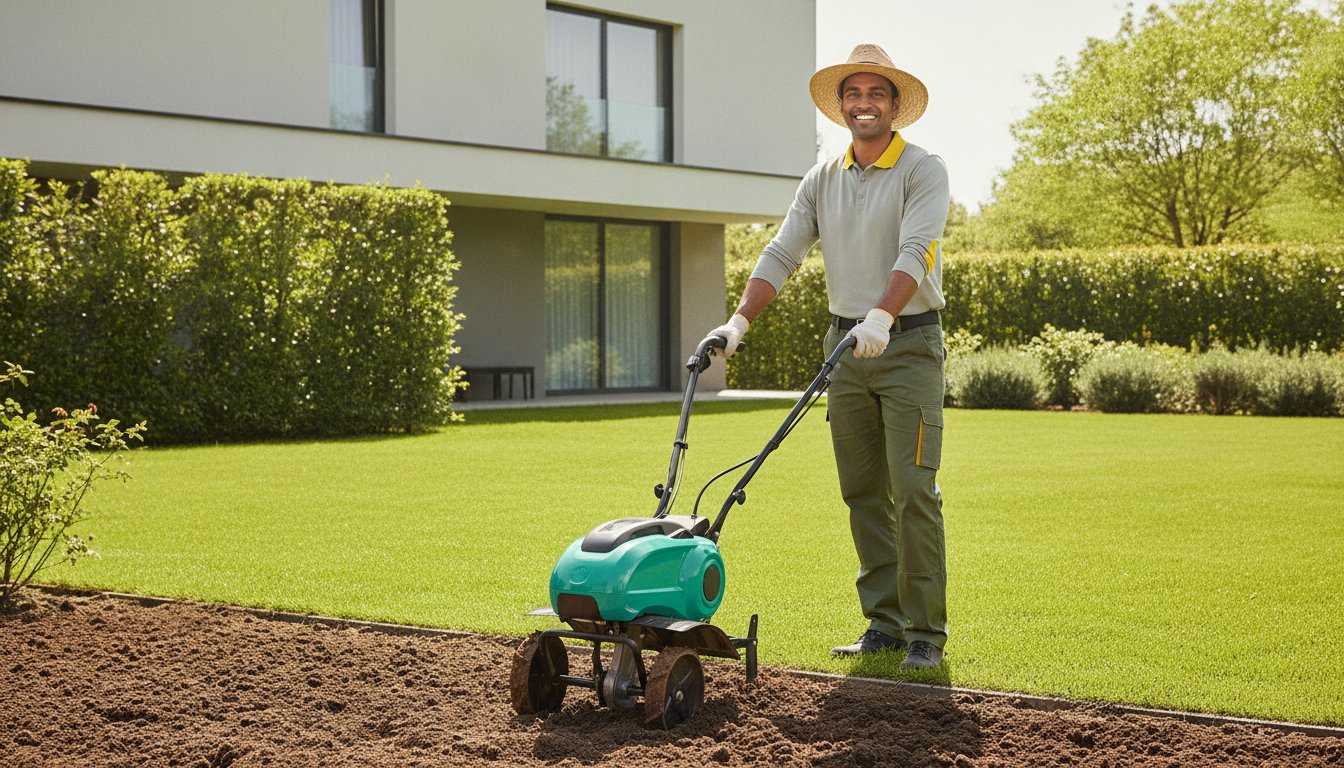
These machines feature tines at the front that pull the unit forward as they rotate. They work best for established garden beds where the soil is already relatively loose and free of heavy sod. You'll appreciate how light they are compared to larger models. Most front-tine units fit into the trunk of a standard car, which makes transport much easier. Wheels at the back provide a pivot point so you can steer through narrow rows without damaging nearby plants.
Rear-Tine Tillers for Heavy-Duty Sod Busting
New ground requires a machine with more weight and torque. Rear-tine units use large, treaded tires to drive the machine forward while the tines work independently at the back. Many of these rotary tillers feature counter-rotating tines. This means the tines spin in the opposite direction of the wheels, which helps the machine dig deeper into hard clay or rocky soil. It's the best choice if you're turning a patch of lawn into a vegetable plot for the first time.
Local listings on Life4Rent connect you with individuals in your community who have the tools you need. This is a practical alternative to commercial outlets that often have limited stock during the busy spring season. You can often find a garden tiller rental right in your neighborhood, which saves you a long trip to a big-box store and avoids the hassle of transporting heavy gear across town.
Different Types of Tillers for Every Soil Job
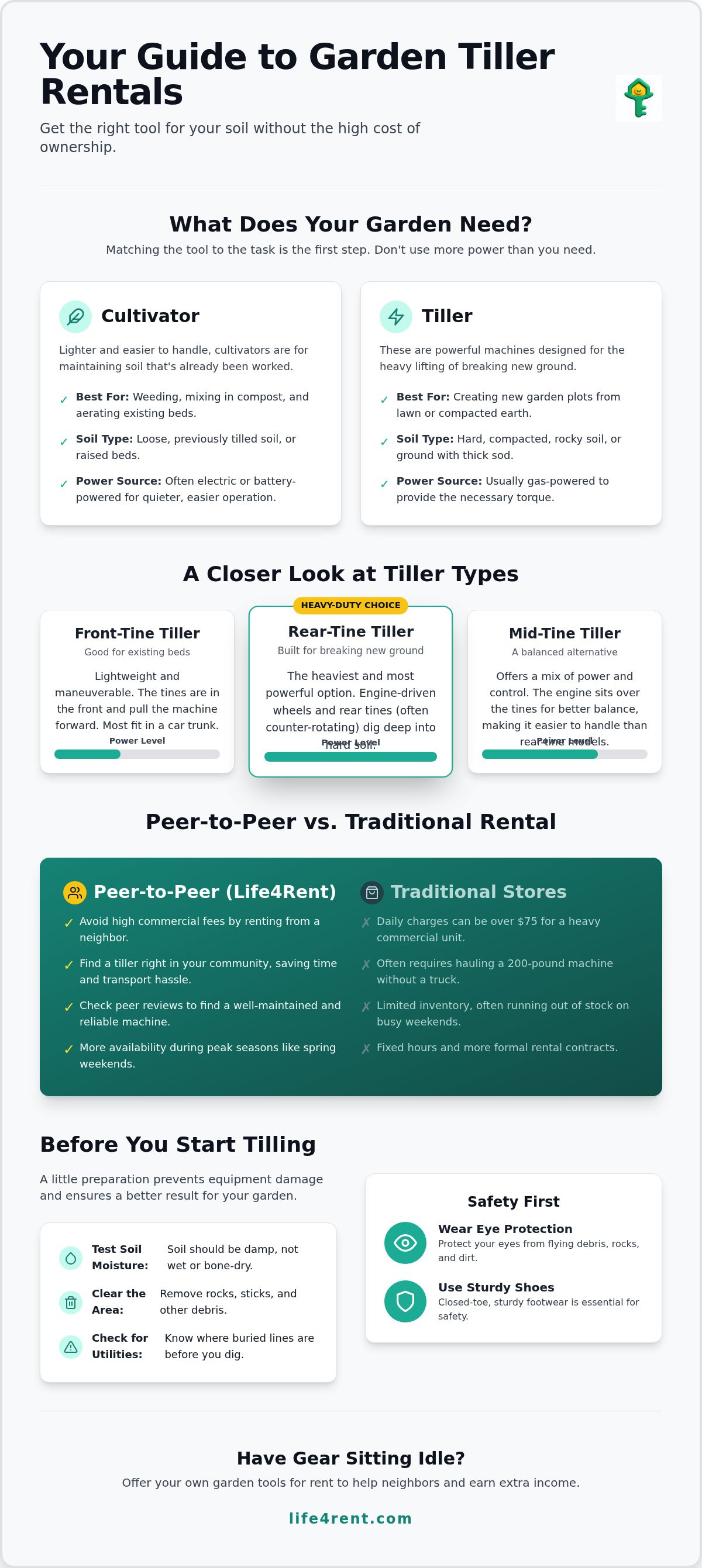
A heavy rear-tine machine on a small flower bed is usually overkill, but a small cultivator will struggle against hard clay. You need to match the machine's power to your specific soil conditions to avoid wasting time and money. Most people find that the right garden tiller rental depends on whether they're maintaining an existing bed or breaking new ground. The physical toll of using the wrong tool can ruin a weekend of gardening, so it's worth choosing carefully.
Mid-tine models place the engine directly over the tines. This design provides a helpful balance between the raw power of rear-tine units and the nimble feel of front-tine models. Gas-powered units are still the standard for stubborn, dry earth because they provide the necessary torque. If you're working in a quiet neighborhood or have a small patch of loose soil, electric or battery-operated tillers are much quieter and easier to manage. Modern batteries for these tools often last long enough to finish a standard 100-square-foot bed on a single charge.
Select a Cultivator for Maintenance
Cultivators are lightweight machines ideal for raised beds or small garden patches. Their tines rotate at a slower speed, which helps you mix in compost or pull up shallow weeds without damaging the roots of your vegetables. Most electric models start with a simple button press. They don't require you to mix fuel or pull a heavy starter cord, making them a practical choice for quick weekend tasks.
Choose a Heavy-Duty Tiller for New Projects
New garden plots often sit on top of thick grass and compacted soil. You'll need the weight and power of a gas-powered rear-tine unit to slice through those roots effectively. Engine size matters here; a larger engine ensures the machine won't stall when it hits a patch of clay. Always check the width of the tines before you commit to a garden tiller rental. A 20-inch wide machine might be too broad for narrow paths but perfect for an open field. You might need a trailer for these larger machines, so check if the owner can help with delivery.
Safety is a priority when handling these powerful tools. Official guidelines on gardening and yard work safety recommend wearing sturdy shoes and eye protection to avoid injuries from flying debris. It's also smart to check for buried utility lines before you dig. If you aren't sure which model fits your yard, you can browse local tool listings to see what your neighbors are using for similar projects.
Peer-to-Peer Rental vs. Traditional Rental Companies
Commercial stores often run out of stock during the first warm weekends of the year. You'll find yourself on a long waiting list at a big-box store while your soil sits at the perfect moisture level for tilling. Marketplaces like Life4Rent connect you directly with neighbors who have available gear ready for use. This peer-to-peer approach ensures you can secure a garden tiller rental even when commercial outlets are completely sold out. Most local owners are happy to see their equipment being used rather than gathering dust in a shed.
Corporate rates often include high daily fees and mandatory damage waivers that quickly inflate the total cost. Prices on peer-to-peer platforms are generally lower because individual owners don't have the massive overhead of a retail chain. Local pickups often mean you can find a tool on rent just a few blocks away. You won't need to drive across town or wait in line at a service desk just to get your project started. This convenience is particularly helpful if you don't have a large truck for transport and need to coordinate a short trip.
Advantages of Renting from a Neighbor
Neighbors can often provide practical advice on how the specific machine handles in your local soil. They might share tips on the best depth settings for clay or warn you if the starter cord requires a specific technique. Pickups are usually more flexible than strict corporate store hours, which often force you to rush back before a 6:00 PM closing time. Community sharing also supports the local economy and reduces the waste associated with buying tools that only get used once a year. It's a more personal way to get work done that builds trust within your neighborhood.
Factors to Check in a Rental Agreement
You should always verify the fuel requirements and whether the tank should be full upon return. Some older tillers require a specific two-stroke oil mix, while modern units use standard unleaded gas. Inspect the tines for damage or excessive wear before you take the machine to ensure it can actually cut through your soil. Confirm the exact duration of the rental to avoid any unexpected late fees if your project takes longer than planned. It's also smart to ask if the owner has a ramp or can help you lift the machine into your vehicle if it's a heavy-duty model. These small details ensure the handoff is smooth and professional for everyone involved.
Practical Tips for Tiller Safety and Soil Preparation
Soil conditions dictate how successful your garden season will be. You can't just pull a machine out and expect it to work if the ground isn't ready. Check the soil moisture by squeezing a handful of dirt into a ball. If the ball holds its shape but crumbles when you poke it with a finger, the moisture is perfect. Sticky soil will turn into hard clods if you work it too early in the spring. A garden that is worked in the wrong conditions can lead to poor drainage or a dusty topsoil that blows away in the wind.
Clear the work area of large rocks, thick branches, and hidden debris before you start the engine. These objects can damage the tines or even become projectiles. You should also adjust the depth stake at the back of the unit. This metal bar controls how deep the tines go and prevents the machine from jumping forward unexpectedly. Wear sturdy boots, long pants, and eye protection during the entire process to stay safe from flying debris. A garden tiller rental is a powerful piece of equipment that deserves respect and careful handling.
Prepare Your Yard for Tilling
Mow the grass as short as possible if you are tilling a new area. Long grass will wrap around the axle and stall the engine within minutes. You should also flag any underground utility lines or sprinkler heads before you start. It's much easier to mark them with bright tape than to repair a broken pipe later. Water the garden bed two days prior if the ground is extremely dry. This softens the earth just enough for the machine to bite without turning the plot into a muddy mess.
Operate the Machine Safely
Keep your hands and feet away from the rotating tines at all times. These machines have incredible torque and won't stop just because they hit something soft. Release the drive clutch immediately if the machine hits a large obstruction like a buried stump. This stops the tines from spinning while the engine continues to run. Turn off the engine before you attempt to clear any tangled weeds or roots from the axle. It only takes a second for a machine to restart if the clutch is engaged, so safety must come first.
Most owners on Life4Rent will show you the basic controls during the handoff to ensure you feel comfortable with the gear. If you're ready to get started, you can find a tiller near you and book it for the upcoming weekend. This ensures you have the right gear exactly when the weather is perfect for planting.
How to Use Life4Rent for Your Next Garden Project
You can find a garden tiller rental near your home by searching the platform by your specific location. This local focus saves you from long drives to industrial zones where traditional rental companies usually operate. Most users find that a machine just a few streets away is much easier to manage, especially if they don't own a large truck for transport. Reviews from previous renters allow you to check if the equipment is in good working order before you commit to a booking.
Security is a major factor when you use a community marketplace. The platform uses a secure payment system to protect every peer to peer equipment rental transaction. You won't have to carry large amounts of cash or deal with informal price changes at the last minute. This system creates a reliable record for both the owner and the person renting the tool, ensuring everyone follows the agreed terms.
Locate a Local Tiller Rental
Filters help you narrow down the results by price, machine type, and power source. You should message the owner directly to ask about the dimensions of the tiller to ensure it fits in your vehicle. Most owners are happy to provide these details or even share a copy of the user manual. Book your dates at least a week in advance during the peak spring season to ensure the specific model you want is available when you need it.
Earn Money by Listing Your Tools
You can also list your own garden tools to generate passive income when you aren't using them. Take high-quality photos of your machine from several angles and write a detailed, honest description of its features. A fair daily price should reflect the local market and the age of your equipment.
- Respond to messages within a few hours to keep your response rate high.
- Keep the maintenance records of your tiller to show potential renters it is safe.
- Provide clear instructions on how to start and stop the engine during the handoff.
Trust on the platform grows when you provide a good experience for other gardeners. You'll find that being a helpful host is just as rewarding as finding a great deal on a tool you need for your own yard. This sharing model makes high-quality gardening tools accessible to everyone in the neighborhood without the burden of long-term ownership. It's a straightforward way to manage your garden projects while keeping your shed or garage clutter-free.
Prep Your Soil for a Productive Season
The right machine for your soil type ensures you don't waste energy or money on a tool that isn't fit for the job. You've seen how neighbor-to-neighbor sharing offers a more practical, affordable alternative to the limited stock and high prices of retail chains. A secure garden tiller rental through a community marketplace keeps your garage clutter-free while supporting a more sustainable way to manage home projects. It's a straightforward way to access high-quality gear without the long-term maintenance costs of ownership.
Life4Rent provides a secure environment with 17 specific categories of tools and outdoor equipment. You can find exactly what you need at affordable rates right in your own neighborhood. This sustainable sharing model helps you get the work done while building a stronger local community. Remember to check your soil moisture and clear any debris before you start the engine to keep the process safe and efficient. Find a garden tiller for rent near you on Life4Rent and start your next project with confidence. Your garden will thank you for the extra care and preparation this season.
Frequently Asked Questions
How much does it cost to rent a garden tiller?
Costs for a garden tiller rental depend on the machine's size and your specific location. Peer-to-peer platforms often provide more flexible pricing than commercial stores because individual owners set their own rates. You'll typically find that smaller cultivators cost less than heavy-duty rear-tine models. Check local listings on Life4Rent to compare current prices in your neighborhood and find a deal that fits your project budget.
Do I need a truck to transport a rental tiller?
You don't always need a truck for transport. Small front-tine tillers and cultivators often fold down to fit inside a standard car trunk or SUV. However, heavy-duty rear-tine machines are bulky and usually require a truck with a ramp or a small trailer. Always message the tool owner to ask for exact dimensions before you arrive for pickup to ensure the gear fits in your vehicle.
Can I use a garden tiller on wet soil?
Soil that is soaking wet should never be tilled. Muddy earth destroys the soil structure and creates hard clods when the ground eventually dries out. Use the squeeze test mentioned earlier in this guide to check moisture levels. If the soil sticks to the tines in heavy clumps, wait a few days for the ground to dry before you continue your garden work.
What is the difference between a tiller and a cultivator?
Tillers are designed for heavy-duty work like breaking up hard sod or digging deep into compacted clay. They feature larger engines and stronger tines to handle new garden plots. Cultivators are smaller, lighter tools meant for maintaining existing beds. They work best for mixing in compost or pulling up shallow weeds between rows of established plants without disturbing the deep root systems of your vegetables.
Is it better to rent or buy a garden tiller for a home garden?
A rental is usually the more practical choice for most homeowners. Most garden projects only require a tiller once or twice a year, so owning one means you have to deal with engine maintenance and storage for the other 360 days. A garden tiller rental allows you to use a high-quality machine only when you need it. This keeps your shed organized and saves you from the high upfront costs of purchasing.
How deep does a standard garden tiller dig?
A standard rear-tine tiller typically digs between six and eight inches deep. This depth is ideal for most vegetable gardens as it allows roots to penetrate the soil easily. Front-tine models and cultivators usually reach a depth of four to six inches, which is perfect for mixing in fertilizers or prepping the top layer of an established bed. You can adjust the depth stake to control how deep the tines penetrate.
Does a rental tiller come with fuel included?
Fuel policies vary between individual owners on the marketplace. Most rental agreements follow a full-to-full rule, where the owner provides a full tank and you return it the same way. Always ask the owner if the machine requires standard unleaded gas or a specific two-stroke oil mix. Incorrect fuel can damage the engine, so double-check these details during the handoff to ensure a smooth rental experience.
What safety gear do I need to operate a tiller?
Safety gear is essential when you operate powerful machinery. You'll need sturdy, closed-toe boots to protect your feet from the rotating tines and flying stones. Long pants help prevent scratches from debris, while safety glasses protect your eyes from dust and dirt. Hearing protection is also a smart choice if you're using a loud, gas-powered model for an extended period. Don't forget heavy-duty gloves to improve your grip on the handles.
Related guides on Life4Rent
Ready to rent instead of buy? See all garden equipment available to rent on Life4Rent →
Not sure how much your garden equipment could earn? Try the Garden Equipment income calculator →
Life4Rent
Rent it. Earn from it. Own less, access more.
Browse peer-to-peer rentals near you, or list what you own and start earning — all protected by Life4Rent Protect.
About the author
Philip Edward
Tallinn, Estonia
Philip leads editorial at the Life4Rent Renting Academy, overseeing guides on peer-to-peer rental, platform safety, and consumer finance across 25 markets. He has spent over a decade covering the sharing economy and digital marketplaces, helping renters and owners navigate the shift from ownership to access.