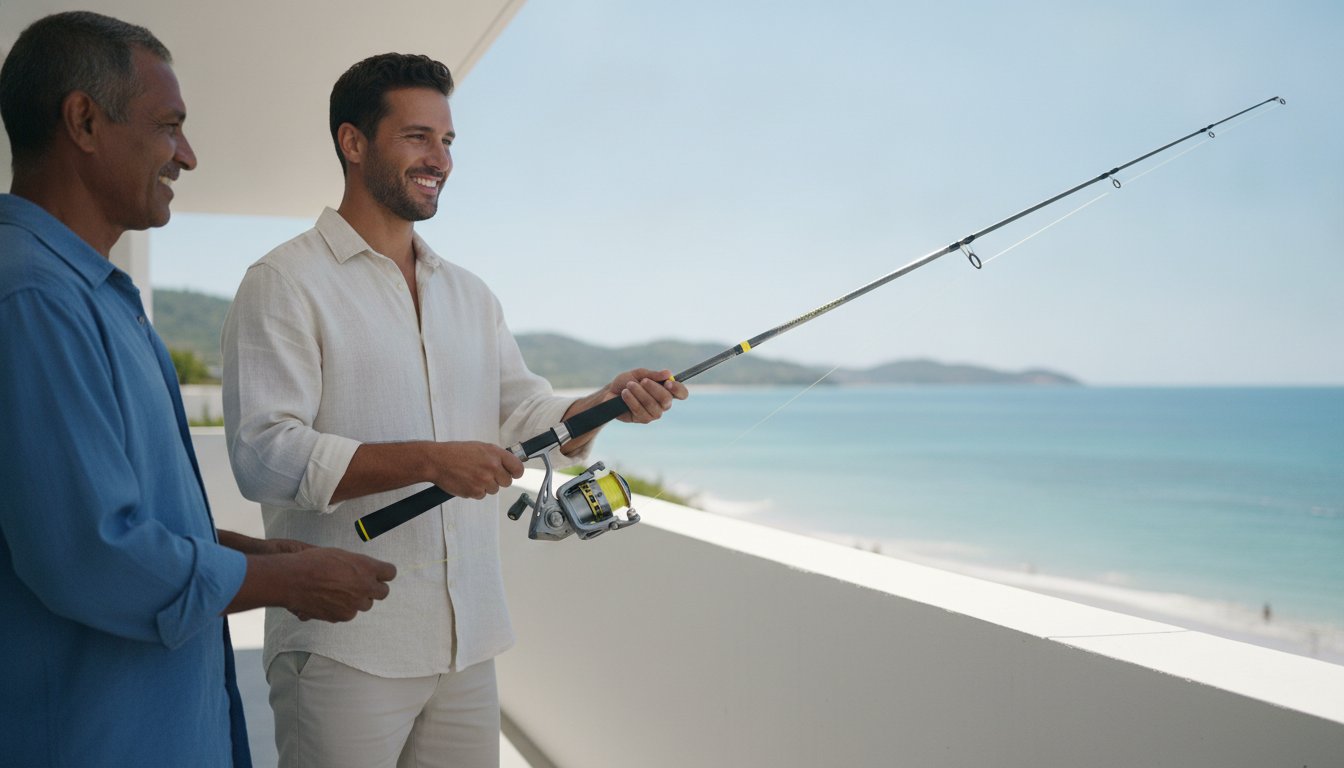
Fishing Gear Rental for Your Next Trip: A Practical 2026 Guide
Joshua Price
June 14, 2026
You might think hauling a two-meter rod tube across three airports is the only way to ensure a successful catch. Oversized baggage fees often cost over $100, and finding your graphite rod snapped in half at the carousel is a heavy price for peace of mind. It's frustrating to deal with airline handlers who don't respect your gear, which is why many anglers now look for a fishing gear rental for trip instead of packing their own.
You'll learn how to find reliable equipment through peer-to-peer platforms like Life4Rent and how to skip the baggage fees entirely. This guide covers the practical steps to secure quality rods near your destination and explains how to tap into the owner's knowledge for the best local spots. Owners on these marketplaces often share more than just their reels; they provide the specific tackle advice that only a resident angler knows.
This approach helps you avoid the generic setups found in commercial shops while keeping your luggage light. You can save money on transport. You'll still have the right setup for whatever is biting in 2026. Local gear allows you to spend more time fishing and less time worrying about logistics.
Why you should consider fishing gear rental for your next trip
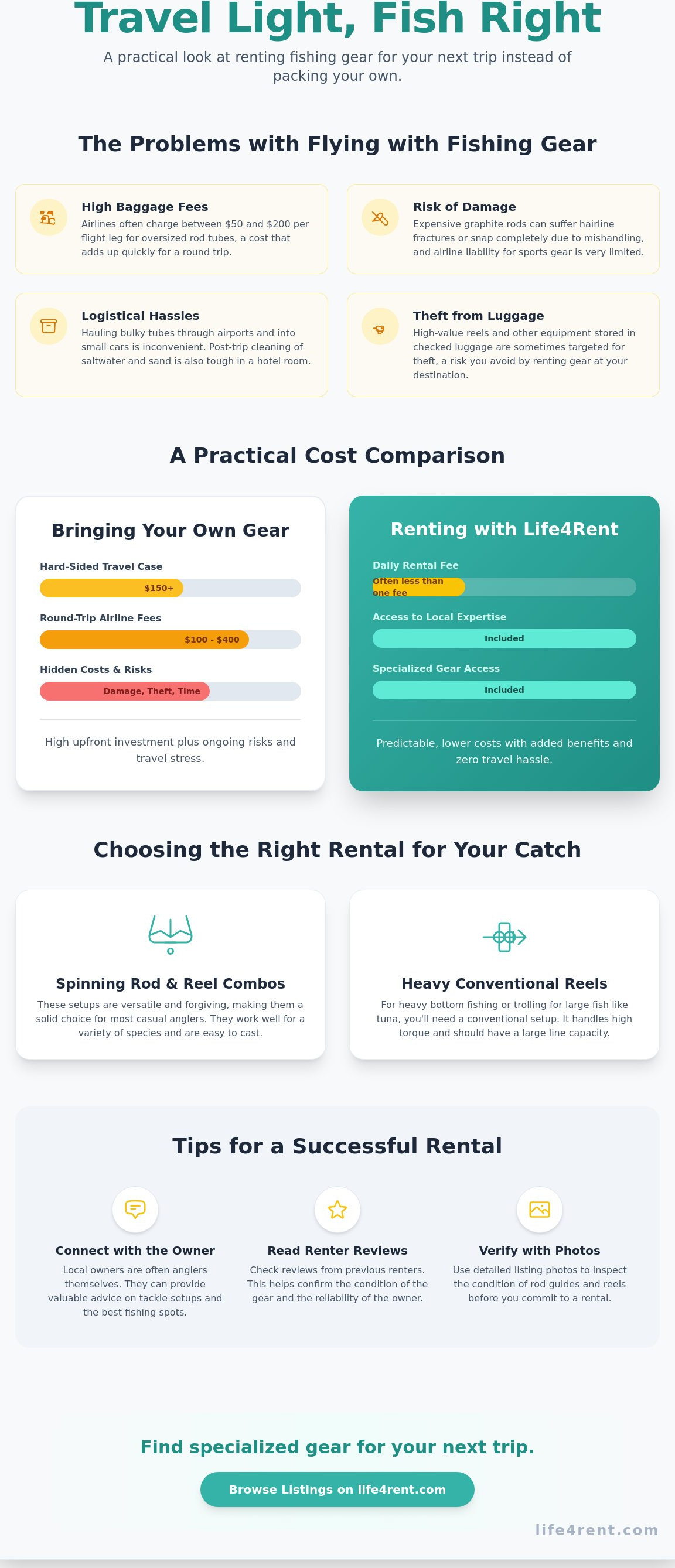
Airline baggage policies in 2026 continue to penalize anglers for carrying oversized tubes. Most carriers charge between $50 and $200 per flight leg for these items. A fishing gear rental for trip eliminates these costs and the stress of watching your rod case disappear on a conveyor belt. Baggage handlers often stack heavy suitcases on top of rod tubes, which can lead to hairline fractures in expensive graphite. Even a small nick in the blank can lead to a catastrophic failure when you finally hook a heavy fish. Most travelers don't realize that airline liability for damaged sporting goods is often very limited. You might find that your expensive rod is only covered for a fraction of its value if it breaks in transit.
You also avoid the messy cleanup process at the end of your holiday. Saltwater and sand require deep cleaning to prevent corrosion, and most hotel rooms aren't designed for washing down two-meter rods. Local owners on Life4Rent usually provide tackle that is already rigged for the specific species in their area. Local hosts often use specific leader weights and hook sizes that match the clarity and depth of their home waters. This level of preparation means you can start your first session within minutes of reaching the shore. For those who want a comprehensive overview of fishing tackle and its many variations, having a pre-configured setup is a massive time-saver.
To better understand the value of local setups, watch this helpful video:
The cost of transport vs. the cost of renting
Daily P2P rates are often lower than a single oversized baggage fee. You should also consider the value of your time spent hauling heavy tubes through public transport or into small rental cars. These professional rental fleets often rely on advanced pricing and automation technology to stay efficient—you can learn more about RateHighway to see how this works in the automotive sector. High-value reels are also targets for theft in checked luggage, a risk you don't face when you rent locally. The total cost of bringing your own gear includes the price of a hard-sided travel case, which can cost $150 or more. When you add the airline's round-trip fees, the initial investment for one trip often exceeds the cost of five days of high-quality rentals. Insurance for your own gear during international travel is another hidden expense that people often overlook. P2P platforms provide a more managed environment where the terms of use are clear from the start.
Accessing specialized gear without the purchase price
You can try a high-end fly rod or an electric reel for a fraction of the purchase price. A rental allows you to test brands like Shimano or Penn in a real-world environment before you commit to a permanent purchase. This is especially helpful for environments like surf fishing or deep-sea trolling where the gear requirements are very specific. Specific environments like saltwater flats or deep reefs require gear that you might only use once a year. A fishing gear rental for trip gives you access to these specialized tools without cluttering your garage at home. You can experiment with different rod lengths and reel gear ratios to see what works best for your target species. If you are curious about the latest reel technology, renting is the most cost-effective way to stay current. You don't have to worry about your equipment becoming obsolete while it sits in storage between your annual trips.
Essential fishing tackle and equipment to look for
The choice of the right tools for your water determines whether you land a trophy or spend the day untangling knots. Most casual anglers find that spinning rod and reel combos offer the best balance of ease and versatility. These setups are forgiving for those who don't cast every weekend and work well for a variety of species. If you are new to the sport, this guide to fishing for the first time provides a solid foundation for understanding basic setups.
You'll find that conventional reels are necessary for heavy bottom fishing or trolling for large pelagics. They handle the torque of a fighting tuna or grouper better than a spinning reel ever could. If your fishing gear rental for trip involves offshore reefs, ensure the owner provides a reel with a high line capacity and a smooth drag system. Heavy gear like this is expensive to buy but common on rental platforms.
Specific fly fishing setups require a more nuanced approach to equipment. You'll need a 5-weight rod for trout in mountain streams, while an 8-weight or 9-weight rod is necessary for saltwater flats. These rods are built to cast the weight of the line rather than the lure. You must match the weight rating to your target species to avoid snapping the rod under pressure.
A well-stocked tackle box should ideally include local lures, extra weights, and leader material. Items like pliers and line cutters are vital but often overlooked by beginners. You need them to remove hooks safely and trim line without damaging your gear. Ask the owner if these safety tools are included in the package before you arrive at the dock.
Rod and reel pairings
You should look for medium-light rods if you plan to fish in freshwater lakes for bass or perch. Heavy-action rods are better for the ocean where currents and fish are stronger. A 3000-size reel usually pairs well with a 7-foot spinning rod for most inshore or lake fishing. Ask the gear owner if they use braided line or monofilament, as braid offers more sensitivity while monofilament provides helpful stretch for beginners.
Terminal tackle and accessories
You should verify if hooks, sinkers, and swivels come with the rental price. Some owners include a small kit of terminal tackle, while others expect you to bring your own lures. If you are targeting big fish, ask if a landing net or a gaff is available. River anglers should also check for specialized items like waders to stay dry while moving through the current. You can find many of these fishing equipment listings on local marketplaces to see what's currently available near your destination.
Peer-to-peer rentals vs. commercial tackle shops
Traditional tackle shops in tourist hubs often rely on high turnover and standardized equipment. You'll likely pay a premium to cover their storefront rent and staff wages. Choosing a fishing gear rental for trip through a marketplace like Life4Rent connects you with people who actually use the equipment they list. These owners often take better care of their gear because it belongs to their personal collection.
Local owners don't just provide a rod; they offer a connection to the water. While a shop might steer you toward an expensive paid charter, a neighbor will likely tell you which pier has been hot this week. You can often arrange to pick up gear at 5:00 AM or 10:00 PM, long before or after a retail store opens its doors. This flexibility is vital when you want to catch the early morning bite.
Variety is another major factor during the busy summer months. Shops run out of popular spinning combos quickly, but individual anglers usually have spare high-quality gear sitting in their garages. You might even find state-run tackle loaner programs in certain areas, though these are typically limited to very basic setups for children or beginners. For serious anglers, P2P platforms provide the specialized tools that government programs or basic rental shops lack.
The benefit of local knowledge
Owners know the subtle details that make a difference. They'll tell you if the striped bass are hitting topwater plugs or if you need to go deep with heavy sinkers. This advice is specific to the current tides and weather patterns of that exact week. It's the kind of insider information that saves you hours of trial and error on the water.
You might find that a host offers extra perks that a commercial business would charge for. It's not uncommon for a gear owner to lend you a cooler, a bait bucket, or even a few of their favorite hand-tied flies. These small additions save you a trip to the convenience store and keep your travel costs low. This community-driven approach makes the entire experience more personal and rewarding.
Pricing and availability
Retail prices are almost always fixed, leaving little room for those staying for a week or more. P2P listings often feature built-in discounts for multi-day bookings. You can check this peer to peer equipment rental guide for more details on how to get the best value for your money. Lower overhead costs for the owner usually mean a better price for you.
Negotiating for a set of four rods for a family outing is much easier with an individual than a store manager. You'll find that the daily rates for high-end reels are significantly lower when you rent from a local enthusiast. This allows you to use professional-grade equipment without the retail price tag. It's a practical way to maintain a high standard of gear while staying within your travel budget.
How you can choose the right gear from local owners
Your choice of a fishing gear rental for trip should always begin with a thorough look at the owner's reputation. You should read reviews from previous renters to check the reliability of the gear and the host's punctuality. These comments often provide honest feedback about whether the equipment performed as described under real-world conditions. It's also vital to verify the pickup location is actually on your way to the water. A cheap rental isn't a bargain if it requires a two-hour detour that eats into your time on the lake or the coast.
Detailed photos in the listing are your primary way to verify quality before you commit. You should look for clear images of the rod guides and reel seats to spot any signs of corrosion or neglect. Saltwater is harsh on gear, and green or white oxidation on metal parts can indicate that the equipment wasn't rinsed properly after its last use. You can also ask the owner directly when the line was last changed. Old monofilament or fluorocarbon line becomes brittle over time, and you don't want to lose the fish of a lifetime because of a line break-off that could have been avoided.
Pre-rental inspection checklist
You should check the rod for any hairline cracks or repaired tips during the hand-off. A rod that has been shortened by a few inches after a break will have a much stiffer action and won't cast as well. You can test the reel drag by pulling line off the spool at various tensions to ensure it is smooth and not stuttering. It's also a good idea to inspect the first few meters of line for nicks or abrasions. These small damaged areas are often caused by rubbing against rocks or pier pilings and are the most common cause of lost fish.
Communication with the owner
You must specify the type of fishing you plan to do when you first message the host. If you tell them you are targeting pike or large saltwater species, they can confirm if their rod has the necessary backbone. You should also confirm the policy for accidental damage to avoid awkward disputes later. Many hosts have a neiyborly approach and might even offer extra small items like bait or weights for free. This open dialogue helps build trust and often leads to better local fishing tips. You can search for available fishing gear in your destination area to see what local experts are offering.
Finding your next fishing setup on Life4Rent
Life4Rent connects you with local anglers who have spare high-quality equipment available for others to use. It's a straightforward marketplace where you can find everything from a basic spinning rod to a full saltwater setup. The platform handles the payment and the rental agreement, which keeps the entire process simple and transparent for everyone. You don't have to worry about cash transactions on a pier or negotiating with strangers in person. A fishing gear rental for trip becomes a standardized process rather than a gamble.
You can browse through the outdoor and sports gear categories to find complete kits that include rods, reels, and even tackle boxes. This centralized approach means you spend less time searching and more time planning your route to the water. Owners on this platform often list their personal favorites, so you're likely to find well-maintained gear that they actually trust. It's a practical way to access premium brands without the retail investment.
Simple steps to book your gear
You should begin your search by entering your destination city and using specific keywords like "spinning rod" or "fly tackle." The filters help you find owners who have earned high ratings from the community. You'll see that some listings offer full packages while others focus on specialized individual items. It's a good idea to book your equipment well before your flight leaves. This gives the owner enough time to ensure the reels are oiled and the line is in good shape for your arrival.
Safety and protection on the platform
The platform creates a secure environment for everyone involved in the transaction. You should use the internal messaging system to ask specific questions about the rod's action or the reel's drag capacity before you pay. Clear communication prevents misunderstandings and ensures the gear meets your technical needs for the specific species you're targeting. You can also refer to the tool on rent guide to understand the standard etiquette for peer-to-peer sharing. Respect for the owner's equipment helps you build a positive rating, which makes it easier to rent in the future.
You can also use the platform to list your own gear when you aren't on the water. Your high-end rods and reels can generate income rather than just collecting dust in the garage. This extra money can help offset the costs of your next fishing gear rental for trip. Owners on Life4Rent keep 100% of every booking, which is a fair split for those sharing their personal property. The platform also features a loyalty rewards program with tiers like Bronze and Platinum to reward frequent users. These tiers provide fee discounts and listing boosts for active members. It's a practical cycle that supports the local fishing community while keeping your own travel costs manageable.
Prepare for your next day on the water
A fishing gear rental for trip helps you avoid the high costs of oversized baggage and the stress of potential rod damage. You'll have better success by using tackle that's already rigged for local conditions and by chatting with owners who know the area's current hotspots. It's a practical way to travel light while still using professional-grade reels and rods.
Life4Rent has provided a secure P2P marketplace since 2021, offering 17 categories of items for rent across the globe. You can message owners directly to verify gear specifications or ask for advice on the best bait for the season. This direct connection ensures you get reliable equipment and helpful tips that commercial shops often miss. You don't have to worry about the logistics of hauling heavy tubes through busy terminals.
Find affordable fishing gear for your next trip on Life4Rent
You can focus on the catch instead of the luggage fees. Enjoy the freedom of traveling light on your next adventure. Tight lines.
Frequently Asked Questions
Is it cheaper to rent fishing gear or buy a cheap set at the destination?
It's almost always better to rent quality gear than to buy a disposable set at your destination. Cheap supermarket combos often have plastic gears that strip when you hook a decent fish. You'll get more enjoyment from a well-maintained mid-range setup. Plus, you don't have to worry about the environmental waste of leaving a broken rod behind when your holiday ends.
What happens if the rented fishing rod breaks while I am using it?
You should review the platform's damage policy and discuss it with the owner before the rental starts. Most peer-to-peer agreements hold the renter responsible for breakage beyond normal wear and tear. It's a good idea to take clear photos of the rod and reel during the hand-off. This protects you if there was a pre-existing hairline crack in the graphite that you didn't cause.
Can I rent specialized gear like fly fishing rods or deep-sea reels P2P?
You can definitely find specialized equipment like 5-weight fly rods or electric deep-sea reels on P2P marketplaces. Local enthusiasts often list their high-end backup gear which is far superior to standard shop rentals. This is the most practical way to get a specific fishing gear rental for trip without spending hundreds on a new setup. Owners might even provide the right flies for the local hatch.
Do I need a fishing license if I am only renting the equipment?
You must have a valid fishing license regardless of whether you own or rent your equipment. Rental platforms provide the tools, but they don't cover your legal right to fish in local waters. Regulations change frequently, so check the 2026 rates for your destination. In Texas, a one-day non-resident all-water license costs $16.00, while South Carolina offers a 14-day freshwater license for residents at $5.00.
Is bait and tackle usually included in the fishing gear rental?
Most rentals include the rod and reel but rarely include live bait or a full set of lures. Some owners might leave a few basic hooks or weights in a tackle box as a courtesy. You should clarify this in your initial message to the host. It's usually best to pick up fresh bait at a local shop to ensure it's effective for the current conditions of the day.
How do I transport rented fishing rods if I have a small rental car?
Most modern rods are two-piece or three-piece designs that fit easily into the back seat or trunk of a small rental car. You should ask the owner for the transport length of the rod if you're worried about space. For travelers heading to New Zealand, Drive NZ Rental Cars offers a practical fleet of hatchbacks and SUVs that make it easy to transport your gear between fishing spots. One-piece rods over seven feet long will require a vehicle with a roof rack or a fold-down passenger seat. Many owners can provide a protective travel tube for the drive to the water.
Are there specific P2P apps that help with renting fishing gear in Europe?
Life4Rent is a reliable platform for finding a fishing gear rental for trip in Europe across 17 different categories. It connects you with local owners in various countries, which is more flexible than searching for commercial storefronts with limited hours. You can communicate directly with neighbors who know the local regulations and seasonal patterns. This approach is often much cheaper than the high-priced rental shops located in major European tourist ports.
Life4Rent
Rent it. Earn from it. Own less, access more.
Browse peer-to-peer rentals near you, or list what you own and start earning — all protected by Life4Rent Protect.
About the author
Joshua Price
Amsterdam, Netherlands
Joshua writes about the financial side of renting and earning on Life4Rent. His guides focus on helping people understand the real cost of ownership, calculate rental income potential, and make smarter decisions about buying versus renting. He previously wrote on household economics and personal budgeting for a pan-European finance publication.