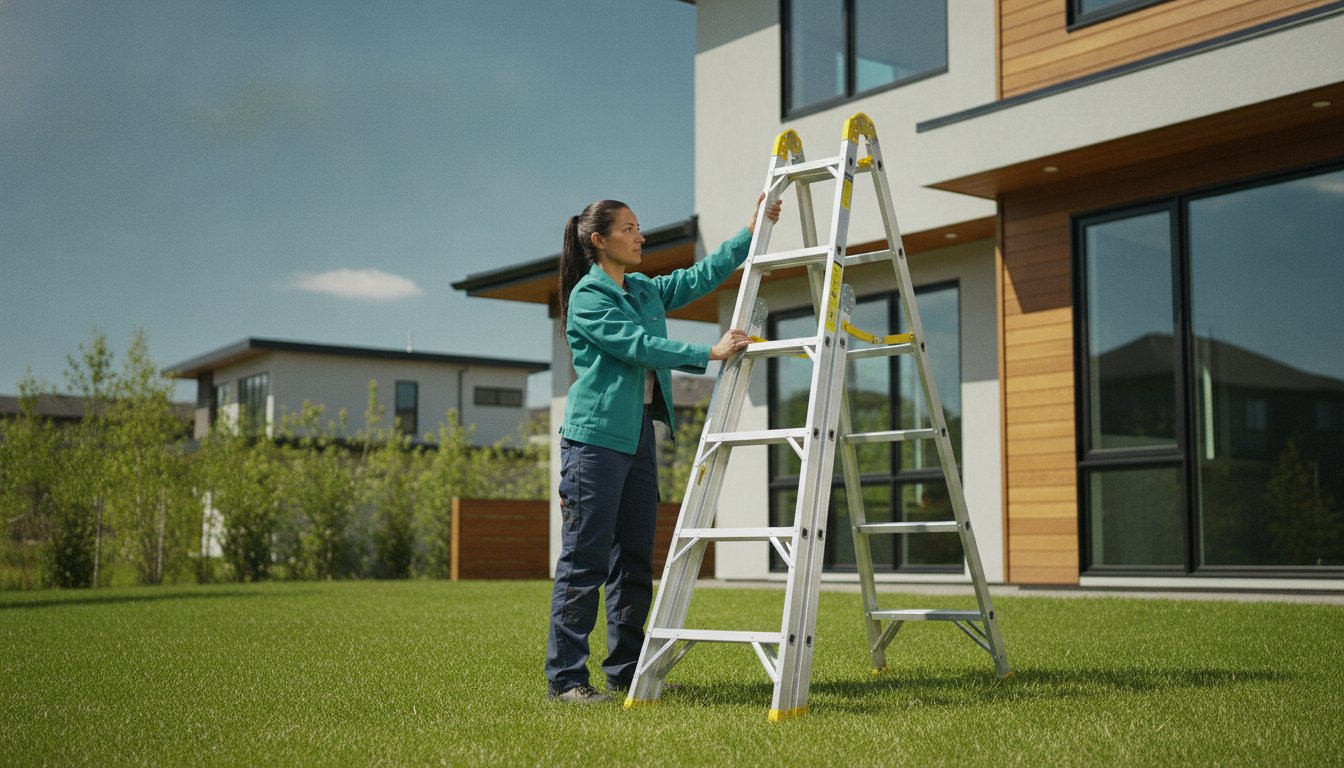
Extension Ladder Rental: A Practical Guide for Homeowners in 2026
July 10, 2026
Published by Life4Rent · Operated by Brohf Software OÜ
Last weekend, a local homeowner realized his gutter cleaning project was stuck because a 32-foot ladder wouldn't fit in his hatchback. Most of us don't have the garage space to store a massive piece of equipment that we only use once a year. An extension ladder rental is often the most sensible choice, but traditional shops are often located in industrial zones far from residential streets.
You probably agree that paying for a professional delivery service often costs more than the rental itself. This article shows you how to find the right equipment just a few blocks away at a fair daily rate. You'll learn how to select the correct load capacity and material for your specific task to ensure you stay safe on the job.
We'll also walk through the logistics of using a peer-to-peer marketplace like Life4Rent to handle protection and payments. You can get your project done safely without the headache of long-term storage or difficult transportation logistics. This approach keeps your project on track and your garage clutter-free.
Why an extension ladder rental makes sense for home maintenance
A ladder that extends over 20 feet is a major commitment that most homeowners don't actually need to own. You might clear your gutters in the autumn or touch up paint on the second floor once every few years. For these rare tasks, an extension ladder rental provides a sensible way to access high-quality gear without it becoming a permanent fixture in your life.
While you have the height advantage of a rented ladder, it is often the perfect time to handle other maintenance tasks. You can explore Window Cleaning Tools from J Racenstein to find professional-grade squeegees and scrubbers that help you achieve a streak-free finish on those hard-to-reach second-story windows.
Professional-grade equipment is designed for heavy use, but it also demands significant care and specialized storage. When you rent, you gain access to these sturdy tools without having to worry about their long-term maintenance or where they'll sit for the next eleven months. It's about having the right tool at the right time, rather than just owning things for the sake of it.
To better understand the practical side of using this equipment, watch this helpful video:
The storage dilemma for long ladders
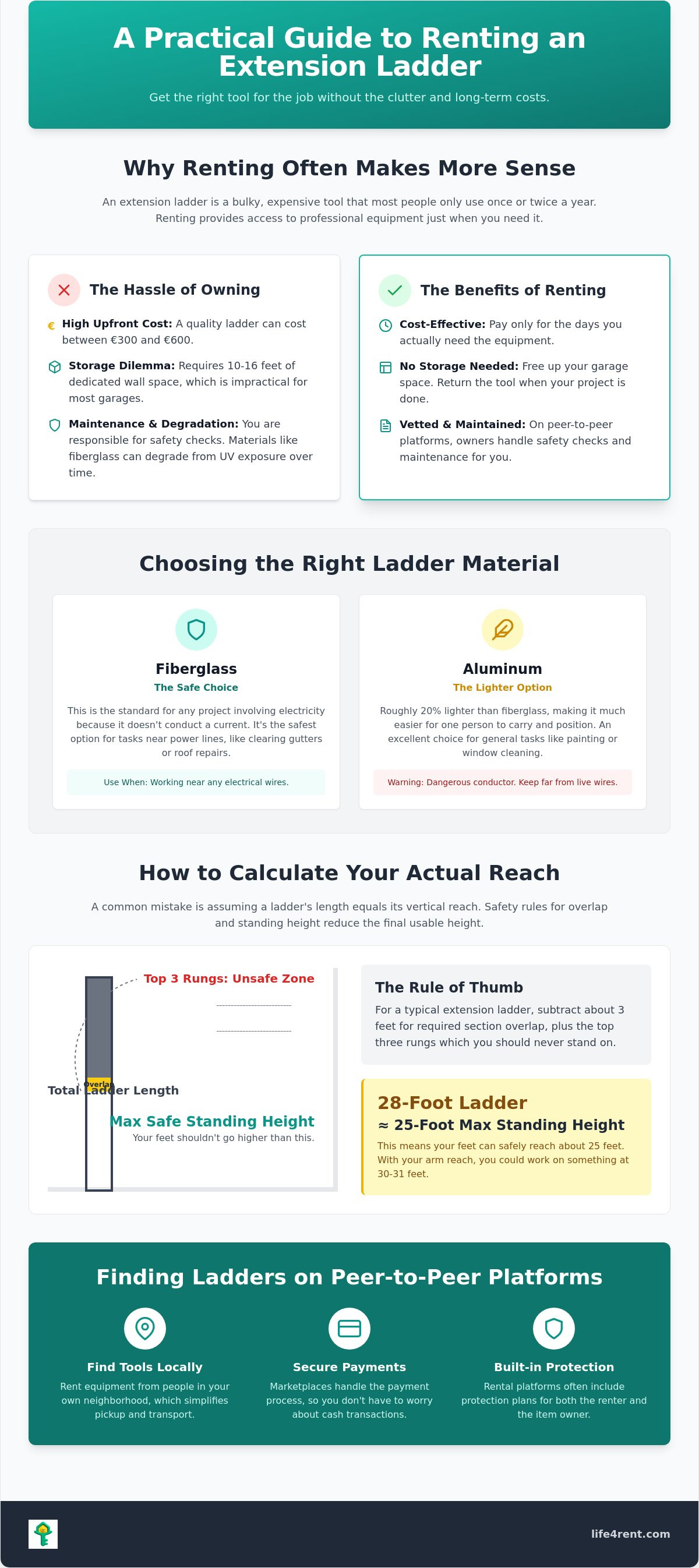
Most people don't realize that even a retracted extension ladder needs between 10 and 16 feet of horizontal wall space. That's a massive amount of real estate in a standard garage or garden shed. Outdoor storage isn't a great alternative either. Fiberglass models suffer from UV degradation which can make the rails brittle, and aluminum versions can develop corrosion if they aren't kept dry. An extension ladder rental keeps your home organized and ensures you aren't tripping over bulky equipment during your daily routine. An organized garage means you can dedicate that space to your car or your more frequent hobbies instead.
Comparing the costs of ownership versus rental
High-quality 28-foot ladders typically retail between 300 and 600 euros, which is a steep price for something with such a low utility rate. Beyond the initial purchase, you have to consider the depreciation of the asset over time. If you only pay for the specific days you are working, the math usually favors the rental model. You can find various types of ladders on peer-to-peer platforms that are already vetted by their owners. The owner handles the regular safety inspections and maintenance in these setups. This means you don't have to spend your Saturday morning checking rungs and bolts for wear; you can just get to work. This is a more efficient way to manage home maintenance budgets while still achieving professional results.
If your home maintenance plans involve more than just a ladder rental and require a larger budget for materials or professional labor, you might explore Short Term Loans to help bridge the gap and keep your project on schedule.
A decision to rent also allows you to pick the exact tool for the job. Instead of making a 24-foot ladder work for a 30-foot reach, you can select the specific height you need for that weekend's project. This flexibility increases your safety and ensures you aren't overextending yourself or the equipment. It's a practical approach that prioritizes the quality of the work over the accumulation of tools.
Selecting the right ladder height and material
The selection of the right tool for an extension ladder rental requires a balance between safety and physical manageability. You don't want to struggle with a heavy fiberglass frame if you're working alone on a simple painting task. Conversely, you can't risk an aluminum frame if your work area is anywhere near overhead power lines. This decision impacts both your safety and the speed of your project.
Aluminum vs. Fiberglass: Which is better?
Fiberglass is the standard choice for any project involving electricity because it doesn't conduct a current. It's the safer option for clearing gutters or repairing soffits where wires might be hidden. Aluminum is roughly 20% lighter than fiberglass. This makes it much easier for one person to position against a wall. However, aluminum is a dangerous conductor, so you must keep it far away from any live wires. Fiberglass is generally more durable for storage, but it can crack if it's left in direct sunlight for several years.
Calculating the reach you actually need
Most people assume a 28-foot ladder gives them 28 feet of vertical reach, but that's a common mistake. You have to account for the necessary overlap between the ladder sections. For ladders up to 32 feet, the sections must overlap by at least 3 feet to maintain structural integrity. You also need to follow extension ladder safety practices which mandate that you never stand on the top three rungs.
You should subtract roughly 3 feet from the total length to find the maximum safe standing level. If you rent a 28-foot model, your feet shouldn't go higher than 25 feet. An average adult with an outstretched arm can reach about 27 feet when standing at this maximum safe level. Always check the specific labels on the equipment to confirm its load capacity and maximum extension limits before you start climbing.
You should also consider the weight of your tools and materials when selecting a ladder. Type I ladders handle up to 250 lbs, while Type IA can support 300 lbs. If you're carrying heavy shingles or buckets of paint, you'll need that extra support. You can check the load ratings of different models by browsing the local tool listings in your area. This helps you ensure the equipment matches both your height requirements and your physical workload.
Logistics and safety: Transporting your rental
A 24-foot ladder is much larger than it looks in a store catalog. Most standard cars can't safely handle an extension ladder rental without a proper setup. You shouldn't try to fit a retracted frame into a sedan or out of a side window. This creates a safety hazard for you and everyone else on the road.
Local pickups through a peer to peer equipment rental platform often solve the distance problem. You can find equipment just a few streets away, which means you don't have to navigate motorways with a long load. A short drive through residential streets is much safer than high-speed transport from an industrial zone.
Vehicle requirements for ladder transport
Roof racks must be sturdy and rated for the specific weight of the tool. A typical fiberglass model weighs between 20kg and 40kg, so check your vehicle's manual for load limits. Truck beds are a good option, but a 32-foot ladder will still extend far past the tailgate. You'll need a bed extender or a rack that sits above the cab to keep the load balanced and prevent it from bouncing.
Ratchet straps are the only safe way to tie down the equipment. Bungee cords are too flexible and might allow the ladder to shift during a turn or a sudden stop. If the load extends more than one meter past your rear bumper, you must attach a red flag to the end. This is a legal requirement in most regions and helps other drivers maintain a safe distance from your vehicle.
A 5-point safety inspection checklist
You should always inspect the equipment before you sign off on the pickup at a neighbor's house. This step ensures the tool is in working order and protects you from being blamed for existing damage. A quick five-minute review can prevent a dangerous accident once you're on the job site.
- Check the feet: Look at the rubber shoes to ensure the anti-slip pads aren't worn down to the metal.
- Inspect the rails: Search for hairline cracks in fiberglass or deep dents in aluminum rungs that could compromise strength.
- Test the locks: Ensure the rung locks engage fully and don't slip when you apply downward weight.
- Check the pulley: Verify the rope moves the fly section smoothly without sticking or showing signs of fraying.
- Review for debris: Confirm that the rungs are clean and free of oil, grease, or wet paint from a previous project.
If you notice any significant damage during this inspection, don't take the equipment. It's better to delay your project by a day than to risk a fall from a height. Most owners will appreciate the thoroughness, as it keeps their equipment in good standing within the community.
How to find extension ladders on P2P platforms
Traditional rental centers are often tucked away in industrial parks. This means you might spend an hour just driving to the depot and back. A peer-to-peer extension ladder rental allows you to skip the long commute by finding equipment in your own residential area. You can often find a suitable tool just a few blocks away, which simplifies the entire project timeline.
Searching for a tool on rent nearby
Most P2P platforms offer a map view that helps you pinpoint the exact location of available gear. You should use this feature to identify a neighbor who has the equipment you need. This proximity is a major advantage when you're trying to coordinate a quick home repair. You don't have to wait in a queue at a warehouse or deal with staff who are managing hundreds of accounts.
Filters are your best friend during the search process. You should narrow down your results by height and material to match the requirements we discussed earlier. Look closely at the listing photos to see the current condition of the rungs and rails. If the images are blurry or outdated, don't hesitate to ask for a fresh photo to verify the tool is still in good shape.
Communicating with the owner
Direct messages allow you to clarify technical details before you commit to a booking. You should ask the owner about the duty rating if it isn't clearly visible in the description. It's also helpful to confirm if they have any accessories like stabilizers or standoffs. Some owners might even have professional-grade ratchet straps that you can use for the transport.
Coordinate your pickup and return times to fit your schedule. You can agree on a window that avoids the worst of the local traffic, which is vital when you have a long load on your roof. Honest communication about your project needs helps build trust within the marketplace. If you need the ladder for an extra day due to weather, most individual owners are more flexible than a corporate rental desk.
Reviews provide a realistic look at how reliable an owner is with their equipment. You should check if previous renters mentioned the ladder's condition or the owner's punctuality. This feedback loop ensures that the marketplace remains safe and high-quality for everyone. You can start your search by looking at the available extension ladders in your specific neighborhood today.
Using Life4Rent for your next project
Life4Rent functions as a local marketplace where neighbors can exchange equipment they don't use every day. An extension ladder rental is the perfect example of a tool that spends most of its life taking up space in a shed. By connecting with people in your own community, you can access professional gear without the logistical hurdles of traditional industrial rental shops. The platform manages the communication and listing details so you don't have to worry about the back-and-forth of private sales sites.
You'll find a wide variety of tool on rent options that cover almost any home renovation need. This system makes it easy to get your tasks done safely while keeping your own storage space clear. Every transaction is handled through a secure system that includes escrow payments to protect both the owner and the renter. This layer of security ensures that the experience is professional and reliable for everyone involved in the community.
Benefits for renters
You can get your hands on high-quality fiberglass or aluminum ladders without paying the full retail price. This approach is much more budget-friendly for one-off projects like exterior painting or roof inspections. You also help reduce the environmental impact of manufacturing new tools by using what's already available in your neighborhood. It's a more sustainable way to manage home repairs without contributing to unnecessary consumer waste.
The inventory isn't limited to just ladders either. You might find specialized equipment like mudmixers or scaffolding for more complex construction jobs. Access to all these options in one place simplifies your planning process and keeps your project moving forward. You don't have to visit multiple different shops to get everything you need for a weekend of heavy work.
Earning with your own equipment
If you already own an extension ladder, you can turn that bulky item into a source of passive income. It takes just a few minutes to upload a few clear photos and write a brief description of the tool's height and weight capacity. You stay in control of the process by setting your own daily or weekly rates based on the demand in your area. This flexibility allows you to rent out your gear only when you don't need it yourself.
Most homeowners find that their tools pay for themselves after just a few successful rentals. It's a practical way to offset the cost of high-end equipment while helping your neighbors finish their own projects. Your idle tools can finally start working for you instead of just gathering dust in the back of your garage. The marketplace handles the logistics so you can focus on being a helpful host in your local neighborhood.
Finish your home project without the clutter
An extension ladder rental is a practical way to handle seasonal maintenance without sacrificing half of your garage to storage. You've learned how to calculate the actual reach you need and why fiberglass is the safer choice for electrical work. These small details ensure that your weekend task stays on schedule and your safety isn't compromised by using the wrong equipment.
Life4Rent has been focusing on the sharing economy since 2021, providing a secure peer-to-peer marketplace for homeowners. With 17 rental categories ranging from heavy tools to electronics, it's easy to find exactly what you need within your own neighborhood. You can skip the industrial warehouse queues and support a more sustainable way of getting work done.
Find an extension ladder for rent near you on Life4Rent and get your project moving today. It's a straightforward process that keeps your home organized and your budget under control. Good luck with your upcoming project.
Frequently Asked Questions
How tall of a ladder do I need for a two-story house?
A 24-foot to 28-foot ladder is usually sufficient for a standard two-story house. Most eaves sit between 18 and 22 feet from the ground. You must ensure the ladder extends at least 3 feet past the roof edge if you plan to step onto the roof. This provides a safe handhold for your transition and prevents the ladder from slipping.
Is it safe to rent a ladder from a neighbor?
It's safe to rent from a neighbor as long as you perform a thorough 5-point inspection before use. Platforms like Life4Rent offer secure systems to manage the transaction and protect both parties. An extension ladder rental through a community marketplace often means the tool has been well-maintained by a fellow homeowner rather than sitting in a rough industrial yard.
Do I need a special license to transport a 32-foot ladder?
You don't need a special driver's license to transport a long ladder on a personal vehicle. However, you must comply with local traffic laws regarding load overhang. A red flag is mandatory if the equipment extends more than one meter past your rear bumper. Always use heavy-duty ratchet straps to secure the frame to your roof rack or truck bed.
What is the difference between a Type IA and a Type II ladder?
The primary difference lies in the maximum load capacity the ladder can safely support. A Type IA ladder is rated for 300 pounds, which is considered extra heavy-duty for professional or intensive home use. A Type II ladder is a medium-duty tool rated for 225 pounds. You should always include the weight of your tools and materials when calculating which rating you need.
Can I use an aluminum extension ladder for electrical work?
You should never use an aluminum ladder for any task that involves working near electrical wires. Aluminum is a highly conductive material that can lead to fatal shocks if it touches a live line. Fiberglass is the only safe option for electrical work because it doesn't conduct electricity. Always check your surroundings for overhead lines before you begin your extension ladder rental setup.
What happens if I damage the rental ladder?
Platform protection plans usually cover accidental damage during a rental period. Life4Rent includes a dispute resolution process and damage protection to handle these situations fairly. You should document any existing wear with photos during the pickup to avoid confusion later. If an accident happens, inform the owner immediately to start the resolution process through the app's secure system.
How much weight can a standard extension ladder hold?
A standard extension ladder can hold between 200 and 375 pounds depending on its specific duty rating. Type III ladders are light-duty and hold 200 pounds, while Type IAA models are designed for 375 pounds. Most homeowners find that a Type I or IA provides the best balance of safety and strength for common tasks like gutter cleaning or exterior painting.
Should I use a ladder stabilizer for roof work?
You should use a ladder stabilizer for roof work to increase the footprint of the ladder against the house. This accessory prevents the rails from sliding sideways and protects your gutters from being crushed under the weight of the ladder. It also provides a more stable platform when you are working at maximum reach. Many owners include these accessories with their listings for a small extra fee.
Life4Rent
Rent it. Earn from it. Own less, access more.
Browse peer-to-peer rentals near you, or list what you own and start earning — all protected by Life4Rent Protect.
About the author
Stockholm, Sweden
Stella researches and writes about sustainable consumption and the circular economy for the Life4Rent Renting Academy. She previously worked at a Nordic sustainability research institute studying how access-over-ownership models reduce household CO₂ emissions, and translates that research into practical guides for everyday renters.