Camping Gear Rental: A Practical Guide to P2P Outdoor Equipment in 2026
September 21, 2026
Published by Life4Rent · Operated by Brohf Software OÜ
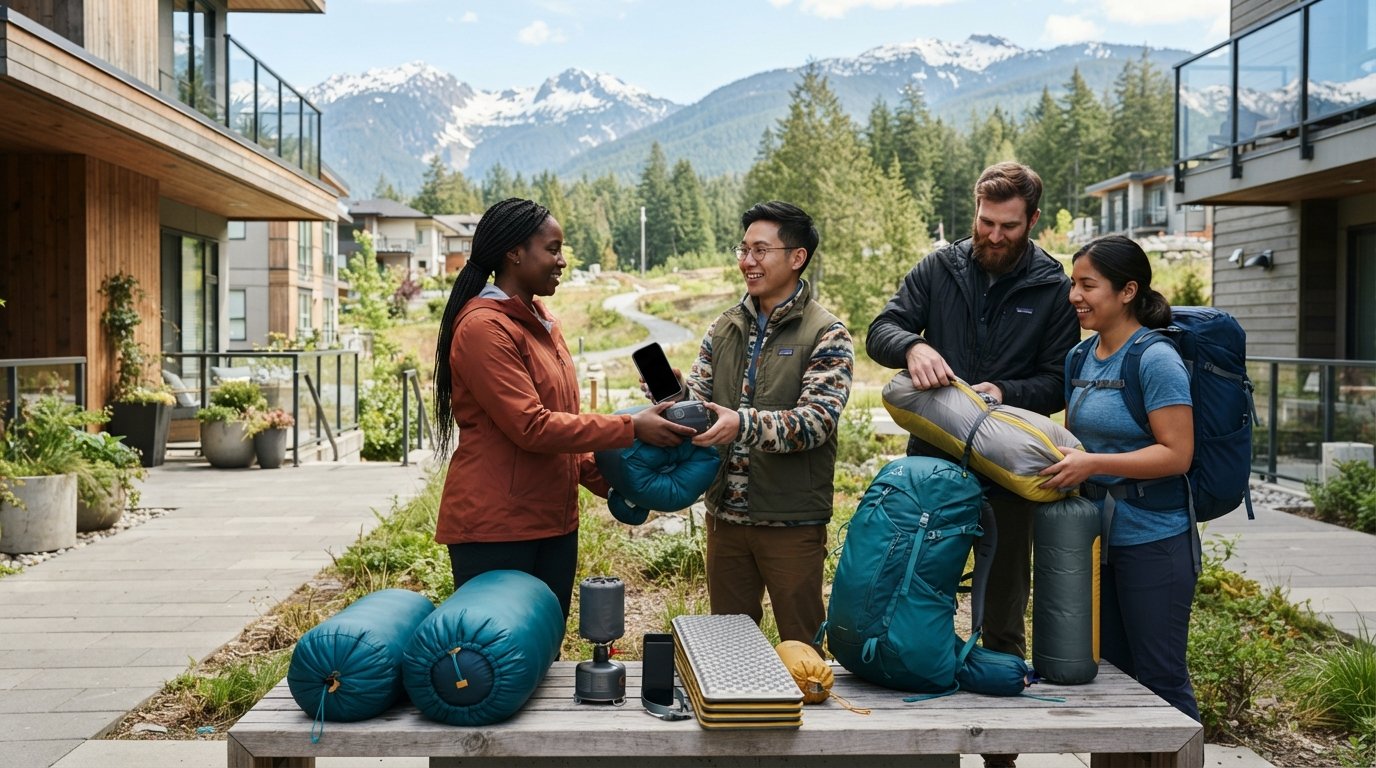
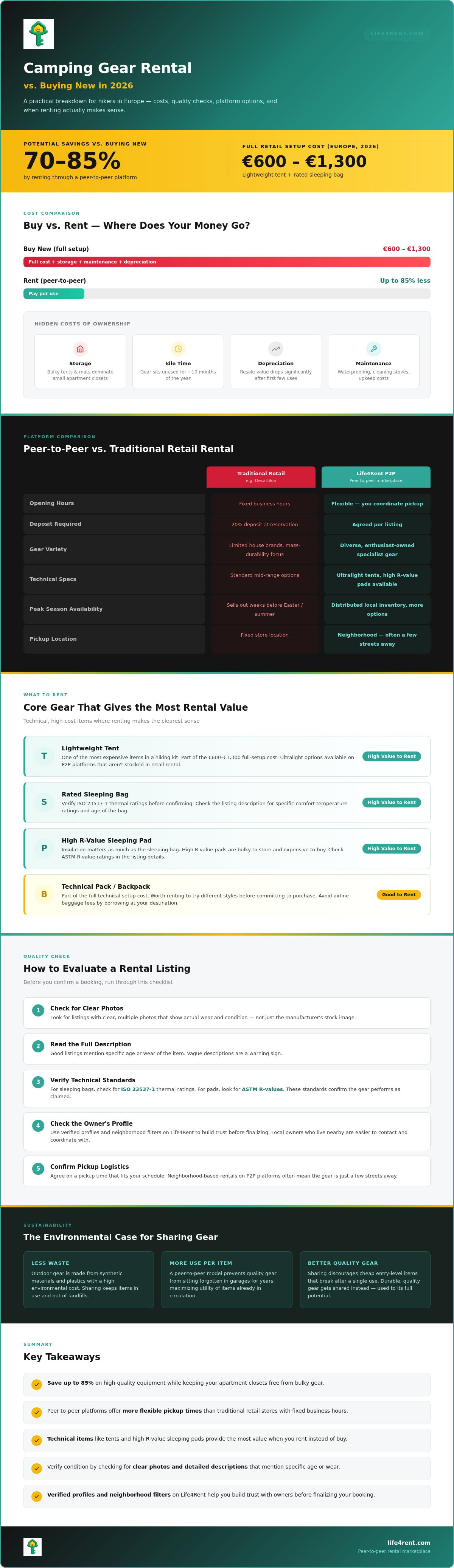
A full retail setup for quality hiking, including a lightweight tent and rated sleeping bag, costs between €600 and €1,300 at European retailers in 2026. Most people only head into the wild a few times a year, making that a steep investment for gear that usually just gathers dust in a cramped closet. You can save between 70% and 85% compared to buying everything new by choosing a camping gear rental through a peer-to-peer platform. It's a practical way to access high-end equipment without the financial burden or the storage headaches.
You might worry about whether a borrowed tent will actually keep you dry or if a sleeping bag is truly rated for the cold. It's normal to feel anxious about gear performance when you're miles from the nearest trailhead. This guide shows you how to verify technical specs like ISO 23537-1 thermal ratings and ASTM R-values so you can trust your kit. You'll learn how to find professional-grade bags and tents from locals right in your neighborhood, ensuring your next trip is both comfortable and affordable.
We'll break down the latest 2026 rental rates across Europe and explain the logistics of neighborhood pickups. You can avoid airline baggage fees and understand EU platform tax rules with the honest details provided here. This approach isn't about cutting corners; it's about using the sharing economy to get better gear for less money.
Why renting camping equipment makes sense for most hikers
City apartments rarely offer the luxury of extra storage for massive items. A four-person tent or a collection of thick sleeping mats can easily dominate a small closet. It's difficult to justify this loss of living space for gear that sits unused for ten months of the year. A camping gear rental means you can access the equipment you need without the permanent clutter in your home.
Financial barriers are another major factor for many hikers in 2026. High-quality outdoor equipment represents a significant investment, often reaching over €1,000 for a full technical setup. You can use that capital for travel experiences instead of hardware by choosing to borrow from others. It's a practical way to get out into nature without the steep entry price of retail ownership.
To better understand how these equipment packages work, watch this helpful video:
The financial math of gear ownership
Depreciation is a reality for every piece of technical equipment. The resale value of a tent or pack drops significantly after its first few uses. You also have to consider the time and money spent on maintenance, such as reapplying waterproof coatings or cleaning delicate stove components. A complete retail setup for a weekend hike can cost between €600 and €1,300, which is a high price for items that sit idle.
Rental agreements allow you to skip these chores and focus on your trip. You only pay for the utility you actually consume during your days on the trail. This approach is a more efficient use of your budget, especially if you want to try different styles of gear before you decide to buy your own. You'll avoid the trap of owning expensive items that no longer fit your hiking style.
Sustainability in the outdoor community
Resource sharing is a vital part of the peer-to-peer sharing economy. Most outdoor products are manufactured using synthetic materials and plastics that have a high environmental cost. You help maximize the utility of items that are already in circulation when you choose a camping gear rental. This community-focused model prevents perfectly good gear from sitting forgotten in a garage for years.
This model also discourages the purchase of cheap, "entry-level" gear that often breaks after a single use. Low-quality items frequently end up in landfills, but sharing high-end gear ensures that durable products are used to their full potential. The choice to share supports a more circular and responsible way to experience the outdoors. You can enjoy the wilderness while knowing you aren't contributing to the cycle of overconsumption.
Choosing between traditional retail rentals and peer-to-peer marketplaces
Retail shops usually operate within strict business hours, which can make a Friday afternoon escape to the mountains quite stressful. If you miss their closing time by five minutes, you'll have to wait until Saturday morning to grab your gear. Neighbors on peer-to-peer platforms often provide much more flexibility, allowing you to coordinate a pickup time that actually fits your schedule. This local approach to camping gear rental often means you can find equipment just a few streets away from your home.
Traditional retailers like Decathlon often require a 20% deposit at the time of reservation, with the remaining balance paid in-store at pick-up. Their inventory is usually limited to a few specific house brands designed for mass durability rather than technical performance. For enthusiasts who decide to purchase rather than rent specialized outdoor equipment like bikes, Chain Driven Cycles provides flexible payment options to make high-quality gear more affordable. Marketplaces like Life4Rent provide access to a diverse range of enthusiast-owned gear, from ultralight tents to high-R-value sleeping pads. You can find specialized equipment that isn't tied to a single retail margin or corporate contract.
Availability during peak seasons
Big-box retailers often sell out of their entire rental inventory weeks before major holidays like Easter or mid-summer breaks. This scarcity can leave you stranded if you didn't plan your trip months in advance. Peer-to-peer listings are decentralized, which means availability is spread across hundreds of individual households throughout the city. You're much more likely to find a last-minute tent or stove by looking at what's available in your immediate neighborhood.
Local pickups also remove the uncertainty of waiting for a shipping carrier to deliver a package. You can inspect the item in person and confirm it works before you leave. This direct handoff is a core benefit of neiyborly sharing, where the focus is on community trust rather than corporate logistics. You won't have to worry about a "delivery attempted" notice ruining your weekend plans.
The personal touch of peer sharing
Owners who list their personal gear usually have first-hand experience with the items they're renting out. They can offer practical advice on how to set up a specific tent or share tips about local campsites they've visited. This level of insight is rarely found at a retail counter where the staff might have never used the rental fleet. You'll also see actual photos of the specific item you'll receive, rather than a generic stock image from a catalog.
When you build your rental checklist, it's helpful to cross-reference the National Park Service Ten Essentials to ensure you aren't missing vital safety systems. Most peer-to-peer owners are happy to help you double-check that their stove comes with the right fuel adapter or that the sleeping bag is appropriate for the forecast. You can browse local listings today to find an owner who knows the terrain as well as their equipment. This collaborative approach makes the whole process feel more like borrowing from a knowledgeable friend than a faceless transaction.
Core camping gear to look for on rental platforms
A tent is often the most expensive single item in a hiker's inventory. A camping gear rental allows you to select a shelter specifically designed for your destination, whether it's a lightweight trekking model or a spacious family version. Unlike pre-packed retail bundles that might include items you already own, peer-to-peer platforms let you pick exactly what you need. This flexibility ensures you don't carry extra weight or pay for redundant kit.
Sleeping systems and comfort
Thermal performance for sleeping bags is governed by the ISO 23537-1:2016 standard, which reports Comfort, Limit, and Extreme metrics. Down-filled sleeping bags provide excellent warmth-to-weight ratios, but they require specialized, expensive cleaning to maintain their loft. You can enjoy the benefits of a premium down bag without the maintenance burden by renting from a neighbor. It's a smart move to use a personal liner for hygiene when using a rented bag.
Inflatable pads are just as important as the bag itself for a warm night. You should look for pads with an R-value between 2.0 and 4.0 for standard three-season use, according to the ASTM F3340-18 standard. These inflatable mats provide essential insulation from the cold ground, which is vital for recovery. You'll find that renting a high-quality mat is much more affordable than the €200 retail price tag for technical models.
Technical equipment and accessories
Backpacks require a precise fit to prevent shoulder strain and back pain. A rental gives you the chance to test how a technical pack handles a full load before you commit to a purchase. You can also find specialized items like bear canisters, which are mandatory in many European parks but rarely used elsewhere. Adherence to Leave No Trace principles starts with proper preparation, and having the right specialized gear is a big part of that responsibility.
Cooking systems like Jet-boils or multi-fuel stoves are ideal for short-term use. If you're traveling by air, remember that IATA regulations strictly forbid carrying fuel canisters on flights. You'll need to source local fuel at your destination, so it's helpful to rent a stove that matches local canister types, such as the Lindal valve or puncture-style Campingaz units. If you need specialized maintenance equipment for your own gear, check out our tool on rent guide for more advice.
Evaluating a rental listing for quality and safety
Clear photos of the gear in use indicate an active and honest owner. If a listing only uses stock photography from a manufacturer's website, you can't be sure of the item's current condition. Real-world images help you spot minor wear or modifications before you commit to a camping gear rental. You should look for photos that show the tent pitched or the backpack from multiple angles to verify the frame and straps are intact.
Descriptions should mention the age of the item and any specific quirks it might have. User reviews provide insight into the reliability of the gear and the owner's communication style. You'll want to see feedback from previous hikers who can confirm the tent stayed dry or the stove worked as expected. High-quality listings often include the weight of the item and its packed size, which is vital information for your packing list.
Safety items like stoves should have a documented history of proper function. You don't want to find out about a faulty fuel line when you're miles from the nearest road. It's best to prioritize owners who provide detailed notes on their maintenance routine. A responsible owner will be happy to explain how they store their down bags to prevent clumping or how they clean their water filters after a trip.
The pre-trip inspection checklist
Zippers on tents and sleeping bags must move freely without snagging on the fabric. You should also check that the seams are intact and the waterproof coatings aren't peeling or feeling sticky. A quick visual check for cracks in stove valves and fuel lines is essential for your safety. These small steps prevent gear failure in the wilderness where you have no backup options.
A check of the pole ferrules for hairline cracks is important, as these can lead to a collapse in high winds. You should also test inflatable pads for slow leaks by leaving them inflated for a short period if possible. Clear photos of pre-existing wear protect both parties when you return the items. This level of care ensures the gear remains in good condition for the next user in the community.
Communication with the owner
Ask when the item was last used or serviced to gauge its readiness for the trail. You should confirm if all stakes, poles, and rainflies are included in the package so you aren't left missing a vital component. It's also helpful to agree on a clear return process to avoid misunderstandings about cleaning or drop-off times. Some owners might include extra items like a ground cloth or a repair kit if you ask politely.
Direct communication helps build the trust necessary for a successful peer-to-peer experience. You can search for local gear to see how local owners describe their equipment and handle inquiries. This dialogue ensures both parties are on the same page before the trip begins. Honest conversations about gear limits, such as a tent's wind resistance or a bag's true comfort rating, lead to safer outings for everyone involved.
Getting started with your first rental on Life4Rent
Profiles with verified information build trust within the marketplace. You can see the history of other users and understand their reliability before gear changes hands. It's a fundamental part of making a camping gear rental positive for everyone. Security measures protect both parties, so you don't have to worry about payment logistics.
Search filters help you find gear within your immediate neighborhood. This reduces travel time and makes the handoff more flexible than a trip to a retail outlet. You might find that the technical pack you need is available just a few streets away. It's a practical way to support your community while saving money.
Owners can earn passive income by listing their unused camping kits. Most high-end gear spends the majority of the year in storage, which is a missed opportunity. You can turn that equipment into a resource for others while helping pay off your own investment. It's a simple process that benefits both parties.
How to list your own gear
High-quality photos in natural light attract the most interest. You should take pictures of the gear while it's set up to show it's in working order. Price your items competitively based on local retail rates to keep your listing attractive. Our peer to peer equipment rental guide explains the legalities of sharing.
Descriptions should be honest about the age and condition of the kit. If a tent has a small patch, mention it clearly to build trust. You can also offer advice on how to best use the gear. A well-maintained kit with a clear history will always be in demand.
Platform features for better rentals
Renters can find items across 17 different categories. This means you can source a power bank, a stove, and a shell in one place for your camping gear rental. Direct messaging allows for quick clarification on specifications. You can ask the owner about their personal experience with the item.
Transactions are handled through the platform to ensure transparency. You'll have a clear record of the rental period and price, which prevents confusion. This structured approach makes the sharing economy professional. The platform handles the complicated parts so you can focus on planning your next adventure.
Preparing for your next mountain escape
High-quality gear shouldn't be a luxury that sits in a closet for years. You can access technical tents and insulated mats through a camping gear rental without the retail overhead. Secure peer-to-peer transactions ensure that both owners and renters are protected throughout the process. This model allows you to prioritize the experience of the trail over the burden of ownership.
Local pickups save on shipping fees and let you inspect the equipment right at the doorstep. You can find specialized tools for every trek across 17 diverse rental categories on the platform. It's a practical way to enjoy the outdoors while keeping your budget and storage space under control. You'll avoid the waste of entry-level gear that breaks after one season.
You have the knowledge to evaluate listings and coordinate with local owners effectively. You can find affordable camping gear for your next trip on Life4Rent today. The wilderness is waiting, and you don't need to own every piece of equipment to experience it fully. Nature is more accessible when you share resources with your neighbors.
Frequently Asked Questions
Is it cheaper to rent or buy camping gear for a one-week trip?
A camping gear rental is significantly cheaper for a one-week trip than buying everything new. A full setup costs between €600 and €1,300 at most retailers, while renting for a week costs much less. If you don't plan to hike more than once or twice a year, the investment in expensive hardware rarely makes financial sense. You also save on the hidden costs of storage and maintenance over the long term.
How do I know if a rented tent is actually waterproof?
You should check the listing for mentions of hydrostatic head ratings and look for photos of the tent in wet conditions. Ask the owner directly when the rainfly was last treated with a waterproof coating. During pickup, inspect the seams for peeling tape or sticky residue, as these are signs of degrading waterproof layers. A well-maintained tent from a reputable owner will have intact, clear seam seals and no visible holes or tears.
What happens if I lose a tent stake or damage a rental item?
You should notify the owner immediately through the platform's messaging system if something breaks. Minor items like a single tent stake are usually easy to replace, but more significant damage might involve a repair fee. The platform handles transactions transparently to help resolve these issues fairly for both parties. It's always best to discuss potential wear and tear expectations with the owner before you head out on your trip to avoid any surprises.
Can I rent camping gear for international trips on Life4Rent?
Yes, you can search for listings in your destination city to avoid heavy airline baggage fees. This is a practical way to manage your camping gear rental when traveling across Europe or beyond. Since the platform operates globally, you can coordinate a local pickup near the airport or your first campsite. This approach also solves the problem of sourcing fuel canisters, which are prohibited on all international flights and require local sourcing. If your journey takes you to alpine hubs where high-performance mountain equipment is essential, you can learn more about Avalanche Pro Shop for dedicated action sports gear in the Swiss Alps.
Do I need to clean the sleeping bag before returning it to the owner?
You should follow the specific cleaning instructions provided by the owner in their listing. Most owners prefer to handle the technical washing of down items themselves to ensure the loft isn't damaged by improper drying. A personal sleeping bag liner is a smart way to keep the bag clean during your trip. Always return the gear in a tidy state, free of dirt, sand, or any other debris from the trail.
Are there specific insurance options for peer-to-peer rentals?
You should check the current platform terms for specific coverage details during your rental period. Life4Rent provides a secure environment for transactions, which helps build trust between owners and renters. Some users choose to supplement this with their own personal travel or liability insurance for high-value technical items. Clear communication and documenting the item's condition with photos at pickup remain the best ways to protect yourself from any potential disputes.
How far in advance should I book my camping gear rental?
You should aim to book at least two to three weeks in advance for standard trips. If you're planning to hike during peak holiday seasons or major summer breaks, booking a month early is much safer. While the decentralized nature of the platform means gear is often available last-minute, specialized items like ultralight tents go quickly. Early booking gives you more time to coordinate pickup details and ask the owner any technical questions.
Can I rent a complete camping set for a group of four people?
Yes, many owners list complete family kits or multiple items that can accommodate a group of four people. You can use the search filters to find larger four-person tents or multiple sleeping sets in your immediate neighborhood. Group rentals are often more efficient because you can share the cost of communal items like stoves and water filters. It's an effective way to lower the total trip cost for every member of your team.
Related guides on Life4Rent
Ready to rent instead of buy? See all camping gear available to rent on Life4Rent →
Life4Rent
Rent it. Earn from it. Own less, access more.
Browse peer-to-peer rentals near you, or list what you own and start earning — all protected by Life4Rent Protect.
About the author
Amsterdam, Netherlands
Joshua writes about the financial side of renting and earning on Life4Rent. His guides focus on helping people understand the real cost of ownership, calculate rental income potential, and make smarter decisions about buying versus renting. He previously wrote on household economics and personal budgeting for a pan-European finance publication.