Community & Sharing
You Listed It. Now Let People Know: How to Make Rental Platforms Work for You
Your next customer could be your neighbour, colleague or classmate. And the next thing you need to rent might be sitting in their home. Here's how one simple act of sharing can create opportunities for everyone.
Joshua Price
You've created an account on a rental platform. You've photographed your bicycle, camera, power tools or spare equipment. You've written a description, chosen a rental price and published your listing.
Congratulations. You've taken the first step.
But here's a question worth asking:
If nobody around you knows that your item is available for rent, how will they know they can rent it from you?
Many people create listings and simply wait.
They expect someone to discover their item, make an enquiry and eventually book it.
Sometimes that happens.
But what if you could improve your chances with one simple action that costs absolutely nothing?
Share your listing.
Not just because you want someone to rent your belongings, but because sharing could encourage others around you to make their own belongings available.
And that is where something much bigger can begin.
1. Listing Your Item Is Only the Beginning
Think about how businesses attract customers.
A shopkeeper doesn't open a store and hope nobody notices it.
A restaurant doesn't prepare meals and keep its location a secret.
Businesses make themselves visible because visibility creates opportunities.
Your rental listing works on a similar principle.
Publishing an item makes it discoverable on a marketplace. Sharing it introduces that item to people who already know you, trust you or live nearby.
Imagine you've listed a carpet cleaner for rent.
Your neighbour might have been considering buying one for a single weekend of cleaning.
But they have no idea you own one.
You could both benefit from that information.
Your neighbour avoids an unnecessary purchase.
You have an opportunity to earn from equipment you already own.
And the carpet cleaner gets used instead of spending another month sitting in storage.
The opportunity was there all along. The missing ingredient was awareness.
2. Your Next Customer May Already Know You
When people think about renting out belongings, they often imagine dealing with strangers.
But consider how many potential customers you encounter in everyday life.
Your colleagues.
Your classmates.
Your neighbours.
Your friends.
Your relatives.
Members of your local community.
Someone in your office might need a projector for a weekend event.
A student in your school might need a camera for a project.
A neighbour might need a ladder to complete a repair.
A friend might need a bicycle for visiting relatives.
These people may already be spending money to purchase items they only need temporarily.
They simply don't know that someone close to them has what they need.
A shared listing could change that.
And because you already have a personal connection, introducing the opportunity may be easier than trying to reach complete strangers.
Of course, trust still matters. Clear rental terms, appropriate deposits, safe handovers and respect for the platform's procedures remain important, even when renting to someone you know.
3. Sometimes People Don't Want to Ask You for a Favour
Here's something we rarely talk about.
People sometimes avoid asking friends or neighbours to borrow things because they don't want to appear demanding.
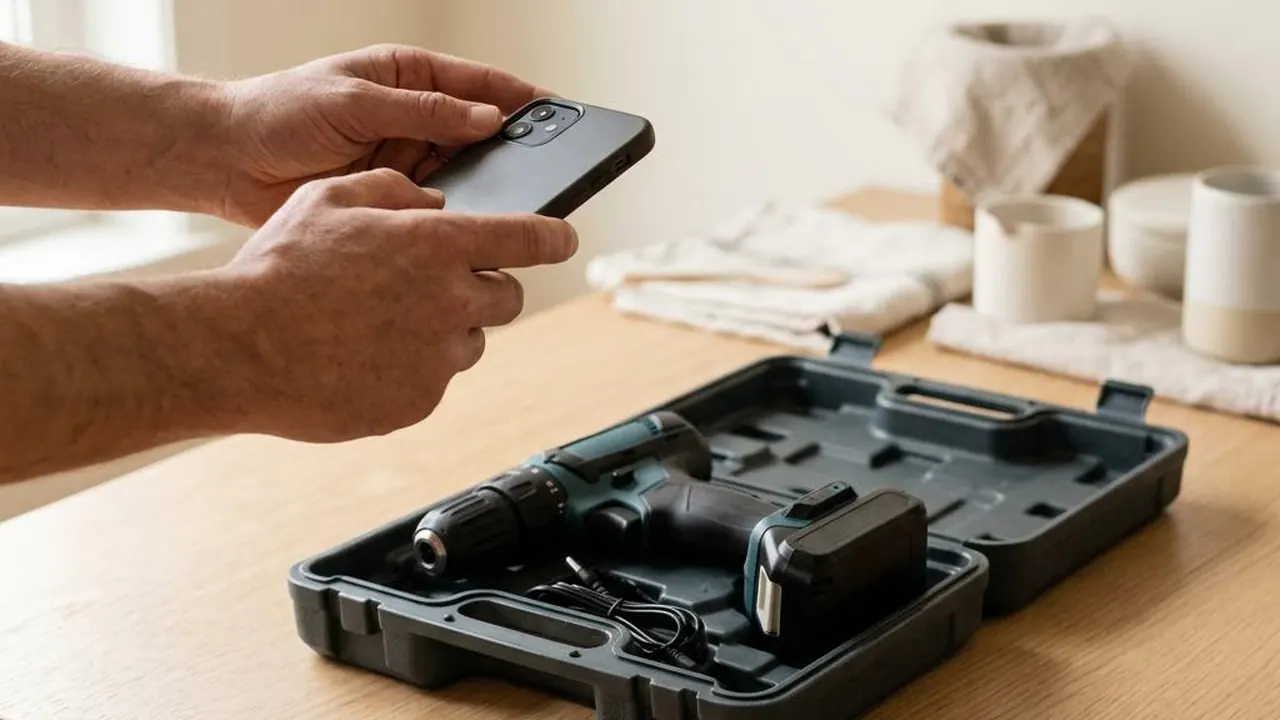
Imagine your neighbour owns an expensive power drill.
You need one for a weekend.
You know they have it, but you're uncomfortable asking.
What if you damage it?
What if they need it while you're using it?
What if they feel obligated to say yes?
Borrowing can sometimes create awkwardness.
But imagine seeing that same neighbour share a listing:
"I've listed my power drill for rent on Life4Rent. If anyone nearby needs one for a project, here's the link."
Suddenly, the situation changes.
You're no longer asking someone to do you a personal favour.
You're responding to an invitation to use something they have voluntarily made available.
You can agree on a rental price, duration and conditions.
Your neighbour has an opportunity to earn something.
You get access to the equipment you need.
And neither person has to feel uncomfortable about the arrangement.
Sometimes, paying a friend a fair rental price is more comfortable than asking them for a free favour.
It also gives you an opportunity to contribute to their financial well-being.
Instead of spending money elsewhere, you can support someone within your own community.
4. When You Share Your Listing, You Might Discover Something You Need Tomorrow
This is perhaps the most overlooked benefit of sharing a rental platform.
You're not just introducing people to your belongings.
You're introducing them to the possibility of listing their own.
Let's imagine a simple situation.
You live in an apartment building with 30 households.
You own a power drill and decide to list it on Life4Rent.
You share the listing in your building's community group.
One neighbour sees your post and realises they have a carpet cleaner sitting unused.
Another remembers they own a projector.
Someone else has camping equipment.
A fourth neighbour has two bicycles that rarely leave the garage.
A few decide to create their own listings.
Now something interesting has happened.
What began as one person trying to earn from a power drill has introduced several households to the possibility of sharing their belongings.
And next month, when you need a carpet cleaner, you may discover that your neighbour has made one available.
You shared one opportunity, but you may have helped create several others.
This is how a local rental community can begin to develop.
Not necessarily through a major advertising campaign.
Sometimes, it starts with one person sharing one listing.
5. Imagine What Could Happen in Your Workplace
Consider an office with 100 employees.
Many employees own things that others occasionally need.
Photography equipment.
Party supplies.
Bicycles.
Tools.
Gaming equipment.
Camping gear.
Even parking spaces, where permitted.
Now imagine a few colleagues start sharing their Life4Rent listings in an appropriate workplace community channel.
One employee discovers a colleague has a camera available for a weekend trip.
Another finds someone with a projector for a family celebration.
Someone planning a camping holiday discovers equipment available from a colleague.
Instead of purchasing new items, employees can explore temporary rental options.
The owners have an opportunity to earn.
The renters may spend less.
And colleagues discover resources that were previously invisible to them.
Nobody needs to turn the workplace into a marketplace or pressure colleagues to participate.
A voluntary, occasional sharing opportunity—where workplace rules permit it—could be enough to help people discover what's available.
Your workplace isn't just a place where people earn salaries. It may also be a community of people with useful resources and shared needs.
6. Students: Your Campus Could Be Full of Untapped Opportunities
Students often operate on tight budgets.
Yet university life regularly requires access to equipment and belongings that may only be needed for a few days.
Think about cameras for media projects, projectors for presentations, bicycles for transportation, gaming equipment, musical instruments, textbooks or event supplies.
Now imagine a student who owns a camera and lists it for rent.
They share the listing in a relevant student group.
Another student discovers the camera and rents it for a project.
That student then remembers they own a portable speaker that others might need for small events.
They list the speaker.
A third student lists camping equipment.
A fourth lists a bicycle.
Gradually, students become aware of belongings available within their own community.
This can be especially useful where purchasing equipment would place unnecessary pressure on limited student budgets.
And for students who already own suitable items, occasional rental income may help with transport, groceries or other everyday expenses.
The potential is not just about making money.
It's about making student life more affordable through better access to resources.
7. One Neighbourhood Doesn't Need 50 of Everything
Let's consider a familiar example.
Imagine 20 households on the same street.
Each household occasionally needs a ladder.
But how many ladders does that street really need?
If every household purchases one, that's 20 ladders.
Most of them may remain unused for the majority of the year.
Now imagine a few households own suitable ladders and make them available for rent when they're not using them.
Other households can access one when necessary instead of automatically buying their own.
The same principle can apply to carpet cleaners, gardening equipment, pressure washers, power tools and certain event supplies.
This doesn't mean every item should be shared or that ownership is unnecessary.
Availability, safety, convenience and rental costs still matter.
But where sharing makes practical sense, communities may be able to reduce duplicate purchases and make better use of belongings they already have.
A financially smarter community isn't necessarily one where everyone owns everything. It's one where people can conveniently access what they need.
8. Small Rental Payments Can Support People You Know
Let's look at another side of this idea.
Suppose you need a projector for a family celebration.
You could rent one from a commercial supplier.
But then you discover that a neighbour has listed a suitable projector on Life4Rent.
If the price, quality and rental conditions work for you, renting from that neighbour could be a practical alternative.
Your neighbour earns income.
You get the equipment you need.
And some of your spending directly supports someone in your community.
Now imagine the reverse.
Next month, that neighbour needs a bicycle for a visiting relative.
You happen to have one listed.
They rent it from you.
Both of you have benefited from knowing what the other person can offer.
This isn't charity.
It's a voluntary exchange where each person provides something of value.
You don't always need to give someone money to support their financial well-being. Sometimes, becoming their customer is enough.
9. Sharing Your Listing Doesn't Mean Begging People to Rent
Some people hesitate to share their listings because they're concerned about how others will perceive them.
They don't want to appear desperate.
They don't want to annoy friends.
They don't want to feel like they're asking for money.
But there's a difference between begging someone for financial assistance and letting them know you offer something useful.
If you own a camera and make it available for rent, you're offering a service.
If you own tools and allow others to rent them, you're creating access to useful equipment.
If you have a parking space available, you're potentially solving a problem for someone who needs parking.
You aren't asking people to give you money for nothing.
You're offering something of value in exchange for an agreed price.
And sharing that opportunity is simply making people aware that it exists.
You don't need to send repetitive messages or pressure anyone.
One friendly, relevant post can be enough to introduce the idea.
You're not asking for a favour. You're offering a choice.
10. Your Social Media Could Be More Useful Than You Think
Most of us use social media to share photographs, videos, opinions, jokes and everyday experiences.
But social media can also help us make our resources more visible.
Imagine sharing a simple message on your WhatsApp status:
"I have a carpet cleaner available for rent on Life4Rent. If anyone nearby needs one for a weekend, here's my listing."
Or posting in an appropriate neighbourhood Facebook group:
"Just listed my camping equipment for rent. Thought I'd share in case anyone nearby needs it for a trip. If you have useful items sitting idle, you can list yours too."
Or sharing with friends:
"I've started listing some of my unused belongings on Life4Rent. Have a look, and feel free to share your own listings. We might all discover useful things available nearby."
These messages don't need to be aggressive advertisements.
They can be friendly introductions to something genuinely useful.
A single post may reach someone who needs your item.
It may also inspire someone else to list an item you've been thinking about buying.
Of course, results depend on demand, timing and how relevant your item is to the people who see it.
But sharing creates awareness, and awareness creates the possibility of a connection.
11. Five Simple Ways to Make Your Rental Listings Work Harder
You don't need a marketing budget or professional advertising experience.
Start with a few practical steps.
First: Make your listing attractive.
Use clear photographs, an accurate description, a reasonable price and information about availability. Explain what the item is suitable for and any important conditions.
Second: Share your listing with relevant people.
Use your WhatsApp status, personal social media pages or community groups where sharing is welcome.
Third: Explain why someone might need the item.
Instead of simply posting "Camera for rent," try explaining that it's available for weekend photography projects or special occasions.
Fourth: Encourage others to list their belongings.
Let people know that they can explore opportunities to rent out their own useful items too. You may help create more choices within your community.
Fifth: Be reliable.
Respond to enquiries, keep your availability accurate, maintain your equipment and communicate rental terms clearly.
A good experience can encourage repeat rentals and recommendations.
The goal isn't to share your listing everywhere. It's to share it with people who may genuinely find it useful.
12. The Real Power of a Rental Platform Is the Community Behind It
A rental marketplace is more than a collection of items on a website.
Its usefulness depends on people making things available and other people knowing those things exist.
Imagine searching for a ladder and discovering one available a few streets away.
Or needing a camera and finding one listed by someone from your university.
Or planning a weekend trip and discovering camping equipment available within your community.
Each new listing creates another potential option.
Each person who shares a listing helps more people discover what's available.
And each successful rental can demonstrate that temporary access is a practical alternative to purchasing something new.
As more people participate, a rental marketplace can become increasingly useful—provided listings are reliable, reasonably priced and available when needed.
This is why sharing matters.
You're not simply promoting your own item. You're helping people discover a different way to access and make use of everyday belongings.
13. A Small Effort Today Could Create an Opportunity Tomorrow
Imagine you share your listing today.
Nobody rents it immediately.
Does that mean sharing was pointless?
Not necessarily.
Someone may remember your listing when they need the item next month.
A friend may forward it to someone else.
A neighbour may decide to list something similar.
A colleague may discover the platform and make equipment available that you eventually need.
You cannot predict which connection will lead to a rental.
But you can increase the chances of people discovering what you have to offer.
And you can help create a community where more useful belongings become visible and accessible.
Sometimes, the value of sharing isn't immediate.
Sometimes, you're helping build a network that may benefit you later.
Final Thought: Don't Just List It. Let Your Community Know It Exists.
Think about how many useful belongings are sitting unused in homes around you.
Cameras.
Tools.
Bicycles.
Projectors.
Camping equipment.
Household appliances.
Things people own but rarely use.
Now think about how many people nearby may be considering buying those same things for temporary needs.
The problem isn't always that the resources don't exist.
Sometimes, the people who need them simply don't know where to find them.
Rental platforms like Life4Rent can help bridge that gap.
But the community has a role to play too.
Every listing adds another potential opportunity.
Every share helps someone discover what's available.
Every new participant may bring something useful that others need.
And every suitable rental can create value for both the owner and the renter.
So don't just list your item and wait. Share it. Talk about it. Let people know what you have. Encourage them to share what they have too.
Because the item your neighbour needs today might be sitting in your home.
And the item you need tomorrow might already be sitting in theirs.
One listing can create an opportunity. One share can introduce it to a community. And a connected community can help everyone make better use of what they already own.
Your Community Has More to Offer Than You Think
Already listed an item on Life4Rent? Share it with your friends, colleagues and neighbours.
Haven't listed anything yet? Look around your home. You might have something useful that someone nearby needs.
And the next time you need something, consider renting before buying.
List it. Share it. Rent it. Earn from it.
Life4Rent — Rent Anything. Earn Everywhere.