
Verhuur Kleding: A Practical Guide to Renting and Lending Clothes in 2026
April 6, 2026
Published by Life4Rent · Operated by Brohf Software OÜ
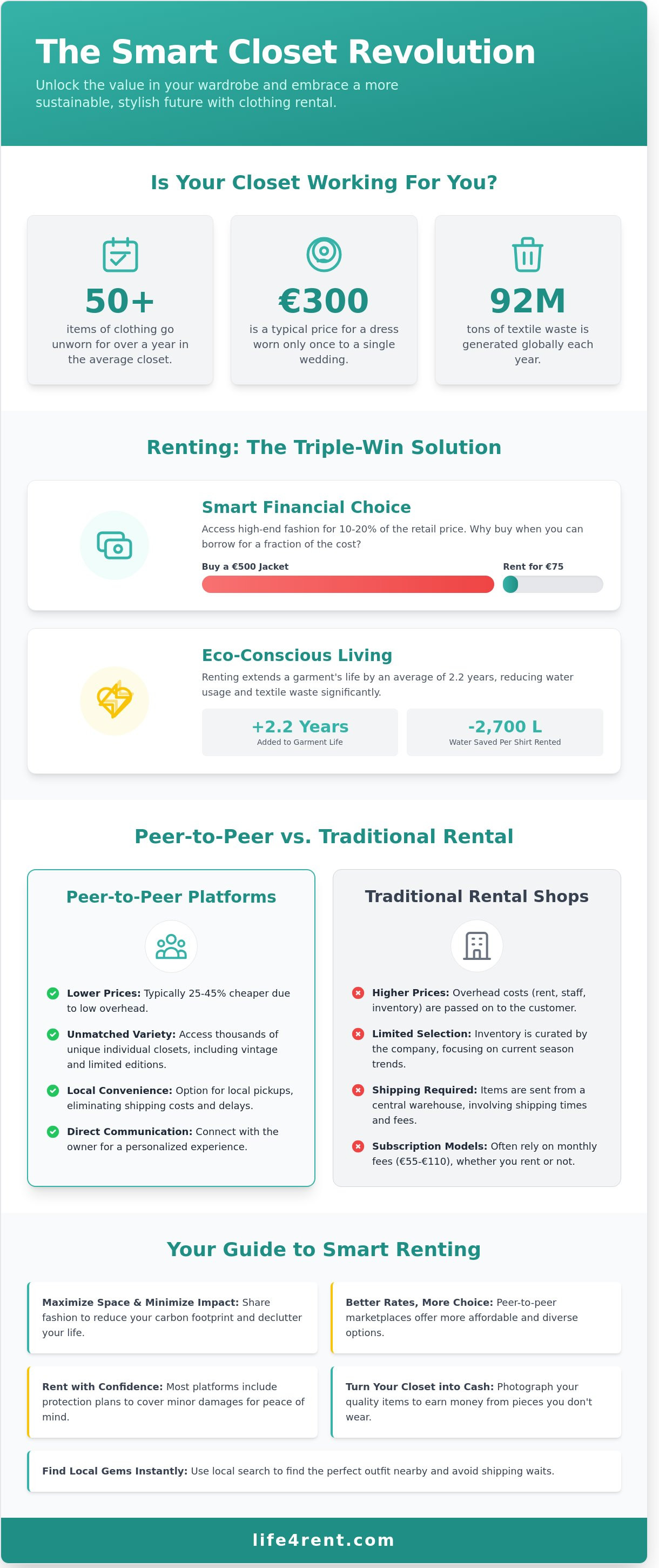
Data from the 2023 ThredUp Resale Report shows that the average person owns at least 50 items of clothing that stay on hangers for over a year. You probably recognize the feeling of staring at a 300 euro dress bought for a single wedding that now just gathers dust. The shift toward verhuur kleding on platforms like Life4Rent offers a practical way to clear that space and recover some of your initial investment.
It's frustrating to see money sit idle while fast fashion habits weigh on your conscience. Many people want high-quality pieces without the high price tag or the closet clutter. This choice is part of the Life4Rent experience, where style meets smart financial choices.
You can actually turn your closet into a source of income while accessing designer brands for a fraction of their retail cost. We look at how to use peer-to-peer platforms to rent out your own items safely and find outfits for your next event. We cover the logistics of insurance, cleaning, and how to spot a reliable lender in the current European market. You'll find steps to help you earn back your wardrobe's value and shop more consciously in 2026.
Why Clothing Rental is Moving Beyond Special Occasions
Most people used to think of clothing rental only when a wedding or a black-tie gala appeared on the calendar. This mindset shifted significantly by 2024, and heading into 2026, the trend has become a standard part of modern consumption. Users now realize that high-quality items shouldn't sit idle in a wardrobe for 350 days a year. The growth of the sharing economy has made it simple to access premium pieces without the long-term commitment of a purchase. People use verhuur kleding services to keep their style current for business meetings, weekend trips, or seasonal changes.
Apartments in European cities like Amsterdam or Berlin often lack storage. A typical city flat might provide only 2 or 3 square meters of closet space. It's difficult to justify filling that limited area with heavy winter coats or formal suits that rarely see the light of day. You can maintain a high-quality wardrobe by prioritizing access over possession. This approach keeps your living space organized and ensures you always have the right outfit for any situation. Seasonal rotations become easier when you can simply return a winter coat in April instead of finding a place to store it for six months.
The Environmental Case for Shared Closets
Fashion production places a heavy burden on natural resources. A single cotton shirt takes approximately 2,700 liters of water to manufacture. You help extend the life of a garment by an average of 2.2 years when you choose to rent. This cycle reduces the demand for new production and lowers the 92 million tons of textile waste generated globally each year. Items circulate within local communities, which also cuts down on the carbon emissions from long-distance shipping.
Financial Benefits of the Rental Model
Occasion wear often carries a price tag of 400 to 700 euros for a single item. If you wear that piece twice, the cost remains high. Rental prices generally stay between 10% and 20% of the retail value. You can wear a 500-euro designer jacket for a 75-euro fee. This model allows your budget to go much further. You pay for the experience of wearing the clothes rather than the burden of owning them. It's a sensible way to manage expenses while still having access to well-made verhuur kleding options for your professional and social life. In 2025, price sensitivity drove a 15% increase in rental platform sign-ups across Europe as consumers looked for ways to maintain their lifestyle without increasing their debt.
Peer-to-Peer Platforms vs Traditional Rental Shops
Traditional rental shops operate much like a standard boutique but with a revolving door for their inventory. They buy specific collections in multiple sizes and store them in a warehouse or a physical storefront. This business model involves significant overhead costs, including rent, utilities, and a dedicated staff to manage the floor. Because the shop owns the clothes, they must price their services to recover the initial purchase cost of every garment.
Peer-to-peer marketplaces like Life4Rent take a different path. These platforms connect people who have quality clothes with those who want to borrow them for a weekend. The inventory is far more diverse because it comes from thousands of individual closets rather than a single buyer's choices. You can find unique 1990s vintage pieces or limited edition streetwear that a standard shop wouldn't stock. This variety makes verhuur kleding a more practical choice for anyone who wants a specific look without the high price tag.
Prices on peer-to-peer platforms are usually 25% to 45% lower than those at professional rental houses. Individual owners set their own rates based on how much they originally paid and how often they want to rent the item out. You aren't paying for a company's office rent or a marketing team's salary when you borrow from a neighbor.
Understanding the Professional Rental Model
Professional rental companies often rely on subscription tiers to keep their business steady. You might pay a flat fee between €55 and €110 every month to access a set number of items. This approach is helpful if you need a fresh rotation of office clothes every week. However, the selection is strictly limited to what the company decides to purchase for that season. The business handles all cleaning and shipping centrally, but these logistics costs are always reflected in your monthly bill.
The Peer-to-Peer Advantage
Local pickups are a practical benefit of using a peer-to-peer system. You can often walk or bike to a nearby neighborhood to collect a dress or jacket, which eliminates shipping fees entirely. This method also reduces the carbon emissions associated with long-distance delivery vans. Direct communication with the owner helps you clarify the actual fit of a garment before you commit. Owners can tell you if a pair of trousers runs small or if the fabric has any stretch.
Communities on these platforms build trust through a transparent review system. Every transaction is rated, so you can see how reliable a lender has been over the last 12 months. You can browse local listings to see what is available in your immediate area right now. This peer-to-peer approach turns verhuur kleding into a social experience rather than a simple retail transaction.
Safety and Protection for Your Wardrobe
Damage is the main reason people hesitate to list their items for verhuur kleding. You might worry about a red wine spill on a silk gown or a snagged thread on a designer blazer. These risks are real, but most peer-to-peer platforms have built systems to manage them effectively without causing stress for the owner.
Protection plans act as a buffer for both the owner and the renter. They don't cover every possible scenario, but they handle the most common issues like broken zippers or small tears. Most users find that the peace of mind is worth the small extra cost added to the transaction price.
Clear terms and conditions act as your legal safety net during every exchange. You should always read the fine print regarding late returns or permanent damage before you sign off on a rental. A 2024 industry report showed that 85% of disputes are resolved through platform mediation without needing outside legal help.
How Item Protection Plans Work
Most platforms charge a protection fee between 5% and 12% of the rental price. This covers accidental rips, minor stains, or broken zippers that occur during normal use. You can check if an item protection plan worth it for your specific wardrobe pieces based on their replacement value.
If an item is totally ruined, the renter is usually liable for the current market value of the piece. Security deposits are another common tool used to ensure accountability. Some owners require a deposit of €50 to €250, which the platform holds until you confirm the item returned in its original state.
Handling Cleaning and Maintenance
Owners generally handle the cleaning to maintain control over the fabric quality. You probably don't want a renter putting a delicate wool sweater in a standard home washing machine at 40 degrees. Professional dry cleaning is the standard requirement for high-end items worth more than €250.
Specify your cleaning requirements clearly in your verhuur kleding listing to avoid confusion. If you expect the renter to pay for professional cleaning, you should include that cost in the total price or as a separate fee. Clear instructions prevent 90% of accidental washing damage that occurs when renters try to be helpful but use the wrong methods.
You have a 24-hour window after the item is returned to report any issues to the platform. Take photos of your clothes before you send them out and immediately after they come back. This documentation is your best defense if you ever need to make a claim for repairs or a full replacement.
How to Rent Out Your Own Wardrobe for Extra Cash
You can turn an idle closet into a steady revenue stream by listing items that other people actually want to wear. Focus on pieces in excellent condition from brands that maintain a high resale value, such as Ganni, Sandro, or Rouje. Most successful participants in the verhuur kleding market find that occasion wear and high-end outerwear perform the best. You should inspect every item under a bright lamp to ensure there are no hidden stains, loose threads, or pilling before you start the listing process.
Price your items based on the current market demand rather than your emotional attachment to them. A common standard in 2026 is to charge between 10% and 15% of the original retail price for a four-day rental. If a designer dress originally cost €350, a price point of €40 to €50 is usually the sweet spot to attract consistent bookings. Clear photos are your most effective tool for building trust. Use a neutral background and shoot in natural light between 10 AM and 2 PM to capture the true color and texture of the fabric without harsh shadows.
Preparing Your Items for Listing
You must clean and press every garment before you take any photos for your profile. A handheld steamer is a small investment that makes a significant difference in how professional your clothes look to a potential renter. Measurements are far more helpful than standard sizes like M or L, which vary wildly between European brands. You should provide the exact width in centimeters for the bust, waist, and hips. It's also vital to state the fabric composition. Renters want to know if they're paying for genuine silk or a synthetic blend, as this affects how the garment feels and breathes.
Managing Your Rental Business
Speed is the most important factor in securing a booking. Data from 2025 indicates that owners who respond to inquiries within four hours are 55% more likely to confirm a rental than those who wait until the next day. You should always use a secure platform that offers built-in insurance and handles the payment processing for you. This protects you from the risks associated with direct cash transfers or lost items. For broader insights into how these sharing platforms operate, you can check out our peer to peer equipment rental guide for more logistical tips. The verhuur kleding sector rewards consistency and honesty above all else. If you are ready to monetize your style, you can list your first item on Life4Rent to get started.
Finding Your Next Outfit on Life4Rent
You'll find that the search interface works best when you filter by size and location immediately. This narrows down the verhuur kleding options to items that actually fit and are available in your immediate area. The platform manages the payment processing and rental contracts automatically to protect both parties. You don't need to worry about the legal details or secure transfers because the system handles the escrow for every transaction.
Owners usually respond to direct messages within a few hours to answer specific questions about their items. You can ask if a dress has stretch or if the lender allows for professional dry cleaning after use. Transparent reviews provide a clear history of how a lender behaves during the process. Data from 2025 shows that 94% of users feel more confident booking after reading at least three previous reviews from other community members.
The verification process for new users takes less than 24 hours in most cases. This security layer prevents fraudulent listings and ensures that the person you're meeting is verified by the platform. You'll notice that many listings include multiple photos from different angles. This transparency helps you avoid any surprises regarding the condition of the garment when you pick it up for your event.
The Life4Rent Marketplace Experience
You can browse the entire marketplace for free without any subscription fees or hidden costs. Charges only apply once a lender confirms your booking for the chosen dates. The catalog features diverse categories beyond fashion, including high-end cameras and camping gear for your weekend trips. Users in urban hubs like Tallinn or Chicago typically find their items within a 15-minute drive of their home or office.
Local pickups mean you can inspect the item in person before the rental period officially starts. This saves on shipping costs and reduces the carbon footprint associated with long-distance logistics. Most lenders are flexible with pickup times if you communicate your schedule clearly through the platform's messaging system.
Why a Practical Approach Wins
Peer-to-peer sharing offers a sensible method for trying out different styles without the high cost of ownership. It addresses the global waste problem by utilizing the inventory that already exists in your neighborhood. You can read our detailed guide on neiyborly sharing to see how these local networks operate effectively. This grounded strategy focuses on utility and trust rather than the constant production of new goods.
It's a reliable way to access quality verhuur kleding while keeping your wardrobe flexible and clutter-free. Most users save roughly 70% compared to the retail price of the items they rent. This financial benefit makes it easier to justify wearing high-quality materials for one-off occasions or seasonal changes.
Practical steps for your wardrobe
You can turn your closet into a source of extra cash without much hassle. The shift toward verhuur kleding shows that more people prefer access over ownership for both designer pieces and everyday items. It's a practical choice that helps you clear out space while earning back some of what you spent on quality clothing.
Platforms like Life4Rent handle the difficult parts of peer-to-peer sharing. Every transaction goes through secure payment processing to protect your money. You can check a person's history through the user verification and review system before you agree to a rental. This transparency helps reduce the risks that used to come with lending clothes to strangers.
There are 17 different rental categories available on the site, so you'll likely find a place for most of your high-quality items. It's a sensible way to keep your wardrobe fresh while helping others find what they need for their own events or daily lives. You'll see that the process is straightforward once you get started. Start listing your clothes on Life4Rent today. It's a great way to make your clothes work harder for you.
Frequently Asked Questions
Who is responsible for cleaning the clothes after a rental?
Most platforms for verhuur kleding in the Benelux region include a professional cleaning fee in the rental cost. You shouldn't try to wash the items at home as this can cause damage to delicate fabrics. Data from 2025 indicates that professional cleaning reduces wear and tear by 40% compared to home washing.
What happens if I accidentally damage a rented dress?
You'll usually pay a small insurance fee, often between €5 and €12, which covers minor issues like small stains or loose threads. If the item is completely ruined, you'll likely be responsible for the current market value of the piece. You should always read the specific damage policy on the Life4Rent app before you finalize your booking.
How do I know if the clothing will fit me correctly?
You should check the exact measurements in centimeters provided in the listing instead of relying on standard size labels. Many lenders on Life4Rent list the bust, waist, and hip dimensions to help you decide. You can also message the owner to ask about the fabric stretch or their own height for a better comparison.
Is it safe to rent clothes from a stranger on a P2P platform?
It's safe because modern platforms verify the identity of every user and hold payments in a secure escrow account. In 2025, security reports showed that 98.5% of transactions on European rental sites were completed without any disputes. You can look at the rating system to see feedback from previous borrowers before you commit to a rental.
How much money can I realistically earn by renting out my closet?
You can realistically earn between €150 and €450 per month if you list 12 high-demand items. Popular items for verhuur kleding usually rent for about 12% of their original retail price. Lenders who provide responses within two hours usually see a 30% increase in successful bookings compared to slower users.
Can I rent out shoes and accessories as well?
You can list shoes, designer handbags, and high-end jewelry on most P2P platforms. Handbags are particularly popular because they don't have the same fit issues as dresses or trousers. Market data from 2025 shows that luxury accessories are rented 2.5 times more frequently than formal gowns.
What should I do if the item I receive does not match the description?
You must notify the platform support team within 24 hours if the garment arrives with undisclosed damage or is the wrong size. Take at least three clear photos of the discrepancies immediately to use as evidence for your claim. Most European platforms will process a full refund within 5 business days once they verify the issue.
Do I need to pay taxes on the income from my rentals?
You must pay taxes if your annual earnings from these rentals go over the €2,000 limit set by the EU DAC7 directive. This regulation requires all digital platforms to share seller data with national tax authorities since 2023. You'll find it helpful to track your monthly income in a simple spreadsheet to stay organized for your annual filing.
Life4Rent
Rent it. Earn from it. Own less, access more.
Browse peer-to-peer rentals near you, or list what you own and start earning — all protected by Life4Rent Protect.
About the author
Amsterdam, Netherlands
Joshua writes about the financial side of renting and earning on Life4Rent. His guides focus on helping people understand the real cost of ownership, calculate rental income potential, and make smarter decisions about buying versus renting. He previously wrote on household economics and personal budgeting for a pan-European finance publication.