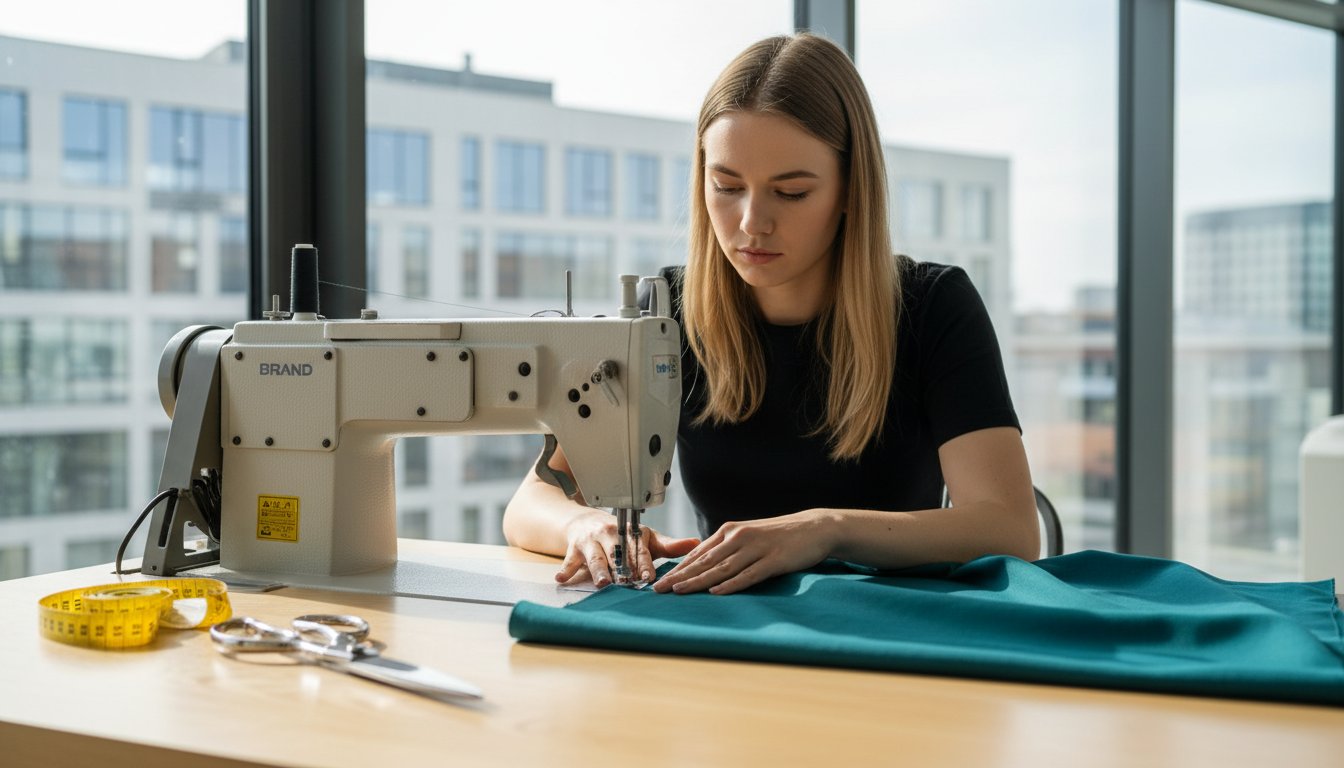
Sewing Machine Rental: A Practical Guide for Your Next Project
March 21, 2026
Published by Life4Rent · Operated by Brohf Software OÜ
Last Tuesday, a hobbyist in Berlin spent four hours trying to sew through four layers of heavy denim before her entry-level motor finally burned out. Most people realize that a high-end machine capable of handling leather or thick canvas usually costs upwards of €850. It's also difficult to justify the space a heavy-duty unit takes up in a 45-square-meter apartment when you only need it for a single weekend project.
You can access professional-grade equipment without the maintenance chores or the steep upfront price tag. A sewing machine rental through a peer-to-peer platform allows you to finish your project with a tool that actually works, rather than fighting with a cheap plastic alternative. This guide explains how to find the right model for your specific fabric and why renting from a neighbor often beats the local retail shop.
Peer-to-peer listings frequently include better-maintained machines that the owners actually use and care for. We'll look at how to check a machine's service history and how to verify that it has the specific presser feet you need for zippers or heavy seams. You'll also learn how to avoid common rental pitfalls so your project stays on track without any technical hiccups.
The case for sewing machine rental over ownership
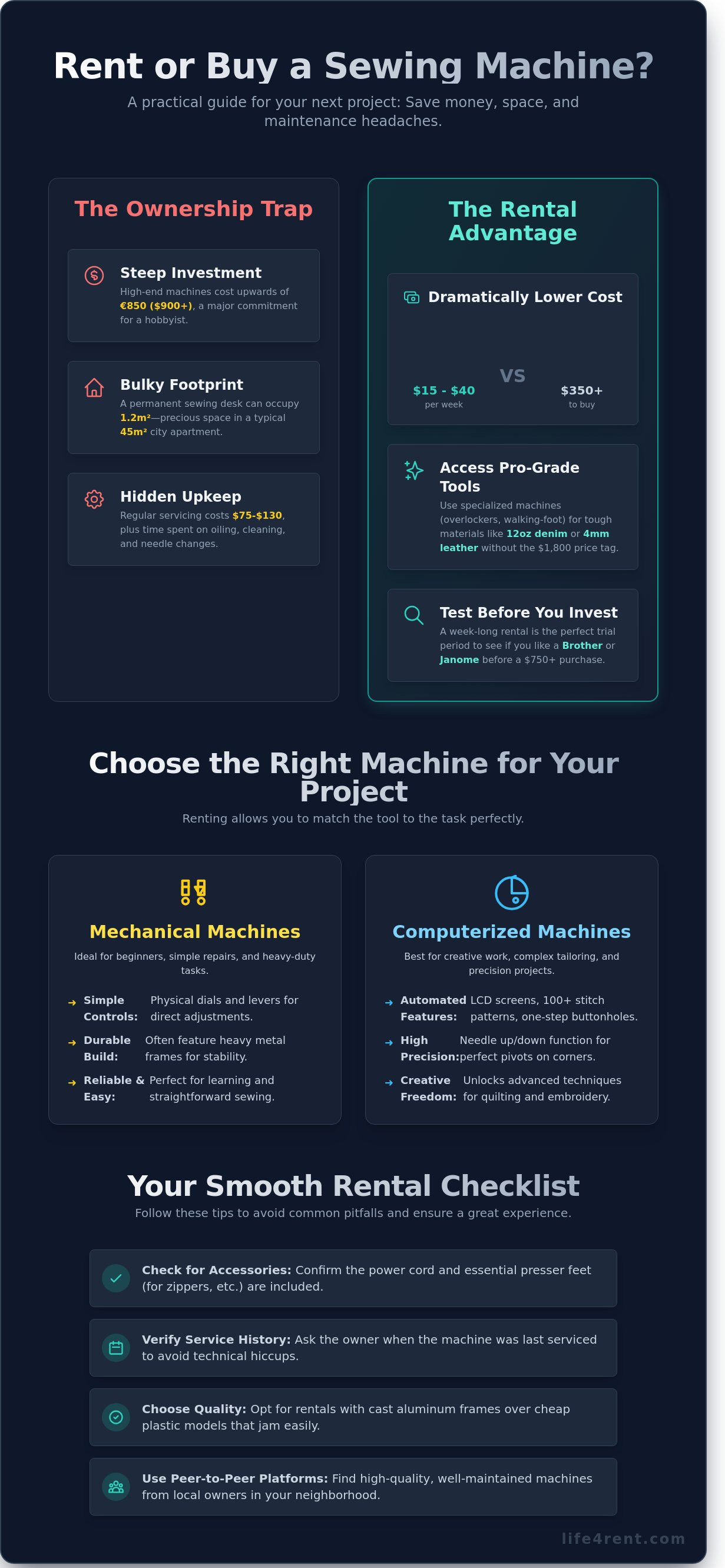
A high-quality industrial unit is a heavy commitment for any hobbyist. Some vintage or heavy-duty industrial models weigh nearly 400 pounds, making them almost impossible to move without professional assistance. Most people only need a high-performance machine for three or four days a year to hem heavy trousers or fix a set of curtains. A history of the sewing machine shows how these tools evolved from simple hand-cranked devices to complex electronic systems that require precise calibration and regular care.
Space is another major factor for city dwellers. You might live in a 45-square-meter apartment in a city like Berlin or Paris where every centimeter of floor space is valuable. A permanent sewing desk takes up roughly 1.2 square meters. If you choose a sewing machine rental, you use the tool on your kitchen table and return it to the owner when the job's finished. This keeps your living area clutter-free and functional.
To better understand how the rental process works, watch this helpful video:
Maintenance is a hidden cost that many beginners overlook. A standard mechanical service for timing adjustments or internal cleaning usually costs between $75 and $130 in local repair shops. Owners must also track several technical tasks:
- Apply oil to the oscillating hook every 10 to 15 hours of use.
- Clear lint from the feed dogs to prevent motor strain.
- Change bent needles that can damage the throat plate.
Rental platforms shift these technical burdens to the equipment owner. You receive a machine that's already lubricated and ready to run.
Specialized tasks require specific hardware that most people don't own. You can't easily sew 4mm thick leather or 12oz denim with a standard home machine without breaking needles or burning the motor. A sewing machine rental gives you access to heavy-duty walking-foot machines or overlockers that handle difficult fabrics. You get the right tool for the specific material without spending $1,800 on a niche device you'll only use once.
Avoid the trap of cheap plastic machines
Budget machines priced under $110 often look like a bargain at the local supermarket. These units typically use plastic internal gears that can't handle the torque required for heavy canvas or thick seams. You'll likely spend 40% of your time unjamming thread or resetting the bobbin. Rental-grade machines feature cast aluminum internal frames that ensure the needle stays aligned during high-speed operation. This mechanical stability leads to consistent 3.5mm stitches that won't puck or skip on delicate silk.
Test a brand before you invest
You might prefer the digital touchscreen interface of a modern Brother or the tactile dials of a classic Janome. A five-minute demonstration at a retail store doesn't provide enough data to make a $750 decision. A full week of use at home reveals how the bobbin system behaves during a three-hour session. You can verify if the motor stays cool when you work on a queen-sized quilt made of thick batting. This trial period prevents expensive buyer's remorse and helps you find a machine that fits your specific workflow.
The right machine for your specific sewing needs
The correct equipment choice depends entirely on the project sitting on your workbench. A basic mechanical machine works well for simple repairs; however, complex tailoring requires more sophisticated features. You'll find that a sewing machine rental allows you to match the tool to the task without a permanent commitment.
Mechanical machines rely on physical dials and levers to adjust settings. These are often built with heavy metal internal frames, which makes them stable during high-speed operation. They're ideal for beginners because every setting is visible at a glance. You don't have to navigate digital menus to change a stitch length; you just turn a knob.
Computerized models offer a different experience for the user. These machines typically feature an LCD screen and often include over 100 built-in stitch patterns. One major advantage is the automatic buttonhole feature, which completes a consistent closure in one step. They also include a needle up/down function. This allows the needle to stop in the fabric every time you pause, which is helpful for pivoting around sharp corners.
Mechanical vs computerized rentals
Your choice between these two often comes down to your personal comfort with technology. Mechanical dials are intuitive and less likely to suffer from electronic glitches over time. They're the reliable workhorses of the sewing world. If you're fixing a pair of curtains or hemming trousers, a sturdy mechanical model is usually enough.
Computerized screens provide a level of precision that manual dials cannot match. You can set the exact width of a zigzag stitch to the tenth of a millimeter. This control is necessary for decorative topstitching or intricate garment construction. Many hobbyists find that renting craft equipment is the best way to test these digital features before spending $1,500 on a new unit.
Heavy-duty machines are a separate category you should consider for specific materials. These units feature powerful motors designed to pierce through thick, stubborn layers. If you're working with 14oz denim, marine-grade canvas, or leather upholstery, a standard domestic machine will likely jam. Rental platforms often list industrial-strength portables that handle these tough materials without skipping stitches.
Sergers, also known as overlockers, are essential for anyone working with stretchy knit fabrics. They use three or four threads to wrap around the edge of the fabric, which prevents fraying while allowing the seam to expand. A standard machine cannot replicate this finish. Most high-quality sergers cost between $400 and $1,200; therefore, renting one for a specific jersey-knit project is a smart financial move.
Specialty machines for advanced projects
Embroidery machines use computerized hoops to stitch complex logos and floral patterns. These machines require specific software and digitized files to function correctly. Because they're often used infrequently for special occasions, they're a popular choice for sewing machine rental. You can finish a dozen personalized gifts in a single weekend and return the machine on Monday.
Long-arm machines represent the standard for serious quilting projects. These massive frames can be 10 to 12 feet long, allowing you to quilt a king-sized blanket in one continuous session. Buying one requires a dedicated room and an investment often exceeding $10,000. Peer-to-peer rentals make this technology accessible for a small fraction of that price.
High-quality results don't always require a permanent purchase of expensive gear. You can browse the available listings on Life4Rent to find a machine that fits your current skill level and project requirements. This approach keeps your workspace clear and your hobby budget intact.
Cost analysis: Renting vs buying a sewing machine
Financial clarity is essential when you start a new craft. A reliable mid-range machine usually demands an initial investment of at least $350. This price point gets you a sturdy frame and a decent variety of stitches, but it doesn't include the long-term overhead. A sewing machine rental through a peer-to-peer platform generally costs between $15 and $40 per week depending on the model's capabilities. This model allows you to use high-end hardware for a fraction of the retail price. You pay for the utility of the tool rather than the metal itself.
People often forget that machines are mechanical assets that require upkeep. A professional service technician in most European cities will charge around $80 for a basic tune-up. This service is necessary at least once a year to prevent the internal gears from seizing or the timing from slipping. Renters don't carry this burden. The owner of the machine handles the oiling, calibration, and deep cleaning. You receive a tool that is already in peak working condition.
The break-even point for hobbyists
Math plays a big role in deciding whether to buy. Most hobbyists finish about five projects annually. If a project takes one week to complete, your total rental expenditure stays around $125 for the year. It would take nearly three years of rental fees to equal the initial $350 purchase price. When you add the $240 in service fees over those three years, the gap widens. You can access a $1,200 computerized machine for the same price you'd pay to own a basic mechanical one.
Hidden costs of machine ownership
Accessories and storage add layers of expense that are easy to ignore. Specialized presser feet for invisible zippers or rolled hems often cost $20 each. A collection of five or six feet can easily add $100 to your total bill. Owners also need to find physical space for the machine, a hard-shell case, and a sturdy table. In a city where every square meter of floor space has a monthly cost, a permanent sewing corner is a significant commitment.
Resale value is another harsh reality for owners. Electronic sewing machines act like laptops; they lose value quickly as new models appear. After three years, a machine originally bought for $350 might only fetch $180 on the used market. This 48% drop in value represents a sunk cost you never recover. The rental model eliminates the risk of being stuck with outdated technology that you can't sell for a fair price. You simply return the item when the job is done.
Peer-to-peer platforms like Life4Rent provide a practical way to test different brands. You might find that a heavy-duty Singer suits your style better than a delicate Janome. These trials help you avoid an expensive mistake. If you eventually decide to buy, you'll do so with actual data from your own experience. Until then, you keep your capital liquid and your cupboards clear of bulky equipment you only use occasionally. A sewing machine rental keeps your hobby flexible and your budget under control.
Practical tips for a smooth rental experience
You need a clear inventory list before you leave the pick-up location. Always verify that the power cord and foot pedal are in the carry case. These components are specific to each model; a pedal for a heavy-duty Singer won't function on a computerized Brother. If these parts are missing, your sewing machine rental becomes an expensive paperweight until you can source replacements. You should also check for the standard presser feet, such as the zipper foot or buttonhole foot, as these are easy for owners to overlook during the handoff.
Question the owner about the specific date of the machine's last professional service. A sewing machine that saw a technician within the last 12 months will likely provide a much better experience than one sitting in a closet since 2021. Dust and old oil can gum up the internal gears, leading to sluggish performance or uneven stitch lengths. If the owner cannot remember the last service date, take a moment to open the bobbin plate. A clean bobbin area free of grey lint is a good sign that the owner maintains the equipment properly.
Confirm you have the correct needle type for your specific project before you start. You should never assume the needle already in the machine is sharp or the right size. A size 90/14 needle works well for denim, but it will leave visible holes in delicate silk. Run a test on a 10x10 cm scrap piece of your actual fabric to check the tension. This trial run allows you to adjust the upper thread tension dial without risking damage to your main project pieces. If the stitches look looped or bunched on the bottom, the threading or tension needs a quick correction.
What to bring and what to buy
Thread is almost never included in a rental for hygiene and quality reasons. Cheap, low-grade thread sheds excessive lint that can clog the internal mechanisms of a high-end machine. You should invest in a fresh spool of high-quality polyester thread from brands like Gutermann or Mettler. These brands produce 100% polyester threads that are smooth and consistent, reducing the risk of breakage during high-speed sewing.
You must buy a new pack of needles for every new rental. A needle is designed to last for about 8 hours of active sewing before the tip dulls. Using a fresh needle prevents snags and ensures the machine pierces the fabric cleanly. Additionally, you need to verify the bobbin size. Most modern machines use Class 15 bobbins, but older European models might require specialized metal ones. Ask the owner for the exact bobbin type so you don't accidentally jam the shuttle race with the wrong size.
Safe transport and setup
A hard shell case is a vital tool for protecting the machine during transit. It shields the delicate tension dials and spool pins from accidental bumps in your car. If the owner only provides a soft dust cover, place the machine on the floor of the passenger side rather than the seat. This prevents the unit from tipping over if you have to brake suddenly. You should always carry the machine by the base or the designated handle to avoid putting pressure on the needle bar.
Your workspace must be a sturdy, level table to avoid excess vibration. A flimsy folding table will shake when the machine reaches 800 stitches per minute, which can lead to skipped stitches or crooked seams. Once you are set up, you must thread the machine exactly as the manual describes. Even a small error, like missing the take-up lever, will cause the thread to bird-nest under the fabric within seconds. If you don't have the physical manual, most manufacturers provide PDF versions online that you can follow on your phone.
Ready to start your next creative project without the long-term commitment of a purchase? Browse available equipment on Life4Rent to find the perfect match for your fabric type and skill level.
Find a sewing machine on Life4Rent
Many households in European cities like Berlin, Paris, or Budapest own high-end Bernina or Janome models that rarely leave the storage closet. These machines often cost over €1,200 and sit idle for 300 days a year because the owner only uses them for occasional repairs or seasonal projects. You can find a high-quality sewing machine rental in your immediate neighborhood through the Life4Rent platform without driving to a commercial district or a specialized warehouse.
Traditional repair shops or specialized sewing cafes usually operate with strict 9-to-5 opening hours that don't always align with a busy work schedule. Peer-to-peer rentals offer more freedom because you coordinate directly with a neighbor who understands your specific needs. This means you can pick up a heavy machine on a Sunday evening or return it late at night after you finish a long upholstery project. Owners on the platform are usually hobbyists themselves, so they tend to be more flexible with handover times than a retail business.
Detailed reviews play a vital role in the selection process on Life4Rent. You'll see feedback from at least 5 to 10 previous users on popular listings in your local area. These comments often mention if the machine was recently oiled or if the motor runs quietly during late-night sewing sessions in an apartment. It's a much safer option than buying a used unit from a random classified ad where you can't verify the maintenance history or test the stitch quality before paying.
How to browse the marketplace
You should start your search by selecting the "Home Goods" or "Tools" category on the main landing page. Most successful renters look for listings that include at least 4 clear photos showing the needle plate, the bobbin housing, and the full accessory box. If a listing lacks detail, send a quick message to the owner through the platform's secure chat. Ask specifically if the machine handles heavy denim or if it includes a printed manual for its 100+ stitch patterns.
The platform simplifies the search for specific hardware like overlockers, coverstitch machines, or embroidery units. You don't have to settle for a basic entry-level model from a big-box store that might struggle with thicker fabrics. Instead, you can access a computerized machine with automatic thread cutters for a fraction of its purchase price. This approach helps you decide if a specific brand fits your workflow before you commit to a large permanent investment in your own equipment.
Listing your own machine for cash
A mid-range machine requires a professional service check every 12 months, which typically costs between €60 and €90 in most urban areas. You can cover this entire maintenance expense by offering your sewing machine rental for just three or four days a year. Most owners set a daily rate at approximately 2% to 3% of the machine's original retail value. For example, a machine that cost €500 usually rents for about €15 per day, making it an affordable option for the renter and a steady earner for you.
Accurate descriptions will help you get more bookings and maintain high ratings from the community. List every stitch type available and mention if you include extra bobbins, specialized presser feet, or a hard carrying case. Clear communication prevents misunderstandings about what the machine can actually do for a specific project. You'll find that most renters treat the equipment with respect because they are part of the local sewing community and want to maintain a positive reputation on the site.
Start Your Next Project Without Buying New Equipment
A high-quality sewing machine often costs between $200 and $1,500, which is a significant investment if you only need it for a single weekend. Most hobbyists find that a sewing machine rental is a better financial choice for one-off repairs or specialized embroidery tasks. You can test different models from local owners in cities like Tallinn or Chicago before you commit to a permanent purchase.
Life4Rent provides access to 17 different categories of daily items, so you aren't limited to just textile tools. Every transaction relies on secure peer-to-peer agreements to protect both the owner and the renter. You'll find that local listings make it easy to pick up a heavy-duty machine for denim or a delicate one for silk without the clutter of extra machinery in your home.
Check the current listings to see what's available in your neighborhood right now. Find a sewing machine for your next project on Life4Rent. Your next creative project stays simple and affordable when you have the right tools on hand.
Frequently Asked Questions
How much does it cost to rent a sewing machine for a week?
Prices for a weekly rental typically range from €25 to €60 depending on the model's complexity. Basic mechanical units sit at the lower end of this scale, while computerized machines often cost 40% more due to their advanced features. You should also prepare for a security deposit, which usually equals 50% of the machine's current market value.
Do I need to buy my own thread and needles when I rent?
You generally need to provide your own consumables like thread and specific needles to ensure they match your fabric type. Most owners include one standard universal needle, but 80% of projects require a fresh needle to avoid skipped stitches. It's better to spend €5 on a pack of quality needles than to risk damaging the machine or your fabric.
Can I rent a heavy-duty machine for leather or denim?
Yes, you can find specialized industrial or heavy-duty models designed to handle 5mm thick leather or multiple layers of denim. These machines feature stronger motors and internal metal frames that standard domestic units lack. Look for listings that specify a walking foot or industrial motor if you plan to work on upholstery or heavy canvas projects.
What happens if the sewing machine breaks during my rental?
You are responsible for the machine's condition during the rental period, so check the specific agreement for damage policies. Most peer-to-peer platforms require the renter to cover repair costs if the damage results from misuse, such as sewing over a metal zipper. If a mechanical part fails due to normal wear and tear, the owner typically handles the maintenance cost.
Is it hard to learn how to use a rental machine?
You can usually learn the basics of a new sewing machine rental in about 20 minutes by following the manual or a quick video tutorial. Modern machines often have numbered threading paths printed directly on the plastic body to help beginners. If you're moving from a mechanical to a computerized model, expect a slightly longer period to understand the digital stitch settings.
Where can I find a sewing machine rental near me?
You can find local options by using the location filter on the Life4Rent map, which currently covers over 45 major European cities. This allows you to pick up the equipment from a neighbor and avoid shipping fees that can add €15 to your total cost. Local pickups also give you a chance to ask the owner for a 5-minute demonstration of the machine's specific features.
Can I rent a serger or embroidery machine on Life4Rent?
You will find a variety of specialized equipment including 4-thread sergers and multi-needle embroidery machines on the platform. These tools are popular for sewing machine rental because they are expensive to buy for a single project. Around 30% of our textile equipment listings consist of these specialized machines for advanced finishing or decorative embroidery work.
Life4Rent
Rent it. Earn from it. Own less, access more.
Browse peer-to-peer rentals near you, or list what you own and start earning — all protected by Life4Rent Protect.
About the author
London, United Kingdom
Fred covers rental technology, app features, and platform mechanics for the Life4Rent Renting Academy. With a background in fintech journalism, he specialises in breaking down how digital rental platforms work — from payment protection and identity verification to smart pricing and booking management.