Sports & Hobbies
Discover the Sport, Not the Cost. Rent the Gear, Discover the Passion
From skiing and golf to tennis, camping, photography and RV adventures, discover how renting equipment can make new sports and hobbies more accessible—without committing to expensive purchases.
Philip Edward
Have you ever wanted to try something new but stopped yourself after checking the price of the equipment?
Perhaps you've always wanted to learn golf.
Or experience skiing in the mountains.
Maybe you've dreamed of spending a weekend camping under the stars, taking up photography, learning tennis or exploring the countryside in a recreational vehicle.
You watch videos.
You read about the experience.
You imagine yourself doing it.
Then you look at the equipment prices.
And suddenly, the excitement disappears.
Golf clubs can be expensive.
Ski equipment can cost hundreds or thousands.
Camping equipment can require several separate purchases.
A recreational vehicle can represent a major financial commitment.
And if you're not even sure whether you'll enjoy the activity, buying everything upfront can feel impossible to justify.
But here's a question worth asking:
Why should you have to own expensive equipment before you even know whether you enjoy using it?
Perhaps the problem isn't that your dream hobby is unaffordable.
Perhaps you've been approaching it as something you must buy instead of something you can first experience.
1. The Cost of Trying Something New Shouldn't Stop You From Trying
Many sports and hobbies have become associated with expensive equipment.
Golf.
Skiing.
Snowboarding.
Cycling.
Photography.
Camping.
Water sports.
Even certain forms of fitness and outdoor recreation.
For beginners, the upfront costs can be intimidating.
And equipment is rarely the only expense.
You may also need lessons, transport, admission fees, appropriate clothing or access to a suitable venue.
So before you've even tried the activity, you may be facing a substantial bill.
But not every beginner needs to own professional equipment.
In fact, purchasing expensive gear before understanding your preferences can be a poor financial decision.
What if you try skiing and discover you prefer hiking?
What if you buy a full set of golf clubs but only play twice?
What if you purchase a tent, sleeping bags and camping accessories, only to realise that camping isn't for you?
Trying something new should be an opportunity to discover what you enjoy—not a financial commitment you regret.
2. Skiing: Experience the Mountain Before Buying the Equipment
Skiing is one of those sports that can appear financially intimidating to beginners.
Skis.
Boots.
Poles.
Helmets.
Specialised clothing.
Lessons.
Lift passes.
Travel and accommodation.
The costs can add up quickly.
Now imagine you've never skied before.
You're planning a short winter holiday and would love to try it for two days.
Does it really make sense to purchase an entire set of ski equipment?
For many beginners, renting suitable gear is a much more practical starting point.
You can arrange equipment for the period you need, take lessons from a qualified instructor and discover whether skiing is something you'd like to pursue.
If you love it, you can consider buying equipment later.
If you don't, you haven't committed a large amount of money to belongings that may remain unused.
Renting also gives you an opportunity to learn which equipment suits your size, ability and preferences before making a purchase.
You don't need to become a skier before you try skiing. You just need a sensible way to get started.
3. Golf: Why Buy a Full Set of Clubs Before Your First Lesson?
Golf is another sport where equipment costs can discourage newcomers.
A full set of clubs, golf bag, shoes and accessories can represent a significant investment.
And that's before paying for lessons or access to a golf course.
But imagine you're simply curious.
A friend has invited you to try golf.
You want to find out whether you enjoy the game.
Wouldn't it make more sense to begin with a lesson and suitable rental clubs?
You could practise, learn the basics and discover whether golf appeals to you.
After a few sessions, you may have a better understanding of the type of clubs you need.
You might even decide to continue renting until you're confident enough to invest in your own equipment.
Where available, renting from an individual owner or local provider can be another option alongside club and driving-range rentals.
The first step into golf shouldn't have to be a major shopping trip.
4. Tennis: Start With a Racket, Not an Expensive Commitment
Tennis looks simple enough when you watch professionals play.
A racket.
A ball.
A court.
But when you're just starting, you may not know which racket weight, grip size or playing style suits you.
Buying the wrong equipment can be frustrating.
And purchasing expensive equipment before taking your first lesson may be unnecessary.
Instead, explore renting or borrowing a suitable beginner racket through an appropriate provider.
Take a few lessons.
Play with friends.
Discover whether you enjoy the sport.
If you decide to continue, you can invest in equipment that better matches your needs.
And if a rental owner offers an eligible racket for sale or under a rent-to-own arrangement, you may have another route toward ownership.
Try the game first. Make the bigger financial decision later.
5. Camping: You Don't Need a Garage Full of Gear to Spend a Night Outdoors
Camping can be a wonderful way to escape city life.
Imagine spending a weekend in nature.
Cooking outdoors.
Watching the stars.
Exploring walking trails.
Enjoying time away from screens and everyday routines.
But camping can also require a surprising amount of equipment.
Tents.
Sleeping bags.
Sleeping mats.
Portable cooking equipment.
Camping chairs.
Lanterns.
Coolers.
And other outdoor accessories.
If you're going camping for the first time, purchasing everything may feel excessive.
What if you discover that sleeping outdoors isn't something you enjoy?
Or what if you only go camping once a year?
Renting suitable camping gear for a weekend can help you experience the activity before deciding whether ownership makes sense.
It may also allow you to try different types of tents and equipment before buying.
You can enjoy the adventure without buying everything needed to recreate it at home.
6. RV Adventures: Experience the Road Trip Without Buying a Motorhome
For some people, the dream isn't just camping.
It's traveling in a recreational vehicle.
An RV or motorhome offers the possibility of exploring new destinations, enjoying scenic routes and combining transport with accommodation.
But purchasing an RV can be expensive.
There are also insurance, parking, maintenance, servicing and storage costs to consider.
Imagine you've always wanted to take a four-day road trip in an RV.
You don't need to buy a motorhome to find out whether you enjoy that lifestyle.
Renting an RV for a few days could give you an opportunity to experience the journey.
You can discover whether you enjoy driving a larger vehicle, managing its facilities and spending several nights on the road.
If you love the experience, you can plan more trips or eventually consider ownership.
If you don't, you've enjoyed a new experience without making a long-term financial commitment.
Availability varies by destination, and renters must check licensing, insurance, mileage limits, deposits, campsite rules and vehicle suitability.
You don't need to own a motorhome to discover whether life on the road is for you.
7. Cycling: Try Different Bikes Before Deciding What to Buy
Cycling offers many possibilities.
City cycling.
Road cycling.
Mountain biking.
Gravel riding.
Recreational weekend trips.
But bicycles designed for different activities can vary significantly in price, handling and comfort.
Someone who wants to try mountain biking may not want to purchase an expensive mountain bike immediately.
A beginner considering road cycling may not know which frame or riding position suits them.
Renting can offer a practical opportunity to test different styles.
You could try a mountain bike for a weekend.
Rent a road bike for a longer ride.
Or explore cycling in a new city without transporting your own bicycle.
If you discover a style you love, you can make a more informed purchasing decision.
A bicycle should fit the way you enjoy riding—not just the way it looks in a shop.
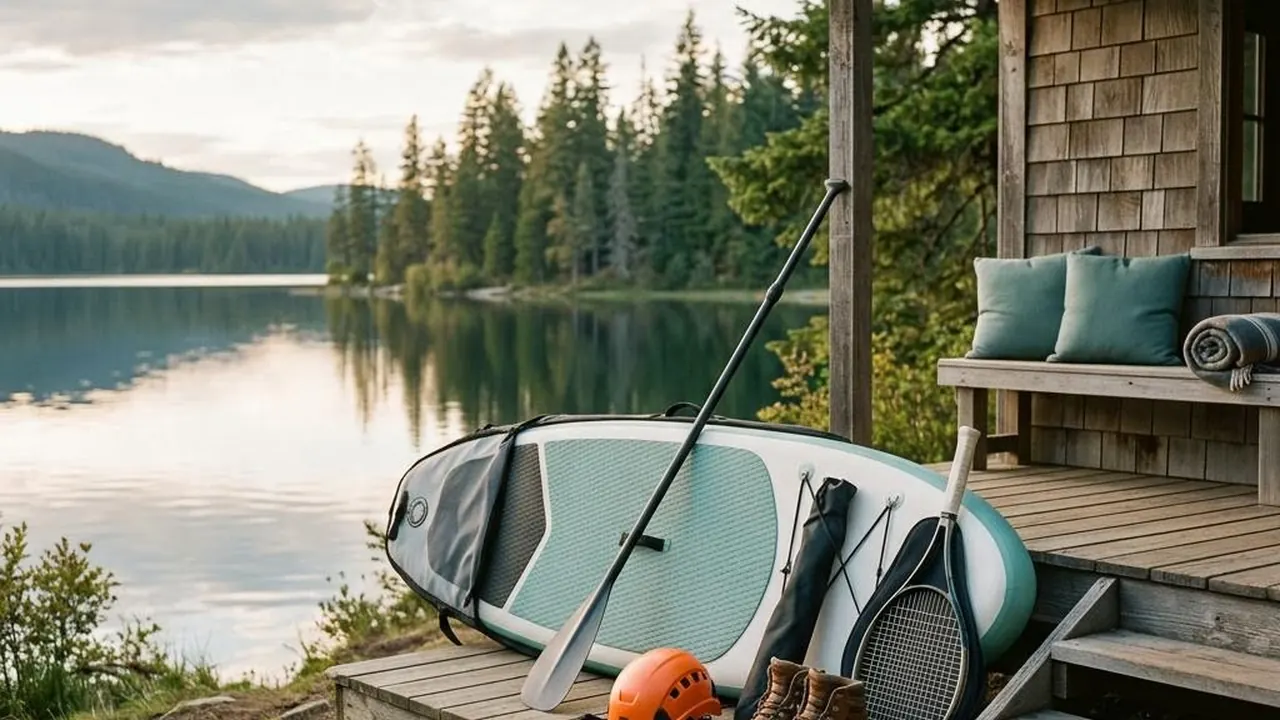
8. Water Sports: Enjoy the Experience Without Owning the Equipment
Imagine visiting a lake or coastal destination.
You've always wanted to try kayaking.
Or paddleboarding.
Perhaps you'd like to explore sailing or another water-based activity.
Some equipment can be expensive, bulky and difficult to store.
For occasional participants, ownership may not make financial sense.
Renting suitable equipment from an appropriate provider can make these activities more accessible.
You can try something new for a limited period without committing to purchasing and transporting the gear.
For water sports, safety is especially important.
Choose equipment appropriate to your ability, use required protective gear, follow local rules and seek qualified instruction or supervision where necessary.
You can discover a passion for the water without filling your garage with equipment.
9. Rent First. Buy Later. Or Explore Rent-to-Own.
Here's where a rental marketplace can offer more than one way to access an item.
Imagine you've rented a set of golf clubs several times.
You enjoy using them.
You're comfortable with the equipment.
And you've decided that golf is a hobby you want to pursue regularly.
You may now be ready to own your own set.
But that doesn't mean every renter needs to make the same decision.
Platforms such as Life4Rent can support different ways of accessing items, depending on the listing and the options made available by the owner.
Rent: Use the equipment for a limited period, then return it.
Rent-to-own: Where the owner offers an eligible rent-to-own arrangement, make payments under agreed terms that provide a path toward ownership.
Buy: Where an item is offered for sale, purchase it outright if it suits your needs.
These options allow people to think more flexibly about ownership.
Someone trying a sport for the first time may prefer a short rental.
Someone committed to a hobby may prefer to buy.
Someone who wants to spread the cost of ownership may explore a rent-to-own arrangement, subject to the actual contract and total cost.
Rent-to-own isn't automatically cheaper than buying outright, and renters should carefully review payment schedules, ownership-transfer conditions, fees and responsibilities before agreeing.
You don't always have to decide between owning something today and never having access to it.
10. Trying Before Buying Can Help You Avoid Expensive Mistakes
One of the most overlooked advantages of renting is the opportunity to learn what you actually need.
Imagine purchasing an expensive camera before understanding photography.
After several months, you discover that a different model would have suited you better.
Or buying a full set of golf clubs before understanding your playing style.
Or investing in camping equipment that turns out to be too heavy for the trips you enjoy.
Renting can reduce some of that uncertainty.
It gives you a chance to experience equipment in real conditions.
You can learn what feels comfortable.
What features matter.
What you enjoy.
And what you don't need.
Then, if you decide to buy, you can make a more informed decision.
Sometimes, the smartest purchase begins with a rental.
11. Your Neighbour Might Own the Equipment You've Always Wanted to Try
Think about the people living around you.
Someone may own a set of golf clubs they rarely use.
Another person may have camping equipment sitting in storage.
A neighbour may have a bicycle they only ride occasionally.
Someone else may own photography equipment, musical instruments or outdoor gear.
Meanwhile, you may be considering spending a large amount to try one of those activities.
The opportunity could be closer than you think.
The challenge is knowing what's available.
Rental marketplaces can help owners make suitable items visible to people who need temporary access.
And when owners share their listings with friends, neighbours or local hobby groups, more people can discover the available equipment.
You might even inspire another person to list something you need.
The hobby you've been putting off might be more accessible if you knew what was available around you.
12. Your Hobby Equipment Could Also Become Someone Else's Starting Point
Let's reverse the situation.
Perhaps you're already passionate about a sport.
You own equipment you've upgraded or no longer use regularly.
An older tennis racket.
A spare bicycle.
A beginner set of golf clubs.
Camping equipment.
A camera.
A musical instrument.
Instead of leaving these items unused, you could consider renting them to someone who wants to try the activity.
Your equipment could become their introduction to a new hobby.
And you may have an opportunity to earn from belongings you already own.
If you no longer need the equipment, selling it could be another option.
Where an appropriate rent-to-own arrangement is offered, you might also provide a potential path to ownership.
This can be particularly useful for beginner equipment that you've outgrown as your skills improved.
The equipment that helped you start your hobby could help someone else discover theirs.
13. You Can Enjoy More Hobbies Without Owning More Things
Imagine wanting to try five activities over the course of a year.
Skiing in winter.
Camping in spring.
Kayaking in summer.
Golf in autumn.
Cycling during a weekend getaway.
If you purchase all the necessary equipment, the cost could be substantial.
You would also need somewhere to store everything.
But if you rent suitable gear for each activity, you may be able to explore more experiences without the same level of upfront spending.
This approach can be especially attractive for people living in apartments or homes with limited storage space.
Instead of accumulating equipment for every interest, you can focus on access when you need it.
Of course, frequent participation may eventually make ownership more economical.
But when you're still exploring, flexibility can be valuable.
You don't need a house full of equipment to live a life full of experiences.
14. The Cost of a Hobby Should Be Measured Against How Often You Use It
Before purchasing equipment, ask yourself a few practical questions.
How often will I use it?
How much does it cost to buy?
What would it cost to rent?
How much storage space does it require?
Will I need to pay for maintenance?
Could my interests or equipment requirements change?
Consider a hypothetical example.
A piece of sports equipment costs $600 to purchase.
A suitable rental costs $30 per day.
If you only need it for three days, renting would cost $90 before any additional fees.
But if you use it regularly over several years, purchasing may eventually offer better value.
The calculation changes depending on the equipment, rental rates, maintenance costs and resale value.
The point isn't that renting is always better.
It's that buying should be a choice based on how much you use something—not simply the default way to access it.
15. Make Trying Something New Your Next Adventure
Think about a sport or hobby you've always wanted to try.
Maybe it's golf.
Maybe skiing.
Maybe tennis, camping, cycling, photography or traveling in an RV.
What's stopping you?
If the main obstacle is the cost of equipment, consider whether renting could make the first step more affordable.
Research the activity.
Find a suitable beginner lesson or experience.
Check what equipment you need.
Explore rental options.
Then try it.
You may discover a passion that becomes part of your life for years.
Or you may discover that the activity isn't for you.
Either outcome can be worthwhile.
You've learned something about yourself without necessarily making an expensive commitment.
The purpose of trying something new isn't to guarantee you'll love it. It's to give yourself the chance to find out.
Final Thought: Don't Let the Price of Equipment Decide What You Get to Experience
There are so many things people would love to try.
Sports they've watched for years.
Hobbies they've admired.
Adventures they've imagined.
Skills they've wanted to learn.
But too often, the first question becomes:
How much will it cost to buy everything?
Perhaps that's the wrong place to begin.
Instead, ask:
How can I experience this without committing to ownership before I'm ready?
Rent the skis.
Try the golf clubs.
Book the camping equipment.
Explore the countryside in a rented RV.
Take the bicycle for a weekend.
Discover what you enjoy.
And if you eventually decide that a sport or hobby deserves a permanent place in your life, explore whether buying or an appropriate rent-to-own arrangement makes sense.
Because life is too short to leave every new experience waiting behind an expensive shopping list.
You don't have to own the equipment to discover the passion.
Try More. Experience More. Own When You're Ready.
Want to explore a new sport, hobby or outdoor adventure?
Discover suitable equipment offered for rent on Life4Rent, and explore buying or rent-to-own options where available.
Already own sports equipment or hobby gear you rarely use? Consider listing it so someone else can experience something new.
Rent it. Try it. Love it. Own it—if you want to.
Life4Rent — Rent Anything. Earn Everywhere.