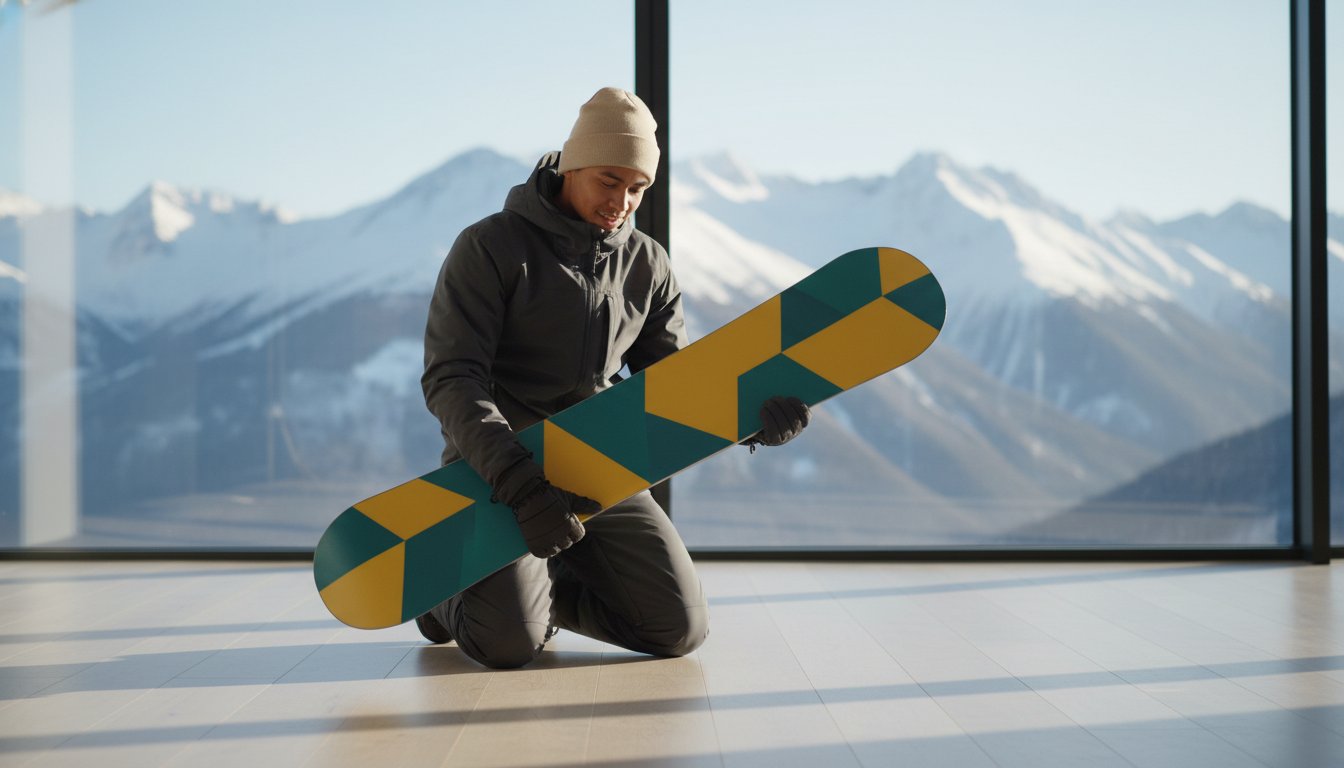
Beginner Snowboard Rental: A Practical Guide for 2026
Philip Edward
June 11, 2026
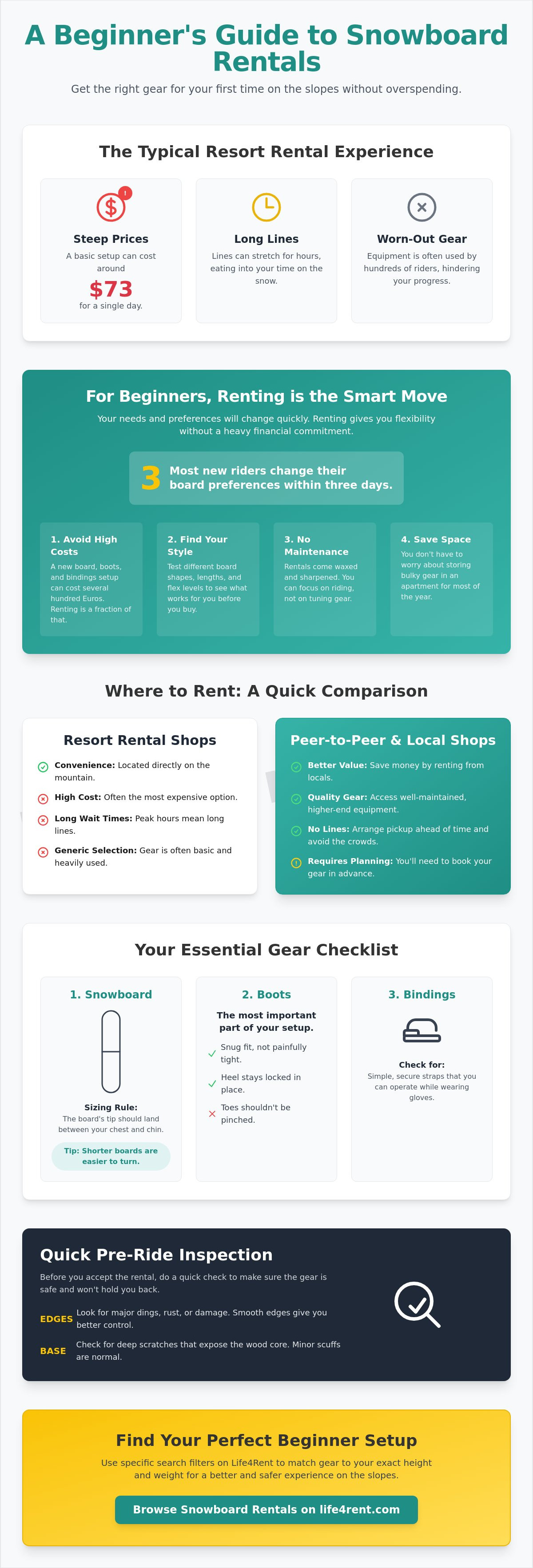
The most convenient place to get your gear is often the worst place for your wallet. You might think grabbing a board at the resort base is the smartest move, but lines there often stretch for hours. A $73 charge for a basic setup feels like a steep price when you're just starting your journey on the slopes. A reliable snowboard rental for beginners shouldn't cost as much as your lift ticket or leave you feeling like just another number in a crowded shop.
It's completely normal to feel overwhelmed by technical terms like rocker and camber or worry about getting the wrong size boots. You want equipment that supports your progress rather than gear that's been worn down by hundreds of other riders. You'll learn exactly how to navigate these choices and why peer-to-peer rentals or local shops offer better value than the mountain rental hub.
We'll walk through the essential gear you actually need for your first day on the snow. You'll find tips for saving money by securing equipment from neighbors and understand how to check your kit for safety before you head out. This approach ensures you feel confident and prepared without overspending on your 2026 winter season.
Why beginners should rent a snowboard instead of buying
Most people feel a rush of excitement when they first step onto a mountain. You might feel tempted to buy your own setup immediately, but your needs will shift rapidly during those first few sessions. Beginners often find that their preferences for stance, width, or board feel change after just three days on the snow. It's better to wait until you know if you prefer carving on groomed trails or trying small jumps in the park before spending your savings.
New equipment loses a significant portion of its market value the moment it leaves the store. You'll likely want a different style of board as you learn more about the history and culture of snowboarding and discover which terrain you enjoy most. You can avoid this immediate depreciation by opting for a snowboard rental for beginners while you're still figuring out your riding style. This approach also gives you the freedom to test various brands without a heavy financial commitment.
To help you get started with the right equipment, watch this guide on what to look for at the shop:
Avoiding the heavy cost of new gear
A basic snowboard, bindings, and boots setup usually costs several hundred Euros when you buy them brand new. Rental fees are just a fraction of that total investment, which is helpful if you only plan for a single weekend trip. You also don't have to worry about finding storage space in a small city apartment for bulky gear that stays idle for ten months of the year. Peer-to-peer platforms like Life4Rent often have listings from locals who have already invested in decent gear but don't use it every weekend.
Testing different board shapes and sizes
Shorter boards help new riders turn with much less effort than a standard length board. You'll also benefit from soft-flex boards because they forgive the small technical mistakes that a stiff professional board would punish with a hard fall. Boots are another critical factor since different brands fit various foot shapes in ways you can't predict without trying them on the slopes. You can test a few different pairs through a rental service to see which ones keep your heels locked in place without causing cramps.
Every board needs regular maintenance to perform well. When you rent, tasks like waxing the base and sharpening the metal edges are handled by the owner or the shop. You get to focus on your technique instead of spending your evenings in a garage with a tuning kit. This flexibility allows you to swap for a longer board as your confidence grows and your speed increases. You can upgrade your setup as your skills improve without the hassle of selling old gear on the second-hand market.
Essential snowboard equipment for first-time riders
You'll spend more time on your feet and less time falling if you choose the right equipment from the start. A proper snowboard rental for beginners focuses on stability and ease of use rather than speed or technical complexity. Your board length is the first thing to check; it should reach somewhere between your chest and your chin when you stand it on its end. A shorter board is easier to turn, while a longer one offers more stability as you gain speed.
You might consider the logistics of renting vs. shipping snowboard gear if you're traveling across Europe. Local rentals often save you from the hassle of oversized baggage fees and the risk of damage during transit. It's a practical way to ensure you have the right tools for the specific snow conditions of the resort you're visiting.
The core trio: Board, boots, and bindings
Boots are arguably the most important part of your setup. They need to feel snug enough that your heel doesn't lift when you lean forward, but they shouldn't pinch your toes or stop your blood flow. If your boots are too loose, you'll lose the ability to control the board's edges effectively, which makes learning much harder than it needs to be.
Bindings must have a simple, secure strap system that you can operate while wearing heavy gloves. Most beginner boards feature a flat or rockered profile, which keeps the edges slightly off the snow to prevent the board from catching an edge unexpectedly. You should also ensure the stance width is roughly equal to your shoulder width to maintain a balanced and natural posture. Leash cords are another essential; they connect your front binding to your boot so the board doesn't slide away if you unstrap on a slope.
Protective gear and accessories
Helmets are a non-negotiable safety item, especially on crowded beginner slopes where other new riders might lose control. You'll also want a pair of wrist guards, as wrist injuries are the most common mishap for people learning to balance on a single edge. These small additions to your snowboard rental for beginners can prevent a minor fall from ending your trip early.
Goggles are essential for protecting your eyes from the wind and providing visual contrast on flat-light or cloudy days. Since you'll likely spend some time sitting in the snow while you strap in or take a break, waterproof pants are a must to stay warm and dry. You can find high-quality snowboard gear for rent from experienced riders in your neighborhood who often include these extra accessories with the board and boots.
Resort rental shops versus peer-to-peer marketplaces
You have two main paths when you look for a snowboard rental for beginners. Resort shops sit right at the base of the lift, but they charge a premium for that five-minute walk. Peer-to-peer marketplaces offer a different experience by connecting you with local riders who have quality gear sitting in their homes. These owners often provide boards that are better maintained than the mass-produced stock found at mountain hubs.
Owners on these platforms take pride in their equipment because it's their personal property. You'll likely find boards with fresh wax and sharp edges, which makes your first few turns much smoother. This personal touch is a core part of peer to peer equipment rental where you get access to high-quality gear without the steep retail price tag. You might even find a setup that includes an "Option to Buy" if you decide the sport is right for you after your first weekend.
Comparing convenience and total costs
Resort lines can take over an hour during peak holiday periods like Christmas or school breaks. This wait eats into your actual riding time and adds unnecessary stress to your first morning on the snow. If you pick up your gear from a neighbor the night before your trip, you can drive straight to the slopes and start your lesson. This efficiency is a major focus in any beginner's guide to ski and snowboard trips.
Marketplaces also allow for more flexibility in pricing compared to fixed resort rates. You can browse through different listings to find a package that fits your specific budget and skill level. Many owners are happy to offer advice on which board profile will help you progress faster. This level of communication helps you avoid the "one-size-fits-all" approach that often leaves beginners with gear that's too stiff or too long.
Finding gear in your own neighborhood
Local listings help you avoid the stress of mountain-side logistics. You don't have to carry heavy boots and boards through crowded resort parking lots or wait for shuttle buses. Neighborhood sharing also builds a sense of community among local outdoor enthusiasts in your city. You can learn more about the practical benefits of neiyborly sharing to see how it changes the way you prepare for the winter season.
These local interactions often lead to valuable insider knowledge. An owner might tell you which runs have the best snow for learning or which local shops offer the best boot fittings. You get more than just a board; you get a connection to the local riding scene. This approach ensures your first experience is grounded in real-world advice rather than a generic sales pitch.
Practical steps to inspect your rental equipment
A few minutes spent verifying your equipment ensures your first day isn't cut short by a loose screw or a dull edge. This inspection is a vital part of any snowboard rental for beginners because it gives you confidence in your kit before you even reach the snow. You'll feel much safer knowing your gear is in working order before you head to the lift.
You should run your finger carefully along the metal edges to check for burrs or rust. These edges must be smooth to help the board grip the snow when you're trying to stop or turn. If you feel rough spots, ask for a different board or a quick tune-up. You should also look at the base for deep scratches or dry, white patches, which indicate the board needs wax. A well-maintained base feels slightly oily to the touch rather than like dry plastic.
Verifying the board and binding condition
Check that all screws on the bindings are tight and don't wiggle when you pull on them. Loose bindings can shift your stance mid-ride, which is dangerous for someone still learning their balance. Straps must click into place firmly and shouldn't slip when you apply pressure. If the plastic ladders look cracked or worn, they might snap in the cold, so it's best to request a replacement immediately.
The base of the board should be free of any core shots, which are deep gouges that expose the wood underneath. Small scratches are normal for rental gear, but anything that exposes the internal structure can lead to water damage. You can rent inspected snowboard gear directly from local owners who often take the time to walk you through these safety checks in person.
Testing the fit of boots and helmets
You must fasten the boot laces or BOA system completely and walk around the room to test the fit. Your heel shouldn't lift more than a few millimeters when you lean forward into a squat. Your toes should just touch the front of the boot when you're standing straight, but they'll pull back slightly when you bend your knees. This snug fit is essential for a snowboard rental for beginners to ensure your movements translate directly to the board.
Helmets must sit level on your head and shouldn't tilt back to expose your forehead. You can give your head a firm shake to see if the helmet stays in place without sliding over your eyes. Adjust the chin strap so it's tight enough that only two fingers fit underneath. This ensures the protection stays in place if you take a tumble on a beginner run. Proper alignment is the difference between a minor bump and a trip to the medical center.
How to use Life4Rent for your winter gear needs
You can find a reliable snowboard rental for beginners by exploring the sports and outdoor category on the Life4Rent marketplace. This platform connects you directly with local equipment owners, which often results in better prices than resort-based shops. You'll find a variety of gear that fits different skill levels and budgets within your own community.
The search process is straightforward if you know what parameters to look for. Input your current location to see which boards are available within a short drive of your home or office. You can compare different listings side-by-side to find the best daily or weekly rate for your upcoming trip. It's often cheaper to book for a full week if you plan to ride for more than three days.
Search and filter for the right board
Filters help you narrow down the results to find boards that match your specific height and weight requirements. You should look for boards labeled as "all-mountain" because these are designed to handle various snow conditions and are the best choice for learning. The right snowboard rental for beginners is easier to find when you use these specific search tools:
- Location: Find gear within a 10-20 km radius to save on travel time.
- Price Range: Set a daily limit that matches your weekend budget.
- Category: Stick to the Sports and Outdoor section for the best technical listings.
Check the description for mentions of the board's flex. A softer flex is usually more forgiving for new riders who are still perfecting their balance. You can also filter by price to ensure the rental fits within your travel budget. Reviews from previous renters give you an honest look at how well the gear has been maintained over the season.
Communicate with owners for beginner advice
Direct communication with the owner is one of the biggest advantages of using a peer-to-peer platform. You should message the owner to ask about the age of the board and when it was last serviced. It's a good idea to request a photo of the board's base to verify it was recently waxed and doesn't have deep scratches. This step ensures you aren't surprised by the condition of the equipment when you arrive for pickup.
You can also ask the owner if they can show you how to adjust the bindings to fit your boots properly. Most owners are happy to help a newcomer and might even share tips on their favorite local runs. Inquire about the last time the edges were sharpened to ensure you'll have enough grip on firmer snow. This personal interaction provides a level of detail that you rarely get at a busy mountain rental counter.
Safety should always be your priority when selecting gear from a private individual. Confirm that the helmet included in any package hasn't been involved in a major impact. Once you're satisfied with the answers, you can finalize the booking and arrange a convenient pickup time. This local approach to gear access helps you avoid the stress of resort logistics while supporting other riders in your area.
Ready for your first session on the snow
You've seen that finding a reliable snowboard rental for beginners doesn't have to mean standing in a resort line for an hour or paying a premium for basic gear. Local setups from neighbors often provide equipment that's better maintained and comes with practical advice from someone who rides. Remember to check for smooth edges and a snug boot fit before you leave for the mountain.
You can browse through verified listings in over 17 categories to find the exact board length and boot size you need. These local pickup options mean you skip the morning rush at the resort while benefiting from community-driven pricing for better value. Find your first snowboard rental on Life4Rent to secure gear that matches your skill level.
The first step onto the snow feels much easier when you trust your equipment. Once you have a board that fits your height and boots that keep your feet secure, you can focus on learning your first turns. You'll be ready to enjoy the slopes with confidence and a setup that works for you.
Frequently Asked Questions
Can a beginner use a professional-level snowboard?
You'll find that professional boards are too stiff and difficult to control when you're just starting. These boards are designed for high speeds and aggressive turns, which often leads to more falls for a new rider. It's better to stick with a soft-flex board that's more forgiving. This helps you stay upright longer and builds your confidence during those first few hours on the snow.
Is it cheaper to rent gear for a full week or day by day?
It's almost always more cost-effective to book a multi-day package if you plan to be on the slopes for more than two days. Most owners and shops offer a lower daily rate for longer durations. This approach also saves you the trouble of returning gear every evening and re-adjusting your bindings the next morning. You can spend that extra time enjoying your morning coffee before the lifts open.
How do I know what size snowboard I actually need?
The board should reach between your chest and chin when you stand it up on its end. Your weight also plays a role, as heavier riders need a slightly stiffer board to maintain control. Most listings for a snowboard rental for beginners will include a size chart to help you choose the right model. You can always ask the owner for a recommendation based on your specific measurements.
Can I rent a snowboard if I do not live near a ski resort?
You can certainly find gear in your own city by using a peer-to-peer marketplace instead of waiting until you reach the mountains. This allows you to pick up the equipment the night before your trip and drive straight to the mountain. It's a great way to avoid the long lines at the resort base and ensures you have gear that fits before you leave home.
What happens if I accidentally damage the rental board?
You should expect to pay a repair fee for significant damage like deep gouges that reach the wood core or broken metal edges. Most owners understand that small scratches on the base are part of normal use on the mountain. It's a good idea to take photos of the board before your first run to document its original condition. This transparency helps avoid any misunderstandings when you return the kit.
Is a helmet usually included in a standard rental package?
A helmet is often treated as an optional add-on rather than a standard part of the base kit. You should always check the listing details to see if safety gear is included in the price. It's a vital piece of equipment that you shouldn't skip, even on the beginner slopes. Many local owners will include a helmet for a small extra fee or as a courtesy for first-time riders.
How should I transport a rental snowboard in a small car?
You'll likely need to fold down your back seats to fit the board inside a smaller vehicle safely. It's smart to use a board bag or an old blanket to protect your car's interior from the sharp metal edges and melting snow. Make sure the board is secure so it doesn't slide around while you're driving through mountain passes. This simple step prevents damage to both your car and the rental equipment.
Can I swap my boots if they feel uncomfortable after an hour?
You can easily swap boots at a resort shop, but this is harder to do with a private owner once you've reached the mountain. You should spend at least ten minutes walking around in the boots during the pickup to ensure they don't pinch your toes. A proper snowboard rental for beginners depends heavily on having boots that feel snug but comfortable for the entire day.
Life4Rent
Rent it. Earn from it. Own less, access more.
Browse peer-to-peer rentals near you, or list what you own and start earning — all protected by Life4Rent Protect.
About the author
Philip Edward
Tallinn, Estonia
Philip leads editorial at the Life4Rent Renting Academy, overseeing guides on peer-to-peer rental, platform safety, and consumer finance across 25 markets. He has spent over a decade covering the sharing economy and digital marketplaces, helping renters and owners navigate the shift from ownership to access.