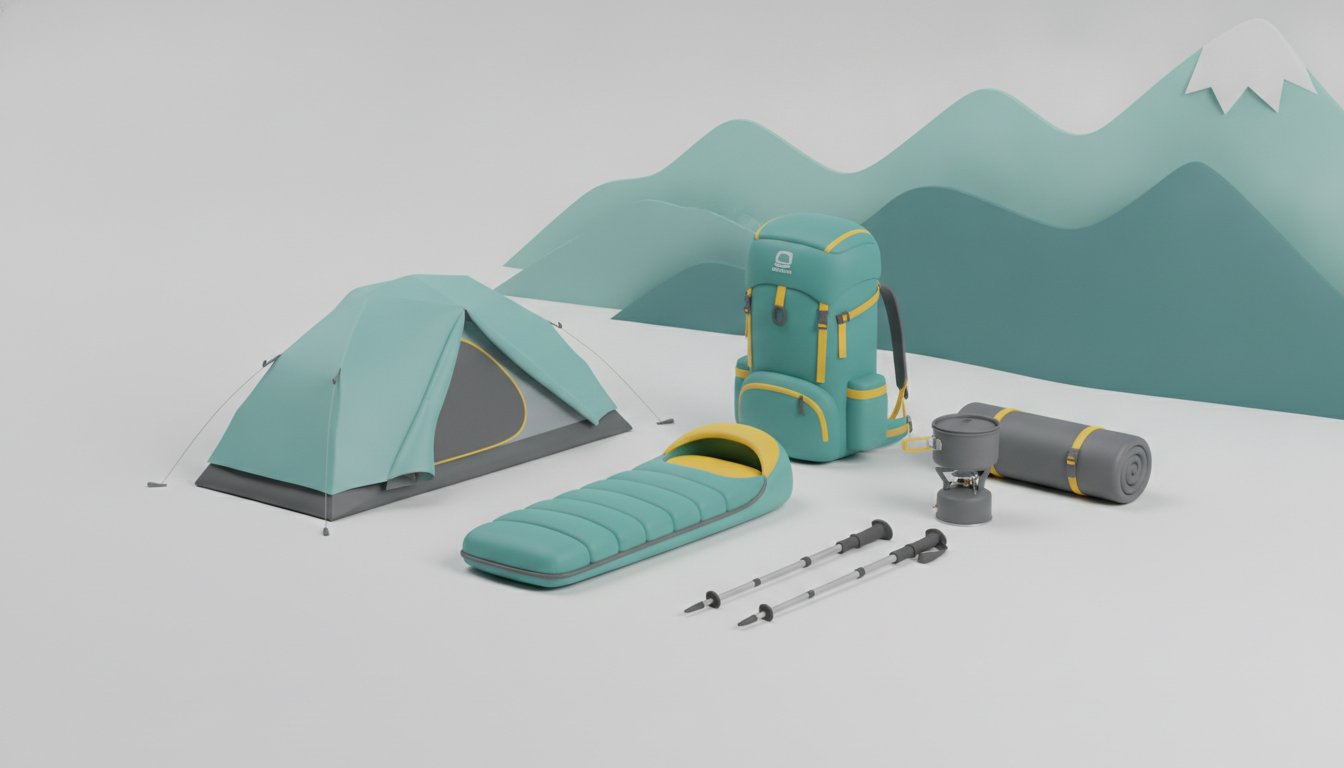
Backpacking Gear Rental Package: A Practical Guide for 2026
Philip Edward
June 8, 2026
You don't need to drop thousands of dollars on high-end outdoor equipment just to enjoy a few nights under the stars. It's frustrating when retail prices for technical tents and ultralight sleeping bags keep rising, especially if you have limited storage space at home. A quality backpacking gear rental package gives you access to professional-grade equipment for a fraction of the retail cost.
Most hikers feel overwhelmed by the sheer volume of gear marketed as essential for the trail. You want a setup that's lightweight and dependable, but you don't want to spend weeks researching every technical spec. You'll learn how to select a complete kit that matches your destination and your skill level while keeping your pack weight low.
Peer-to-peer marketplaces like Life4Rent offer a practical way to source field-tested gear directly from experienced outdoors enthusiasts. We'll cover how to compare different rental options, what items you must include in your bundle, and how to save money on your next adventure in 2026.
The economic and practical benefits of a backpacking gear rental package
High-end technical gear often costs more than the flight and the trail permits combined. If you're planning for Backpacking (hiking), the initial investment is a massive barrier for many beginners and even intermediate hikers. A complete backpacking gear rental package solves this by providing the specific items you need without the long-term financial commitment. Most people only spend one or two weeks a year on the trail. It's hard to justify spending thousands on a tent that sits in a dark closet for 50 weeks out of the year.
To better understand what a modern kit looks like, watch this helpful video:
Save money on high-end technical equipment
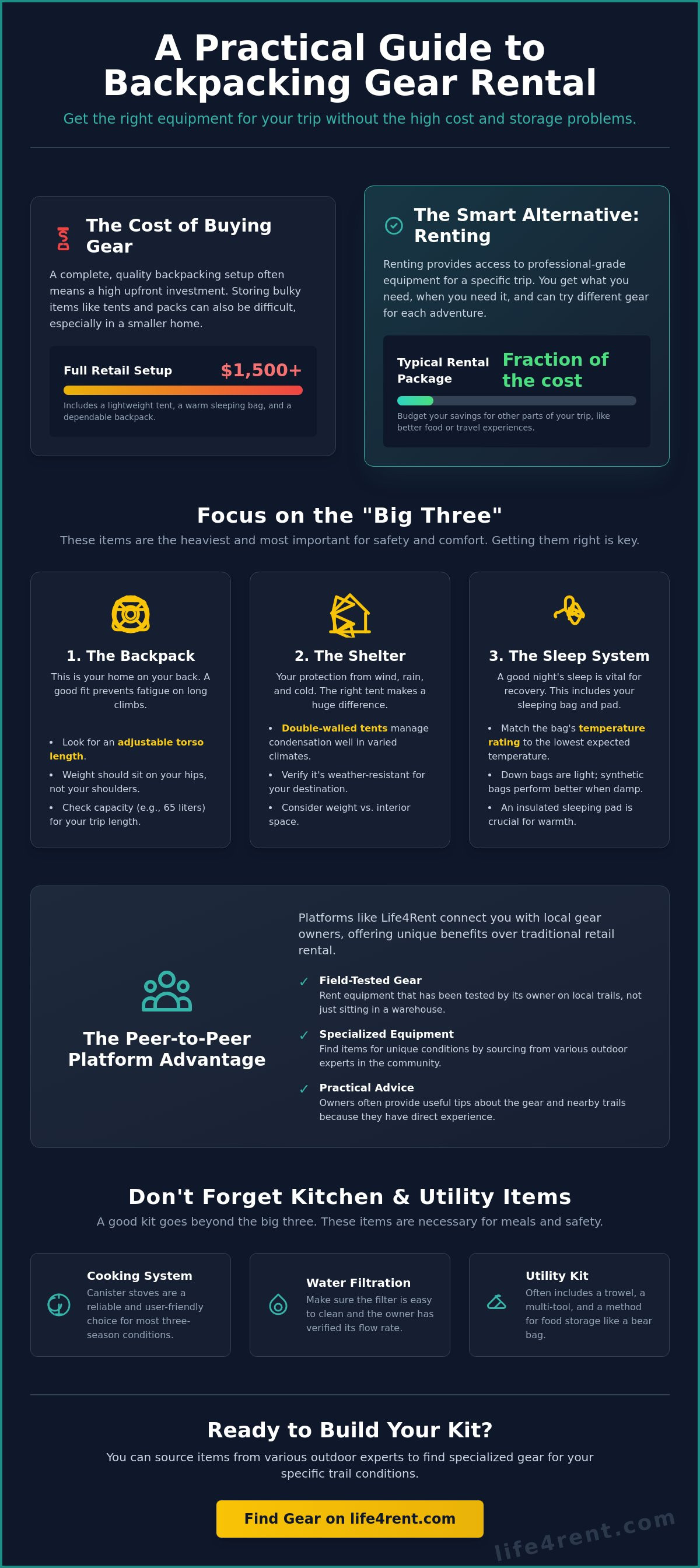
A full retail setup for a safe, comfortable trip can easily exceed $1,500. This estimate includes a lightweight backpack, a down sleeping bag rated for freezing temperatures, and a weather-resistant tent. You don't have to choose between safety and your bank account. Choosing a backpacking gear rental package means you aren't stuck with outdated equipment as technology improves. Rental packages typically cost a fraction of that total retail value. You can budget those savings toward better trail food, specialized maps, or travel experiences during your trip. It's a practical way to access high-quality items without the financial sting of full ownership.
Avoid the storage burden of bulky camping items
Storage space is a luxury that many city dwellers don't have. Tents, sleeping pads, and large 65-liter backpacks take up significant room in a small apartment. You can rent gear only when you need it to keep your home clutter-free and organized. The sharing economy makes these high-volume items available on demand through platforms like Life4Rent. You get the full benefits of technical equipment without the permanent footprint in your living space. This approach is especially helpful if you live in a European city where every square meter of storage counts.
Trial runs are another hidden benefit of the rental model. You can test different brands and styles of packs or tents before you decide to buy your own. This prevents expensive mistakes where you purchase gear that doesn't actually fit your body or your hiking style. You'll also learn which features are essential for you and which ones are just unnecessary marketing hype.
Essential components of a high-quality rental kit
A comprehensive backpacking gear rental package should provide more than just the basics. It needs to include items that work together to keep your pack weight manageable and your nights comfortable. Experienced hikers focus on the "big three" because these items represent the heaviest and most expensive parts of your kit. If these aren't right, the rest of your trip will suffer.
The big three: Pack, shelter, and sleep system
Look for packs with adjustable torso lengths for a proper fit. Tents should be double-walled for better condensation management in Europe. Sleeping bags must have a temperature rating appropriate for your destination's lowest lows.
A backpack is the most personal piece of equipment you'll use. You should look for packs that offer adjustable torso lengths to ensure the weight sits on your hips rather than your shoulders. This prevents unnecessary fatigue on long climbs. For your shelter, double-walled tents are often the better choice for the varied climates in Europe. They manage condensation much better than single-wall designs, especially during humid nights in the Alps or the Scottish Highlands. Your sleep system needs to be a primary focus as well. A sleeping bag rated for 0°C is perfect for summer in many regions, but you'll need something warmer for high-altitude autumn treks.
Kitchen and utility essentials for the backcountry
Canister stoves are the most reliable option for most rental users. Filters must be easy to clean and verified for flow rate by the owner. Utility kits often include a trowel, bear bag, or multi-tool.
Reliable cooking equipment is a necessity for maintaining your energy levels. Canister stoves are the most user-friendly option for most hikers. They're simple to operate and work well in most three-season conditions. Choosing a full backpacking gear rental package ensures that your stove and fuel adapter are compatible before you reach the trailhead. Water filtration is a non-negotiable safety item. Filters must be easy to clean in the field and have a verified flow rate. If a filter is clogged, it becomes a liability rather than an asset.
A professional-grade kit aligns with The Ten Essentials, which include navigation and lighting. Your package should include a high-lumen headlamp with extra batteries and a reliable way to navigate, such as a compass or a pre-loaded GPS device. Utility kits often include small but critical items like a lightweight trowel for waste management or a bear bag for food storage. These small details separate a generic bundle from a truly helpful setup. If you're unsure about specific items, you can browse outdoor listings on Life4Rent to see what experienced local hikers include in their own personal kits.
Peer-to-peer vs. traditional retail rental packages
Traditional shops often stock heavy, standardized gear designed for durability rather than weight savings. This makes sense for their business model because they need gear that lasts through dozens of users without breaking. Unfortunately, this can leave you carrying a heavier pack than you'd like. The standardized approach also means you might get a tent or pack that's just okay for everyone but perfect for no one.
Local owners on Life4Rent usually list equipment they personally use for their own treks. This means you often get access to lighter, higher-performance items that a retail shop wouldn't stock due to high maintenance costs. A backpacking gear rental package from a local enthusiast provides a more authentic experience than a generic retail bundle. You're renting a kit that has been field-tested in the very environment you plan to explore.
Direct communication with owners allows for specific questions about gear quirks or setup tips. Owners can explain how they personally used the gear on specific trails nearby. This is far more helpful than reading a generic instruction manual from a corporate retail store. You get the benefit of their trial and error, which can save you time and frustration once you're miles away from the trailhead.
Local availability and reduced shipping overhead
Large retail rental companies often rely on nationwide shipping to reach their customers. This involves massive cardboard boxes and fossil-fuel-heavy logistics to get the gear to your door. Peer-to-peer platforms reduce the carbon footprint associated with shipping large boxes by encouraging local pickups instead. It's a more sustainable way to access the outdoors without adding to the waste of the logistics industry.
You can pick up gear directly at your destination to save on baggage fees and travel stress. Local owners can recommend specific items for local weather patterns that a centralized warehouse might overlook. Peer-to-peer rentals also ensure your money supports the local community rather than large corporations. It's a practical way to travel light while knowing your equipment is already waiting for you near the trail.
Authentic gear advice from fellow outdoor enthusiasts
Field tests by owners ensure the gear is functional and reliable before it reaches your hands. Owners on Life4Rent can share their personal experiences with the equipment in the field. You might even get tips on the best hidden campsites or reliable water sources from your gear provider during the hand-off. This kind of local knowledge is something a traditional retail shop simply cannot offer.
Entry into the hobby doesn't require a massive upfront investment in high-end items. As suggested in this Beginner's Guide to Backpacking, renting gear is one of the most cost-effective ways to hit the trail. Fellow hikers are often happy to share their knowledge to ensure you have a safe and enjoyable trip. You'll find that most owners take great pride in their gear and want you to have the same positive experience they did.
Practical steps to select the right gear for your trail
Specific trail requirements should dictate your equipment choices. A weekend trip in the flatlands of the Netherlands requires a very different setup than a week-long trek through the Pyrenees. You'll find it much easier to narrow down your options if you identify the terrain and expected temperatures first. A well-chosen backpacking gear rental package should feel like it was designed specifically for your route.
Check the total base weight of any potential kit before you commit to a booking. Base weight is the weight of all your gear excluding consumables like food, water, and fuel. Most hikers find that keeping this number low significantly improves their enjoyment of the trail. You should also verify that the backpack volume matches your trip length; a 40-liter pack is usually plenty for a weekend, but you'll likely need 60 liters or more for a six-day expedition.
Verify the weight and technical specifications of the kit
Total pack weight should ideally stay under 15kg for a comfortable hike. This limit includes your food and water, so starting with a light base weight is essential. Ultralight gear is often more expensive to rent than standard items, but it's much easier on your joints over long distances. You should also confirm that the sleeping pad has a high R-value if you expect cold ground temperatures. An R-value of 3 or higher is generally sufficient for most three-season trips in Europe.
Assess the condition and maintenance history of the items
Look for clear, high-resolution photos of the actual gear in the Life4Rent listing. Stock photos from a manufacturer don't tell you anything about the current state of a used tent or stove. You should check reviews from previous renters to see if they mentioned anything about cleanliness or small functional issues. It's also smart to ask the owner when the tent was last waterproofed to avoid surprises during a midnight downpour.
Ensure the owner has a clear policy for minor wear and tear before you finalize the rental. Honest communication about how you plan to use the gear helps build trust between you and the owner. If you're ready to start comparing local options, you can rent a backpacking gear rental package directly from owners in your area. This direct interaction often leads to better-maintained gear than you'd find in a high-volume retail shop.
Build your own custom gear package on Life4Rent
Traditional retailers often force you into rigid, pre-defined bundles that don't always fit your specific needs. You might end up paying for a heavy three-person tent when you only need a solo shelter. Life4Rent provides the flexibility to source individual items from different local experts to create your own backpacking gear rental package. This modular approach ensures you only carry what you actually need for your specific route.
You can find unique peer to peer equipment rental opportunities right near your trailhead. This is particularly useful for niche items like bear canisters or high-altitude stoves that generic shops might not stock. Search for specific categories like 'Outdoor' and 'Sports' to find high-performance gear that owners use themselves. You can even contact multiple owners to negotiate a custom bundle price if you're planning a longer trip.
Search for local listings in your destination city
Filter results by location to find gear waiting for you at the airport or train station. This saves you the hassle of transporting bulky items across borders or through transit hubs. Look for owners who have multiple outdoor listings to simplify the pickup process. One person might have a tent, backpack, and stove available as a single pickup. This neiyborly approach is excellent for finding specialized equipment in small towns located near national parks where traditional rental shops don't exist.
Local owners often have deep knowledge of the area and can suggest gear adjustments based on the current trail conditions. If a specific pass is still snow-covered, they might have microspikes or trekking poles they can add to your kit. This level of flexibility is something you won't find at a standard retail counter. It allows you to adapt your setup as your plans evolve without the high cost of buying new gear for every possible scenario.
Communicate with owners to ensure gear compatibility
Send a direct message to confirm specific details like the sleeping bag zip side or the number of tent stakes included. These small technical details can make a significant difference in your comfort once you're on the trail. Most owners are happy to provide extra photos or measurements if you're worried about fit. You should also request a quick demonstration of the stove or water filter during the hand-off to ensure you're comfortable with the operation.
Coordinate a convenient return time that fits your travel schedule to avoid any last-minute stress before your flight or train. Most peer-to-peer hosts are flexible and can arrange a drop-off point that works for both parties. This personal touch makes the entire process of managing a backpacking gear rental package much more relaxed. You get the equipment you need, local advice, and a simplified logistics plan all in one place.
Plan your next wilderness adventure with confidence
A backpacking gear rental package is the most practical way to access high-end technical equipment without a long-term financial commitment. You can focus on optimizing your base weight and choosing gear that fits your specific trail conditions, whether you're heading to the high mountains or a local forest. To ensure you are physically prepared for the rigors of the wilderness, using high-performance training gear from REP Store can help you build the necessary endurance. Local owners offer a level of insight and field-tested reliability that generic retail shops simply cannot match. This approach keeps your home clutter-free while ensuring you have the right tools for a safe trip.
The Life4Rent platform offers access to 17 different rental categories within a secure peer-to-peer environment. You can connect with community-vetted gear owners who take pride in maintaining their equipment for the next traveler. This ensures you get functional, reliable items that have been proven on real trails. Find your perfect backpacking gear package on Life4Rent and start your journey with professional equipment that fits your budget. Your next great hike is much closer when you don't have to worry about the high price of ownership.
Frequently Asked Questions
How do I know if the backpack in the rental package will fit me?
You should ask the owner for the specific torso range and hip belt size of the pack before you book. Most technical backpacks come in sizes like Small, Medium, or Large, and an incorrect fit can cause significant shoulder pain on the trail. Check the listing details to see if the owner has provided these measurements or if they're willing to help you adjust the straps during the hand-off.
What happens if I accidentally damage a piece of rental gear?
Platform policies generally distinguish between normal wear and tear and actual damage. You're responsible for keeping the gear in good condition, but minor scratches or trail dust are usually expected. If a significant breakage occurs, it's best to contact the owner immediately to discuss repair or replacement costs based on the marketplace's terms of service.
Is the backpacking gear cleaned before I receive it?
Owners are expected to clean and sanitize all equipment before it reaches the next renter. This typically includes wiping down the tent, washing any cookware, and airing out the sleeping bag. You can check the reviews on a specific backpacking gear rental package to see if previous users were satisfied with the cleanliness of the items they received.
Can I rent a specific brand of gear, like Gregory or Big Agnes, on Life4Rent?
You can often find high-performance brands like Gregory, Big Agnes, or Osprey because owners list their own personal equipment. Traditional rental shops might only carry generic, heavy-duty brands that are built for high-volume use. The peer-to-peer model allows you to find the specific technical features or brand reputations that you trust for your own treks.
Do I need to provide my own fuel for the camping stove?
You'll almost always need to purchase your own fuel canisters because they're considered hazardous materials for transport. Most owners don't include a half-empty canister for safety and reliability reasons. You can easily pick up standard isobutane-propane canisters at most outdoor stores or gas stations near your trailhead once you arrive.
How far in advance should I book my backpacking gear rental package?
You should book your gear at least three to four weeks in advance if you're planning a trip during the peak summer hiking season. If you're looking for a specialized backpacking gear rental package in a popular area like the Alps, earlier is always better. For off-season trips, a week of notice is often enough for most local owners to prepare your kit.
Is it possible to rent a package for a solo thru-hike?
It's entirely possible to rent a setup for a long-distance solo trip. You'll want to look for ultralight components to keep your daily mileage high without extra strain on your joints. You'll find that negotiating a long-term rate with an owner is often more cost-effective than paying the standard daily price for a month-long journey.
What is the typical weight of a full rental gear package?
A standard three-season gear package typically has a base weight between 7kg and 12kg. This includes the tent, sleep system, backpack, and cooking gear. If you choose an ultralight option, you can often get that number down to 5kg or less, which makes a noticeable difference on steep inclines.
Life4Rent
Rent it. Earn from it. Own less, access more.
Browse peer-to-peer rentals near you, or list what you own and start earning — all protected by Life4Rent Protect.
About the author
Philip Edward
Tallinn, Estonia
Philip leads editorial at the Life4Rent Renting Academy, overseeing guides on peer-to-peer rental, platform safety, and consumer finance across 25 markets. He has spent over a decade covering the sharing economy and digital marketplaces, helping renters and owners navigate the shift from ownership to access.